


Crate Setup for Puppy Comfort: Tips for a Cozy Space
Essential Steps for Assembling Your Puppy’s Crate Accurate Measurements for Your Puppy’s Size To guarantee that your puppy’s crate is both comfortable and secure, precise
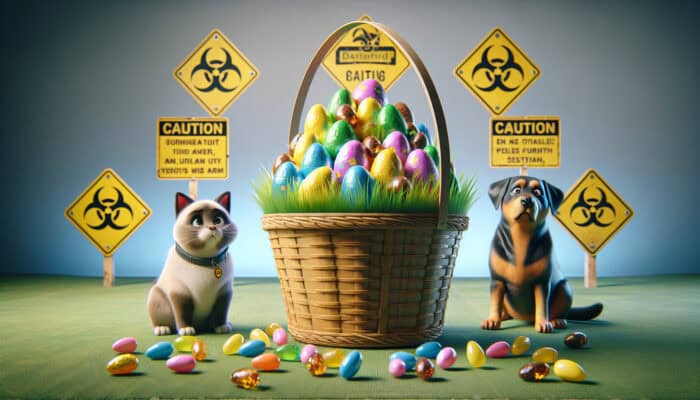
Table of Contents
ToggleEaster Basket Hazards for Pets: Chocolate poses a danger to pets, especially dogs, due to its theobromine content, a compound highly toxic to them. Even ingesting just a small quantity can result in severe health complications, manifesting as symptoms such as vomiting, diarrhea, an accelerated heart rate, and, in more severe instances, seizures or even heart failure. It is absolutely vital to ensure that all chocolate products are kept securely out of reach of your furry companions during the Easter celebrations. Common chocolate treats that can pose risks include:
Always take the time to educate family members and guests about the dangers of chocolate for pets, creating a safer environment for your cherished animals during the festivities.
Easter festivities often feature beautiful floral arrangements; however, many of these plants can be extremely harmful to your pets. Certain varieties, particularly lilies and daffodils, can be especially dangerous. Consuming these plants can result in a wide range of symptoms, from mild irritation to severe kidney failure, particularly in cats who are more vulnerable to the toxic effects of lilies. It’s essential to exercise caution by keeping these toxic plants well away from your pets. Common hazardous plants that are often included in Easter decorations consist of:
Consider opting for pet-safe flowers or alternative decorative items that do not pose any risk to your beloved animals during the celebrations.
The bright and colorful wrappers that encase Easter sweets can be very appealing to pets. However, the ingestion of plastic or foil wrappers can lead to choking hazards and significant health issues such as intestinal blockages. Since pets may not be able to distinguish edible treats from harmful materials, it is crucial to ensure wrappers are disposed of properly and to keep a watchful eye on the area where Easter baskets are located. Typical wrapper materials found in Easter baskets include:
Make sure all wrappers are kept out of reach once the celebrations conclude, as this simple step can help prevent potential health emergencies for your pets.

Identifying hazardous items in Easter baskets is essential to ensuring a pet-safe holiday. Pets are often attracted to brightly colored or shiny objects, which may not be safe for them. An expert assessment indicates that commonplace household items can present risks during this festive period. Items such as chocolate, certain candies, toxic plants, and plastic wrappers can lure pets, posing a risk of ingestion. It is crucial to carefully inspect all contents of Easter baskets and securely store any dangerous items out of reach from inquisitive paws.
Additionally, it is wise to educate family members about these risks and reinforce the importance of closely monitoring pets during celebrations. Furthermore, consider choosing less hazardous alternatives, focusing on safe options that bring joy without risk.
Assembling a pet-friendly Easter basket is not only feasible but also rewarding. By thoughtfully selecting pet-safe treats, toys, and other non-toxic items, you can ensure your furry companions enjoy the holiday without any hazards. Experts recommend consulting a veterinarian for tailored recommendations that take your pet’s specific dietary needs and play preferences into account.
You might include items such as:
These alternatives not only provide pets with enjoyment but also ensure their safety, allowing everyone to celebrate without worry.

If you believe that your pet has ingested something harmful, taking immediate action is crucial. The first step is to contact your veterinarian or an emergency veterinary clinic without delay. Experts note that time can be a critical factor in minimizing the potential damage from ingesting hazardous items.
In many cases, prompt intervention and professional guidance can lead to favorable outcomes. Real-life cases have demonstrated that pets who receive immediate medical attention after ingesting toxic substances often recover well without lasting harm. Keep emergency contact numbers readily accessible and familiarize yourself with the signs of pet distress, as this knowledge can empower you to respond effectively in such situations.
To avert accidental ingestion of harmful items, it is vital to secure Easter baskets out of pets' reach. Experts recommend placing baskets on high shelves or in closed rooms where pets cannot access them. Keeping these items out of sight and out of reach significantly reduces the likelihood of a dangerous incident during the festivities. Always take proactive measures to ensure your pets' safety.
Educating children about the risks associated with sharing Easter basket items with pets is integral to fostering a safe celebration. Experts encourage involving kids in discussions about pet safety, emphasizing the need to supervise interactions between pets and basket contents. By understanding these risks, children can enjoy the holiday while also protecting their beloved furry friends.
Constant supervision of pets during Easter celebrations is critical in preventing them from accessing hazardous items. Pets possess a natural curiosity, often attempting to sneak into baskets when they think no one is watching. Keeping a vigilant eye on your pets not only prevents mischief but also lets you enjoy the festivities with peace of mind. Engage family and friends in monitoring pets, making it a collective effort to ensure a secure environment.
Establishing a designated pet area away from the excitement of the celebrations can also be beneficial. Creating a safe zone filled with their favorite toys and treats can keep them entertained while minimizing the risks associated with Easter baskets.
Store Easter baskets and related items in locations where pets cannot reach them, which significantly reduces the likelihood of accidents. Use high shelves or locked cabinets to keep dangerous items out of reach, keeping your pets' curious paws safe. This proactive approach can help you avoid potential emergencies and create a stress-free holiday atmosphere.
Consider using decorative storage bins that blend seamlessly with your holiday decor while keeping contents secure. Regularly inspect areas where baskets are placed to guarantee that no hazardous items are left behind after celebrations.
Educating everyone in your household about the dangers of Easter baskets to pets is fundamental for prevention. Include children and adults alike in discussions about the importance of keeping baskets secured and away from pets. Clear communication about the potential hazards posed by Easter treats, wrappers, and plants can help create a safer environment for your cherished animals.
Establishing household rules, such as not leaving baskets unattended in pet-accessible areas, can also enhance safety. Creating awareness around these issues ensures that everyone in the home is aligned and vigilant during the holiday.
Opting for pet-safe treats and avoiding toxic items is vital for a worry-free Easter. Evaluate all basket contents before presenting them to your pets, ensuring no harmful items, such as chocolate or dangerous plants, are included. Selecting non-hazardous contents not only protects curious pets but also lets you enjoy the holiday without worry.
Consider choosing alternative treats, such as fruit-infused snacks or specially formulated pet sweets, to replace traditional candy effectively. Safe, enjoyable treats enhance the festive spirit while ensuring your pets' health and well-being.
Knowing how to respond if your pet accesses an Easter basket is crucial for minimizing harm. Keep emergency veterinary contact numbers easily accessible, and be prepared to act quickly if an incident occurs. Stay calm and evaluate the situation—determine what your pet has ingested and convey this information when seeking professional assistance.
Having a clear action plan can differentiate between a minor scare and a serious health issue. Familiarize yourself with potential symptoms of poisoning or distress, so you can respond promptly and effectively should an emergency arise.
Gastrointestinal symptoms such as vomiting, diarrhea, or loss of appetite may indicate that your pet has ingested something harmful. These signs can manifest shortly after consumption and should prompt immediate veterinary attention. Regularly monitoring your pet’s behavior and eating habits during the Easter holiday can help detect potential issues early.
It is essential to be proactive and observant. If any gastrointestinal distress is noted after your pet has had access to Easter basket items, do not hesitate to take action. This vigilance can help prevent more severe health complications in the future.
Signs such as lethargy, tremors, or seizures can be serious indicators of poisoning from Easter basket items. If a pet displays neurological symptoms, immediate veterinary care is necessary, as these conditions can escalate swiftly and lead to severe health complications. Recognizing these signs early is critical in ensuring your pet receives the necessary treatment.
Be attentive to your pet’s behavior, particularly after they have been near potentially harmful items. If any concerning symptoms arise, acting quickly can be vital in preventing long-term damage.
Allergic reactions can occur to certain Easter basket contents, presenting as swelling, itching, or breathing difficulties. These responses can vary in severity, making it important to monitor your pet closely during the holiday. Recognizing early signs of allergies can facilitate timely intervention, which may be crucial for your pet's health.
If you suspect your pet is experiencing an allergic reaction, consult with a veterinarian immediately. Understanding the potential triggers can also help avoid similar situations in the future, ensuring a safe and enjoyable Easter celebration.
Unusual behaviors in pets, such as excessive whining, hiding, or aggression, might suggest discomfort or illness caused by Easter basket items. These changes can be subtle but are often indicators that something is amiss. Closely monitoring your pet and noting any behavioral shifts can provide critical information to your veterinary care provider if needed.
If you observe persistent changes in behavior, do not hesitate to seek professional advice. Identifying issues early can lead to better outcomes and a healthier, happier pet.
Assembling Easter baskets that are safe for pets is not only possible but essential. Start by selecting non-toxic items for your baskets. Consider using pet-safe treats and sturdy toys that won't pose a choking hazard. Avoid items with small parts or toxic materials, and keep in mind that even seemingly harmless items can be dangerous.
Experts recommend utilizing baskets with lids to keep contents secure from curious noses and paws. This simple yet effective measure not only enhances safety but also adds an element of surprise for your pets when they unveil their new goodies.
Properly disposing of or storing Easter basket items after the holiday is critical in preventing pet accidents. Once the festivities are over, take the time to ensure that all hazardous items, such as leftover chocolates, wrappers, and decorations, are safely out of reach.
Experts advocate a thorough cleanup to protect pets. This may involve checking all areas where Easter items were displayed or stored and ensuring that nothing is left behind that could pose a risk.
Utilizing storage solutions that keep leftover items contained and secure can also enhance safety. Consider repurposing or recycling Easter basket materials to eliminate potential hazards, making the cleanup process both safe and eco-friendly.
Training your pet to avoid Easter baskets is vital to ensuring their safety during the holiday. By using positive reinforcement, you can effectively teach your pet to avoid baskets containing tempting items. Use commands such as “leave it” or “no” when they approach the basket.
Reward them with treats or praise to reinforce desired behaviors. Experts recommend consistent training sessions before and during the holiday to guarantee that your pet understands the expectations. This proactive approach helps create a safer Easter for both pets and their families.
Dogs are particularly vulnerable to chocolate and other toxic items commonly found in Easter baskets. Chocolate poses a significant threat to dogs, as it can lead to severe symptoms such as hyperactivity, vomiting, and potentially fatal heart issues. Being mindful of your dog's behavior and ensuring that hazardous items are well out of reach is essential for a safe celebration.
Additionally, consider the other treats available. Many candies can also be harmful to dogs, so it's crucial to evaluate the entire basket of contents thoroughly. Vigilance and proactive measures can help safeguard your furry friends during this festive period.
Cats may find certain plants or small decorative items in Easter baskets intriguing, which can pose risks to their health. For example, lilies are highly toxic to cats, potentially resulting in kidney failure. It is essential to store all plants and small objects securely, out of reach of cats.
Additionally, be aware that cats can harm themselves by chewing on plastic or foil wrappers, which can lead to choking hazards or intestinal blockages. By ensuring that any potentially dangerous items are removed from their environment, you can foster a safer holiday atmosphere for your feline companions.
Small animals, such as rabbits and guinea pigs, can also be affected by items found in Easter baskets, particularly plastic and foil. These small creatures may ingest hazardous materials, leading to choking or intestinal blockages.
To protect small pets, make sure that Easter baskets are completely out of their reach. Creating a safe, designated area with appropriate toys and treats for these animals can enhance their enjoyment during the holidays while keeping them away from potential dangers.
Incorporating essential medications into your pet's first-aid kit is a crucial part of emergency preparedness. Activated charcoal, for example, is commonly used to help treat poisoning by adsorbing toxins. However, it is vital to consult a veterinarian before administering any medication to ensure proper usage and dosage.
Additionally, maintaining a well-stocked kit with other medications tailored to your pet's health needs can provide peace of mind during emergencies. Regularly inspect the contents of your first aid kit to ensure medications are up to date and easily accessible.
Having your veterinarian's number and the contact details of the nearest emergency clinic readily accessible is essential. Quick access to professional help can significantly improve emergency response. Make certain to keep these numbers in a visible location, such as on your refrigerator or saved in your mobile device for easy retrieval.
Also, consider having contact information for animal poison control centers on hand. Familiarizing yourself with these resources can provide additional support in crises involving potential toxic ingestion.
Your pet's first aid kit should include basic supplies such as gauze, bandages, and a thermometer. These items can help you manage minor injuries or monitor your pet's condition until you can reach a veterinarian.
Regularly check the kit to ensure it is replenished and organized, enabling quick access when needed. Being prepared with basic first aid supplies can help you provide immediate care, which may be critical in urgent situations.
Being aware of dangerous items, including chocolate, lilies, and other toxic foods, is vital to ensuring a safe Easter celebration. Keep these items securely out of reach during the festivities to minimize any risk of accidental ingestion.
Education is key, so ensure that everyone involved in the celebration understands the dangers and practices vigilance regarding hazardous items. This level of awareness can significantly enhance your pets' safety during the holiday.
If you suspect your pet has ingested something harmful, it is crucial to act quickly to minimize damage. Contact your veterinarian or an emergency clinic immediately. Avoid inducing vomiting unless specifically instructed by a professional, as this can sometimes worsen the situation.
Gather information about what your pet ingested and any symptoms observed, as this will help the vet provide appropriate care. Being prepared for emergencies by knowing the necessary steps can significantly improve outcomes for pets in distress.
Keep a close watch on your pet's symptoms and behavior after the potential ingestion of harmful items. Observing any changes in behavior, appetite, or physical condition can provide vital information for veterinary treatment.
Being attentive to your pet's well-being during and after the holiday can help in identifying potential health issues early. Should symptoms arise, promptly seeking veterinary care can be critical in ensuring your pet's health and safety.
Understanding when to seek immediate veterinary care for your pet during Easter is crucial. If your pet exhibits severe symptoms, such as difficulty breathing, seizures, or loss of consciousness, do not hesitate to seek professional assistance.
Even if symptoms appear mild, it is always wise to err on the side of caution. If you are uncertain about your pet's condition or if any unusual behavior persists, contacting a veterinarian can provide you with the reassurance and guidance needed to ensure your pet's health.
Planning is vital to ensure your Easter celebrations are safe for pets. Consider potential hazards and how to mitigate them. This might include establishing boundaries for where pets are allowed during festivities or preparing pet-safe alternatives for your decorations and treats.
Taking proactive steps to protect your pets can enhance your holiday enjoyment. By being mindful of their environment and keeping hazardous items secure, you can create a safe and joyous Easter celebration for everyone involved.
Common items such as chocolate, toxic plants like lilies, and plastic or foil wrappers can pose serious risks to pets during Easter celebrations.
If your pet ingests chocolate, contact your veterinarian immediately for guidance on the necessary next steps. Time is crucial in minimizing potential harm.
No, many common Easter plants are toxic to pets. Lilies and daffodils are particularly harmful to cats, while other flowers can also pose risks.
Choose non-toxic treats and toys, and avoid harmful items like chocolate and small parts. Consider using baskets with lids to keep contents secure.
Signs of poisoning can include vomiting, diarrhea, lethargy, tremors, and seizures. If you observe any of these symptoms, seek immediate veterinary care.
Yes, small animals, including rabbits and guinea pigs, can be affected by items like plastic wrappers, which can pose choking hazards or lead to intestinal blockages.
Use positive reinforcement to train your pet to avoid baskets. Commands like “leave it” combined with rewards can reinforce desired behavior.
Yes, having a first aid kit for your pets is essential. Include basic supplies, medications, and emergency contact information for quick access during emergencies.
If you suspect your pet is having an allergic reaction, monitor their symptoms closely and contact your veterinarian for immediate guidance.
Teach children the dangers of sharing Easter basket items with pets and supervise all interactions. Emphasizing safety can help foster awareness and protect pets.
Tags
Essential Steps for Assembling Your Puppy’s Crate Accurate Measurements for Your Puppy’s Size To guarantee that your puppy’s crate is both comfortable and secure, precise

Understanding the Features of Temperature-Controlled Pet Beds Key Components of Temperature-Controlled Beds The essential elements that enable temperature-controlled beds for pets to maintain comfortable temperatures

Navigate Seasonal Flea Challenges for Your Pets How to Spot the Early Signs of Flea Infestation Early detection of flea activity is essential for pet
By subscribing to our newsletter you agree to our Terms and Conditions and Privacy Policy