


Crate Setup for Puppy Comfort: Tips for a Cozy Space
Essential Steps for Assembling Your Puppy’s Crate Accurate Measurements for Your Puppy’s Size To guarantee that your puppy’s crate is both comfortable and secure, precise
Table of Contents
Toggle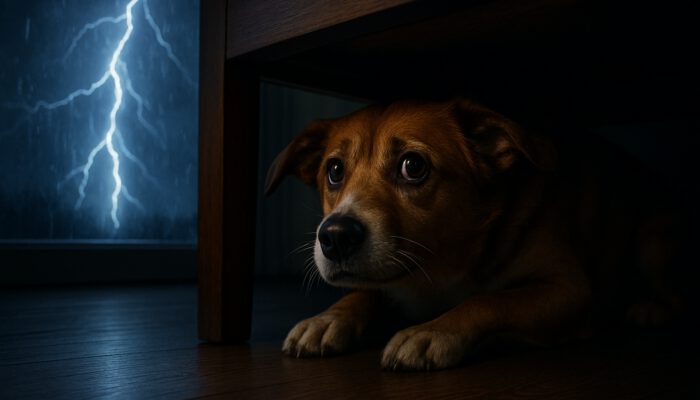
Pet owners frequently observe that sudden loud noises, such as thunderstorms and fireworks, can provoke severe fear responses in their animals. These reactions may manifest as hiding, trembling, or other anxiety-driven behaviors. By carefully monitoring their pets over time, owners can discern patterns in their responses to various stimuli. Recognizing these triggers is vital for crafting effective coping strategies. For instance, while some pets may react intensely to certain sounds, others might exhibit fear in specific scenarios, such as being in an unfamiliar setting during a storm.
Recognizing these triggers demands patience and consistency within daily routines. Owners should log their pets' behaviors during noisy events, looking for signs that indicate distress. This can include maintaining a journal detailing the sounds that incite fear and noting any associated behaviors. This accumulation of data helps clarify the pet’s noise sensitivity, paving the way for targeted interventions. By identifying these recurring patterns, owners can develop strategies to enhance their pets' sense of security.
It is essential to understand that pets do not all respond to noise in the same manner. Some may exhibit aggressive behavior, while others might become withdrawn. Each pet's individual personality significantly influences how they manage stress and anxiety. Acknowledging these differences enables a more personalized approach to treating noise phobia, ultimately fostering improved outcomes for both pets and their owners.
By closely monitoring subtle shifts in pet behavior during noise events, owners can facilitate the early detection of noise phobia. When owners are sensitive to their pets’ reactions, they can employ timely intervention strategies to avert the escalation of anxiety. For example, if a pet begins to show distress at the sound of thunder, creating a safe space or employing calming techniques before the situation escalates can be beneficial. This proactive approach promotes long-term emotional stability in pets.
Early detection also enables the establishment of structured support systems tailored to meet the pet’s unique needs. For instance, a pet showing mild anxiety during storms might benefit from gradual desensitization methods. Such techniques involve exposing the pet to recorded storm sounds at a low volume while providing positive reinforcement. With consistent practice, this can help the pet develop a more resilient response to actual storm events.
Addressing noise phobia early can prevent the emergence of secondary issues, such as destructive behaviors or heightened aggression. By acknowledging and managing noise-related anxiety, owners can cultivate a more harmonious home environment. This proactive approach not only enhances the pet's mental health but also improves the overall quality of life for the entire household.
A systematic assessment of a pet's reactions to various stimuli is essential for determining baseline responses. Owners can observe their pets in diverse situations, noting how they react to different noises. This evaluation may include controlled environments where specific sounds are gradually introduced. By doing this, owners can gauge their pets' comfort levels and tailor their strategies accordingly.
Customized strategies often prioritize gradual exposure and positive reinforcement. For instance, if a dog reacts fearfully to fireworks, owners might begin by playing a low-volume recording of fireworks, rewarding the pet for maintaining calm behavior. Over time, they can gradually increase the sound level as the pet becomes more accustomed to it. This method not only diminishes fear but also strengthens the bond of trust between pet and owner.
Behavioral assessments are also crucial for identifying any underlying issues that may exacerbate noise phobia. For example, a pet with a history of trauma may exhibit heightened sensitivity to loud noises. Understanding these factors enables a more holistic approach to treatment, ensuring that all aspects of the pet’s well-being are taken into account. This comprehensive understanding leads to more effective noise phobia management and enhances the pet's quality of life.
Veterinary professionals often advocate for a combination of medication and behavioral therapy for intricate cases where standard strategies fall short. For instance, a dog experiencing severe anxiety during thunderstorms might benefit from anti-anxiety medication paired with a structured behavioral modification program. This integrated approach addresses both physiological and psychological aspects of the condition, resulting in improved outcomes.
A compelling real-life case involves a dog named Max, who would hide and tremble during thunderstorms. After consulting a veterinarian, his owner implemented a mix of medication and gradual desensitization techniques. Over several months, Max learned to associate the sound of thunder with positive experiences, such as treats and playtime. his anxiety levels significantly decreased, allowing him to remain calm during storms.
These success stories underscore the importance of a personalized treatment approach. Each pet is distinct, and what proves effective for one may not work for another. it is critical for owners to collaborate closely with veterinary professionals to devise individualized plans that cater to their pet's specific needs. This collaborative effort can yield more effective interventions and lasting behavioral improvements.
Experts recommend beginning with a detailed account of incidents related to noise phobia. Owners should record specific events, including the type of noise, the pet’s reaction, and any subsequent behaviors. This information is invaluable for veterinarians in assessing the severity of the issue and determining the most appropriate treatment plan. Creating a timeline of incidents can also assist in identifying patterns and triggers.
Next, controlled testing environments should be established to collect essential data for crafting customized plans. Owners can introduce recorded sounds of varying intensities while closely observing their pets' reactions. This helps determine the threshold at which the pet begins to exhibit signs of anxiety. By closely monitoring these responses, owners can gain a clearer understanding of their pet's comfort levels and design targeted interventions accordingly.
It is vital to work with professionals throughout the assessment process. Veterinarians and animal behaviorists can offer expert insights and recommendations based on their experiences with similar cases. They can assist in interpreting the collected data and suggesting specific techniques to effectively address noise phobia. This partnership ensures that the pet receives comprehensive and tailored care.
An evaluation of various treatment options shows that multimodal approaches often yield better results than relying on a single strategy. For example, integrating desensitization, counterconditioning, and environmental enrichment can create a well-rounded plan that addresses both the emotional and physical dimensions of noise phobia. This comprehensive approach allows for more effective management of the condition.
One effective strategy involves desensitization, where pets are gradually exposed to sounds that trigger their fear. This approach can be complemented with counterconditioning techniques, such as rewarding calm behavior when exposed to these sounds. enriching the pet's environment with toys, puzzles, and safe spaces can help alleviate overall anxiety levels. This combination not only aids pets in coping with noise but also enhances their general well-being.
Expert evaluations also highlight the necessity of ongoing assessment and adjustment of treatment plans. As pets progress, their responses may evolve, requiring modifications to the strategies in use. Regular consultations with veterinary professionals ensure that the treatment remains effective and that the pet continues to flourish. This dynamic strategy contributes to long-term success in managing noise phobia.
Educating pet owners on recognizing early signs of noise phobia is vital for treatment success. Many owners may not recognize that their pets are experiencing anxiety until the behavior escalates. By understanding subtle signs of distress, such as changes in body language or vocalizations, owners can intervene sooner and apply preventive techniques at home. This proactive involvement can significantly mitigate the severity of reactions.
Educating owners on effective management strategies empowers them to create a supportive environment for their pets. For example, owners can learn about soundproofing techniques or calming products, such as pheromone diffusers or anxiety wraps. By integrating these strategies into their daily routines, owners can help their pets feel more secure during noisy events.
Lastly, ongoing education fosters a stronger bond between pets and their owners. When owners understand their pets' needs and behaviors, they can respond with empathy and understanding. This not only enhances the pet's emotional well-being but also enriches the overall relationship, creating a more harmonious home environment. owner education is a pivotal element in the effective management of noise phobia in pets.
Changes in a pet's physical condition can serve as significant indicators of noise phobia. Symptoms such as rapid breathing, elevated heart rate, and excessive salivation often signal distress and necessitate immediate attention. Owners should remain vigilant in observing these signs during noisy events, as they can provide crucial information for veterinary consultations. Documenting these symptoms can aid professionals in evaluating the severity of the condition and recommending suitable interventions.
Beyond immediate physical reactions, prolonged stress can manifest in various ways, including alterations in appetite or sleep patterns. Pets may withdraw or exhibit aggressive behavior as a response to ongoing anxiety. Monitoring these behaviors over time enables owners to identify trends and make informed decisions regarding their pet's care. Maintaining a detailed log of incidents can also facilitate discussions with veterinarians, leading to more effective treatment plans.
Recognizing these physical symptoms is essential for timely intervention. If a pet shows signs of severe distress, such as panting or trembling, owners should act quickly to comfort them. This may involve creating a safe space or applying calming techniques to help the pet regain composure. By addressing these symptoms promptly, owners can prevent further escalation of anxiety and promote a sense of security for their pets.
Monitoring behavioral indicators is crucial for recognizing noise phobia in pets. Owners should pay attention to the following actions during episodes of distress:
These behaviors offer valuable insights into the pet's emotional state and can help owners devise effective management strategies. For example, if a pet consistently hides during thunderstorms, creating a designated safe space can provide comfort during these events. Observing these actions also assists owners in pinpointing specific triggers that contribute to their pet's anxiety.
To tracking these behaviors, it is vital for owners to remain calm and supportive during anxiety episodes. Pets often look to their owners for cues on how to handle stressful situations. By modeling calm behavior and providing reassurance, owners can help their pets feel more secure. This supportive approach is essential for fostering resilience and diminishing the frequency of fear episodes over time.
Assessing anxiety levels through body language analysis supports the development of supportive measures for pets struggling with noise phobia. Subtle cues, such as flattened ears, tucked tails, or avoidance of eye contact, can indicate fear or discomfort. By learning to recognize these signs, owners can better comprehend their pets' emotional states and respond appropriately. This awareness is crucial for creating a nurturing environment that promotes well-being.
To physical cues, vocalizations can offer insight into a pet's emotional state. For example, a dog that barks excessively during thunderstorms may express fear or frustration. By documenting these vocalizations and their contexts, owners can identify patterns that inform their management strategies. This data can also be beneficial when discussing concerns with veterinary professionals.
Evaluating the emotional impact of noise phobia is essential for developing effective coping strategies. By understanding the root causes of their pets' anxiety, owners can implement targeted interventions to address specific fears. This might involve introducing calming techniques or establishing a safe space for the pet during stressful events. a thorough evaluation of emotional impact contributes to a more comprehensive approach to managing noise phobia.
Carefully recording environmental noises that evoke intense fear responses in pets is vital for identifying specific phobia triggers. Common triggers may include thunderstorms, fireworks, or even household appliances like vacuum cleaners. By documenting these sounds and the corresponding reactions from their pets, owners can gain valuable insights into the specific stimuli that incite anxiety. This information is essential for developing tailored treatment plans.
For example, if a pet consistently exhibits fear at the sound of fireworks, owners can focus on desensitization techniques specifically designed for that trigger. This might involve gradually exposing the pet to recordings of fireworks at a low volume while providing positive reinforcement for calm behavior. Over time, this gradual exposure can help reduce the pet's fear response and foster resilience.
Owners should consider the context in which these sounds occur. If a pet is already stressed due to other factors, such as being in an unfamiliar environment, their reaction to a triggering sound may be amplified. By understanding the interplay between various stressors, owners can create a more supportive environment that minimizes anxiety and improves their pet's overall well-being.
Reviewing the history and evolution of symptoms over extended periods reveals consistent patterns in noise sensitivity. Owners should document instances of noise phobia, noting the frequency and intensity of reactions over time. This long-term analysis can help differentiate between temporary anxiety and chronic phobia conditions that necessitate ongoing professional care and support. Identifying these patterns is critical for formulating effective management strategies.
Veterinarians often rely on this historical data to gauge the severity of a pet's noise phobia. For instance, if a pet has consistently demonstrated anxiety during thunderstorms for several years, it may indicate a more entrenched phobia requiring comprehensive intervention. Conversely, if the anxiety appears situational and less frequent, a different approach may be warranted.
Long-term pattern analysis also allows owners to track the effectiveness of implemented strategies. By noting any changes in the pet's behavior in response to treatment, owners can make informed decisions about modifying their approaches. This ongoing evaluation is essential to ensure that the pet receives the appropriate care and support needed to successfully manage noise phobia.
Scientific research demonstrates significant reductions in stress hormones following consistent application of recommended protocols for managing noise phobia in pets. For example, studies have shown that pets participating in structured desensitization programs exhibit lower cortisol levels, indicating decreased stress and anxiety. These findings emphasize the effectiveness of evidence-based practices in enhancing the well-being of pets affected by noise phobia.
Controlled studies have revealed that pets receiving comprehensive treatment plans, including behavioral therapy and environmental modifications, show notable improvements in overall health markers. This includes enhanced appetite, increased engagement in play, and improved social interactions with both humans and other animals. These positive changes contribute to a better quality of life for pets, highlighting the significance of addressing noise phobia holistically.
The evidence gathered from these studies underscores the necessity of implementing structured protocols for managing noise phobia. By utilizing scientifically supported methods, pet owners can foster a more nurturing environment that promotes emotional stability and alleviates anxiety. these research findings reinforce the value of adopting a proactive approach to managing noise phobia in pets.
Data indicates lasting benefits for pets with noise phobia when comprehensive programs are diligently followed over extended periods. Long-term outcomes reveal that pets receiving consistent treatment experience decreased dependency on medication and enhanced adaptability to various sound stimuli. This improvement not only supports the pet's emotional well-being but also cultivates a more relaxed home environment.
For instance, pets undergoing desensitization training often demonstrate a significant reduction in their fear responses over time. This can lead to a decreased reliance on anti-anxiety medications as pets learn to cope more effectively with triggering sounds. Owners frequently report that their pets become more confident and less reactive to previously distressing noises, contributing to a more enjoyable living experience for both the pet and the owner.
Long-term analysis highlights the importance of ongoing support and reinforcement of learned behaviors. Pets benefit from regular follow-ups with veterinary professionals and continued practice of coping strategies. This commitment to maintaining progress ensures that the pet remains resilient in the face of future noise-related challenges, ultimately enhancing their quality of life.
Quantifiable improvements in relaxation responses and willingness to interact underscore the effectiveness of evidence-based practices in successfully managing phobic conditions. Owners often observe that pets who have undergone structured interventions demonstrate marked progress in their ability to remain calm during previously distressing situations. For instance, a dog that once hid during thunderstorms might now rest comfortably in its safe space, indicating a significant reduction in anxiety.
Measurable enhancements can be observed in pets' overall behavior. Increased engagement in play and social interactions with both humans and other pets are common indicators of progress. Owners may notice their pets seeking companionship or participating in activities they previously avoided due to fear. These positive changes reflect the effectiveness of tailored treatment plans and the importance of comprehensively addressing noise phobia.
Ultimately, tracking these measurable improvements not only provides motivation for owners but also reinforces the effectiveness of the strategies being utilized. By documenting progress, owners can celebrate milestones and adjust their approaches as necessary. This ongoing evaluation fosters a sense of accomplishment and encourages a sustained commitment to managing noise phobia in pets.
Desensitization protocols involve gradually introducing sound stimuli at low volumes, paired with rewards to build tolerance in pets. This method allows animals to acclimate to the sounds that trigger their fear, helping them maintain calmness during actual events without developing panic reactions. For example, a pet owner might play recordings of thunder at a low volume while offering treats or praise for calm behavior, gradually increasing the volume over time.
The key to successful desensitization lies in the pace of exposure. Each pet is unique, and some may require more time to adjust than others. Owners should be attentive to their pets' reactions and modify the volume accordingly. If a pet shows signs of distress, it may be necessary to decrease the volume and proceed more slowly. This patient approach fosters a sense of security and trust, allowing pets to build resilience in confronting their fears.
To sound exposure, desensitization can be further enhanced by creating positive associations with the feared stimuli. During training sessions, owners can engage their pets in enjoyable activities, such as playing with their favorite toy or practicing commands. This blend of gradual exposure and positive reinforcement helps pets learn that the previously feared sounds are not threatening, ultimately leading to improved responses during real-life situations.
Counterconditioning techniques focus on pairing noises that trigger fear with positive experiences, transforming negative associations into neutral or favorable ones. This strategy helps pets cultivate resilience and gradually reduces avoidance behaviors over time. For example, if a dog becomes anxious at the sound of fireworks, an owner might play recordings of fireworks while offering treats or engaging in play. This creates a positive association with the previously feared sound.
The effectiveness of counterconditioning relies on consistency and timing. It is crucial for owners to provide rewards immediately after exposure to the triggering sound. This reinforcement helps the pet understand that the noise poses no threat and that positive outcomes can occur in its presence. Over time, pets learn to associate the sound with positive experiences, significantly reducing their anxiety levels.
Counterconditioning can be integrated with other training methods, such as desensitization and positive reinforcement. By combining these techniques, owners can create a comprehensive training plan that addresses their pet's specific needs. This multifaceted approach not only enhances the effectiveness of the training but also fosters a stronger bond between pets and their owners, ultimately leading to better outcomes in managing noise phobia.
Training methods for noise phobia provide numerous advantages for both pets and their owners. Key benefits include:
These benefits underscore the importance of investing time and effort into training methods. As pets become more resilient to noise, they often exhibit more relaxed behavior and greater engagement in daily activities. This not only enhances their quality of life but also fosters a more harmonious home environment for everyone involved.
The positive outcomes of effective training methods can lead to increased peace of mind for owners. Knowing that their pets can manage stressful situations more effectively allows owners to enjoy outings, celebrations, and other activities without the constant worry of their pets' reactions. This sense of security contributes to a more fulfilling pet ownership experience.
Incorporating positive reinforcement through treats, praise, and affection during every successful calm response builds strong neural pathways for relaxation. This strategy encourages pets to associate calm behavior with positive results, reinforcing their ability to cope with noise phobia. For instance, when a pet remains calm during a thunderstorm, owners can reward them with treats and affection, reinforcing that calmness is a desirable behavior.
Consistency in applying positive reinforcement is crucial to its effectiveness. Owners should strive to reward calm behavior immediately after the pet demonstrates it. This immediate reinforcement helps pets connect their behavior with the reward, increasing the likelihood of repeated calm responses in the future. Over time, this can lead to a significant reduction in anxiety during noisy situations.
Positive reinforcement can be combined with other training methods, such as desensitization and counterconditioning. By adopting a holistic approach incorporating various techniques, owners can create a comprehensive training plan that addresses their pet's unique needs. This multifaceted strategy not only enhances the training's effectiveness but also fosters a deeper bond between pets and their owners, ultimately leading to better outcomes in managing noise phobia.
Engaging with professional behaviorists allows for customized desensitization plans that incorporate advanced techniques tailored to each pet's unique requirements. Behaviorists bring extensive knowledge and experience, enabling them to craft personalized strategies that address the specific challenges faced by pets with noise phobia. This individualized approach can lead to quicker phobia resolution and sustained behavioral improvements over time.
During consultations, behaviorists typically conduct thorough assessments of the pet's behavior and environment. They may observe the pet in various situations, noting triggers and responses. Based on this information, behaviorists can recommend specific techniques and interventions designed to help the pet cope with noise-related anxiety. This collaborative effort ensures that the treatment plan is comprehensive and effective.
Follow-up support is also a critical component of professional behaviorist consultations. As pets progress, behaviorists can provide ongoing guidance and adjustments to the training plan as needed. This continuous support helps ensure that the pet remains on track and that any emerging challenges are addressed promptly. working with a professional behaviorist enhances the likelihood of successful outcomes in managing noise phobia.
Utilizing soundproofing techniques can significantly assist in creating quieter spaces where pets can retreat comfortably during challenging situations. Simple measures such as heavy curtains, rugs, or acoustic panels can help muffle external disturbances. These modifications not only reduce noise but also foster a more tranquil environment conducive to relaxation for anxious pets.
To physical barriers, white noise machines can effectively mask sudden loud sounds that trigger fear responses in pets. By providing a consistent background noise, these machines can help drown out distressing sounds, enabling pets to remain calm. Owners should experiment with different settings to find the right balance that works for their pets.
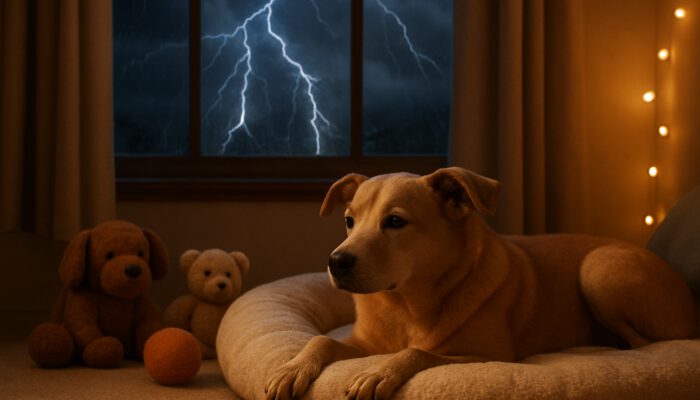
It is also beneficial to designate a specific safe space within the home where pets can retreat during noisy events. This space should be furnished with familiar bedding, toys, and other comforting items. By creating a sanctuary that feels secure, pets are more likely to seek refuge during stressful situations, helping them cope with noise phobia more effectively.
Providing familiar bedding and toys offers security cues that soothe nerves and encourage self-soothing mechanisms in anxious animals. Pets often find comfort in their belongings, and having these items readily available during stressful situations can significantly mitigate anxiety. For instance, a pet’s favorite blanket or toy can serve as a source of comfort when faced with loud noises.
Integrating comfort items into the designated safe space can enhance the effectiveness of this strategy. Owners should ensure that this area contains familiar scents and textures, creating an inviting atmosphere that promotes relaxation. This familiarity can help pets feel more secure and less anxious during challenging situations, such as thunderstorms or fireworks.
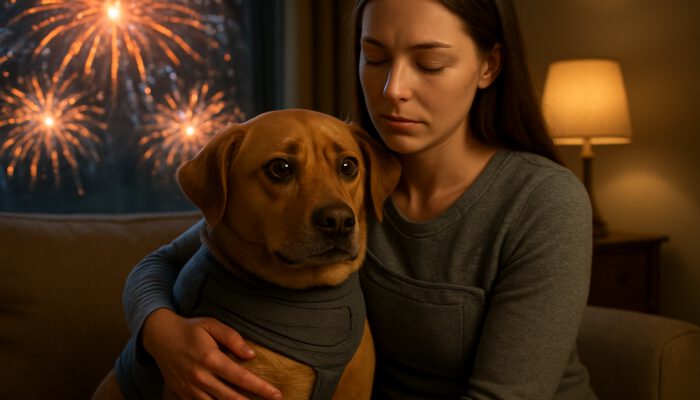
Owners may consider using calming products, such as pheromone diffusers or anxiety wraps, in conjunction with comfort items. These products can further promote relaxation and security, aiding pets in coping with noise phobia more effectively. By combining various strategies, owners can create a comprehensive approach to managing their pets' anxiety, ultimately leading to improved well-being.
Maintaining consistent daily schedules can significantly alleviate overall stress, making pets more resilient to occasional noise exposures. Establishing a routine helps pets anticipate what to expect, which can be particularly comforting during unpredictable situations. For instance, regular feeding times, play sessions, and quiet periods all contribute to a sense of stability and security.
Incorporating calming activities into the daily routine can also bolster resilience. Activities such as gentle play, training sessions, or relaxation exercises can help pets develop coping skills over time. These practices not only enhance emotional well-being but also strengthen the bond between pets and their owners.
Owners should also be mindful of their own behavior during noisy events. By maintaining a calm demeanor and providing reassurance, they can help their pets feel more secure. This supportive approach reinforces the pet's confidence and contributes to a more relaxed atmosphere. establishing a consistent routine fosters a sense of safety and stability, enabling pets to cope more effectively with noise phobia.
Noise phobia in pets refers to an intense fear or anxiety response to certain sounds, such as thunderstorms or fireworks. This condition can lead to distressing behaviors, including hiding, trembling, or excessive vocalizations.
Signs of noise phobia include avoidance behaviors, excessive vocalizations, destructive tendencies, and physical symptoms like rapid breathing or trembling during loud noises.
Common triggers include thunderstorms, fireworks, loud vehicles, and household appliances. Each pet may have unique triggers that incite anxiety.
Assisting a pet with noise phobia involves creating a safe environment, utilizing desensitization techniques, and providing positive reinforcement during noisy events.
Yes, consulting a veterinarian is essential for assessing the severity of noise phobia and developing an appropriate treatment plan tailored to your pet's needs.
Yes, veterinarians may prescribe anti-anxiety medications for pets with severe noise phobia, often in combination with behavioral therapy to achieve the best results.
Desensitization training involves gradually exposing pets to the sounds that trigger their fear at low volumes while rewarding calm behavior, helping them build tolerance over time.
Improvements vary by pet, but consistent application of training techniques can yield noticeable changes within weeks to months, depending on the severity of the phobia.
Yes, calming products such as pheromone diffusers, anxiety wraps, and calming treats can help mitigate anxiety in pets during stressful situations.
Owner education is crucial for recognizing early signs of noise phobia and implementing effective management strategies, significantly improving outcomes for affected pets.
Tags
Essential Steps for Assembling Your Puppy’s Crate Accurate Measurements for Your Puppy’s Size To guarantee that your puppy’s crate is both comfortable and secure, precise
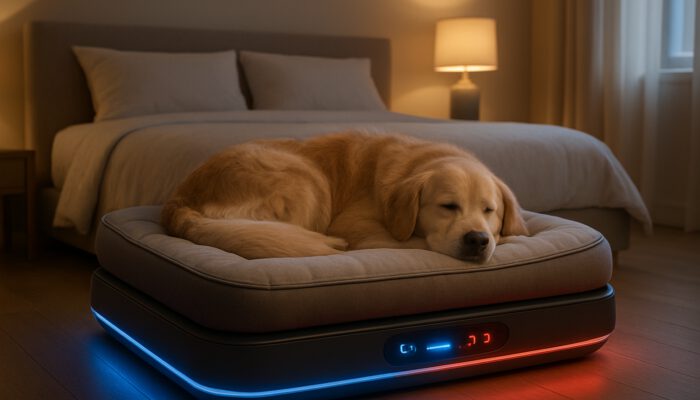
Understanding the Features of Temperature-Controlled Pet Beds Key Components of Temperature-Controlled Beds The essential elements that enable temperature-controlled beds for pets to maintain comfortable temperatures
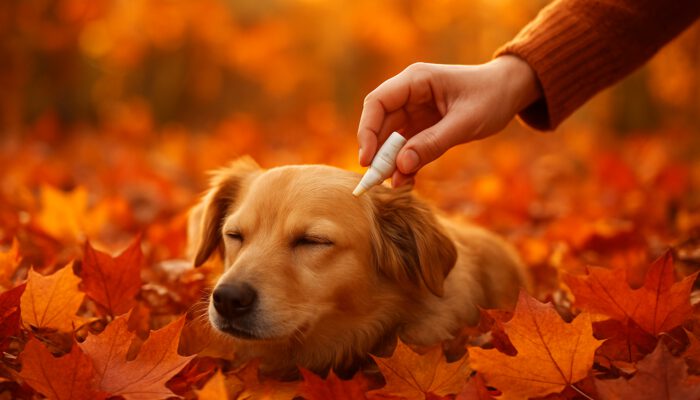
Navigate Seasonal Flea Challenges for Your Pets How to Spot the Early Signs of Flea Infestation Early detection of flea activity is essential for pet
By subscribing to our newsletter you agree to our Terms and Conditions and Privacy Policy
I find the exploration of augmented reality games specifically designed for dogs to be quite fascinating, especially in the context of our increasingly tech-driven lives. It’s impressive how technology can be harnessed to enrich our pets’ lives, addressing both their physical and mental needs in a way that traditional toys might not fully achieve.
You raise an interesting point about augmented reality games for dogs and how they tap into the needs of our pets in novel ways. It can be easy to think of pet entertainment as simply tossing a ball or providing a chew toy, but the idea of using technology to stimulate both the physical and mental well-being of dogs is quite innovative.
You bring up a really interesting point about how augmented reality games can enhance our dogs’ lives. It’s like we’re entering a new age where our pups can join in on the tech revolution. I mean, who would have thought Fido would be chasing digital squirrels instead of just sniffing up the yard?
I’m glad you found the topic intriguing! If you’re interested in exploring some innovative augmented reality games for dogs, check out this link to see how technology is enhancing pet playtime.
https://elgatoencasa.com/vet
It’s really fascinating to think about how technology is weaving its way into our relationship with our dogs. The image of Fido chasing digital squirrels instead of just patrolling the backyard is a playful nod to how far we’ve come—and how much further we can go. The idea of augmented reality (AR) not only enhances their playtime but also provides mental stimulation that’s essential for our pups. It’s a whole new realm of enrichment that we didn’t have just a few years back.
Absolutely, it’s such an exciting time for pet parents! If you’re curious to see some amazing augmented reality games that can keep Fido entertained and engaged, be sure to check out this link!
https://elgatoencasa.com/vet
You’re so right about how technology is reshaping our relationships with our pets. It’s interesting to consider how something like augmented reality can not only entertain but also provide essential mental stimulation for dogs, which is often overlooked. I’ve noticed that many dogs, especially those with a lot of energy, can really benefit from activities that challenge them mentally, not just physically.
You’ve captured a really fascinating aspect of the evolving relationship between technology and our pets. The idea of using augmented reality as a tool for mental stimulation is one that deserves more attention. Many pet owners focus on physical exercise, which is definitely important, but mental engagement is key for a well-rounded dog. It’s often the case that high-energy dogs become bored and restless when they don’t have enough mental challenges, leading to behaviors we might interpret as disruptive.
Absolutely! If you’re interested in exploring how augmented reality can enhance mental stimulation for your dog, check out this resource that delves into some exciting options!
http://elgatoencasa.com/vet
You’ve tapped into something really fascinating here. The idea of our dogs interacting with augmented reality is not just about entertainment; it opens up a whole new world of engagement for them. Traditional playtime often revolves around physical toys or simple fetch games, but adding a digital layer can stimulate their minds in ways we’re just starting to explore.
I completely agree; the intersection of technology and our pets’ well-being is such an intriguing area. Augmented reality for dogs offers a unique approach to keeping them stimulated in ways traditional toys can’t. I recently read about a company that creates AR experiences specifically tailored for different breeds, aiming to engage their unique instincts and play styles. It’s interesting to see how these games can help with training and behavior while providing mental enrichment.
You’ve highlighted a fascinating aspect of this discussion, and it really draws attention to how technology can redefine the way we care for our pets. The idea of using augmented reality for dogs not only taps into their natural instincts but also opens up new avenues for interaction that traditional methods might miss.
It’s interesting to think about how augmented reality games could redefine the way we engage with our dogs. You’re right in noting that traditional toys often don’t cater to the complex needs of pets, both mentally and physically. For dogs, boredom can lead to behavioral issues, so finding innovative ways to stimulate them is crucial.
It’s interesting to see how games designed for our dogs can not only keep them active but also stimulate their minds, much like the innovative augmented reality options we’re beginning to explore.
‘Fetch Games for Energetic Dogs: Unleash Fun and Fitness’
https://elgatoencasa.com/fetch-games-for-energetic-dogs-unleash-fun-and-fitness/.
You’re hitting the nail on the head about the boredom blues for dogs. It’s like a doggie version of Netflix—all of a sudden, they’ve watched every show and need something fresh to keep their tails wagging. Augmented reality games could be the new “blockbuster” in their lives, turning a simple fetch into a whole adventure.
Absolutely! If you’re curious about how innovative games can enhance your dog’s playtime and keep their minds engaged, check out this insightful article on fetch games designed for energetic pups: [Fetch Games for Energetic Dogs: Unleash Fun and Fitness](https://elgatoencasa.com/fetch-games-for-energetic-dogs-unleash-fun-and-fitness/). It’s a great read for every dog owner looking to boost their furry friend’s play experience!
http://elgatoencasa.com/vet
You’ve really nailed it with the doggie boredom analogy. It’s fascinating how, just like us, dogs can hit that wall where familiar games no longer spark joy. Augmented reality games are such an interesting idea; I can definitely see how mixing in technology could lead to some exciting new adventures for our pups.
The concept of augmented reality games for dogs is truly fascinating, blending our love for technology with the well-being of our pets. I can already envision a future where dogs can engage in dynamic environments from the comfort of our living rooms, alleviating some of the challenges of urban living with limited space for play.
You’ve captured the essence of augmented reality games for dogs beautifully. It’s exciting to think about how technology can enhance our pets’ lives, especially in bustling urban environments where space can be a real challenge. Imagine a scenario where a dog can chase virtual squirrels or play interactive fetch right in the living room. It’s a neat way to stimulate their minds and bodies without needing a dog park nearby.
I found the concept of augmented reality games for dogs incredibly fascinating, especially given how technology continues to seep into every aspect of our lives, including how we engage with our pets. It really speaks to the innovative ways we can enhance the quality of life for our furry friends, particularly in a world where they might be spending more time indoors than ever before.
The rise of augmented reality games for dogs does open up some interesting avenues for interaction and engagement. With many pets spending more time indoors, especially in urban settings, it’s essential to think creatively about how we can keep them mentally stimulated and physically active. These technologies can provide a unique solution to this challenge, allowing dogs to enjoy interactive play that mimics the natural instincts they have.
“I’m glad you found it fascinating! If you’re interested in exploring how augmented reality games can benefit your dog, check out this exciting resource that dives deeper into the possibilities.”
https://elgatoencasa.com/vet
It’s fascinating to see how augmented reality (AR) is making its way into the realm of pet care, particularly with games tailored for our dogs. The concept of blending our pets’ natural instincts with digital engagement is not just innovative; it signifies a shift in how we think about play and exercise for our furry friends.