


Crate Setup for Puppy Comfort: Tips for a Cozy Space
Essential Steps for Assembling Your Puppy’s Crate Accurate Measurements for Your Puppy’s Size To guarantee that your puppy’s crate is both comfortable and secure, precise
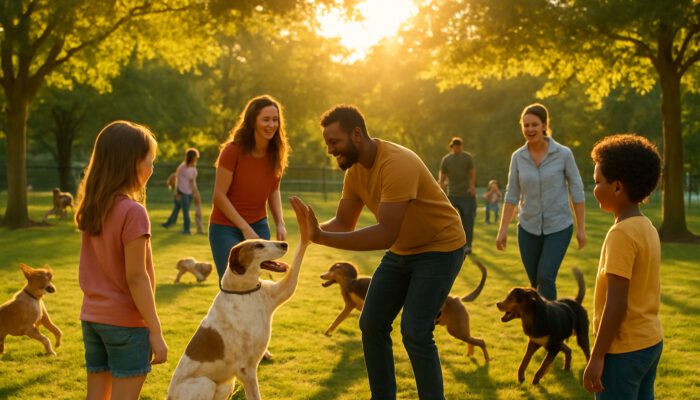
Table of Contents
Toggle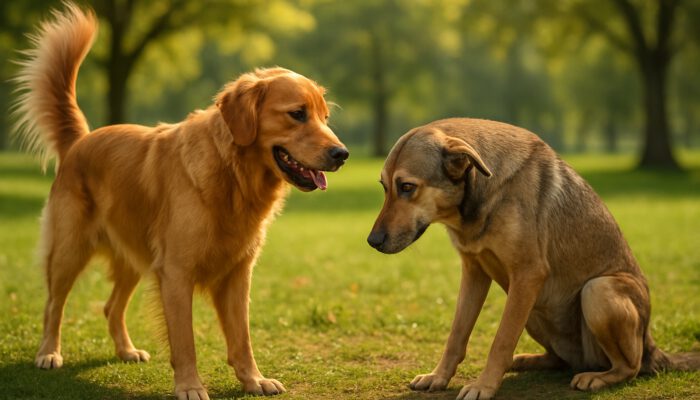
Dogs primarily use body language to communicate, making their greetings a vital aspect of their social interactions. Important elements like tail posture, ear positioning, and overall stance reveal their feelings and intentions. For example, a wagging tail usually signifies joy, while ears pulled back may indicate fear or submission. Pet owners who grasp these signals can effectively manage their dogs' interactions, leading to more enjoyable experiences in shared environments.
Being able to identify early signs of comfort or stress helps dog owners guide their pets during initial encounters with new friends. By carefully observing their dogs’ body language, owners can step in when needed, fostering friendly interactions and reducing the risk of conflicts. This awareness creates a safer space for both dogs and their handlers, promoting successful socialization.
Successful communication between dogs hinges on accurately interpreting their signals. Vocalizations, such as barks or growls, along with changes in body posture, offer insights into their emotional states. For instance, a high-pitched bark may indicate playfulness, whereas a low growl could suggest discomfort or potential aggression. Paying close attention to these vocal and physical cues can lead to smoother interactions among dogs.
Owners who master the art of reading these signals can intervene at critical moments, helping maintain harmony during social exchanges. This proactive approach not only mitigates potential conflicts but also fosters repeated positive interactions over time. By cultivating an environment of understanding, owners can significantly improve their dogs' social skills and overall happiness.
Establishing trust between dogs during their interactions is essential for their social growth. Here are some significant advantages of consistent practice sessions focused on building trust:
Through these repeated experiences, dogs learn to navigate social situations more effortlessly. As they grow more comfortable, they will likely display improved behavioral patterns, making future encounters less daunting. This gradual method fosters a sense of security, allowing dogs to flourish in social environments.
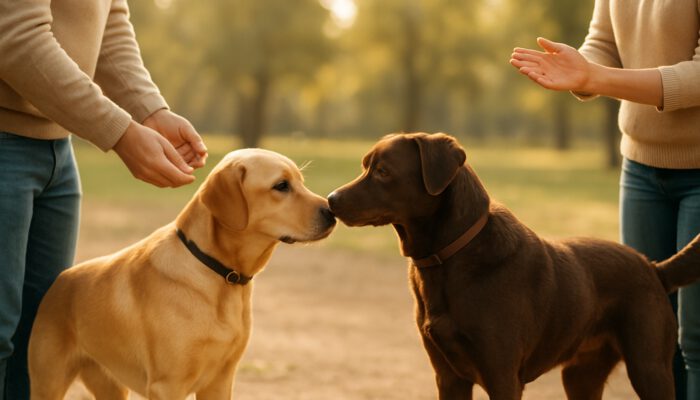
Effectively managing initial interactions between dogs is crucial for successful socialization. Facilitated meetings in neutral areas can create a foundation for positive experiences. Utilizing treats and verbal praise to reward calm behavior reinforces desirable actions and helps prevent misunderstandings that could escalate into conflicts. For instance, if a dog remains composed during a greeting, acknowledging that behavior encourages similar reactions in the future.
By carefully managing these early interactions, owners can pave the way for successful future engagements among their canine companions. This proactive approach not only supports the dogs but also empowers their human caretakers to nurture positive relationships. fostering a supportive environment encourages dogs to engage in healthy play behaviors, enhancing their social abilities.
Experienced trainers often observe that calm introductions between dogs lead to enduring play partnerships. For example, a trainer might witness how introducing a timid dog to a gentle, well-adjusted companion can help boost the former's confidence. These successful pairings frequently cultivate emotional resilience in dogs, allowing them to interact more freely in social settings.
Such observations offer invaluable insights for dog owners, equipping them with practical skills for everyday application. By understanding the dynamics at play during these interactions, owners can facilitate better experiences for their pets. This knowledge not only enhances the well-being of the dogs but also strengthens the bonds between them and their human companions.
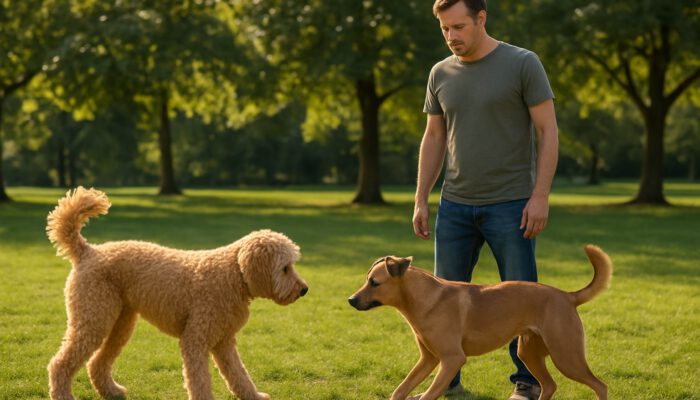
Carefully monitoring interactions among dogs is critical for ensuring positive experiences. Experts suggest starting with short, supervised sessions to evaluate each dog’s initial responses. Gradually extending the duration of these interactions allows owners to assess preferences and adjust their strategies accordingly. For example, if one dog displays signs of discomfort, it may be prudent to shorten the session or provide extra support.
By paying attention to individual preferences, owners can fine-tune their future approaches, maximizing learning opportunities for all involved. This tailored strategy not only aids dogs in developing social skills but also cultivates a more harmonious atmosphere for everyone participating. With vigilant observation and timely adjustments, owners can enhance their dogs' social experiences over time.
Monitoring progress in a dog's social development can yield valuable insights into their unique personality traits. Keeping detailed records of response times and recovery from minor setbacks can highlight patterns that inform training techniques. For instance, if a dog consistently responds well to specific types of social interactions, owners can focus on those scenarios to reinforce positive behaviors.
Recognizing these patterns allows owners to refine their training methods, promoting lasting social confidence across various encounters. By documenting progress, owners can pinpoint areas for improvement and celebrate achievements, fostering a positive reinforcement cycle. This analytical approach benefits not only the dog but also empowers owners to become more effective guides in their pets' social journeys.
Visitors to dog parks often face challenges such as resource guarding or overstimulation during interactions. Resource guarding occurs when a dog becomes possessive over toys or food, potentially leading to conflicts. Experts recommend tailored intervention strategies, such as redirecting attention or providing alternative toys, to enhance adaptability among dogs.
Overstimulation can also pose a significant challenge, particularly in busy environments. Recognizing signs of stress in dogs, such as excessive barking or pacing, empowers owners to take preventive measures. By addressing these common issues with effective strategies, both pets and their handlers can enjoy more harmonious interactions. This proactive approach enhances the dog park experience and builds confidence in navigating social situations.
Dog parks serve as excellent venues for human socialization, offering opportunities for dog owners to share advice and build community connections. Engaging with fellow dog enthusiasts fosters interpersonal skills, as individuals exchange experiences and tips on training, health, and care. This supportive atmosphere enriches the overall pet care knowledge available to all participants.
The friendships that blossom in dog parks often extend beyond the park itself, creating a community of support that enhances the lives of both humans and their pets. As owners interact with one another, they cultivate a sense of belonging, further improving their social skills and overall well-being.
Observing dogs in action during playtime reveals their preferences for specific activities. For instance, some may favor chasing games, while others enjoy wrestling or tug-of-war. By watching these interactions closely, owners can identify compatible play partners, reducing the risk of unnecessary conflicts. This informed decision-making contributes to smoother play experiences and facilitates positive socialization.
Understanding these visual cues allows owners to intervene effectively when needed. If a dog appears overwhelmed or disinterested, recognizing these signals can prompt a change in activity or a much-needed break. By adapting to their dogs' needs, owners can ensure that playtime remains enjoyable and constructive, fostering healthy social interactions.
Identifying the precise moment when excitement peaks during play is essential for preventing escalation. For instance, if two dogs are energetically playing, an observant owner can step in before the excitement escalates into roughhousing. Teaching dogs self-regulation skills at these critical moments can translate into improved emotional management in their daily lives.
Consistent application of this timing by attentive caregivers reinforces positive behaviors and promotes a calmer demeanor. Over time, dogs learn to self-regulate their excitement levels, leading to more enjoyable interactions in a variety of social settings. This skill not only enriches their play experiences but also contributes to their overall behavioral development.
Frequent observations of dogs interacting in social settings can reveal individual learning curves that inform training strategies. Some dogs may quickly adapt to new playmates, while others may take longer to build confidence. By tracking these patterns, owners can customize their support to accelerate the development of appropriate responses in diverse social situations.
For example, a dog that initially struggles with greeting new companions may gradually grow more comfortable with repeated exposure. Recognizing these patterns enables owners to appreciate progress and adjust their strategies accordingly. This ongoing assessment nurtures a supportive environment that encourages dogs to thrive socially.
Carefully observing subtle body language during interactions is crucial for accurately interpreting the emotional and physical states of dogs. For instance, a dog that leans away or avoids eye contact may feel anxious, while one approaching with a relaxed demeanor is likely comfortable. Grasping these signals fosters deeper connections and enhances the ability to respond appropriately.
Timely reactions to these body language cues can significantly affect a dog's well-being. By stepping in when necessary, owners can alleviate stress and promote positive experiences. This practice strengthens the bond between humans and dogs over time, creating a more harmonious relationship that benefits both parties in social settings.
Research shows that regular exposure to social environments, such as dog parks, leads to observable increases in a dog's confidence. Dogs that frequently engage with other canines tend to approach new experiences with greater ease, resulting in calmer reactions during unexpected encounters. This newfound confidence not only enhances their social abilities but also strengthens their bond with their owners.
As dogs become more at ease in social settings, they are less likely to exhibit anxiety or aggression. This transformation translates into improved interactions at home and within the community. Owners who prioritize socialization can witness the positive effects of these experiences on their dogs' overall behavior and well-being.
Long-term observations of dogs that regularly visit dog parks highlight sustained improvements in impulse control. For instance, a dog that initially struggled with jumping on guests may learn to greet them politely over time. Owners who consistently apply learned principles at home can see these positive changes extend beyond the park, positively influencing household dynamics.
These real-life instances underscore the importance of ongoing socialization and training. By reinforcing positive behaviors acquired in dog parks, owners can cultivate a more harmonious home environment. The skills developed in these social settings contribute to a dog's overall behavior, enhancing their interactions with both people and other animals.
Incorporating social skills learned in dog parks into everyday routines can reinforce essential lessons for dogs. Simple practices, such as brief review sessions after each outing, help embed these social abilities into daily life. For example, taking a moment to reward a dog for calm behavior after a visit can strengthen the positive associations connected to socialization.
Integrating training exercises during walks or playtime can solidify these skills. Owners can practice commands or engage in structured play to reinforce social behaviors. By consistently incorporating these practices, owners can help their dogs develop strong social skills that enhance their overall quality of life.
Adjusting tone and volume during commands can greatly enhance communication with dogs. A calm, assertive voice conveys authority, while an enthusiastic tone can signal encouragement during play. By varying vocal modulation, handlers deliver clearer messages that dogs are more likely to respond to, facilitating quicker learning and reducing misunderstandings.
This approach proves especially effective in group settings with multiple dogs. By using distinct commands and tones, owners can guide their pets more efficiently, ensuring that everyone remains engaged and focused. This clarity in communication enhances the overall experience for both dogs and their handlers.
Strategic body positioning during interactions can effectively signal support or provide redirection to dogs. For example, standing with an open posture conveys encouragement, while placing oneself between two dogs can prevent potential conflicts. By being mindful of their body language, handlers can subtly guide interactions while maintaining a relaxed environment.
This technique allows dogs to explore their surroundings naturally while still feeling supported by their owners. By fostering a calm atmosphere, handlers can encourage healthy social behaviors and facilitate positive interactions among dogs. This thoughtful approach enhances the overall experience for both pets and their human companions.
Delivering praise or treats immediately following desired behaviors is critical for rapidly reinforcing associations. For instance, if a dog sits quietly while waiting for a greeting, rewarding that behavior promptly solidifies the action. This immediate feedback helps dogs understand which behaviors are favorable and motivates them to repeat those actions in the future.
Consistent reward timing can significantly enhance a dog's responsiveness during social interactions. By establishing clear connections between behavior and reward, owners can improve their pets' learning experiences and cultivate a more positive social environment. This practice benefits both the dog and strengthens the bond between the pet and its handler.
Integrating multiple sensory inputs during training can cultivate robust responses in dogs, enabling them to withstand distractions. For example, using a mix of verbal commands, hand signals, and visual cues can enhance a dog's comprehension of expectations. This layered approach promotes adaptable social abilities that are practical in the diverse environments encountered in daily life.
Engaging multiple senses creates a richer training experience. This method not only aids dogs in learning more effectively but also keeps them motivated and involved. As dogs become adept at these layered techniques, they build the confidence to navigate various social situations with grace.
Regular evaluations of interaction quality provide insightful feedback on retained skills and areas that may need refreshing. Owners can observe how their dogs react to different social situations, noting improvements in confidence and behavior over time. For instance, a dog that once hesitated to approach new friends might show increased eagerness after consistent socialization.
Assessing long-term growth allows owners to acknowledge successes and identify necessary adjustments in training. This ongoing evaluation ensures continuous improvement without overwhelming the participants. By recognizing growth, owners can create a positive environment that encourages their dogs to flourish socially.
Introducing creative variations in activities can help sustain motivation during training and socialization. For example, incorporating new games or changing play locations can keep dogs engaged and stave off boredom. This strategy not only enhances their social skills but also promotes ongoing development of refined abilities over extended periods.
By maintaining a dynamic training environment, owners can nurture a love for learning in their dogs. This enthusiasm translates into increased engagement during social interactions, promoting enjoyable experiences. As dogs stay motivated, they are more likely to develop strong social skills that serve them well in various contexts.
Implementing scenario-based exercises in diverse and realistic environments enhances the practical application of learned skills. For instance, practicing greetings with other dogs in various settings, such as parks or streets, can prepare dogs for unpredictable social encounters. This real-world integration facilitates smoother transitions from controlled training environments to daily interactions.
By exposing dogs to a range of scenarios, owners help them cultivate the confidence needed to navigate various social situations. This preparedness not only benefits the dogs but also empowers owners to guide their pets effectively. this method fosters a more enriching social experience for both dogs and their human companions.
Socializing your dog at a dog park can boost their confidence, alleviate anxiety, and enhance their overall behavior. Regular interactions with other dogs help them develop crucial social skills, making them more adaptable in various situations.
Signs that your dog is at ease include a relaxed body posture, a wagging tail, and playful behavior. If your dog approaches other dogs or people with curiosity, it suggests they feel comfortable in the environment.
If your dog shows aggression, calmly remove them from the situation. Assess the triggers and consider seeking guidance from a professional trainer to manage aggressive behaviors effectively.
Begin with brief, positive interactions with calm dogs and gradually increase exposure. Use treats and praise to reward confident behavior, building their self-esteem over time with consistent practice.
Start socializing your puppy as early as 8 weeks old. Exposing them to a variety of environments, people, and other dogs during their critical socialization window helps them grow into well-adjusted adults.
While many breeds can thrive in dog parks, safety varies based on individual temperament and behavior. Closely monitor interactions and ensure that all dogs present are well-socialized and non-aggressive.
To manage excitement, practice calming techniques before playdates, such as brief training sessions. Use commands to redirect focus and reward calm behavior to reinforce self-control during interactions.
Essential items include water, a leash, waste bags, and treats. Consider bringing toys to encourage play, but ensure they are safe and suitable for group settings.
The frequency of visits depends on your dog's social needs and energy levels. Regular trips, ideally several times a week, can help reinforce social skills and provide necessary exercise.
Yes, dog parks can reduce anxiety by creating opportunities for positive social interactions. Gradual exposure to new dogs and environments can build confidence and diminish fear-based behaviors.
Tags
Essential Steps for Assembling Your Puppy’s Crate Accurate Measurements for Your Puppy’s Size To guarantee that your puppy’s crate is both comfortable and secure, precise

Understanding the Features of Temperature-Controlled Pet Beds Key Components of Temperature-Controlled Beds The essential elements that enable temperature-controlled beds for pets to maintain comfortable temperatures
Navigate Seasonal Flea Challenges for Your Pets How to Spot the Early Signs of Flea Infestation Early detection of flea activity is essential for pet
By subscribing to our newsletter you agree to our Terms and Conditions and Privacy Policy