


Discover the Fascinating History and Origins of Weimaraner Hunting Companions
Understanding the Development of Weimaraners as Hunting Dogs

Weimaraner Hunting Companions: The Weimaraner breed emerged specifically to meet the demands of hunting, evolving into a versatile hunting dog adept at tracking and retrieving a variety of game. This unique breed traces its roots back to the early 19th century in Germany, where aristocratic hunters sought a dependable companion for large-game hunting, specifically deer and boar. The careful selection of breeding stock combined various traits from several breeds, including the Bloodhound and German Shorthaired Pointer, to produce a dog renowned for its acute sense of smell, intelligence, and agility in the field. Through meticulous breeding practices, the Weimaraner's abilities were honed to create a remarkable hunting companion that excels across a range of scenarios.
As hunting techniques and practices evolved, the Weimaraner adapted alongside these changes. This breed has demonstrated a remarkable capacity to adapt to diverse hunting environments and methodologies, demonstrating its ability to work seamlessly with hunters, whether in dense forests or expansive open fields. The ongoing commitment to enhancing their hunting skills has remained paramount, ensuring that Weimaraners continue to excel in the modern hunting landscape.
Identifying Key Characteristics of Weimaraners
Weimaraners are easily identifiable thanks to their distinctive, sleek, grey coat, which serves not only an aesthetic purpose but also enhances their functionality as hunting companions. This coat provides camouflage that enhances hunting success. Beyond their striking appearance, Weimaraners are celebrated for their energetic, loyal nature—attributes vital to effective hunting partnerships. Their high intelligence allows them to grasp commands swiftly, making them exceptionally trainable for the specific tasks associated with hunting.
The physical attributes of Weimaraners play an essential role in their hunting capabilities. With a lean, athletic build, these dogs possess the stamina and speed to pursue game over long distances. Their strong legs enable them to traverse rugged terrain effortlessly, while their acute eyesight and exceptional sense of smell are invaluable for tracking and locating game. This combination of traits not only empowers Weimaraners to thrive in hunting situations but also fosters a profound bond with their handlers, enhancing their effectiveness as hunting partners.
Examining the Evolution of Weimaraners' Hunting Roles
The roles of Weimaraners in hunting have transformed significantly over time, adapting to changing hunting practices and the various types of game pursued worldwide. Initially bred primarily for large-game hunting, Weimaraners have evolved into versatile dogs capable of performing a wide range of tasks. This evolution has allowed them to excel in diverse environments, ranging from upland game hunting in European fields to waterfowl hunting in wetlands around the world.
In recent years, the growing popularity of hunting across regions has led to greater recognition of Weimaraners for their adaptability. Whether flushing birds from cover or retrieving ducks from water, these dogs have proven their ability to thrive in a variety of hunting scenarios. Their innate flexibility is complemented by an instinct that enables them to assess and respond effectively to diverse hunting environments, making them reliable companions in any situation.
Understanding the Impact of Early Breeding Practices on Weimaraners

Early breeding practices for Weimaraners significantly influenced their hunting abilities, emphasizing key traits such as stamina, intelligence, and a keen sense of smell. Breeders strategically prioritized these characteristics to ensure that the dogs could withstand the physical demands of hunting while maintaining their effectiveness in tracking and retrieving. The focus on stamina enables Weimaraners not only to cover long distances but also to sustain their energy levels throughout prolonged hunting sessions.
Furthermore, Weimaraners' intelligence allows them to adapt their strategies to the specific type of game being pursued. This adaptability results from selective breeding practices that sought to enhance cognitive abilities alongside physical prowess. Consequently, Weimaraners exhibit an exceptional aptitude for mastering complex tasks, thereby solidifying their reputation as one of the premier hunting companions available to sports enthusiasts globally.
Gaining Expert Insights on Weimaraner Hunting Companions
Implementing Effective Training Techniques for Weimaraners in the Field
To ensure Weimaraners excel in their hunting endeavors, effective training is essential, as it prepares them for the diverse array of tasks they will encounter in the field. Successful training requires understanding their instincts and behaviors, enabling handlers to tailor their strategies for optimal results. Key training techniques that are particularly beneficial for enhancing hunting skills include:
- Obedience training to establish reliability in various situations.
- Tracking exercises to improve scent detection capabilities.
- Retrieval training using dummies or an actual game to instill proper techniques.
- Socialization to expose the dog to different environments, sounds, and animals.
- Positive reinforcement methods to promote desired behaviors.
- Desensitization to gunfire to ensure comfort during hunting.
- Conditioning for stamina and endurance to prepare for extended hunts.
- Controlled exposure to various terrains to enhance adaptability.
Incorporating these techniques into a comprehensive training routine not only establishes a solid base for hunting but also strengthens the bond between the Weimaraner and its handler. Consistent practice in diverse scenarios is vital for cultivating the skills necessary for success in the field. Additionally, recognizing each dog's unique personality can help trainers modify their methods, leading to improved outcomes and a more enjoyable hunting experience.
Prioritizing Health and Care for Weimaraners in Hunting

Addressing health considerations for Weimaraners used in hunting is critical, as their physical performance directly influences their hunting capabilities. Maintaining optimal health for a Weimaraner involves regular veterinary check-ups, a balanced diet, and proactive monitoring for breed-specific health issues. Common health concerns that owners should be aware of include hip dysplasia, bloat, and certain genetic disorders, which require careful management to ensure the dog's well-being.
Routine veterinary visits are essential for identifying potential health issues before they escalate, allowing for prompt intervention. Nutrition plays a pivotal role in maintaining Weimaraners' stamina and agility; thus, a diet rich in high-quality protein and essential nutrients is vital. Additionally, monitoring the dog's weight and providing appropriate exercise will help prevent obesity, which can hinder performance during hunting.
In addition to focusing on physical health, mental well-being is equally important for Weimaraners. These dogs thrive on mental stimulation, and engaging them in activities beyond hunting can significantly enhance their overall quality of life. Involvement in canine sports, interactive play, and obedience training sessions can help keep their minds sharp and engaged, ultimately leading to a more balanced and focused hunting companion.
Exploring Behavioral Traits That Enhance Weimaraners' Hunting Skills
Weimaraners exhibit a variety of behavioral traits that significantly enhance their hunting capabilities, including high energy levels, intelligence, and a strong prey drive. These characteristics make them exceptional hunting partners, as their energetic nature allows them to cover large distances rapidly. At the same time, their intelligence enables them to learn and adapt to complex tasks effectively.
The strong prey drive in Weimaraners fuels their motivation to hunt, resulting in a focused, determined approach in the field. This instinctual behavior is advantageous when tracking game, as it fosters persistence and dedication to the task at hand. Their agility and speed further enhance their capacity to navigate challenging terrain, ultimately improving their effectiveness during hunts.
These behavioral traits can be further developed through targeted training, allowing handlers to harness their instincts and refine their skills. Encouraging positive behaviors while redirecting any negative tendencies can help establish a harmonious working relationship between the Weimaraner and its owner, leading to greater success in hunting endeavors.
Realizing the Benefits of Weimaraner Hunting Companions
Capitalizing on Weimaraners' Versatility in Diverse Hunting Scenarios
One of the most significant advantages of using Weimaraners as hunting companions is their remarkable versatility across a wide range of hunting scenarios. Their adaptability enables them to excel across multiple hunting environments, accommodating a range of game and hunting styles. From upland bird hunting to waterfowl retrieval, Weimaraners have proven their ability to transition seamlessly between roles, making them invaluable partners for hunters.
In upland hunting scenarios, Weimaraners effectively flush birds from cover, showcasing their agility and keen sense of smell. This capability is further enhanced by their ability to work either at a distance or in proximity, depending on the hunter's preferences. Similarly, in waterfowl hunting, Weimaraners excel as retrievers, displaying a natural affinity for water and an instinctive drive to fetch game efficiently.
This adaptability extends beyond specific types of game; Weimaraners are also capable of adjusting to various hunting techniques. Whether a hunter prefers to walk and flush or set up for a stationary hunt, Weimaraners instinctively adjust their approach, demonstrating their ability to read the situation and respond appropriately. This flexibility ensures they remain effective regardless of the hunting scenario.
Building Loyalty and Bonding with Weimaraners
The strong emotional bond between Weimaraners and their owners significantly enhances their effectiveness as hunting companions. This loyalty stems from the breed's affectionate nature, as Weimaraners thrive on companionship and close relationships with their human partners. Such emotional connections foster trust and deepen communication, both of which are essential in the hunting environment.
When a Weimaraner shares a strong bond with its owner, it is more likely to be responsive and attentive in the field. This loyalty translates to a readiness to work hard, follow commands, and maintain focus on the tasks at hand. Moreover, the emotional connection encourages the dog to stay close to its handler, ensuring synchronized actions during the hunt.
Establishing this bond requires time and effort, necessitating consistent training, socialization, and positive shared experiences. Engaging in various activities—such as hiking, playing fetch, or simply spending quality time together—can significantly strengthen this connection, ultimately leading to a more successful hunting partnership. The loyalty of a Weimaraner not only enhances performance but also elevates the overall hunting experience.
Maximizing Efficiency in Tracking and Retrieving with Weimaraners
Weimaraners are exceptionally efficient at tracking and retrieving game, making them a valuable asset in the field. Their keen sense of smell allows them to locate game rapidly, a crucial factor in hunting situations where both time and accuracy are paramount. This efficiency is a result of their instincts, further refined through focused training.
In tracking scenarios, Weimaraners excel at scent detection, using their acute olfactory skills to follow trails and locate game. Their determination and persistence often lead to successful finds, which is essential for hunters aiming to maximize their harvest. Additionally, their agility and speed enable them to navigate diverse terrain effectively, enhancing overall tracking efficiency.
During retrieval tasks, Weimaraners demonstrate remarkable capabilities, often returning game with care and precision. Their instinctual drive to fetch is complemented by a strong desire to please their owners, ensuring they execute this task effectively. This combination of traits not only improves field efficiency but also streamlines the hunting process, ultimately benefiting the hunter and increasing the success of each outing.
Recognizing Weimaraners' Endurance and Stamina for Long Hunts
Another noteworthy advantage of Weimaraners is their exceptional endurance and stamina, qualities that enable them to maintain high performance throughout lengthy hunting expeditions. These attributes are particularly valuable in hunting scenarios that demand sustained activity, such as tracking game over vast distances or participating in all-day hunts.
Weimaraners are built for endurance, with lean, muscular bodies that enable them to run and work tirelessly. This physical capability is crucial for hunters who may require their dogs to cover extensive areas or engage in prolonged activities. The breed's stamina ensures they remain effective throughout the hunt, minimizing the risk of fatigue-related issues that could detract from overall performance.
To maintain a Weimaraner's endurance, a combination of proper training and regular physical activity is essential. Engaging in activities such as running, hiking, and swimming can enhance their physical fitness while also catering to their need for mental engagement. Providing ample opportunities for exercise and play will not only keep them in peak condition but also help prevent behavioral problems that can arise from boredom or excess energy.
Mastering the Art of Training Weimaraner Hunting Companions
Establishing a Foundation with Basic Obedience Training
Basic obedience training is the cornerstone of successful hunting with Weimaraners. Establishing a strong understanding of core commands is vital for ensuring that these dogs can respond effectively in the field. Key obedience commands essential for hunting include:
- Sit: A fundamental command that establishes control during hunting sessions.
- Stay: Essential for keeping the dog in place when required.
- Come: Crucial for recalling the dog quickly when needed.
- Heel: Encourages the dog to maintain a close position beside the handler.
These commands create a framework for effective communication, allowing hunters to direct their Weimaraners efficiently during various tasks. Consistent practice in diverse environments is critical for reinforcing these commands and ensuring the dog remains responsive under different circumstances.
Incorporating positive reinforcement techniques during training can significantly enhance learning and strengthen the bond between the dog and its handler. Utilizing treats, praise, and play as rewards will encourage desired behaviors, making training sessions both enjoyable and productive. As the Weimaraner becomes more proficient in basic commands, handlers can gradually introduce advanced skills and more complex tasks to prepare them for the rigors of hunting.
Advancing Skills for Optimal Hunting Performance
To ensure Weimaraners excel in hunting, it is crucial to develop advanced skills that significantly enhance their performance in the field. These skills include scent tracking, silent stalking, and efficient retrieval methods. Each of these skills improves the dog's ability to work effectively alongside hunters.
Scent tracking is essential for game location, and training should concentrate on refining the dog’s natural ability to follow scents. Engaging in various scenting activities and exercises will help cultivate this skill, enabling the Weimaraner to become proficient at tracking different types of game. Similarly, silent stalking is vital for minimizing disturbances in the hunting environment. Training the dog to move quietly and cautiously increases the likelihood of successfully approaching game.
Efficient retrieval techniques are equally important, ensuring that the Weimaraner can fetch game without causing damage. Practicing controlled retrieves with an emphasis on carrying the game gently will lead to more reliable performance in the field. By developing these advanced skills, handlers can maximize their Weimaraner's effectiveness, ultimately resulting in a more productive and fulfilling hunting experience.
Importance of Socialization and Exposure for Weimaraners
Proper socialization is vital for Weimaraners, as it prepares them to adapt to various hunting environments and situations. Introducing dogs to a variety of experiences, sounds, and stimuli will equip them to handle the diverse challenges they may encounter during hunts. Early socialization is especially crucial, as it lays the groundwork for confident and well-adjusted adult dogs.
Exposing Weimaraners to a variety of terrains and conditions enables them to become familiar with different hunting environments, enhancing their adaptability. Additionally, socializing them with other dogs and people helps prevent behavioral issues that can develop from fear or anxiety in unfamiliar situations. Participating in puppy classes or group training sessions offers valuable experiences while fostering positive interactions with others.
As Weimaraners grow and develop, continued socialization remains essential. Regularly exposing them to new environments, hunting scenarios, and varied game types will keep them adaptable and confident. This ongoing exposure ensures they maintain focus and responsiveness in the field, contributing to their overall effectiveness as hunting companions.
Research-Backed Benefits of Weimaraner Hunting Companions
Examining Studies on Weimaraners' Hunting Efficiency
Research shows that Weimaraners achieve a high hunting success rate due to their instincts and effective training. Their field efficiency can be maximized by implementing several actionable strategies. Regular training sessions that focus on reinforcing essential skills ensure that Weimaraners are always prepared for hunting tasks.
Exposing these dogs to diverse environments during training can significantly enhance their adaptability and responsiveness. Taking them on various hunting trips allows them to encounter different terrains, conditions, and game types, further refining their skills. Additionally, maintaining physical fitness through consistent exercise routines ensures that Weimaraners remain in peak condition, ready to perform at their best during hunting excursions.
Incorporating these strategies into a hunting regimen not only enhances Weimaraners' overall efficiency but also provides mental stimulation. This mental engagement reduces the likelihood of boredom and the behavioral issues that can arise from inactivity, ultimately making the hunting companion more reliable and effective.
Promoting Health and Longevity in Weimaraners
Research indicates that well-cared-for Weimaraners can live long, healthy lives, even amid the demands of hunting. Maintaining optimal health is vital for longevity and involves a combination of proper nutrition, regular veterinary check-ups, and ample exercise.
A balanced diet rich in high-quality ingredients is essential for sustaining energy levels and supporting overall health. Regular veterinary visits help detect potential health issues early, allowing for timely intervention. Moreover, routine exercise is critical for maintaining physical fitness and mental stimulation, both of which contribute to a longer, healthier life.
Additionally, Weimaraners engaged regularly in hunting activities often display greater overall enthusiasm and vitality, which can positively influence their longevity. Active Weimaraners are less prone to obesity and related health complications, improving their overall quality of life. By prioritizing health and fitness, owners can ensure their Weimaraners remain happy, healthy partners for many years of hunting adventures.
Understanding Behavioral Studies on Weimaraners
Behavioral studies confirm that traits such as loyalty and intelligence significantly contribute to Weimaraners' effectiveness as hunting companions. Their strong desire to please their handlers drives them to excel in various tasks, making them highly trainable and responsive. Additionally, their intelligence enables them to quickly learn and adapt to new challenges encountered during hunts, further enhancing their value as partners in the field.
The synergy of loyalty and intelligence fosters a powerful partnership between Weimaraners and their handlers. This bond creates an environment of trust and communication, allowing for a more cohesive working relationship. As handlers invest time in training and socialization, they reinforce these positive behavioral traits, resulting in Weimaraners that are eager and competent hunting partners.
Moreover, studies indicate that these behavioral traits also play a crucial role in reducing anxiety and stress in Weimaraners during hunting activities. A confident, well-trained Weimaraner is less likely to exhibit behavioral issues, resulting in a more enjoyable experience for both the dog and its handler. By nurturing these traits, owners can cultivate an effective and harmonious hunting relationship.
Implementing Effective Training Techniques for Weimaraners
Research highlights effective training methods for Weimaraners, focusing on obedience, scent work, and retrieval skills to enhance their hunting performance. Utilizing a combination of positive reinforcement and consistency is essential for successful training.
Obedience training establishes a solid groundwork for effective communication between the Weimaraner and its handler, ensuring that commands are understood and followed promptly. Incorporating scent work into training sessions can significantly improve a dog's tracking abilities, enabling them to use their instincts to locate game more efficiently.
Retrieval skills are equally important, and training should concentrate on instilling proper techniques for fetching and returning game without causing damage. Engaging Weimaraners in regular practice sessions that reinforce these skills will enhance their performance in the field. By adopting these training techniques, hunters can maximize their Weimaraner's effectiveness, resulting in a more productive hunting experience.
Enhancing Mental Stimulation Through Hunting Activities
Studies suggest that hunting activities significantly enhance mental stimulation for Weimaraners, reducing boredom and related behavioral issues. Engaging in hunting tasks allows these dogs to leverage their instincts and cognitive abilities, resulting in a more fulfilled and balanced state of mind. This mental engagement is crucial for preventing anxiety and destructive behaviors that can arise from insufficient activity.
Incorporating a variety of hunting scenarios, exercises, and challenges into a Weimaraner's routine can provide ample mental stimulation. Activities such as tracking, retrieving, and problem-solving tasks not only cater to their instincts but also keep their minds active. Regular participation in these activities ensures that Weimaraners remain engaged and focused, ultimately making them more effective hunting companions.
Additionally, the positive reinforcement received during hunting experiences can further enhance a Weimaraner's mental well-being. The combination of physical exertion and mental challenges fosters overall happiness and satisfaction, making a dog eager to participate in hunting adventures. By prioritizing mental stimulation, owners can cultivate a more reliable and enthusiastic hunting partner.
Selecting the Right Weimaraner for Hunting Success
Evaluating Temperament for Hunting Compatibility
When selecting a Weimaraner for hunting, assessing temperament is crucial. A Weimaraner's temperament can significantly influence its performance in the field. Look for traits such as high energy, intelligence, and a strong prey drive, which are essential for successful hunting. These characteristics indicate a dog eager to learn and able to handle the challenges of hunting scenarios effectively. A Weimaraner with a balanced temperament will be more adaptable across varying environments, enabling smoother transitions between training and actual hunting. Evaluating the dog’s reactions to different stimuli and situations during the selection process can provide insights into its temperament and overall suitability for hunting.
Moreover, socialization during early development stages can greatly influence a Weimaraner’s behavior. A well-socialized dog will demonstrate confidence in various situations, making it easier to integrate into a hunting environment. Choosing a Weimaraner with the right temperament is essential for establishing a productive and enjoyable hunting partnership.
Identifying Key Physical Attributes for Hunting Weimaraners
When considering physical attributes for a Weimaraner suitable for hunting, several key characteristics should be prioritized. Look for strong legs, which indicate physical capability and robustness, as these are essential for navigating diverse terrains during hunts. A keen sense of smell is critical, as it directly impacts the dog's ability to track and locate game effectively.
The sleek, agile body of a Weimaraner is another essential attribute, as it contributes to the dog's stamina and speed. A well-proportioned dog with a balanced build will be better equipped to endure long hunting sessions while maintaining high performance levels. Additionally, assessing overall health and fitness is crucial; a physically sound Weimaraner will be better able to meet the demands of hunting.
While selecting a Weimaraner, consider the dog's physical appearance and overall condition. A strong, healthy dog is more likely to excel in the field and withstand the rigors of hunting. Ensuring that physical attributes align with the demands of hunting will lead to a more effective and enjoyable experience for both the dog and its handler.
Choosing the Right Breeder for Your Weimaraner
Selecting a reputable breeder is vital to ensure you acquire a Weimaraner with the right hunting traits. A responsible breeder will prioritize the health, temperament, and working abilities of their dogs, thereby providing a strong foundation for future hunting success. Conducting thorough research on potential breeders is essential, as it allows you to find one that adheres to ethical breeding practices and demonstrates a commitment to the breed.
When choosing a breeder, consider their reputation within the Weimaraner community and their experience with hunting dogs. A knowledgeable breeder will provide insights into the puppies' lineage, including any successes in hunting or working roles. Engaging with the breeder and asking questions about health testing, socialization practices, and training recommendations will help you assess their expertise.
Furthermore, visiting the breeder's facility and observing the conditions in which the puppies are raised can provide valuable insights into the breeder's breeding approach. A clean, nurturing environment is crucial for the development of healthy and well-adjusted puppies. By carefully selecting a reputable breeder, you can ensure that your Weimaraner has the potential to become an exceptional hunting companion.
Frequently Asked Questions About Weimaraners and Hunting
What qualities make Weimaraners exceptional hunting companions?
Weimaraners are recognized for their loyalty, intelligence, and strong prey drive, all of which contribute to their effectiveness as hunting companions. Their physical stamina and agility also enhance their ability to track and retrieve game.
How should I train my Weimaraner for hunting?
Training should concentrate on obedience commands, scent tracking, and retrieval skills. Consistent practice in diverse environments enhances their adaptability and responsiveness in the field.
What common health issues should I be aware of in Weimaraners?
Common health concerns include hip dysplasia, bloat, and several genetic conditions. Regular veterinary check-ups and a balanced diet are essential for maintaining their health.
How do I assess a Weimaraner's temperament for hunting purposes?
Look for traits such as high energy, intelligence, and a strong prey drive. Observing a dog's reactions to various stimuli can provide insights into its suitability for hunting.
What physical attributes should I prioritize when selecting a hunting Weimaraner?
Key traits to look for include strong legs, a keen sense of smell, and a sleek, agile body. These characteristics significantly enhance their performance in various hunting scenarios.
How often should I exercise my Weimaraner to keep them fit?
Regular exercise is crucial and typically requires 1-2 hours daily. This should include a mix of physical activity and mental stimulation to maintain their overall health and well-being.
Can Weimaraners adapt to various hunting environments?
Yes, Weimaraners are extremely adaptable and can thrive in a variety of hunting environments, from upland fields to wetlands to forests.
What advanced skills should I consider training my Weimaraner in?
Advanced skills should include scent tracking, silent stalking, and efficient retrieval techniques, all of which enhance their effectiveness in the hunting field.
How does socialization impact my Weimaraner's hunting abilities?
Proper socialization helps Weimaraners adapt to various hunting environments and reduces anxiety, resulting in a more confident and responsive hunting companion.
Why is it important to select a reputable breeder for my Weimaraner?
A reputable breeder prioritizes health, temperament, and working abilities, ensuring that your Weimaraner possesses the potential to excel as a hunting companion.
Connect with us on Facebook!

Grooming During Pet Sitting Periods: Essential Care Strategies
Mastering the Essentials of Pet Grooming Crucial Components of Effective Pet Grooming Grooming During Pet Sitting Periods: Grooming during pet
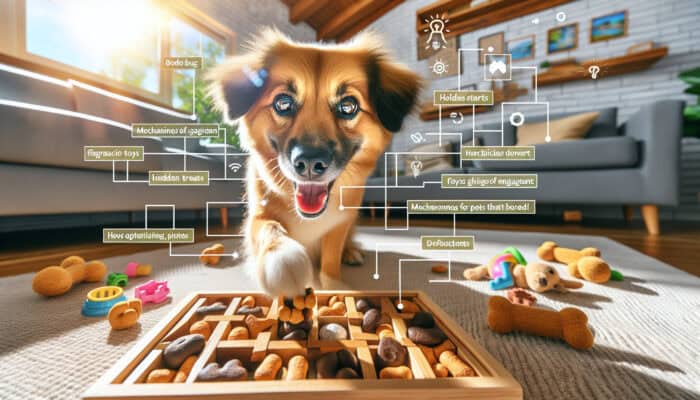
Puzzle Toys for Bored Pets: Fun Ways to Stimulate and Engage Pets
Understanding Puzzle Toys: Essential Tools for Engaging Bored Pets What are the different types of engaging puzzle toys available? Puzzle

Pets Don’t Grieve Losses: Myths and Realities
Exploring the Emotional Landscape of Pets What Influences the Behavior of Your Pet? Pets Don’t Grieve Losses: Understanding pet emotions
I find the idea of pet meditation to be genuinely fascinating. It’s amazing how many ways we can cultivate a deeper connection with our pets, and meditation seems like such a natural extension of that bond. Just thinking about the calming techniques you mentioned and how they can benefit both the pet and owner opens up a whole new realm of shared experiences.
I get what you’re saying about pet meditation; it’s such a cool concept! A lot of people don’t realize how much our pets pick up on our energy and emotions, so taking time to meditate together can really deepen that connection.
You’ve hit the nail on the head with the idea of pet meditation being a fantastic way to deepen that bond we have with our furry (or scaly) friends. It’s almost like finding a missing piece of a puzzle we didn’t even know was incomplete. Picture this: you’re sitting on the floor in a calm, zen-like state, legs crossed, and there’s your dog or cat, casually joining in with their own brand of “I’m totally chill right now—pass me the treats.”
“I’m glad you find the concept intriguing! If you’re curious to explore these calming techniques further, check out this resource that delves deeper into pet meditation practices for you and your furry friend.”
http://elgatoencasa.com/vet
It’s great to hear you’re interested in pet meditation! It really does open up some amazing ways to connect with our furry friends. When you think about it, pets are incredibly intuitive and often mirror our emotions. Using calming techniques not only soothes us but can help settle them too. It’s fascinating to consider how those shared moments of stillness can strengthen that bond.
I love the idea of pet meditation—it’s like yoga class, but with more fur and the occasional snack break! Seriously though, I’ve always believed that our pets can help us chill out, but I had no idea we could take it to this level. I’ve got a cat named Whiskers who’s basically a professional napper. He always looks so zen when he’s snoozing, maybe I should start meditating with him to see if I can channel some of that energy.
Pet meditation does sound like such a cute concept, right? Whiskers seems like the perfect meditation partner—there’s something incredibly calming about watching a cat sleep. They really embody that whole idea of living in the moment. I’ve tried meditating with my dog, and it’s interesting how our pets seem to have this innate ability to chill us out.
Pet meditation really is a game changer, isn’t it? Whiskers sounds like the perfect meditation partner—there’s something about a sleeping cat that brings instant calm. You might be onto something by channeling his energy; animals have this natural ability to stay present in the moment. While you’re meditating, you could even try setting an intention around relaxation or gratitude, inspired by Whiskers’ easygoing vibe. Plus, those snack breaks could definitely add a fun twist! It’s amazing how just spending quiet time with our pets can help us feel more centered. Have you thought about how to create the right space for it? A cozy corner with some soft pillows could be the perfect spot for both of you to unwind.
Absolutely! Just imagine the tranquility you and Whiskers could experience together. If you’re curious to explore pet meditation further, check out this guide to get started on your journey to zen with your furry friend!
https://elgatoencasa.com/vet
I completely agree—there’s something incredibly soothing about having a cat like Whiskers by your side during meditation. It’s true what you said about animals having that innate ability to be present; they remind us to slow down and appreciate the moment. I love the idea of setting intentions inspired by their calm nature. Gratitude is particularly special, especially when I think about how much joy and comfort pets bring into our lives.
I found your exploration of pet meditation really intriguing! It’s fascinating how this practice not only supports our own mental well-being but also enhances the emotional connection we share with our furry companions. I’ve always believed that animals can pick up on our emotions, so it makes sense that meditating together could lead to a more profound bond.
Your thoughts on pet meditation really resonate with me. It’s interesting to think about how our pups and kittens are tuned into our feelings. I’ve noticed that when I take a moment to breathe and center myself, my dog seems to pick up on that energy and relax alongside me. It’s almost like we create our own little calm space together, away from the noise of the day.
I’m so glad you found the article intriguing! If you’re interested in deepening that bond even further, check out this resource on pet meditation techniques that you and your furry friend can try together.
http://elgatoencasa.com/vet
It’s really fascinating how attuned our pets are to our emotions. When I take a moment to ground myself, I’ve noticed my cat will come over, purring quietly beside me, as if she’s soaking up that calm energy. There’s something really special about that shared experience, isn’t there?
It’s interesting to hear your thoughts on pet meditation, and I appreciate the perspective you bring regarding emotional connections. The idea that animals can intuitively sense our feelings is a conversation worth having. It’s not just a simple concept; it’s rooted in the way animals experience their environments and their deep-seated social instincts.
I appreciate your thoughts on pet meditation. It really shines a light on how intertwined our emotions are with those of our pets. You’re correct that animals often pick up on what we’re feeling—there’s a certain kind of intuition in them, isn’t there?
Your point about the emotional connection between us and our pets is spot on. Many people overlook just how deeply animals can resonate with our moods. It goes beyond just intuition; there’s a whole layer of communication happening that might not involve words at all.
I’m glad you resonated with the concept! If you’re curious to explore how to deepen that emotional bond through practices like pet meditation, check out this link for some great resources.
https://elgatoencasa.com/vet
You’ve hit the nail on the head! Animals are little sponges for our emotional vibes. Picture this: you’re having a busy day, and you flop down on the couch to meditate with your dog. Suddenly, you both sink into a calm that feels like you’ve found the magical “chill” button for life. It’s like a spa day for the soul, where your pup is just as down to unwind as you are.
It’s great to hear that you found the exploration of pet meditation intriguing. The connection we have with our pets is incredibly special, and it’s fascinating how simple practices like meditation can deepen that bond. You’re absolutely right about animals being sensitive to our emotions. They have this innate ability to read our feelings in ways we often overlook. So when we take the time to meditate together, it can create a shared space where both our energies align, fostering trust and understanding.
Thank you for your thoughtful comment! If you’re interested in exploring this practice further, check out some resources that can guide you and your pet on this meditative journey together.
https://elgatoencasa.com/vet
I completely agree with you about the connection between pet meditation and our emotional states. It really is remarkable how attuned animals are to our feelings. I’ve noticed that when I meditate with my dog, she seems to settle more deeply into relaxation herself. It’s almost as if she can sense the shift in energy.
This concept of pet meditation is quite intriguing and certainly brings to mind the broader idea of mindfulness practices in our everyday lives. I often think about how much our pets can mirror our emotions; when we feel stressed, they seem to pick up on that energy. Engaging in meditative practices together could be a wonderful way to promote mutual calmness.
You bring up such a valuable point about how our pets seem to tune into our emotional states. It’s fascinating how attuned they are to our vibes, almost like they’re little emotional mirrors reflecting what we feel. When we’re stressed, they often become more anxious or clingy, and it really highlights the connection we share with them.