


Crate Setup for Puppy Comfort: Tips for a Cozy Space
Essential Steps for Assembling Your Puppy’s Crate Accurate Measurements for Your Puppy’s Size To guarantee that your puppy’s crate is both comfortable and secure, precise

Table of Contents
Toggle
Pet meditation is a powerful and transformative practice that involves both pets and their owners meditating together, aimed at strengthening their emotional bond and enhancing overall well-being. This enriching practice encompasses a variety of calming techniques specifically designed for pets, taking into account their unique needs and emotional responses. It goes beyond the simple act of sitting in silence; rather, it includes a diverse range of activities aimed at fostering relaxation and mindfulness. By participating in pet meditation, owners create a serene atmosphere that encourages a deeper emotional connection, ultimately promoting tranquility and alleviating stress for both parties involved.
In the realm of pet meditation, both the owner and the pet engage in various exercises that stimulate mindfulness and serenity. These may include guided breathing techniques, gentle movements, or simply enjoying a moment of quiet together, allowing pets to absorb the surrounding positive energy. The cornerstone of effective pet meditation lies in a thorough understanding of the pet's behavior and emotional state, enabling owners to adapt their methods accordingly. As pets are highly responsive to their environment, this practice not only calms them but also deepens the bond between them and their owners, enhancing their mutual well-being.
Engaging in meditation with your pet offers a plethora of benefits that can greatly improve both your life and your pet's quality of life. One of the most notable advantages is the significant reduction of stress and anxiety for both individuals involved. The shared experience of meditating together cultivates a soothing atmosphere that calms the mind, alleviates restlessness, and fosters a shared sense of peace. This practice becomes especially beneficial in today’s hectic world, where stress often permeates our daily lives.
Additionally, these meditation sessions can significantly enhance the emotional bond between you and your pet. Participating in mindfulness practices together fosters better communication, understanding, and trust, leading to a more harmonious relationship. Regular pet meditation can contribute to improved mental health, as both pets and their owners experience a profound sense of well-being. The simplicity of sharing quiet moments allows for reflection and emotional release, resulting in greater mental clarity and reduced feelings of isolation.
Lastly, pet meditation can evolve into an enjoyable routine that promotes both physical and mental engagement. The peaceful interactions foster a sense of joy and fulfillment, making it a rewarding experience for both parties. By dedicating time to meditate with your pet, you cultivate an enriching environment that nurtures emotional health and deepens your connection, ultimately leading to a happier and healthier life for both you and your beloved companion.
Embarking on the journey of pet meditation is an exciting endeavor that requires a few essential steps to ensure a successful experience. First and foremost, it’s vital to select a quiet space where both you and your pet can feel at ease. This location should be free from distractions, allowing for a focused meditation experience. Ideal settings might include a cozy corner of your home, a tranquil garden, or even a peaceful spot in a nearby park—anywhere that feels safe and serene for both of you.
Next, it's important to establish a regular time for your meditation sessions. Consistency is crucial in building a routine, so selecting a specific time each day can be highly advantageous. Whether it’s early in the morning or winding down in the evening, creating a schedule helps your pet anticipate and prepare for these moments of calm. Additionally, incorporating gentle techniques to facilitate your pet's relaxation is essential. This may involve soft vocalizations, slow movements, or light petting to guide them into a peaceful state.
Patience is key as you begin your pet meditation practice. It’s normal for pets to exhibit restlessness or uncertainty during the initial sessions. Gradually introducing them to the concept of meditation can help them acclimate. Start with brief sessions and slowly extend the duration as they become more comfortable. Over time, with ongoing practice and support, both you and your pet will experience the enriching benefits of this mindfulness journey.

While pet meditation can be a fulfilling practice, various challenges may arise throughout the process. A common hurdle is dealing with a restless or distracted pet. To overcome this, begin by training your pet to recognize the meditation space as a calming environment. Using treats as positive reinforcement can encourage your pet to settle down and associate the area with relaxation. Consistency in your approach will help them grasp the purpose of these sessions, ultimately enhancing their focus.
Another challenge is maintaining a serene atmosphere during meditation. Distractions from noise or activity can disrupt the experience significantly. To mitigate this, choose a time when your surroundings are relatively quiet, and consider using calming background sounds, such as soft music or nature sounds, to create a tranquil ambiance. If your pet becomes overly agitated or distracted, redirection techniques can be employed to gently bring their focus back to you or the meditation practice, helping them regain their calm.
Lastly, some pets may initially resist meditation altogether. This resistance could stem from unfamiliarity or anxiety about remaining still. To address this, practice patience and celebrate small victories. Gradually introduce meditation concepts through playful interactions and relaxation techniques, allowing your pet to associate meditation with enjoyable experiences. With time and encouragement, most pets will learn to embrace the calming benefits of shared meditation sessions, leading to a rewarding practice for both of you.
Breathing exercises are an essential component of pet meditation, helping to calm pets and promote concentration. Just like humans, pets can greatly benefit from intentional breathing techniques that enhance their relaxation. Teaching your pet to participate in these exercises fosters a sense of tranquility that can enhance the effectiveness of your meditation practice. Begin by modeling deep, slow breaths for yourself, allowing your pet to observe your movements and sounds. This creates a calming rhythm they may instinctively follow, deepening their connection to the experience.
Here are some effective breathing techniques that can be particularly beneficial for pets:
By incorporating these breathing exercises into your pet meditation sessions, you create a mindful practice that enhances both relaxation and focus. Over time, your pet may even begin to associate these exercises with moments of calm and peace, enriching your shared meditation experience.

The auditory environment during pet meditation plays a significant role in shaping your pet’s state of relaxation. Certain sounds, such as soft music or nature sounds, can create a soothing atmosphere that encourages deeper meditation. Research indicates that classical music or gentle acoustic melodies can be particularly effective in calming pets, reducing anxiety, and facilitating focus during meditation sessions.
When incorporating music into your pet meditation practice, be mindful of the volume and type of music you choose. Opt for soft, melodic tunes that have a slow tempo. Avoid loud or jarring sounds, as they can create anxiety or distraction for your pet. Nature sounds, such as gentle rain, ocean waves, or chirping birds, can also enhance the ambiance, providing a serene backdrop conducive to relaxation.
Additionally, consider creating a dedicated playlist specifically for pet meditation. Curate a selection of calming tracks that resonate with your pet's preferences. Experiment with different genres—instrumental, ambient, or even specific tracks designed for animal relaxation. Your pet may respond uniquely to certain sounds, so be attentive to their reactions and adjust your playlist accordingly. The right auditory environment can significantly enrich your meditation practice, creating an enjoyable experience for both you and your pet.
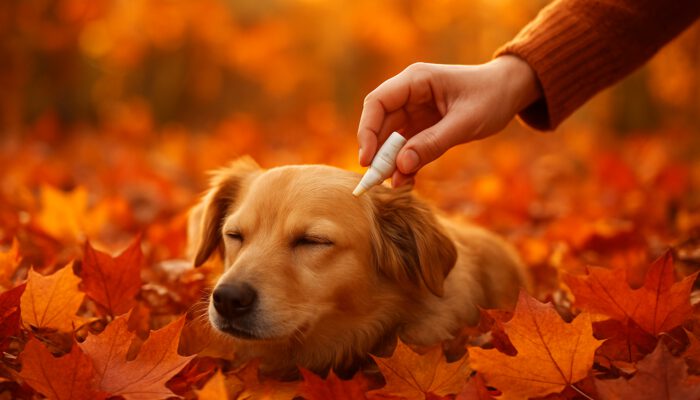
Incorporating physical touch and massage into your pet meditation sessions can greatly enhance the overall experience, providing comfort and connection between you and your pet. Gentle petting or massaging during meditation not only promotes relaxation but also reinforces the emotional bond you share. This physical connection fosters trust and security, allowing your pet to feel more at ease during the meditation process.
Begin by gently stroking your pet’s fur in smooth, rhythmic motions. Focus on areas where they typically enjoy being touched, such as behind the ears, along the back, or under the chin. This tactile engagement can help your pet release tension and feel more comfortable as you both enter a state of mindfulness together. Additionally, consider learning basic massage techniques specifically designed for pets. These techniques can range from simple strokes to more targeted pressure points that promote relaxation.
Keep in mind that every pet is unique; what works for one may not necessarily work for another. Pay attention to your pet’s body language and responsiveness to touch. If your pet appears uncomfortable or resistant, adjust your approach accordingly. Creating a positive experience with physical touch is essential, as it allows both you and your pet to explore the soothing effects of meditation together. As you become more attuned to your pet’s preferences, these moments of connection can deepen your bond and enhance the meditative practice.
Visualization techniques can significantly elevate the meditation experience for both pets and their owners. By guiding your pet to imagine peaceful scenes, you can help them relax and reduce anxiety effectively. This method involves creating vivid mental images that invoke feelings of calm and serenity, allowing your pet to focus on these positive scenarios during meditation.
Start by creating an inviting environment where your pet feels secure. Once settled, use descriptive language to guide them through a visualization exercise. For instance, you might describe a tranquil beach scene, complete with the gentle sound of waves, the warm sun, and the smell of fresh salt air. Encourage your pet to picture themselves in this serene setting, fully immersed in the experience. Use a calm, soothing voice to reinforce relaxation as you guide them through the visualization process.
In addition to verbal cues, consider incorporating props or elements from nature that relate to the visualization. For example, a small shell or a piece of driftwood can serve as a tangible reminder of the beach scene. This multisensory approach can enhance your pet’s ability to engage with the visualization, promoting a deeper state of relaxation. As your pet becomes more accustomed to these visualizations, they may begin to enter a tranquil state more readily, making meditation sessions even more effective and enjoyable.
Pet meditation acts as a powerful tool for strengthening the emotional connections between pets and their owners. Engaging in mindfulness practices together enables both parties to connect on a deeper level, fostering an atmosphere of trust and understanding. The shared experience of meditation creates opportunities for meaningful interactions, transforming routine moments into cherished memories that enhance your bond.
One of the primary ways pet meditation reinforces emotional connections is through the practice of mindful presence. As you sit together in quietude, both you and your pet become attuned to each other’s energy and emotions. This heightened awareness allows for deeper communication, as you learn to interpret your pet’s signals and sensations more effectively. Over time, this mutual understanding enriches your relationship, resulting in a harmonious and loving connection that benefits both of you.
Moreover, pet meditation fosters a sense of companionship and emotional support. In challenging times, knowing that you have a calm and soothing presence beside you can be incredibly comforting for both you and your pet. Here are several ways pet meditation enhances emotional connections:
Ultimately, these enriching experiences result in a deeper, more fulfilling relationship that benefits both you and your pet, creating a transformative bond that lasts a lifetime.
Regular pet meditation sessions can significantly alleviate anxiety and stress levels for both pets and their owners, promoting overall well-being. The calming environment established during meditation allows both parties to escape the pressures of daily life. This serene practice fosters a peaceful state of mind, effectively alleviating stress and anxiety for both pets and their owners.
For pets, meditation can alleviate symptoms of anxiety related to various triggers, such as loud noises or changes in routine. By practicing meditation regularly, pets become more accustomed to relaxation techniques, making it easier for them to cope with stressful situations. As a result, pets may respond more calmly during moments of anxiety, leading to a more balanced emotional state and improved behavior.
Similarly, pet meditation offers significant benefits to owners by providing a dedicated time to unwind and recharge. Engaging in this practice creates a shared space for emotional release, allowing owners to process their feelings and cultivate a sense of calm. This shared experience can lead to a stronger sense of emotional resilience for both parties involved. Here are some key benefits of reducing anxiety and stress through pet meditation:
By establishing a consistent meditation practice, both pets and owners can experience lasting benefits that contribute to improved mental health and overall happiness.
The relaxation achieved through pet meditation can have profound effects on physical health for both pets and their owners. Calming practices promote lower blood pressure, improved immune function, and enhanced overall well-being. By engaging in meditation, the body enters a state of rest that allows for healing and rejuvenation, creating a positive impact on physical health.
For pets, regular meditation sessions can lead to reduced stress-related health issues. Stress has been linked to various physical ailments, including digestive problems and weakened immune responses. By incorporating meditation into their routine, pets can experience improved health outcomes and a greater sense of vitality. The gentle nature of meditation also encourages better sleep patterns, contributing to overall well-being and vitality.
Owners also benefit physically from the practice of pet meditation. Engaging in moments of calm reduces stress-induced tension, promoting relaxation throughout the body. This can lead to lower blood pressure and reduced feelings of fatigue. The shared experience of meditation fosters a healthier lifestyle and encourages owners to prioritize their physical health alongside that of their pets. The following are some key physical health benefits associated with pet meditation:
By committing to regular pet meditation practices, both you and your pet can enjoy a healthier, more vibrant life together, paving the way for long-lasting well-being.
Real-world examples highlight how pet meditation has positively impacted various pets and their owners, providing inspiration and practical insights into the practice. These success stories illustrate the transformative power of shared meditation experiences and the myriad benefits that arise from maintaining a consistent practice.
One inspiring case involves a dog named Max, who struggled with anxiety and restlessness. His owner, Sarah, began incorporating daily meditation sessions into their routine. By using calming music and gentle touch techniques, Max gradually learned to relax during these moments. Over time, his anxiety diminished significantly, leading to a more peaceful and content demeanor.
Another success story features a cat named Bella, who was initially resistant to meditation. Her owner, Tom, started with short sessions and gradually introduced visualization techniques. As Bella became more accustomed to the practice, she began to engage and enjoy the calming benefits. The bond between Tom and Bella deepened, enriching their relationship and creating a more harmonious home environment.
Here are several compelling real-world pet meditation success stories:
These examples illustrate how pet meditation can lead to remarkable improvements in both behavior and emotional health, inspiring others to explore the benefits of this fulfilling practice.
For beginners, embarking on a pet meditation journey can be an exciting yet daunting prospect. Following actionable steps can help ensure a smooth and successful introduction to this enriching practice. The first step is to create a dedicated meditation space that is quiet and comfortable for both you and your pet. This space should be free from distractions, allowing for a focused experience that fosters relaxation and connection.
Next, establish a routine that includes specific times for meditation. Consistency is essential for building a habit, so consider scheduling sessions at a time that works well for both your schedule and your pet’s energy levels. Begin with short sessions, around 5-10 minutes, and gradually increase the duration as your pet becomes more comfortable with the practice.
Additionally, incorporate techniques that resonate with your pet’s preferences. Experiment with various approaches, such as breathing exercises, soothing music, or gentle touch, to discover what works best for your furry friend. Be patient and celebrate small victories along the way, as progress may take time. Here are some actionable steps for beginners:
By following these steps, beginners can embark on a fulfilling journey of pet meditation, creating lasting benefits for both themselves and their beloved companions.
Expert analysis provides an in-depth understanding of pet meditation techniques, offering valuable tips and insights to enhance the practice. Successful pet meditation requires a nuanced approach that considers the unique needs and responses of individual pets. Understanding the foundational principles of meditation can empower owners to create effective and meaningful sessions that resonate with their pets.
One critical aspect of pet meditation is the importance of patience. Just like humans, it may take time for pets to adapt to the practice. Owners should be prepared for initial restlessness and distractions, recognizing that this is a normal part of the learning process. Gradually introducing meditation techniques and celebrating small achievements can facilitate a positive experience for both parties.
Additionally, tailoring meditation techniques to suit specific pet needs can significantly enhance the effectiveness of the practice. For instance, more energetic pets may benefit from incorporating physical activities or shorter sessions to keep them engaged, while more anxious pets might require a calming environment and gentle approaches to help them feel safe and secure.
Here are some expert tips for effective pet meditation:
By employing these expert insights, owners can refine their pet meditation practice, ensuring that it remains a rewarding and beneficial experience for both them and their pets.
Creating a calm environment is essential for effective pet meditation. The right setting can significantly influence the success of your meditation sessions, promoting relaxation and focus. Aim to choose a quiet, comfortable space that feels safe for both you and your pet. This could be a cozy corner in your living room, a serene backyard, or a peaceful spot in a local park. The key is to select an area free from distractions, such as loud noises or excessive movement, to facilitate a tranquil atmosphere.
Once you’ve identified the perfect location, consider enhancing the environment with calming elements. You might dim the lights, use soft blankets, or introduce calming scents, such as essential oils or incense (ensuring they are safe for pets). Additionally, incorporating soothing background sounds—like gentle music or nature sounds—can create a tranquil atmosphere that encourages relaxation. This combination of sensory elements helps both you and your pet settle into the meditation practice more effectively.
Encouraging your pet to settle into this calming environment may involve gentle touch or verbal reassurances. Sit comfortably with your pet, allowing them to explore the space at their own pace. The more secure and relaxed they feel in their surroundings, the more successful your meditation sessions will be. Here are some best practices for creating a calm environment:
By prioritizing the ambiance of your meditation area, you set the stage for an enriching and peaceful experience that benefits both you and your pet.
The duration of pet meditation sessions can vary widely, but starting with short sessions of 5-10 minutes is often beneficial, especially for beginners. Pets, like humans, may find it challenging to remain focused for extended periods, particularly when they are new to meditation practices. Gradually increasing the length of sessions can help your pet acclimatize to the routine and enjoy the calming benefits of meditation.
As your pet becomes more comfortable with the practice, you can gradually extend the duration of your meditation sessions. Aim for 15-30 minutes as a general guideline, but remain flexible based on your pet’s energy levels and responsiveness. Paying attention to your pet’s reactions is crucial; if they seem restless or disinterested, it may be a sign to reduce the session length or change the techniques being used to maintain their engagement.
Incorporating breaks during longer sessions can also be helpful, allowing your pet to recharge and process the experience. Experimenting with different session lengths can provide insight into what works best for you and your pet. Here are some recommendations for determining session length:
Finding the right session length that suits both you and your pet is crucial for fostering a successful meditation practice that enhances your bond.
Incorporating positive reinforcement during pet meditation sessions is vital for encouraging participation and creating a more enjoyable experience. Positive reinforcement not only motivates your pet to engage in meditation but also strengthens the bond between you and your pet. This approach can be particularly effective for pets who may initially resist meditation or feel uncertain about the practice.
One effective way to implement positive reinforcement is through the use of treats. Offering treats as rewards for calm behavior can reinforce the idea that meditation is a positive and rewarding experience. Ensure that the treats are healthy and appropriate for your pet, and consider using them sparingly to avoid overindulgence. Verbal praises, gentle petting, and affectionate gestures can also serve as forms of positive reinforcement, creating a loving environment that encourages participation.
Additionally, celebrating small successes can boost your pet’s confidence and enthusiasm for meditation. If your pet successfully settles into the meditation session, offer praise or a favorite toy as a reward. This helps create positive associations with the practice, making them more likely to engage in future sessions. Here are some effective strategies for incorporating positive reinforcement:
By focusing on positive reinforcement, you create a nurturing atmosphere that enhances your pet’s experience during meditation, making it a joyful and rewarding practice for both of you.
Distractions can present a common challenge in pet meditation, disrupting the serene atmosphere and hindering focus. Pets are naturally curious creatures, and external stimuli can easily divert their attention. To create a more effective meditation practice, it’s essential to implement strategies that minimize distractions and help your pet remain focused throughout the sessions.
One effective solution is to choose a time and location for meditation when the environment is naturally quieter. Early mornings or late evenings may provide a more tranquil atmosphere, allowing both you and your pet to settle into the practice without interruptions. Additionally, consider using calming sounds or music to create a soothing backdrop that can help drown out external noises, encouraging relaxation and focus.
If distractions occur during meditation, gentle redirection techniques can be beneficial. For instance, if your pet becomes distracted by a noise, calmly guide their focus back to you or the meditation practice without scolding. This approach reinforces a positive experience and encourages your pet to remain engaged. Here are some strategies for managing distractions effectively:
By proactively addressing distractions, you can create a more conducive environment for meditation, fostering deeper relaxation and connection during your sessions.
Some pets may initially resist meditation, presenting a challenge for owners eager to engage in this enriching practice. Resistance can stem from unfamiliarity or anxiety about being still. To overcome this resistance, patience, consistency, and positive reinforcement are essential components of a successful approach.
Start by gradually introducing your pet to the concept of meditation. Instead of diving straight into a full session, consider incorporating short, playful moments of calm throughout the day. These moments can help your pet associate relaxation with positive experiences rather than feeling pressured to meditate. As your pet becomes more comfortable, gradually extend these periods of calm into structured meditation sessions that are enjoyable for both of you.
Utilizing positive reinforcement is crucial in overcoming resistance. When your pet engages in any form of calm behavior—whether it’s simply sitting quietly or participating in meditation—offer treats, praise, or affection. This encouragement reinforces the idea that meditation is a positive experience, ultimately motivating your pet to engage willingly. Here are some effective strategies for overcoming pet resistance:
With a gentle and patient approach, most pets can learn to embrace meditation, leading to a rewarding practice for both you and your beloved companion.
If your pet is excessively energetic, it can pose a challenge when attempting to engage in meditation. High energy levels can lead to restlessness and distraction, making it difficult for both you and your pet to experience the calming benefits of meditation. However, there are effective strategies to successfully integrate meditation into the routines of energetic pets.
Begin by incorporating physical exercise into your pet’s daily routine before meditation sessions. Engaging in play or outdoor activities can help expend excess energy, making it easier for your pet to settle down during meditation. A brisk walk, a game of fetch, or interactive playtime can be excellent ways to help your pet release pent-up energy before transitioning into meditation.
Additionally, consider starting with shorter meditation sessions that cater to your pet's energy levels. Instead of diving into longer practices, begin with quick, focused sessions of just a few minutes. Gradually increase the duration as your pet becomes more accustomed to the routine and learns to associate meditation with relaxation. Here are some practical tips for managing energetic pets during meditation:
By combining physical activity with mindfulness practices, energetic pets can learn to embrace meditation, leading to a more rewarding experience for both you and your furry friend.
Visualization exercises can elevate pet meditation practices, allowing both pets and their owners to focus on calming images and scenarios that promote deeper relaxation. These exercises harness the power of imagination, guiding pets to envision serene settings that evoke feelings of peace and tranquility. By incorporating visualization techniques into your meditation sessions, you foster a more immersive and engaging experience for your pet.
To begin, create a calm environment where your pet feels secure. Once settled, guide your pet through a visualization exercise by describing a peaceful scene in detail. For example, you might ask them to imagine a lush green meadow filled with wildflowers, gentle breezes, and the warm glow of sunshine. Use descriptive language to evoke sensory details—what they might see, hear, and feel. This immersive approach encourages your pet to engage fully in the visualization experience, enhancing the effectiveness of meditation.
Additionally, consider incorporating props that relate to the visualization. For instance, a soft blanket could symbolize a grassy field, while a gentle breeze from an open window can mimic outdoor sensations. As your pet learns to associate these visualizations with relaxation, they may become more adept at entering a tranquil state during meditation. Here are some suggested visualization exercises:
By using visualization exercises, you can create a richer meditative experience, giving your pet the tools to embrace relaxation and calm effectively.
Integrating pet meditation into daily routines can make it a consistent practice, enhancing its benefits over time. Establishing meditation as a regular part of both your and your pet’s day encourages a sense of calm and mindfulness, fostering a deeper connection in your relationship. Here are some strategies for seamlessly incorporating pet meditation into everyday life.
First, identify specific times during the day when meditation can fit naturally into your routine. Whether during the morning, after meals, or before bedtime, consistency is key. By dedicating specific time slots for meditation, you create a predictable routine that your pet can anticipate and look forward to, enhancing their comfort with the practice.
Second, consider using meditation as a bonding activity during daily tasks. For instance, you can incorporate short moments of calm meditation during grooming sessions or while enjoying quiet time together. These small practices can help reinforce your pet's comfort with meditation while simultaneously deepening your bond with them.
Finally, be flexible and adapt meditation practices to fit your lifestyle. Every day may not allow for a full meditation session, but even a few minutes of mindful breathing together can have a significant impact. Here are some practical tips for integrating pet meditation into daily life:
By making pet meditation a regular part of your daily life, you establish a nurturing routine that benefits both you and your pet, creating a positive atmosphere that fosters lasting connection and well-being.
Tailoring meditation to your pet’s specific needs involves understanding their personality, preferences, and emotional state. Each pet is unique, and a one-size-fits-all approach may not yield the best results. By adapting your meditation techniques to suit your pet’s characteristics, you can maximize the effectiveness of the practice and foster a more enriching experience for both of you.
Start by observing your pet’s behavior and responses during meditation sessions. Are they more relaxed in a quiet environment, or do they prefer soothing sounds? Do they respond positively to touch, or do they require a more independent approach? Taking note of these nuances will guide you in customizing your meditation practice to align with their needs, enhancing their experience.
Additionally, consider adjusting the techniques used during meditation based on your pet’s energy levels. For example, energetic pets may benefit from shorter, more active meditation sessions, while calmer pets might thrive in longer, tranquil practices. Use positive reinforcement to encourage engagement, celebrating small victories and adapting techniques based on their responses. Here are some tips for tailoring meditation to your pet’s needs:
By personalizing your meditation approach, you create a fulfilling experience that resonates with your pet, enriching the bond you share and promoting mutual well-being in the process.
Incorporating sound and music into pet meditation can significantly enhance the overall experience, creating a calming atmosphere that encourages relaxation and focus. The auditory environment plays a crucial role in shaping the meditation experience, as certain sounds can evoke feelings of peace and serenity. By thoughtfully integrating sound into your meditation practice, you can create a more immersive and enjoyable experience for both you and your pet.
When selecting music for meditation, opt for soft, melodic tunes or nature sounds that have a slow tempo. Research suggests that classical music, in particular, can have a calming effect on pets, reducing anxiety and promoting relaxation. Alternatively, consider using recordings of gentle rain, ocean waves, or ambient sounds that mimic a natural environment. These soothing soundscapes can help create a serene backdrop that encourages your pet to settle into a tranquil state.
It’s essential to monitor the volume of the music, ensuring it remains soft and unobtrusive. High volumes or jarring sounds can create anxiety or distraction, undermining the calming effects of meditation. Consider creating a dedicated playlist specifically tailored for meditation sessions, allowing for a seamless transition into relaxation. Here are some effective strategies for incorporating sound and music into pet meditation:
By thoughtfully utilizing sound and music during meditation, you can create an enriched environment that enhances your pet’s focus and relaxation, making the practice more enjoyable for both of you.
Pet meditation is a practice where pets and their owners meditate together, utilizing calming techniques tailored for both to enhance their bond and overall well-being.
To start pet meditation, choose a quiet space, establish a regular time, and use gentle techniques to help your pet relax. Consistency and patience are key components.
Meditating with your pet can reduce stress and anxiety, deepen emotional bonds, and promote overall well-being for both pets and owners.
Sessions can start at 5-10 minutes for beginners and gradually increase to 15-30 minutes as your pet becomes more comfortable with the practice.
Techniques for pet meditation include breathing exercises, soothing music, physical touch, and visualization exercises tailored to your pet's unique needs.
Choose a quiet time for meditation, use calming sounds, and gently redirect your pet's focus if distractions occur. Consistency helps build their focus over time.
Overcome resistance by gradually introducing meditation, using positive reinforcement, and making the practice playful and enjoyable for your pet.
Yes, regular pet meditation can reduce stress, promote relaxation, and contribute to better overall physical and mental health for both pets and owners.
Observe your pet's behavior and preferences, adjust techniques based on their energy levels, and use positive reinforcement to encourage engagement and participation.
Sound can create a calming atmosphere, helping pets focus and relax. Soft music or nature sounds are effective auditory elements for enhancing meditation sessions.
Tags
Essential Steps for Assembling Your Puppy’s Crate Accurate Measurements for Your Puppy’s Size To guarantee that your puppy’s crate is both comfortable and secure, precise

Understanding the Features of Temperature-Controlled Pet Beds Key Components of Temperature-Controlled Beds The essential elements that enable temperature-controlled beds for pets to maintain comfortable temperatures
Navigate Seasonal Flea Challenges for Your Pets How to Spot the Early Signs of Flea Infestation Early detection of flea activity is essential for pet
By subscribing to our newsletter you agree to our Terms and Conditions and Privacy Policy