Unlocking the Benefits of Seasonal Diet Adjustments for Pets
Key Principles of Pet Nutrition Based on Seasonal Changes
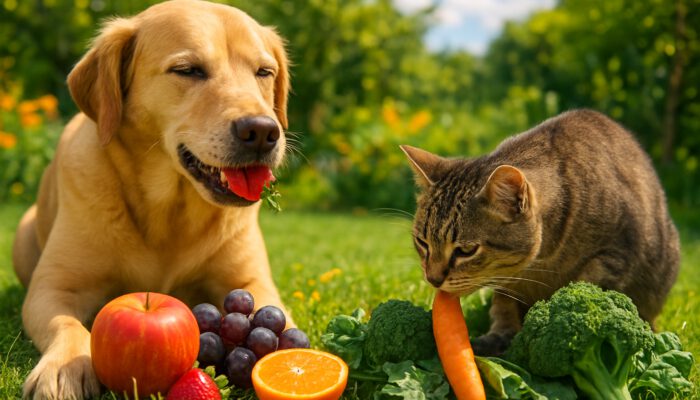
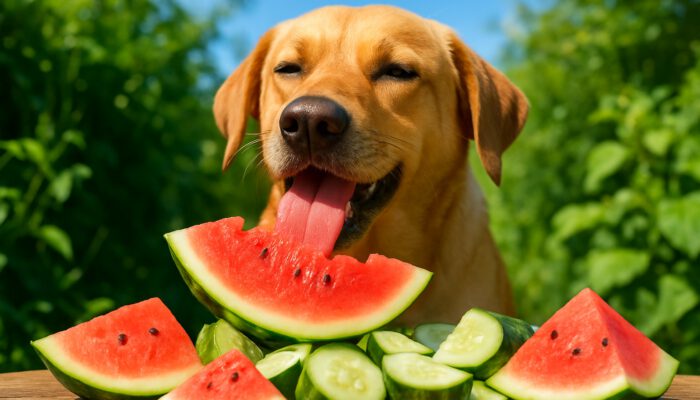
Making seasonal diet changes is essential for ensuring your pet's health and vitality throughout the year. As temperatures shift, pets require specific nutritional adjustments to meet their energy needs and metabolic rates effectively. For example, during the warmer months, pets thrive on lighter meals that are high in moisture content, which helps regulate their body temperature and prevents overheating. In contrast, the colder winter months necessitate calorie-dense foods that provide the warmth and energy they need to stay active. A practical illustration of this is evident in dog owners who incorporate more fruits and vegetables, like watermelon and cucumbers, in summer, thanks to their high water content, which is excellent for hydration.
Adjusting a pet’s diet according to seasonal changes also aids in preventing overfeeding, as it necessitates careful portion control tailored to their activity levels. For instance, during winter, a more sedentary lifestyle may lead to weight gain if pet owners do not modify their pets' food intake accordingly. The significance of balanced nutrition cannot be overstated; it supports not only physical health but also enhances overall well-being by regulating energy levels and metabolic support.
How to Recognize Shifts in Your Pet's Dietary Needs
Identifying the signs that indicate your pet's dietary needs are changing is crucial for every responsible pet owner. Behavioral cues such as lethargy, increased thirst, or noticeable weight fluctuations can indicate that a pet's current diet is falling short of meeting their nutritional requirements. For instance, a dog that appears less active during the winter months might require fewer calories, while a cat that seems restless in warmer weather could need more hydration or lighter food options to feel comfortable.
Early detection of these signs allows for timely adjustments, potentially preventing more severe health issues down the road. Regularly monitoring your pet’s weight, energy levels, and overall behavior is vital. Consider maintaining a food diary to track changes in appetite or energy levels, and consult with a veterinarian if you have uncertainties. An informed approach to dietary adjustments fosters a happier, healthier pet that thrives across all seasons.
How Do Environmental Factors Shape Pet Diets?
Environmental factors, especially weather conditions, significantly influence a pet's dietary requirements. As temperatures rise or drop, a pet's metabolism often shifts, necessitating modifications in the types of food offered to maintain optimal digestion and overall vitality. For example, during hot summer months, pets may experience decreased appetites. Hence, a diet abundant in moisture, featuring fresh fruits and vegetables, can help ensure they remain hydrated and comfortable.
Conversely, colder weather may slow metabolism, requiring a diet higher in fats and proteins to meet energy needs. For instance, in regions facing harsh winters, pet owners often transition to richer, more calorie-dense foods that assist their animals in maintaining warmth and energy levels. Understanding the relationship between environmental factors and dietary needs ensures that pets stay active and healthy regardless of the season.
How to Effectively Modify Pet Diets for Seasonal Changes
Essential Steps for Summer Diet Adjustments
Adjusting your pet's diet during the summer is vital for their comfort and health. Concentrate on providing lighter meals that are easier to digest and feature increased water content. Fresh fruits like watermelon, blueberries, and peaches make excellent additions. These fruits not only offer hydration but also deliver essential vitamins and antioxidants. Implementing these ingredient swaps can significantly enhance your pet's comfort during sweltering heat.
To combat dehydration, it is crucial to ensure that your pet always has access to fresh, clean water. Additionally, consider creating homemade treats or frozen snacks using pureed fruits or yogurt to provide a refreshing boost. Moreover, keeping a close eye on portion control during the warmer months can prevent heat-related health issues. A lighter, hydration-focused menu minimizes the risk of overheating, ensuring your furry friend remains happy and healthy.
Strategic Feeding Approaches for Winter Months
During winter, pets require a dietary strategy that emphasizes calorie-rich foods to help them maintain energy levels and warmth. As outdoor activities typically decrease, it's vital to monitor food intake and adjust calorie levels to avert unwanted weight gain. Foods high in protein and healthy fats, such as fish or lean meats, provide the necessary energy for the colder months.
Incorporating hearty grains and vegetables can also be advantageous; consider adding options like sweet potatoes or brown rice, which offer both warmth and nutrition. Preparing warm meals through light steaming or cooking can make the food more appealing and easier to digest. It is essential to strike the right balance—maintaining nutrition while avoiding overfeeding strengthens the pet's resilience through the winter season.

What Tools Are Essential for Effective Dietary Changes?
To implement effective dietary changes, several essential tools can facilitate precise adjustments. Measuring cups and food scales are fundamental for ensuring accurate portions, helping pet owners track what their pets consume. Keeping a journal or utilizing a pet health app can assist in monitoring changes in appetite, energy levels, and weight, which are critical for evaluating the effectiveness of dietary modifications.
Incorporating fresh ingredients into your pet's meals is another vital aspect; having a well-stocked pantry with seasonal produce allows for seamless transitions. Furthermore, using resources such as nutritional guidelines or consulting with a veterinarian can provide deeper insights into your pet’s needs. By utilizing these tools, pet owners can navigate seasonal diet adjustments more effectively, maintaining their pets' health and happiness year-round.
Expert Recommendations on Seasonal Diet Adaptations for Pets
Fundamental Guidelines from Nutrition Professionals
Nutrition specialists underscore the significance of adjusting pet diets based on seasonal demands. A key principle is the rotation of food varieties to align with environmental changes. This practice not only helps in ensuring optimal nutrient absorption but also promotes overall vitality. For instance, experts advocate introducing seasonal ingredients, such as fresh greens in spring or hearty squash in autumn, which offer diverse nutrients and keep meals exciting for pets.
Moreover, these adjustments can alleviate issues related to food intolerances and sensitivities. Diversifying proteins and incorporating various carbohydrate sources ensures balanced nutrition, which is essential for a pet's health. A well-rounded diet enhances energy levels, supports immune function, and boosts resilience against environmental challenges throughout the year.
Advanced Strategies for Nutritional Optimization
Advanced dietary techniques emphasize the importance of balancing macronutrients—fats, carbohydrates, and proteins—to accommodate seasonal shifts. For example, during colder months, increasing healthy fats can provide the necessary energy to combat lower temperatures. Conversely, during hotter months, reducing fat content while increasing fiber-rich foods can aid digestion and hydration.
Experts recommend gradual transitions to minimize digestive upset. When introducing new foods, consider starting with small amounts mixed with the current diet, allowing pets to adapt more comfortably. Additionally, evaluating how different food combinations affect your pet's energy levels and overall health can lead to optimized dietary practices tailored to seasonal demands. The goal is to foster long-term health benefits by creating a balanced diet that supports your pet's specific needs as the seasons change.
Why Expert Guidance is Crucial for Dietary Planning?
Consulting with experts in pet nutrition is vital for making informed dietary adjustments. Tailored guidance helps prevent common pitfalls, such as unbalanced diets or abrupt dietary changes that can lead to gastrointestinal distress. Nutritionists and veterinarians can provide insights into the specific nutritional needs of various breeds or ages, ensuring that each pet receives the appropriate diet.
Incorporating professional advice can enhance a pet's longevity and well-being through informed dietary decisions. For example, a veterinarian might suggest tailored meal plans based on a pet's activity level, weight, and health history. This personalized approach empowers pet owners to make choices that significantly impact their pets' health outcomes, especially as they navigate seasonal variations in environment and lifestyle.
Incorporating Seasonal Produce into Your Pet's Diet
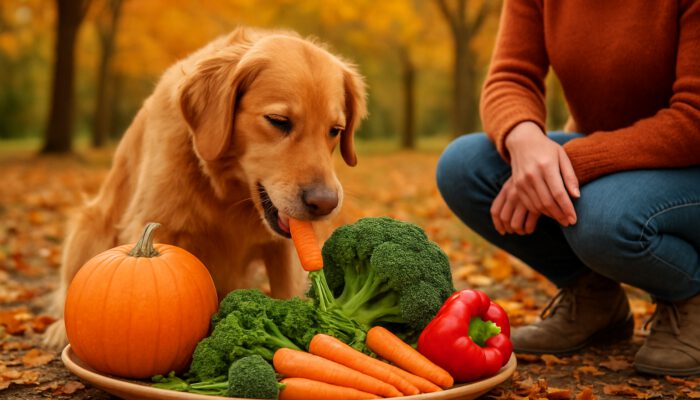
Integrating seasonal produce into a pet's diet benefits both nutrition and flavor. During fall, for instance, pumpkin and root vegetables such as carrots and sweet potatoes are excellent additions. These foods are rich in fiber and antioxidants that enhance digestion and support the immune system. In summer, berries like blueberries or strawberries can be introduced, packed with vitamins and hydration.
However, it is crucial to ensure that these foods are safe for pets and prepared properly. For instance, always cook root vegetables to make them digestible for pets. Veterinary nutritionists recommend starting with small amounts to monitor for any food intolerances. This gradual integration allows owners to provide varied diets while ensuring pets enjoy the benefits of seasonal foods without adverse effects.
How to Monitor and Adjust Based on Pet Feedback
Monitoring pets for signs of dietary intolerance during seasonal changes is vital. Observing alterations in energy levels, coat condition, or stool consistency can provide insights into how well pets are adapting to their diet. Veterinary experts stress that timely adjustments based on these observations can prevent health issues and promote sustained well-being.
For example, if a pet shows signs of lethargy or digestive upset after a dietary change, it may be necessary to revert to previous foods or adjust meal portions. Keeping a close eye on your pet's behavior can guide dietary decisions, allowing for a responsive approach that meets their evolving needs. This proactive strategy ensures that your pet remains healthy and happy amidst the changing seasons.
What Are the Best Foods for Pets During Different Seasons?
Top Hydrating Food Choices for Hot Weather
During hot weather, hydrating food options are paramount for maintaining your pet's energy levels and hydration. Fruits and vegetables serve as ideal choices, as they not only provide moisture but also contribute essential vitamins and minerals. Consider options like watermelon, cucumbers, and carrots, which are low in calories yet rich in nutrients, making them perfect for hot days.
Incorporating lean proteins such as chicken or turkey into lighter meals ensures that pets receive adequate energy without the heaviness of traditional meals. Hydration can also be supplemented with homemade broths or frozen fruit treats. These options not only help combat heat but also keep pets feeling fresh and active. By focusing on hydrating foods, pet owners can help their furry companions thrive even in the sweltering summer heat.
Optimal Foods for Cooler Periods
As temperatures drop, pets require nutrient-dense foods that provide warmth and energy. Here’s a bullet list of key benefits for incorporating such items into their diets:
- High-Quality Proteins: Support muscle maintenance and energy.
- Healthy Fats: Provide a concentrated energy source to keep warm.
- Whole Grains: Serve as a reliable energy source and promote digestion.
- Root Vegetables: Rich in fiber and essential nutrients that boost immunity.
- Fish Oils: Offer omega-3 fatty acids that support coat health and joints.
These foods not only sustain energy but also promote healthy growth during colder seasons. Pet owners should prioritize warm meals that stimulate appetite and provide comfort during the chilly months, ensuring that pets remain energetic and healthy.
How to Safely Introduce New Foods to Your Pet
Introducing new foods safely involves a gradual approach that allows pets to adapt smoothly to dietary changes. Start by mixing small amounts of the new food with your pet's regular diet, observing for any adverse reactions. This method prevents the likelihood of allergies and digestive issues while ensuring that pets are comfortable with the new flavors and textures.
During this transitional period, it's essential to monitor your pet’s behavior and health closely. If signs of discomfort arise, reverting to the previous diet is advisable. Gradual changes not only facilitate a smoother transition but also promote a positive relationship with food. By making adjustments cautiously, pet owners can foster dietary success, allowing pets to enjoy a varied and balanced diet throughout the seasons.
Best Foods for Autumn and Harvest Seasons
Autumn heralds a bounty of seasonal produce that pets can thrive on. Foods like pumpkin and sweet potatoes are exceptional choices. Rich in fiber and antioxidants, these ingredients aid digestion and bolster immunity, crucial as temperatures begin to drop. Additionally, incorporating root vegetables provides both warmth and sustenance.
As the harvest season approaches, integrating these foods into your pet's meals can lead to enhanced energy levels and overall health. These options not only provide essential nutrients but also offer flavor variety that keeps meals engaging. By focusing on seasonal produce, pet owners can ensure their pets remain healthy and vibrant during this transitional time.
Dietary Considerations for Pets with Seasonal Allergies
For pets suffering from seasonal allergies, choosing the right diet is crucial to minimize discomfort. Opting for novel proteins such as duck or venison can help reduce allergic reactions, as many store-bought foods contain common allergens like chicken or beef. Additionally, limited-ingredient diets focusing on simple formulations can be beneficial, as they are less likely to trigger sensitivities.
Selecting allergy-friendly options can also include grains or vegetables known for their hypoallergenic properties. Foods rich in omega-3 fatty acids, such as fish oil, support skin health and reduce inflammation. By being mindful of ingredient choices, pet owners can help their pets enjoy seasonal activities without the burden of allergies, ensuring a healthier, more enjoyable experience.
Research-Backed Benefits of Adjusting Pet Diets by Season
Evidence Revealing Health Improvements Through Seasonal Diet Changes
Research indicates that seasonal dietary adjustments can significantly enhance pet health outcomes. Tailoring diets to fit seasonal needs improves immune function and reduces susceptibility to illness. By aligning nutritional strategies with changing environmental conditions, pet owners can foster stronger defenses against various health challenges.
This proactive approach not only bolsters the immune system but also promotes better overall health. Pets that receive appropriate diets during seasonal transitions demonstrate fewer health issues and maintain higher energy levels, leading to enhanced quality of life. By applying these research findings, pet owners can improve their pets' resilience, ensuring they remain strong and healthy throughout the year.
Long-Term Benefits for Your Pet's Vitality
Consistent dietary adjustments yield long-term advantages for pets, particularly regarding vitality. Expert analyses reveal that regularly adapting diets aids in better weight management, thus reducing the risk of chronic health issues. Pets that receive appropriate nutrition tailored to their environment and activity levels tend to maintain their ideal weight and experience fewer health complications as they age.
Additionally, fostering a balanced diet contributes to sustained energy levels and improved quality of life. By focusing on dietary needs throughout the seasons, pet owners can ensure that their companions enjoy a vibrant and fulfilling existence. This long-term strategy enhances pet longevity and well-being, emphasizing the importance of mindful dietary practices.
What Role Does Dietary Variety Play in Pet Health Benefits?
Variety in a pet's diet is essential for preventing nutritional deficiencies, as it provides a broader array of vitamins and minerals. Incorporating diverse ingredients not only enhances the nutritional profile of meals but also contributes to mental stimulation. Pets that experience varied diets tend to show increased engagement during meal times and develop a healthier relationship with food.
Research underscores that diverse meal options promote physical health and mental well-being. Providing a range of proteins, carbohydrates, and vegetables stimulates a pet's appetite, encouraging them to explore and enjoy their meals. Ultimately, a varied diet results in happier pets and supports overall health, making it an indispensable aspect of responsible pet ownership.
Seasonal Diet Adjustments and Environmental Adaptation
Studies demonstrate that seasonal dietary modifications play a vital role in helping pets adapt to environmental changes. As temperatures fluctuate, appropriate nutrition enhances thermoregulation and resilience, allowing pets to thrive in varying conditions. By tailoring diets to support specific seasonal needs—such as increasing calorie intake in winter or providing hydration in summer—pet owners can promote overall adaptability.
This approach not only reduces stress on pets but also improves their ability to cope with changing environments. Research validates that well-nourished pets experience better survival rates and improved health outcomes during seasonal transitions. Consequently, implementing seasonal diet adjustments becomes essential for promoting long-term adaptability and overall health.
Why Are Seasonal Dietary Adjustments Crucial for Pet Health?
The Influence on Digestive Health
Seasonal adjustments in a pet's diet significantly impact digestive health, ensuring stability amid environmental changes. As climates change, pets may encounter different food options, necessitating careful attention to their digestive system. Adjusting diets accordingly prevents discomfort and supports efficient digestion, contributing to a pet's daily comfort and overall resilience.
By incorporating appropriate foods based on the season, pet owners can help maintain gut stability, reducing the likelihood of gastrointestinal issues. For instance, during summer months, lighter, fiber-rich foods can ease digestion, while winter may call for heartier options that promote gut health. A focus on seasonal adjustments ultimately supports a pet's digestive system, ensuring they feel comfortable and content throughout the year.
Effects on Overall Energy Levels of Pets
Seasonal changes profoundly influence a pet’s overall energy levels, making dietary adaptations imperative. As temperatures fluctuate, metabolic rates can change, impacting how much energy pets require. During colder months, pets may need more calories to stay warm and active, while warmer months may see reduced energy needs.
Proper adaptations ensure that pets remain engaged and energetic, avoiding fatigue associated with imbalanced nutrition. By providing appropriate dietary adjustments based on seasonal demands, pet owners can help their companions thrive, keeping them active and playful. Consequently, this focus on dietary needs enhances a pet's quality of life, promoting a more vibrant existence.
How Do Dietary Adjustments Help Prevent Common Ailments?
Timely dietary shifts can effectively ward off common ailments, such as allergies or obesity. Focused adjustments to a pet's diet help in addressing these issues proactively, enhancing overall well-being. For instance, adjusting calorie intake based on activity levels can prevent obesity, while incorporating hypoallergenic ingredients can minimize allergic reactions.
Preventive measures, such as implementing seasonal diet changes, can reduce the occurrence of health complications. By focusing on tailored nutrition, pet owners can significantly improve their pet's health. This strategy emphasizes the importance of adapting diets to meet the needs of pets, ultimately contributing to a long, healthy life.
Seasonal Influences on Skin and Coat Health
Skin and coat health are significantly impacted by seasonal dietary adjustments. Changes in humidity, temperature, and allergens throughout the year can affect a pet’s skin condition, leading to irritation or excessive shedding. By providing tailored grooming and nutritional support, pet owners can maintain a healthy coat, prevent infections, and ensure a shiny appearance throughout the year.
Incorporating foods rich in omega-3 fatty acids can promote skin health, while ensuring adequate hydration helps combat dryness. Additionally, regular grooming routines that correspond with seasonal changes can further enhance coat vitality. By being mindful of these aspects, pet owners can foster healthy skin and a lustrous coat for their pets, ensuring they look and feel their best throughout the year.
The Impact on Immune System and Resistance to Disease
Seasonal dietary adjustments can bolster a pet's immune system and enhance its resistance to diseases. Incorporating immune-boosting foods, such as those rich in vitamins C and E, supports the body's defenses against environmental pathogens. Proper nutrition during seasonal transitions helps pets fend off illnesses and improves their overall resilience.
Additionally, establishing protective routines, such as regular veterinary check-ups and vaccination schedules aligned with seasonal changes, further contributes to a pet's health. By focusing on diet as a key component of immune support, pet owners can significantly improve their pets' long-term health outcomes, reducing the need for frequent interventions and enhancing their quality of life.
Effectively Implementing Dietary Changes
Practical Tips for Smooth Dietary Transitions
To ensure smooth transitions when implementing dietary changes, start with small modifications. Gradually introducing new foods minimizes stress on pets and promotes a successful adoption of healthier eating habits. For example, if incorporating a new protein source, consider mixing it with the current diet for a few days before fully transitioning.
Monitoring your pet's reactions during this period is essential. If any signs of discomfort appear, revert to the previous diet and consult a veterinarian for further guidance. Establishing a consistent feeding schedule can also help pets adapt to dietary changes, providing structure and stability. By facilitating gradual transitions, pet owners can achieve better results in maintaining optimal nutrition.
Monitoring and Assessing Dietary Progress
Regular check-ins are vital for assessing how dietary changes affect a pet's health and behavior. Tracking metrics such as weight, energy levels, and overall demeanor can provide insights into the success of dietary adjustments. If any concerns arise, adjustments can be made promptly, ensuring that the pet's needs are met.
Keeping a detailed record of dietary changes, including what was introduced and the pet’s response, can lead to refined strategies over time. Engaging with veterinarians for periodic evaluations can enhance the understanding of how diet influences overall health. This ongoing monitoring and evaluation help pet owners make informed decisions, promoting sustained improvements in their pets’ well-being.
What Challenges Might You Encounter During Dietary Changes?
Implementing dietary changes can present various challenges, such as picky eating or initial resistance from pets. Some pets may be hesitant to accept new foods, making patience essential during this process. Addressing these challenges through gradual introductions and positive reinforcement can ensure long-term success.
Offering a variety of textures and flavors may entice a reluctant pet to explore new options. Additionally, utilizing homemade treats can serve as an incentive for trying new foods. By approaching dietary transitions with understanding and flexibility, pet owners can navigate potential obstacles, ensuring their pets receive the nutrition they need for optimal health.
Frequently Asked Questions About Seasonal Diet Adjustments
What are seasonal diet adjustments for pets?
Seasonal diet adjustments involve modifying a pet's food intake and types of food based on seasonal changes, ensuring optimal health, energy, and well-being throughout the year.
How can I determine if my pet needs a dietary change?
Signs that your pet may need a dietary adjustment include changes in energy levels, fluctuations in weight, and altered eating behaviors, such as decreased appetite or excessive thirst.
What foods are most beneficial for pets during the summer months?
In summer, hydrating foods such as watermelon, cucumbers, and lean proteins can help keep pets cool and support their energy levels.
How should I introduce new foods to my pet safely?
Introduce new foods gradually by mixing small amounts with your pet's current diet, monitoring for any adverse reactions before fully transitioning.
What dietary choices are recommended for pets during winter?
During winter, calorie-dense foods, including high-quality proteins, healthy fats, and hearty grains, are recommended to help maintain energy levels and warmth.
Why is dietary variety important for my pet?
Variety helps prevent nutritional deficiencies, provides mental stimulation, and ensures balanced nutrition by offering diverse vitamins and minerals, enhancing overall health.
How can seasonal produce benefit my pet's diet?
Seasonal produce offers essential nutrients and enhances meal variety, which can contribute to improved health and well-being when integrated into a pet's diet appropriately.
What are common signs of food intolerance in pets?
Signs of food intolerance may include digestive issues such as diarrhea, vomiting, or changes in stool consistency, along with alterations in energy levels or behavior.
How can dietary adjustments prevent obesity in pets?
By monitoring calorie intake and adjusting portion sizes according to seasonal activity levels, pet owners can help prevent obesity and maintain a healthy weight in their pets.
Is it necessary to seek expert guidance for seasonal diet adjustments?
Yes, consulting with nutritionists or veterinarians is beneficial for tailored dietary advice, ensuring that pet owners make informed decisions that promote their pets' health and longevity.
This guide is incredibly relevant for anyone thinking about traveling with their cats. I remember the last time I took my cat, Luna, on a trip. I was taken aback by how strict the regulations were—especially regarding health certificates and vaccination records. It really highlighted the importance of planning ahead.
It’s fascinating how travel can unveil unexpected challenges, isn’t it? Your experience with Luna highlights something that many pet owners might overlook until they find themselves in the thick of it. Those regulations regarding health certificates and vaccination records are indeed crucial, and it’s great that you recognized the importance of planning ahead.
I’m glad you found the guide helpful! Planning ahead truly makes a world of difference. If you’re looking for more tips and resources to ensure a smooth trip with Luna, check out this link for everything you need to know before you hit the road!
https://elgatoencasa.com/vet
It sounds like you had quite the experience traveling with Luna. Cats can be such great travel companions, but those regulations can really catch you off guard. I remember when I first took my cat on a trip; I was surprised at just how much paperwork there was to gather. Health certificates and vaccination records might feel like a hassle, but they really do help ensure both your pet’s safety and the welfare of other animals you might come into contact with.
Traveling with Luna was certainly an adventure, and I totally get what you mean about the paperwork. It’s like preparing for a small-scale expedition instead of just a trip to the local pet store. Health certificates and vaccination records could rival the weight of my suitcase—no kidding! It’s almost like they think your cat is auditioning for a role in a spy movie with all the secret agent-level documentation required.
“I’m so glad to hear you had a similar experience! If you’re planning another adventure with your furry friend, check out this helpful guide on pet travel regulations to make your journey smoother.”
https://elgatoencasa.com/vet
It sounds like you had quite the experience with Luna! Those regulations can really catch you off guard, can’t they? I’ve heard from so many cat parents how important it is to double-check everything before traveling. It might feel like extra work, but having the right health certificates and vaccination records really helps you avoid a stressful situation at the last minute.
I’m glad you found the guide so useful! Traveling with pets can certainly be an eye-opener when it comes to the regulations—Luna must have added an interesting twist to your trip. Every state and country has its own set of rules, and it can really catch you off guard if you’re not prepared.
It’s great to hear about your experience traveling with Luna. It sounds like you encountered some of the challenges that many pet owners face when planning trips. Those regulations can certainly catch us off guard, can’t they? It’s a lot to juggle, especially when you just want to enjoy your time together.
I’m glad to hear that you found the guide helpful! If you’re planning another adventure with Luna, check out these resources for the latest travel regulations and tips to make your journey even smoother!
https://elgatoencasa.com/vet
Ah, the joys of jet-setting with our feline overlords! It’s like being a personal assistant to a small, furry dictator. I found your list of essential documents spot-on. The health certificate and vaccination records are absolute must-haves. I once made the rookie mistake of forgetting Fluffy’s rabies vaccination record before heading to the airport. Let’s just say the ticket agent gave me a look that could curdle milk.
It sounds like you had quite the adventure with Fluffy and the ticket agent. Those moments can really make us appreciate the fine print in traveling with our pets. Forgetting a critical document like the rabies vaccination record can definitely lead to some unexpected stress.
I really appreciate your perspective on that. It’s so true—those little details in the fine print can turn into big lessons. When I was preparing for our trip, I thought I had everything covered, but it’s crazy how one piece of paper can create such a ripple effect. Since Fluffy is part of the family, it makes it all the more stressful when it feels like you’re not fully prepared for travel.
It’s so true how those seemingly minor details can really shape our experiences, especially when there’s a beloved pet like Fluffy in the mix. Traveling with pets does bring its unique set of challenges; one wrong piece of paper like vaccination records or travel carriers can add a surprising amount of stress.
Thank you for sharing your experience! It really highlights how important it is to stay prepared. If you’re looking for tips on traveling with pets to avoid those last-minute surprises, check out this helpful resource.
http://elgatoencasa.com/vet
It’s so relatable to feel that sense of pressure when preparing to travel, especially when pets are involved. You can plan every little detail, but it’s often those unexpected requirements that trip us up. Fluffy is more than just a pet; he’s a member of the family, and the thought of anything going wrong can really ramp up the stress.
It’s interesting how those seemingly small details can really shape our experiences, especially when we’re traveling with pets. Fluffy’s not just a pet; they’re family, and suddenly all those little worries about paperwork, vet records, or travel restrictions come to the forefront.
“I’m glad you found my perspective helpful! If you’re interested, I’ve come across some great resources that might help ease the travel prep stress—especially when it comes to traveling with furry family members. Check them out!”
https://elgatoencasa.com/vet
I completely relate to your thoughts on how those small details can really magnify when traveling with our furry companions. It’s fascinating how something like vet records or specific airline policies can create this extra layer of preparation. It makes sense, though—our pets are such integral parts of our lives, and ensuring their comfort and safety on a journey can be just as crucial as our own.
I can relate to how important it is to keep our furry family members healthy, especially as they age; I recently found some helpful tips on monitoring hydration in elderly cats that could really make a difference.
‘Hydration Monitoring for Elderly Cats: Essential Tips’
https://elgatoencasa.com/hydration-monitoring-for-elderly-cats-essential-tips/.
It’s wild, right? One little piece of paper can set off a chain reaction that feels like you’re dealing with a game of Jenga—with a really cute but unpredictable cat on the side. I’ve had my fair share of travel mishaps too, and let me tell you, having to scramble for pet documents while you’re also trying to remember where you put your socks is a special kind of chaos.
It’s a whole different ball game when you’re traveling with a pet, right? Fluffy is not just a pet; they’re family, and the last thing you want is to deal with a hiccup that throws a wrench in your plans. When it comes to travel, those little details in the fine print can really make or break the experience. I totally get how that one piece of paper can change everything. It’s almost like trying to assemble furniture from one of those IKEA kits—you think you’ve got it all, but that one missing screw changes everything.
It sounds like you had quite an adventure with Fluffy! That moment at the airport must have been stressful. Paperwork can really sneak up on you during travel, especially when it comes to our pets. A health certificate and vaccination records are indeed the non-negotiables, but some destinations may have additional requirements, like specific parasite treatments or documentation of microchip information. I’ve also found that having a vet’s contact info handy can be a lifesaver if questions arise. Do you have any other tips from your travels with Fluffy?
Your observations about traveling with pets really resonate with me. The airport experience was indeed quite a challenge. It’s surprising how much time and preparation can hinge on the right paperwork. Though I was somewhat prepared with the health certificate and vaccination records, I learned very quickly that each destination has its nuances. There were those added requirements—like the flash of micrcochips and parasite treatments—you might not think about until you’re at the last minute trying to get everything squared away.
Absolutely, it can be quite the challenge! If you’re looking for more tips and resources for traveling with pets, check out this helpful guide I found—it really streamlined the process for us!
https://elgatoencasa.com/vet
That moment at the airport really was a whirlwind, and I definitely learned the hard way how crucial all that paperwork can be. It makes you appreciate the amount of planning that goes into traveling with pets. The specific requirements can be a maze; I once encountered a situation where the destination had a mandated treatment for ticks that I didn’t know about until right before boarding. It felt like I was running around like a headless chicken trying to sort everything out.
I completely understand the challenges of traveling with pets and how critical it is to ensure their well-being; speaking of that, I recently came across some insightful tips on keeping elderly cats hydrated, which might help in managing their health during travel too.
‘Hydration Monitoring for Elderly Cats: Essential Tips’
https://elgatoencasa.com/hydration-monitoring-for-elderly-cats-essential-tips/.
Traveling with pets really can feel like navigating a complex maze, can’t it? I totally relate to the chaos that can come from unexpected requirements. It’s such a lesson in being prepared and having all your ducks in a row. I remember a similar experience when my friend was trying to take her dog abroad and realized at the last minute that vaccinations had to be done a certain way, and it turned into a scramble too.
You hit the nail on the head with that whole maze analogy. It’s like trying to solve a Rubik’s Cube blindfolded while juggling a couple of cats. The unexpected requirements pop up when you least expect them. I remember a trip where I thought I had everything lined up for our dog, only to discover there was a specific microchip standard I hadn’t checked. Let’s just say, that conversation with the vet wasn’t my proudest moment.
Absolutely, it’s all about staying one step ahead! If you’re looking for tips to simplify your pet travel planning and stay organized, check out this helpful guide here!
https://elgatoencasa.com/vet
Traveling with Fluffy was definitely a mix of excitement and chaos! That airport moment really had my heart racing, especially when I realized I had overlooked a couple of specific requirements. You’re spot on about the paperwork—the health certificate and vaccination records are like your golden ticket, but each destination does seem to have its own quirks that can catch you off-guard. I learned that the hard way when I overlooked the microchip documentation for our trip to Europe. What a learning experience that was!
“Absolutely! I’ve learned quite a bit along the way, and if you’re interested, I’ve compiled some of my top tips for traveling with pets—check it out here!”
https://elgatoencasa.com/vet
It sounds like you had quite the adventure with Fluffy navigating those travel hurdles. I can totally relate to the chaos that can come with taking pets along—there’s so much to consider beyond just packing a bag. Your experience with the microchip documentation brings to light how crucial it is to prepare not just the basics, but also the lesser-known requirements for different destinations. It really is like a puzzle sometimes.
You’re so right about the paperwork sneaking up on you during travel. I remember feeling a mix of excitement and anxiety while going through Fluffy’s health certificate and the vaccination records. It was one of those moments where I wished I had started preparing a bit earlier. The extra requirements definitely caught me off guard; I had to scramble for the microchip info last minute, which was stressful but a good reminder that thorough research is key.
Traveling with Fluffy was definitely a rollercoaster ride, especially at the airport. Who knew a 10-pound furball could bring so much chaos? I felt like a detective trying to piece together all the paperwork. You’d think I was plotting a heist with the number of forms required.
Traveling with pets can really feel like an adventure in itself, can’t it? I can relate to the chaos Fluffy brought to your trip. It’s funny how such a small creature can create such big waves, especially with all the airport regulations these days. I remember my own experience trying to travel with my cat. I had to juggle all the health certificates and carrier specifications, feeling like I was preparing for a top-secret mission.
Oh, I can totally relate to that experience! Traveling with cats does feel a lot like navigating the whims of a tiny, furry dictator. They certainly have their own ideas about what constitutes an ideal travel experience. It’s impressive how quickly they can assert that authority, right?
I completely understand where you’re coming from. Traveling with cats really does feel like you’re at the mercy of their whims. Each trip seems to come with a new set of challenges, often dictated by what mood they’re in that day. I’ve noticed that the minute we settle into a new place, they immediately scout the area for the perfect sunbeam or the coziest nook, as if they’re the ones in charge of the itinerary.
It’s so true; traveling with cats can be quite the adventure in itself. They definitely have their own ideas about what makes a getaway enjoyable. It’s intriguing how their mood can shape the entire experience. One moment you’re trying to navigate a new city and the next, you’re following them around as they seek out the perfect spot to bask in the sunlight.
“I totally agree! It’s amazing how their personalities shape our travels. If you’re looking for tips and resources to make those journeys easier, check out this [helpful guide].”
https://elgatoencasa.com/vet
I can relate to that so much. Cats really do have an uncanny ability to dictate the pace of a trip, don’t they? My cat, Luna, has a habit of finding the sunniest spot in any room or outdoor space we go to. There’s something almost meditative about watching her soak in the rays, while I’m busy trying to figure out where we want to go next. It really drives home the idea that sometimes it’s about enjoying the moment rather than rushing through a checklist of sights.
It’s interesting how our pets can effortlessly remind us to slow down and be present. Luna sounds like a little philosopher, finding those sunny spots to bask in. It’s one of the reasons I admire cats; their ability to just exist in the moment is something many of us could learn from.
Speaking of enjoying the moment, I recently came across some insightful tips on keeping our feline friends hydrated as they bask in those sunny spots—it’s a great reminder of how to care for our older companions while they take life at their own pace.
‘Hydration Monitoring for Elderly Cats: Essential Tips’
https://elgatoencasa.com/hydration-monitoring-for-elderly-cats-essential-tips/.
It’s interesting how our pets can effortlessly remind us to slow down and be present. Luna sounds like a little philosopher, finding those sunny spots to bask in. It’s one of the reasons I admire cats; their ability to just exist in the moment is something many of us could learn from.
Speaking of enjoying the moment, I recently came across some insightful tips on keeping our feline friends hydrated as they bask in those sunny spots—it’s a great reminder of how to care for our older companions while they take life at their own pace.
‘Hydration Monitoring for Elderly Cats: Essential Tips’
https://elgatoencasa.com/hydration-monitoring-for-elderly-cats-essential-tips/.
I completely get what you’re saying about Luna. There’s something truly captivating about the way cats choose their spots, especially the sunniest ones. It’s as if they have this innate understanding of where comfort truly lies, and their ability to slow things down is such a valuable lesson for us.
“Absolutely! It’s a beautiful reminder to embrace the present. If you’re looking to create more moments like that with Luna, check out this guide to cat-friendly travel spots that will let you both bask in the sunshine together!”
https://elgatoencasa.com/vet
I can totally relate to that experience with Fluffy’s vaccination record. It’s like the universe has a way of making us realize just how crucial those documents are. The sigh of relief I felt when I had all my cat’s paperwork in order for our last trip was something else. It’s almost like a rite of passage for pet owners to go through that moment of panic at the airport.
You hit the nail on the head with that description of our feline friends as small, furry dictators—there’s definitely a royal flair to their personalities. I get it, a health certificate and vaccination records are the unsung heroes of pet travel. That moment at the airport when you realize you’ve forgotten something crucial is like facing a pop quiz you totally didn’t study for. I can picture the ticket agent’s expression; it sounds like you were on the receiving end of one of those “you gotta be kidding me” looks.
It’s interesting to see how airline regulations for traveling with pets, particularly cats, have evolved. I remember when I took my cat on a trip a couple of years ago; I was surprised by how stringent the requirements were, especially regarding vaccination records and health certificates. It almost felt like preparing for a small child’s travel!
It’s fascinating how much goes into traveling with our furry companions. The comparison to preparing for a child’s travel really resonates. The requirements can feel overwhelming, but they do reflect a growing awareness of pet welfare and public health. Health certificates and vaccination records ensure that our pets are safe and healthy, but it can become quite a task to gather all those documents.
“Absolutely! It’s definitely a process that requires careful planning. If you’re looking for detailed tips on traveling with your pet, check out this helpful guide [insert link].”
https://elgatoencasa.com/vet
You’re spot on about the complexities of traveling with pets. It’s interesting how what was once a straightforward task has turned into a mini-ordeal. You’re right; the requirements can feel overwhelming, almost like prepping for an entire family.
“I’m glad you found the evolving regulations intriguing! If you’re planning another trip with your furry friend, check out this helpful guide to simplify the process.”
https://elgatoencasa.com/vet
You hit the nail on the head there. It’s like planning a wedding, but instead of catering and a DJ, you’ve got pet passports and a list of approved carriers. I mean, who knew it takes a PhD in bureaucratic jargon just to bring Mr. Whiskers along for the ride?
“Absolutely, it can be quite the adventure! If you’re looking for tips to make pet travel easier, this guide is a fantastic resource.”
https://elgatoencasa.com/vet
You’re right about the complexities of traveling with pets feeling like a mini-ordeal these days. It can really catch you off guard if you’re used to more straightforward trips. Regulations vary so much from one place to another, and it’s easy to get lost in the paperwork. I remember a recent trip where just understanding the different health certificate requirements felt like studying for an exam.
Traveling with pets has definitely morphed into a more intricate affair. It’s a balancing act with so many laws and regulations to navigate. I completely get how it can feel like we’re prepping for a family vacation instead of just grabbing a bag for our furry companions.
“Absolutely! For an easier journey next time, I highly recommend this guide that breaks down everything you need to know.”
https://elgatoencasa.com/vet
I know exactly what you mean about the complexities of traveling with pets. It really does feel like packing for an entire family sometimes. Between finding pet-friendly accommodations, deciphering the various regulations, and ensuring our furry friends are comfortable during the journey, it can become overwhelming.
It’s funny you mention that because I felt the same way when I traveled with my cat last summer. The list of requirements definitely caught me off guard; it seemed more complicated than packing my own bags! I had to get a health certificate, update vaccination records, and even research regulations for each state I planned to travel through.
“Absolutely! Preparing for pet travel can be quite the task. If you’re looking for more tips and insights on traveling with your furry friends, check out this helpful resource!”
https://elgatoencasa.com/vet
It sounds like you had quite the experience traveling with your cat. The paperwork and regulations can definitely feel overwhelming, can’t they? It’s interesting how we often underestimate the level of preparation required for our pets compared to our own travel needs.
It sounds like you had quite the adventure with your cat! Traveling with pets can really turn into a whole project, can’t it? All the hoops you have to jump through, especially with health certificates and vaccination records, can feel overwhelming. It’s like planning for a small human sometimes.
You bring up a great point about the similarities between traveling with pets and children. The paperwork can feel a bit overwhelming, but it’s reassuring that these regulations are in place to keep our furry friends safe and healthy. It’s interesting how different airlines have different requirements too; it often feels like a treasure hunt trying to figure out the specific rules.
You’ve really nailed a crucial aspect of traveling with pets. It can feel like deciphering a code sometimes, right? Each airline has its own set of rules, which can definitely keep you on your toes. I think it’s part of the adventurous spirit, though!
You’re spot on about it feeling like deciphering a code. I remember planning a trip last year with my dog, and I spent hours trying to sort through the different requirements for each airline. It was definitely a test of patience, but I have to admit there’s something rewarding about figuring it all out in the end. It’s kind of like a puzzle that leads to that shared adventure.
You really hit the nail on the head with that point about paperwork. It can be such a tedious process, but knowing it’s all for the safety and well-being of our pets definitely makes it a bit more bearable. I remember when I was booking a flight with my dog, the rules kept changing, and it felt like I was trying to decode a secret language.
It’s fascinating to think about how much has changed in the realm of traveling with pets, especially cats. Your feeling about the stringent requirements resonates with many pet owners. It can seem overwhelming at times, especially when you’re trying to get all the paperwork sorted out alongside your own travel plans.
It really is fascinating how much the landscape of traveling with pets has evolved. I remember a time when taking a cat on a trip felt like an adventure in itself, just figuring out all the requirements. It’s interesting how the regulations vary so widely from one destination to another, too. Sometimes I wonder if the rules reflect a deeper societal shift toward recognizing pets as family members, warranting more rigorous protocols for their safety and health.
It’s true that traveling with pets has become quite a process! Many people don’t realize just how thorough the regulations can be. Those vaccination records and health certificates are essential, not just for the airlines but also for the safety of all the animals onboard. Each airline has its own set of rules, which can add to the complexity.
“I’m glad you found the evolution of pet travel regulations intriguing! If you’re planning another trip with your furry friend, check out this helpful guide for the latest requirements and tips to make the journey smoother.”
https://elgatoencasa.com/vet
Traveling with pets has definitely turned into a whole process, hasn’t it? It’s good to see that more pet owners are becoming aware of how important those vaccination records and health certificates are. Not only are these documents crucial for compliance, but they also play a big role in keeping all pets safe during travel.
“Absolutely! For anyone thinking about traveling with their pets, I highly recommend checking out this comprehensive guide for the latest requirements and helpful tips to ensure a smooth journey.”
https://elgatoencasa.com/vet
You’re spot on about the complexities of traveling with pets. It can feel like a mini obstacle course, with all the different rules and regulations to navigate. Those health certificates and vaccination records really are crucial—not just for flying, but also for keeping all pets safe throughout the trip.
“Absolutely! If you and your pet are gearing up for a new adventure, be sure to explore this fantastic guide for the most up-to-date travel requirements and tips to ensure a seamless journey together!”
https://elgatoencasa.com/vet
Traveling with pets can be such a mixed bag of excitement and stress! Having all the necessary documents is crucial, and I learned that the hard way on my last trip with my cat. It’s so important to have that health certificate in hand! My vet also recommended keeping a copy of my cat’s vaccination records handy just in case there are any last-minute questions.
You’ve hit the nail on the head with the mixed feelings that come with traveling with pets. It’s exciting to have them by our side, but there’s definitely a lot to juggle. A health certificate is such an important piece of the puzzle. I’ve heard similar stories where having those documents ready made all the difference in smooth travels.
Absolutely, having all the right documents makes a huge difference in ensuring a smooth trip! If you’re looking for tips on how to prepare for your next adventure with your furry friend, check out this helpful guide.
https://elgatoencasa.com/vet
It’s really interesting to hear about your experience. Traveling with pets can definitely be a balancing act. The thrill of new adventures is often accompanied by the extra responsibility of making sure our furry friends are safe and well-prepared. Your mention of the health certificate is spot on. It’s one of those behind-the-scenes elements that can easily be overlooked until it’s too late.
I completely relate to that balancing act when traveling with pets. It’s a challenge, but the joy they bring to our adventures makes it worthwhile. I’ve found that planning out the logistics, like the health certificate, really helps ease the stress. It’s one of those things you don’t think about until you’re in a tight spot.
You’ve really captured the essentials for traveling with our feline friends. I’ve often thought about how much preparation goes into ensuring our pets travel safely and with limited stress. Just recently, I took my cat on a cross-country move, and I can attest to the importance of a health certificate and up-to-date vaccinations. It’s reassuring to see these guidelines outlined clearly, as they help address the potential chaos of airline travel.
It sounds like you really went through a thorough process with your cat during your cross-country move! Traveling with our fur babies can definitely bring its own set of challenges, and it’s great to hear you’re using those health certificates and keeping vaccinations up-to-date. Having that peace of mind really makes a difference, doesn’t it?
“I’m glad you found the guidelines helpful! If you’re looking for more tips and resources to make pet travel even smoother, check out this helpful guide.”
https://elgatoencasa.com/vet
You really hit the nail on the head about the challenges of traveling with pets. It’s so much more than just packing their food and toys; it’s about creating a safe and comfortable environment for them in such a big transition. I remember when we moved, I spent a lot of time researching the best ways to keep my cat calm during the journey. It turned out to be all about routine and familiarity—like bringing along her favorite blanket.
Your exploration of the essential documents required for traveling with cats underlines a crucial aspect of pet travel that often gets overlooked by pet owners. I can personally attest to the importance of being meticulously prepared when flying with our furry companions after my own experience navigating these regulations. When I was planning a cross-country move with my cat, I found myself buried in paperwork, which I thought was excessive at first. However, I quickly learned that each piece held significant weight in facilitating a smooth experience.
It sounds like you really went through the wringer with that move. It’s interesting how something as simple as traveling with our pets can become so complex. I think a lot of pet owners don’t realize how nuanced it can be until they’re in the thick of it.