


Crate Setup for Puppy Comfort: Tips for a Cozy Space
Essential Steps for Assembling Your Puppy’s Crate Accurate Measurements for Your Puppy’s Size To guarantee that your puppy’s crate is both comfortable and secure, precise

Table of Contents
Toggle
The thyroid gland is vital for regulating metabolism and energy levels in senior pets. It produces key hormones that support overall vitality, helping to maintain a stable body temperature during daily activities and rest. This regulation is critical for health maintenance, particularly as pets age.
When thyroid hormones are balanced, pets typically experience a higher quality of life. They feel energetic, sustain a healthy weight, and display normal behavioral patterns. This hormonal equilibrium is crucial for their well-being, allowing them to participate in activities they enjoy, such as playing, exploring, and spending quality time with their owners.
As pets grow older, it is common for hormone production to naturally decline. This decrease can lead to reduced metabolic rates, impacting weight management and overall activity levels. Owners must remain vigilant, observing their pets’ behaviors and physical changes to identify any potential issues early on.
Recognizing these age-related hormonal changes enables pet owners to adjust their care routines effectively. Regular veterinary check-ups can provide valuable insights into any shifts in hormone levels, allowing for timely interventions that promote the health of their furry companions as they age.
Optimal thyroid function is crucial for maintaining healthy skin, coat, and muscle tone in senior pets. When hormone levels are stable, pets often showcase a shiny coat, strong muscles, and overall comfort in their daily lives. This contributes positively to their quality of life in their later years.
A well-functioning thyroid also supports mental health. Pets with balanced hormones tend to be more active and engaged, fostering stronger bonds with their owners. This enhanced vitality nurtures a loving environment for aging pets, enriching their lives.
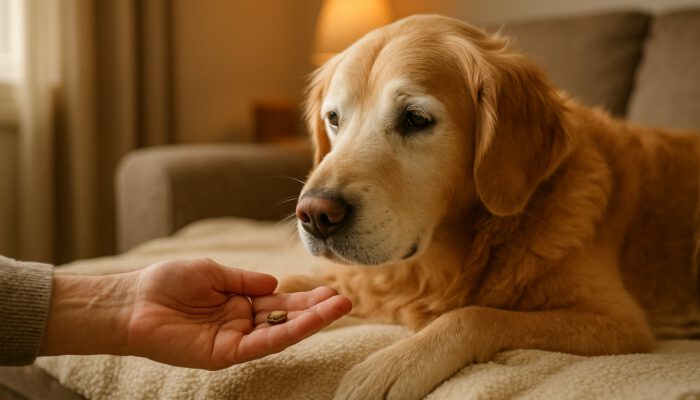
Unexpected weight gain or loss can indicate underlying thyroid issues in pets. It is essential for owners to regularly monitor their pets’ eating habits and body condition. These fluctuations may suggest that the thyroid gland is not functioning optimally, necessitating further investigation.
Pet owners should proactively track their pets’ weight changes. Keeping a detailed journal of their pet's diet, exercise, and weight can provide valuable insights, assisting veterinarians in diagnosing potential thyroid imbalances and formulating appropriate treatment plans.
Lethargy or increased restlessness in older pets may signal thyroid imbalances. Gradual changes in energy levels can influence playtime and sleep patterns, making it essential for owners to closely observe their pets for any behavioral shifts.
Recognizing these behavioral changes is critical for the early detection of thyroid issues. Pet owners should take note of any significant deviations from their pet's usual activity levels, as these observations can greatly assist veterinarians in diagnosing and treating underlying conditions effectively.
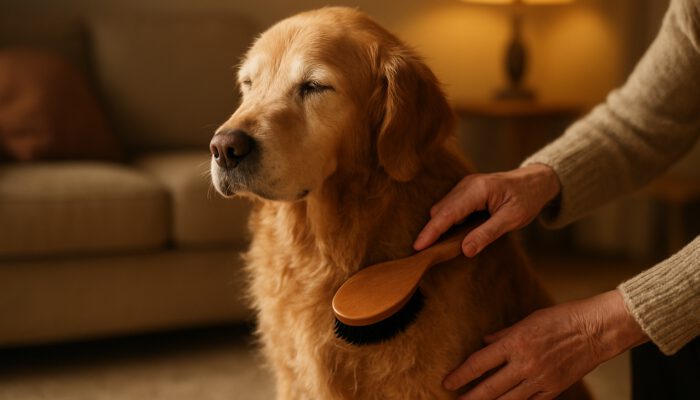
Skin and coat issues, including dryness, hair loss, or excessive shedding, often suggest hormonal disruptions in older pets. These problems can affect both appearance and comfort, highlighting the need for prompt attention to grooming and care practices.
Implementing regular grooming routines can help alleviate some of these issues. Owners should consider consulting with veterinarians regarding suitable grooming products and practices that support skin and coat health, ensuring their pets feel comfortable and look their best.
Unexpected increases or decreases in appetite, along with excessive thirst, can indicate thyroid dysfunction in older pets. These changes disrupt normal metabolism and may lead to further complications if not closely monitored.
Pet owners should meticulously observe their pets' eating and drinking habits. Keeping a daily log of food intake and water consumption can help identify patterns that may signal a need for veterinary intervention, ensuring timely care for their pets.
Genetic predispositions can significantly impact thyroid gland performance in senior pets. Certain breeds are more vulnerable to thyroid imbalances, making it essential for owners to understand their pet's breed-specific risks and monitor their health accordingly.
Being aware of these genetic factors enables better long-term wellness strategies. Owners can collaborate with veterinarians to create personalized care plans that address their pets' unique needs, ensuring proactive management of any potential issues.
Diet plays a pivotal role in maintaining thyroid health. Nutritional deficiencies or excesses can lead to irregular thyroid function, highlighting the importance of balanced nutrition tailored to age-specific requirements.
Pet owners should prioritize providing high-quality, nutrient-rich diets that promote overall health. Consulting with a veterinarian or a pet nutritionist can ensure that pets receive the right levels of vitamins and minerals necessary for optimal thyroid function.
Environmental factors, combined with the natural aging process, can alter hormone regulation in older pets. Exposure to specific chemicals, pollutants, or even stressors can impact thyroid function, affecting multiple body systems in a subtle, cumulative manner.
Creating a safe and healthy living environment is crucial for aging pets. Owners should be mindful of their pets' surroundings, minimizing exposure to harmful substances and ensuring comfort to support overall health and hormone balance.
Pet owners who maintain thorough logs of their pets' daily behaviors and physical changes can provide veterinarians with invaluable data for accurate assessments. This practice results in personalized care plans that significantly enhance health outcomes over time.
For example, tracking a pet's energy levels, appetite, and weight can reveal trends that may indicate thyroid issues. Regularly reviewing these logs with a veterinarian facilitates timely interventions, improving the overall health and well-being of aging pets.
Advanced diagnostic methods allow for precise evaluation of thyroid hormone levels, enabling targeted interventions that effectively address root causes. Blood tests can indicate whether a pet's thyroid function is within normal ranges or if adjustments are necessary.
Veterinarians can recommend specific hormone testing methods based on individual pet needs. These tests help identify imbalances early, allowing for proactive management and minimizing unnecessary treatments that could compromise pet welfare.
Regular home observations combined with professional evaluations create a proactive approach to thyroid health management. Owners should familiarize themselves with their pets' normal behaviors and physical conditions to detect any changes promptly.
Scheduling veterinary check-ups every six months can help ensure that any emerging issues are identified early. These visits allow for comprehensive evaluations and provide opportunities for owners to discuss any health concerns regarding their pets.
Veterinarians frequently prescribe specific medications, such as levothyroxine, for hypothyroidism in older pets. Regular adjustments based on blood tests ensure optimal dosing that improves energy levels and prevents complications throughout the pet's life.
Pet owners should collaborate closely with their veterinarians to monitor their pets' responses to medication. This partnership helps refine treatment plans, ensuring that pets maintain a good quality of life as they age.
Early detection through routine screenings and awareness of breed predispositions enables timely interventions that can significantly slow disease progression. Pet owners should educate themselves about the signs of thyroid imbalance and prioritize regular veterinary visits.
Implementing preventive measures, such as maintaining a balanced diet and fostering a stress-free environment, can enhance the quality of life for aging pets. These proactive strategies contribute to better overall health and longevity.
Key minerals and vitamins are critical for maintaining proper thyroid gland activity. Nutrients like iodine, selenium, and zinc are particularly vital for hormone production and regulation, helping stabilize metabolism in aging pets.
Pet owners should focus on providing a balanced diet that includes these essential nutrients. Consulting with a veterinarian can help ensure that pets receive the necessary levels of these minerals and vitamins to support thyroid function and overall health.
Certain ingredients in pet food can encourage thyroid balance, while others may hinder hormone production. Making informed dietary choices is essential to support endocrine function in daily feeding routines.
Foods rich in omega-3 fatty acids, antioxidants, and high-quality proteins can enhance thyroid health. In contrast, ingredients like soy and certain fillers may adversely affect hormone regulation, making it vital for pet owners to scrutinize labels and choose wisely.
Adequate water intake is essential for overall health, including thyroid function. Proper hydration aids in nutrient absorption and waste elimination, thereby supporting thyroid efficiency in older pets.
Pet owners should ensure that their pets have constant access to fresh water. Monitoring water intake can help identify potential health issues, as changes in drinking habits may signal underlying problems that require veterinary attention.
Establishing consistent schedules for veterinary check-ups and record-keeping aids in tracking progress and optimizing health outcomes. Pet owners can create simple routines that include daily observations of their pets' behaviors and physical conditions.
For example, maintaining a checklist of symptoms noted during walks or playtime can provide valuable insights. This evidence-based approach allows for timely adjustments in care and treatment, enhancing the overall well-being of aging pets.
Simple modifications to exercise and rest schedules can complement medical care, promoting improved well-being in aging pets. Regular exercise, tailored to each pet's capabilities, can help maintain muscle tone and support healthy weight management.
Creating a comfortable resting environment is equally important. Providing cozy spots for relaxation and ensuring pets have quiet time can greatly enhance their quality of life, allowing them to recharge and enjoy their golden years.
Careful selection and dosing of supportive products, based on professional advice, can enhance standard treatment protocols. Supplements such as omega-3 fatty acids or specific vitamins may offer additional benefits for pets with thyroid imbalances.
Pet owners should consult with veterinarians before introducing new supplements. This ensures that selected products are suitable for their pets' specific needs and can effectively support their overall health without adverse effects.
Subtle changes in appetite or mood often require professional evaluation. Changes that may seem minor initially can indicate deeper complications, making it crucial for owners to be observant and proactive in seeking veterinary advice.
If a pet displays unusual behaviors, such as increased aggression or withdrawal, it may be time to consult a veterinarian. Early intervention can prevent conditions from worsening, ensuring pets receive the necessary care promptly.
Scheduled visits every few months help maintain a senior pet's health oversight. Regular check-ups allow veterinarians to monitor changes over time, ensuring timely interventions that protect against unexpected developments.
Pet owners should prioritize these routine examinations, as they offer opportunities for veterinarians to assess overall health and identify any potential issues early. This proactive approach is vital for maintaining the well-being of aging pets.
Regular consultations enable adjustments to management strategies based on observed changes in pets. These follow-up visits allow veterinarians to modify treatment plans as needed, leading to more effective management of thyroid imbalances.
Pet owners should consider these follow-up visits an essential part of their pet's health journey. Consistent communication with veterinarians can enhance the overall quality of care, ultimately contributing to longer, healthier lives for their beloved companions.
Prescription therapies target specific imbalances, restoring normal thyroid function through controlled administration. Medications like levothyroxine are commonly prescribed, with periodic reviews ensuring ongoing efficacy and safety for aging pets.
It is crucial for pet owners to adhere closely to their veterinarian's instructions regarding medication dosages and schedules. This diligence fosters optimal thyroid function and supports overall health, allowing pets to thrive in their senior years.
Pet owners play a vital role in monitoring improvements in their pets' energy levels and appearance. Providing feedback to veterinarians allows for refinements to care plans, ensuring steady progress towards stability and well-being.
Regular check-ins with veterinarians enable adjustments to treatment protocols. This collaborative approach helps guarantee that pets receive the most effective care, promoting recovery and enhancing their quality of life.
Continuous attention to diet, exercise, and regular check-ups supports sustained wellness in aging pets. Establishing a routine that includes healthy eating, appropriate physical activity, and consistent veterinary visits can prevent relapses and foster a comfortable life.
Pet owners should proactively pursue their pets' health. By remaining informed about their pets' needs and collaborating closely with veterinarians, they can ensure their furry companions enjoy their golden years to the fullest.
Incorporating complementary approaches, such as acupuncture or physical therapy, can enhance traditional treatments. These alternative therapies may improve mobility, alleviate discomfort, and support overall recovery holistically for affected pets.
Pet owners should discuss these options with their veterinarians to determine the best integrative strategies for their pets. This collaborative approach can lead to more comprehensive care, ensuring that all aspects of a pet's health are addressed.
Signs include noticeable weight fluctuations, energy and behavior changes, skin and coat issues, and alterations in appetite and thirst. Observing these symptoms promptly can facilitate timely veterinary intervention.
Regularly track your pet's weight, eating habits, energy levels, and any behavioral changes. Keeping a journal can help you identify patterns that may indicate thyroid issues, enabling proactive consultations with your veterinarian.
Focus on providing a balanced diet rich in essential nutrients like iodine, selenium, and omega-3 fatty acids. Consult with your veterinarian to ensure your pet's diet meets their specific needs for optimal thyroid function.
Senior pets should have veterinary check-ups every six months or as recommended by your veterinarian. Regular visits help monitor their health and catch potential issues early.
Levothyroxine is frequently prescribed for hypothyroidism in pets. Regular blood tests assist veterinarians in adjusting dosages to ensure optimal thyroid function and overall health.
While not all thyroid issues can be prevented, early detection through routine screenings and awareness of breed predispositions can significantly slow disease progression and enhance quality of life.
Adequate hydration is crucial for overall health, including thyroid function. Proper water intake aids nutrient absorption and waste elimination, indirectly supporting thyroid efficiency in older pets.
Yes, alternative therapies such as acupuncture and physical therapy can complement traditional treatments. These therapies may enhance mobility and reduce discomfort, supporting overall recovery in pets.
Closely monitor your pet's progress, providing feedback to your veterinarian. Follow prescribed medication protocols, maintain a balanced diet, and ensure regular check-ups to support their recovery.
If you observe significant changes in your pet's appetite, energy levels, or behavior, consult a veterinarian. Early intervention can prevent complications and ensure better health outcomes.
Tags
Essential Steps for Assembling Your Puppy’s Crate Accurate Measurements for Your Puppy’s Size To guarantee that your puppy’s crate is both comfortable and secure, precise

Understanding the Features of Temperature-Controlled Pet Beds Key Components of Temperature-Controlled Beds The essential elements that enable temperature-controlled beds for pets to maintain comfortable temperatures

Navigate Seasonal Flea Challenges for Your Pets How to Spot the Early Signs of Flea Infestation Early detection of flea activity is essential for pet
By subscribing to our newsletter you agree to our Terms and Conditions and Privacy Policy
Your exploration of the benefits of fetch games resonates deeply with my experiences as a dog owner. Having a high-energy breed, I’ve seen firsthand how crucial physical activity is for maintaining not just my dog’s physical health, but their mental well-being as well. It’s often surprising how much energy these dogs can expend, and if not properly channeled through activities like fetch, it can lead to frustration for both the pet and the owner.
I hear you loud and clear! It sounds like you’re living in the “Fetch Olympics” with your high-energy pup. It’s wild how these little furballs are basically tiny energy factories, churning out boundless enthusiasm and then presenting us with the challenge of keeping up.
“I’m glad to hear that you’ve seen the positive impact of fetch games! If you’re looking for some new ideas to keep your high-energy pup engaged, check out this resource for fun variations on fetch that can help channel all that energy!”
https://elgatoencasa.com/vet
It’s great to hear that you’ve experienced the benefits of fetch games with your high-energy dog. The connection between physical activity and mental well-being is often overlooked, but it can really transform a dog’s demeanor. Those moments when they’re racing after a ball, completely lost in the joy of the chase, are pivotal for both their energy management and their happiness.
I’m glad you found the article relatable! If you’re looking for more fun ways to keep your furry friend engaged and active, check out this helpful resource.
https://elgatoencasa.com/vet
The joy dogs experience while playing fetch is truly something special. It’s fascinating how those moments can ignite a natural instinct in them, turning even the most anxious pups into playful athletes. Beyond the physical benefits, watching them engage in this simple game can be a reminder of how important play is in their lives—it’s not just about burning off energy, but creating a bond and providing mental stimulation too.
Absolutely! If you’re looking for more engaging activities to keep your pup active and happy, I recommend checking out this fantastic resource for some fresh ideas.
https://elgatoencasa.com/vet
I completely resonate with what you mentioned about the connection between physical activity and a dog’s mental well-being. It’s fascinating how some simple moments, like a dog racing after a ball, can significantly influence their overall happiness and behavior. I’ve seen firsthand how those invigorating fetch sessions can alleviate my dog’s restlessness and elevate his mood—something that’s just as vital for us as it is for them.
Your insights on the benefits of fetch games truly resonate, especially considering how integral play is to a dog’s wellbeing. I’ve noticed that my own energetic Labrador thrives on the excitement and physical challenges that fetch provides. It’s fascinating to see how something as simple as throwing a ball can transform a dog’s day and enhance their physical health.
It’s really interesting how something as simple as fetch can create such a positive impact on a dog’s day, isn’t it? I think you hit the nail on the head with your Labrador—those energetic breeds thrive on that kind of physical activity. It’s almost like their whole demeanor changes when they get to sprint after a ball or stick. You can see that joy in their eyes, that pure excitement, as they launch themselves after whichever toy you’ve thrown.
“I’m glad to hear that your Labrador is thriving! If you’re looking for some great fetch gear to keep those play sessions exciting, check this out!”
https://elgatoencasa.com/vet
It’s great to hear how well your Labrador responds to fetch. The physical engagement is just part of it; the mental stimulation that comes from the chase can really elevate their mood. Dogs are naturally inclined to run and explore, and doing so in a game format can bring out their instincts in a safe and fun way.
You’ve hit on something really important with that point about mental stimulation. When I throw a ball for my Labrador, it’s more than just a game; it’s an opportunity for him to engage his instincts, sharpen his focus, and even express his personality. Watching him in full chase mode is truly a reminder of the joy that comes from movement, and as you said, it elevates his mood in a way that’s heartwarming to witness.
It’s great to hear how fetch has such a positive impact on your Labrador. There’s something truly special about the bond that forms during those moments of play. It’s amazing how a simple act like throwing a ball can turn into a memorable experience, not just for our dogs, but for us too.
“I’m glad my insights struck a chord with you! If you’re looking to elevate your fetch game even further, check out this great resource that offers tips and toys to keep your Labrador engaged and active.”
https://elgatoencasa.com/vet
It’s really cool to hear how your Labrador is thriving with fetch. Dogs have this amazing ability to get so much joy out of a simple game—it’s like you’re unlocking their inner athlete every time you throw that ball. I’ve noticed how it brings out their natural instincts too; the way they sprint, turn, and leap showcases their energy and agility.
I totally agree with the benefits you’ve outlined for fetch games—it’s amazing how much they can impact our dogs’ health and happiness. I’ve noticed that my Labrador, who can be a bit of a couch potato if I’m not careful, really thrives on those fetch sessions. It’s not just about physical health; they seem to enjoy the mental challenge too.
You bring up some solid points about the benefits of fetch games, especially for breeds like Labradors, who can easily slip into lounging mode if not engaged properly. It’s interesting how something so simple can transform our pets from passive observers to active participants in their own fun, isn’t it?