


Crate Setup for Puppy Comfort: Tips for a Cozy Space
Essential Steps for Assembling Your Puppy’s Crate Accurate Measurements for Your Puppy’s Size To guarantee that your puppy’s crate is both comfortable and secure, precise
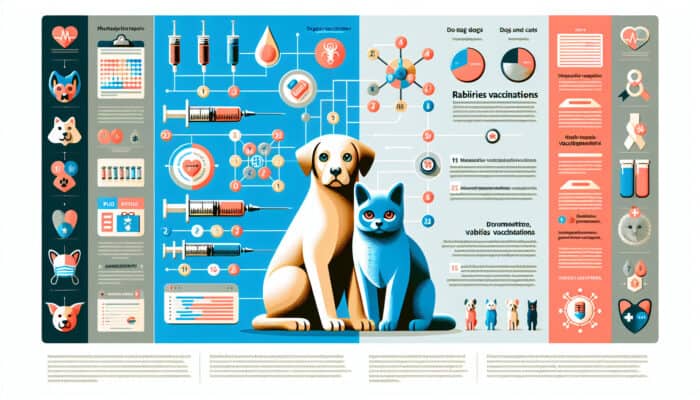
Table of Contents
Toggle
Rabies Shot Reactions in Pets: Rabies vaccinations play a vital role in protecting pets against the lethal rabies virus, a serious zoonotic disease primarily transmitted through bites from infected animals such as bats, raccoons, and foxes. The vaccine effectively stimulates the immune system, prompting it to produce antibodies that neutralize the virus, thereby significantly reducing the risk of infection. The advantages of rabies vaccinations are numerous and can be summarized as follows:
Robust vaccination protocols also support broader public health initiatives by reducing rabies reservoirs in animal populations. Given that rabies is a global concern, vaccination programs can drastically reduce incidence rates, leading to safer environments for both pets and humans.
Various types of rabies vaccines are available for pets, each engineered to deliver effective immunity against the virus. The two primary categories are killed-virus vaccines and recombinant vaccines. Each type has a unique administration protocol and varying durations of immunity, which might differ based on the pet’s age, health, and local regulations. The different types of rabies vaccines can be summarized as follows:
Understanding these different types empowers pet owners to make informed decisions about their pets' health, ensuring their vaccination choices align with the latest veterinary guidelines and regulations.
Multiple factors, including the type of vaccine used and local regulations, influence the frequency at which pets should receive rabies vaccinations. Generally, pets will receive an initial vaccination followed by booster shots at designated intervals. Recommended vaccination schedules typically adhere to these general guidelines:
These schedules may vary depending on local laws and the specific vaccines used, underscoring the importance of consulting with a veterinarian to ensure compliance and optimal health for your furry family members. Regular vaccinations not only protect individual pets but also contribute to the community's overall health.

Immediate reactions to rabies shots may encompass mild fever, lethargy, and soreness at the injection site. While these symptoms could cause alarm, they are typically mild and resolve within a few days. Common indicators of immediate reactions to rabies vaccinations may include:
Although these immediate reactions might be worrisome to pet owners, they generally pose no threat and resolve on their own. Monitoring your pet closely during this recovery period allows you to address any concerns promptly and consult your veterinarian if symptoms persist beyond a few days.
Though rabies vaccinations are widely regarded as safe, some pets may experience long-term side effects, albeit infrequently. These can include allergic reactions or autoimmune disorders that may develop days or weeks after vaccination. Potential long-term side effects of rabies vaccinations can encompass:
Awareness of these potential side effects is crucial, as it enables pet owners to monitor their pets for these signs and seek veterinary support if necessary. Maintaining regular communication with your veterinarian can help you effectively manage any adverse reactions that may arise.
Managing side effects from rabies vaccinations requires careful observation and support for your pet during their recovery. After vaccination, it is vital to monitor your pet's behavior and health closely. Should you notice any concerning symptoms, here are several tips for effectively managing side effects:
Proactively monitoring and managing side effects can help ensure your pet's well-being during the recovery phase following vaccination. Keeping an open line of communication with your veterinarian can provide reassurance and guidance whenever necessary.
Veterinarians frequently encounter a variety of reactions to rabies shots, and their insights can be invaluable for pet owners. Many veterinarians stress that while mild reactions are common, severe reactions are exceedingly rare. Real-world examples from veterinary experiences underscore the importance of understanding what to expect. For instance, one veterinarian noted that they often observe mild lethargy and discomfort in pets, which typically resolve within 24 to 48 hours. However, they also emphasize the necessity for pet owners to remain vigilant and proactive in monitoring their pets following vaccination.
Numerous professionals recommend that pet owners familiarize themselves with the signs of both mild and severe reactions to ensure prompt action when necessary. Engaging in open discussions with veterinarians before vaccination can also alleviate concerns, making owners feel better prepared. It is a common sentiment among veterinary professionals that the benefits of vaccination overwhelmingly outweigh potential risks, reinforcing the importance of keeping pets vaccinated against rabies.
Preparing for rabies vaccinations involves several practical steps to ensure a smooth experience for both pets and owners. First and foremost, confirming your pet's good health is essential; a wellness check before vaccination can identify any underlying issues. When addressing concerns with your veterinarian, pet owners should consider the following steps:
Understanding what to expect and how to prepare can greatly reduce anxiety for both pets and their owners. Being proactive and informed helps ensure that the vaccination process is as stress-free and effective as possible.
Numerous studies have evaluated the safety and efficacy of rabies vaccines, providing a robust foundation for their use in pets. Research consistently shows that rabies vaccines are both effective and generally safe, with adverse reactions being quite rare. Expert analysis indicates that regulatory bodies, including the World Health Organization (WHO) and the Centers for Disease Control and Prevention (CDC), endorse rabies vaccinations as a critical public health measure.
Studies have demonstrated that the long-term health risks associated with rabies vaccination are minimal compared to those posed by the disease itself. The effectiveness of vaccines in preventing rabies in pets is thoroughly documented, with vaccination programs showcasing significant reductions in rabies incidence among both domestic animals and wildlife. This body of research reinforces the importance of vaccination not only for individual pets but also for community health.
Common symptoms of rabies shot reactions in pets typically encompass mild fever, lethargy, and swelling at the injection site. Pet owners should familiarize themselves with these signs and closely monitor their pets after vaccination. A detailed list of symptoms that may occur includes:
Being vigilant about these symptoms allows pet owners to seek veterinary advice when necessary. Understanding what constitutes a normal reaction versus a cause for concern is essential for ensuring the well-being of pets during their recovery from vaccination.
In the event of severe reactions such as anaphylaxis, immediate veterinary care is crucial. Pet owners should be acquainted with the signs of severe reactions, which may include difficulty breathing, swelling around the face, and extreme lethargy. It is vital to have an emergency response plan in place. Steps for emergency response include:
Understanding how to respond in emergencies enables pet owners to act swiftly, minimize risks, and achieve the best possible outcomes for their pets. Being prepared and informed can significantly help manage severe reactions effectively.
Severe reactions to rabies shots can manifest in various ways and require immediate veterinary attention. Key indicators of a severe reaction include:
Recognizing these signs is crucial for prompt action, as severe reactions can escalate rapidly. Pet owners should remain vigilant and seek immediate veterinary assistance if any of these symptoms are observed. Understanding the urgency of these reactions can save lives and protect pets' health.
Monitoring your pet after a rabies vaccination is essential for their well-being and helps detect any adverse reactions early. This involves observing for changes in behavior, appetite, or physical condition following vaccination. A helpful checklist for monitoring pets after rabies vaccinations includes:
Proactive monitoring can help identify issues early, enabling timely veterinary intervention if needed. Keeping a close watch on your pet in the hours and days following vaccination is a crucial aspect of responsible pet ownership.
Regular check-ups after a rabies vaccination are vital for identifying any side effects early and managing them effectively. These visits serve multiple essential purposes:
Regular veterinary check-ups reinforce the importance of preventative care in maintaining pet health. They also strengthen the bond between pet owners and veterinary professionals through open communication and trust.
Protecting pets from rabies involves implementing several proactive measures that pet owners must take seriously. Ensuring vaccinations are current is just the beginning; comprehensive preventive measures can further enhance their safety. Best practices for protecting pets from rabies include:
Implementing these strategies can significantly reduce the risk of rabies exposure for pets, contributing to their overall health and safety. Awareness of local wildlife and potential transmission risks is crucial in effectively tailoring protective measures.
Vaccinations are pivotal in preventing rabies by enhancing the pet's immune response to the virus. When a pet receives a rabies vaccine, their body produces antibodies that offer protection against future infections. The importance of vaccinations in rabies prevention can be highlighted through the following points:
Understanding the critical role that vaccinations play in rabies prevention empowers pet owners to prioritize their pets' health and well-being. Engaging veterinarians in discussions about vaccination schedules and best practices enhances preventive healthcare strategies.
In addition to vaccinations, pet owners can adopt other essential measures to prevent rabies exposure. These precautions are particularly critical in areas where rabies is more prevalent. Additional preventive strategies include:
Proactive measures like these can significantly minimize the risk of rabies exposure for pets. Awareness, education, and responsible pet ownership are key components of creating a safer environment for all members of the community.
Early detection of rabies symptoms in pets is crucial for timely treatment and preventing the potential spread of the virus. Recognizing the signs of rabies can significantly impact outcomes. Common signs of rabies in pets may include:
Understanding these symptoms is vital for pet owners, as timely action can help prevent further spread and protect other animals and humans from potential exposure. If rabies is suspected, immediate veterinary attention is necessary to minimize risks and ensure appropriate care.
Many regions enforce laws requiring pet rabies vaccinations and reporting potential exposures to control the disease effectively. Rabies prevention, the measures can vary considerably by location and may include:
Understanding these legal requirements is vital for pet owners to ensure compliance and protect both their pets and the wider community. Engaging with local veterinary services can provide clarity on specific laws and reinforce responsible pet ownership practices.
Even indoor pets can be at risk of rabies if they come into contact with infected wildlife. Many pet owners mistakenly believe that keeping their pets indoors eliminates the risk of rabies, but that is not the case. Potential risks include:
Vaccinating indoor pets is essential to protect them from potential exposure and ensure their health and the health of those around them.
While some pets may experience temporary behavioral changes due to mild reactions, rabies vaccinations do not cause long-term behavioral issues. Minor behavioral changes may manifest as pets react to the vaccine, but these are typically transient. Pet owners may observe:
Being aware of these potential temporary changes helps pet owners distinguish them from more serious health concerns, underscoring the importance of regular monitoring after vaccination.
The long-term health risks associated with rabies vaccinations are minimal and typically involve rare allergic reactions or autoimmune conditions. While concerns about vaccine safety are common, extensive research supports the view that the benefits of vaccination outweigh any potential risks. Understanding widespread misconceptions about long-term health risks can help alleviate concerns:
Understanding these facts is crucial for pet owners, as this knowledge promotes informed decision-making regarding their pets’ health and vaccination needs.
Choosing the right rabies vaccine for your pet involves considering several factors, including your pet's health, age, and any previous reactions to vaccinations. Real-world examples illustrate the importance of personalized vaccine selection. Recommendations for selecting the appropriate rabies vaccine include:
Making informed choices helps optimize vaccine efficacy while minimizing the risk of adverse reactions, underscoring the importance of professional veterinary guidance.
If your pet reacts to a rabies shot, it is essential to closely monitor their symptoms and contact your veterinarian for guidance on the next steps. Immediate action can greatly influence outcomes. Recommended steps for addressing a pet's reaction include:
Being prepared and informed enables pet owners to respond effectively to unexpected reactions, ensuring the best possible care for their pets.
Educating yourself about rabies vaccinations involves consulting reliable sources, discussing it with your veterinarian, and staying up to date on the latest research. Knowledge is crucial for making informed decisions about your pet's health. Strategies for self-education include:
Commitment to ongoing education empowers pet owners to make responsible choices regarding their pets’ health and well-being, ultimately contributing to a safer environment for all.
Rabies vaccinations not only protect pets against the virus but also contribute to their overall health and well-being by preventing a potentially lethal disease. The significance of rabies vaccinations in promoting overall pet health can be understood through several key points:
Recognizing the integral role vaccinations play in pet health empowers owners to prioritize their pets’ well-being through responsible vaccination practices.
Rabies vaccinations in pets extend beyond individual health; they play a vital role in preventing the virus from spreading to other animals and humans. The community health benefits of rabies vaccinations are substantial and can be summarized as follows:
Understanding the interconnectedness between pet and community health underscores the importance of rabies vaccination as a fundamental public health strategy.
Ensuring compliance with rabies vaccination laws is crucial for legal and health reasons, protecting both pets and the community. Legal implications for pet owners regarding rabies vaccinations can encompass:
Being aware of these legal obligations underscores the importance of maintaining vaccination schedules and practicing responsible pet ownership. Compliance not only protects individual pets but also contributes to community safety and health.
Signs of rabies in pets include behavioral changes, difficulty swallowing, excessive drooling, and loss of coordination. Early detection is crucial for preventing further spread and obtaining timely veterinary care.
Yes, rabies vaccinations are considered safe for pets. While some may experience mild side effects, severe reactions are rare, and the benefits of vaccination far outweigh potential risks.
Pets typically receive their first rabies vaccination at 12 to 16 weeks of age, followed by a booster one year later, then every 1 to 3 years, depending on the vaccine type and local regulations.
Yes, even indoor pets can be at risk for rabies. They can encounter infected wildlife or be exposed during outdoor activities, making vaccinations essential for their protection.
Monitor your pet closely for any symptoms and contact your veterinarian if symptoms persist or worsen. Prompt communication can help ensure appropriate care.
Some pets may experience temporary behavioral changes after vaccination, but these are usually mild and resolve quickly. Rabies vaccinations do not cause long-term behavioral issues.
Consult your veterinarian for personalized advice and refer to credible sources such as veterinary associations and public health organizations for accurate information on rabies vaccinations.
Legal requirements vary by region but often include mandatory vaccinations, record-keeping, reporting of exposure incidents, and compliance with local public health regulations.
Ensure your pet is in good health, discuss any concerns with your veterinarian, and bring comfort items to the appointment to reduce stress during the vaccination process.
Rabies vaccination is vital for community health because it prevents virus transmission, reduces incidence rates, and promotes herd immunity among pet and wildlife populations, ensuring a safer environment for all.
Tags
Essential Steps for Assembling Your Puppy’s Crate Accurate Measurements for Your Puppy’s Size To guarantee that your puppy’s crate is both comfortable and secure, precise

Understanding the Features of Temperature-Controlled Pet Beds Key Components of Temperature-Controlled Beds The essential elements that enable temperature-controlled beds for pets to maintain comfortable temperatures

Navigate Seasonal Flea Challenges for Your Pets How to Spot the Early Signs of Flea Infestation Early detection of flea activity is essential for pet
By subscribing to our newsletter you agree to our Terms and Conditions and Privacy Policy