


Crate Setup for Puppy Comfort: Tips for a Cozy Space
Essential Steps for Assembling Your Puppy’s Crate Accurate Measurements for Your Puppy’s Size To guarantee that your puppy’s crate is both comfortable and secure, precise

Table of Contents
TogglePower Outage Pet Comfort: Preparing for a power outage involves ensuring your pet's needs are met, which is crucial to their well-being. Begin by gathering a sufficient stock of food, water, and medications tailored to your pet’s specific requirements. It is wise to consider the anticipated outage duration and prepare accordingly. Aim for at least three days' worth of supplies, but be ready for longer durations if needed.
Beyond the basics of food and water, include battery-operated lights and cozy blankets in your supplies. These items not only keep your pet comfortable but also help them feel secure amid the uncertainty that often accompanies power loss. The sudden onset of darkness can confuse pets, but having reliable light sources can alleviate their anxiety. Additionally, layering blankets provides warmth, particularly in colder climates.
A power outage can cause stress for pets, making it essential to establish a safe, comforting environment. Choose a quiet space in your home, away from windows and doors, which may be unsettling during severe weather or when unexpected noises arise. You can enhance this safe zone by incorporating soft bedding and familiar items that your pet recognizes, fostering a sense of security.
Include their favorite toys, blankets, or even an item of your clothing to provide additional comfort and familiarity. The presence of these beloved items reassures your pet, indicating they are in a safe place. It is crucial to set up this area before any outages occur, so your pet can explore and become accustomed to their designated spot.
Developing a well-structured emergency plan is vital to ensure your pet's safety during power outages. This plan should detail how to evacuate with your pet if the situation demands it. Keep a list of contact information for local pet-friendly shelters and your veterinarian readily accessible. It is also beneficial to familiarize yourself with the routes to these shelters in advance.
Consider scenarios that may necessitate leaving your home, such as flooding or structural damage in your area. Please make arrangements for safely transporting your pet, whether in a carrier or on a leash, ensuring their safety and comfort. Additionally, prepare a checklist of essential items to grab quickly to avoid missing necessities like food, water, and medications.

During a power outage, prioritizing your pet's safety is of utmost importance. Keep pets away from potential hazards, such as candles or space heaters. The sudden appearance of drafts can startle pets, leading them to knock over candles, which poses a fire hazard. Instead, use pet-safe glow-in-the-dark products or flashlights to help them navigate safely through the darkness.
Ensure that all windows and doors are securely closed to prevent pets from escaping in a panic. For pets prone to anxiety, consider using a leash or harness to keep them close, helping them remain calm and contained during this stressful time. Observe their behavior closely, as some pets may respond differently to the anxiety and uncertainty that often accompany power outages.
During power outages, it is critical not to neglect your pet's health. Regularly check on their well-being, especially if the outage extends beyond a few hours. Ensure they have access to fresh water and that their living environment remains clean and hygienic. Dehydration can occur rapidly, so it is vital to change their water supply every few hours to keep them hydrated.
In addition to monitoring hydration, maintain cleanliness in your pet's area. Use biodegradable waste bags for quick clean-ups and ensure their bedding stays dry and comfortable. If the power outage persists for more than a couple of days, have a plan for bathing your pet without hot water, such as using pet-safe wipes or a dry shampoo.

Keeping your pet warm during a power outage can be particularly challenging, especially in colder climates. Consider using alternative heating sources, such as space heaters or heated blankets, but ensure these devices are pet-safe and monitored at all times—position space heaters in secure areas where pets cannot tip them over or come into direct contact with them.
If you choose to use heated blankets, place them in your pet's designated safe area to provide warmth without relying on electricity. Regularly check the blankets for overheating and switch them off when not in use to avoid any potential hazards. Creating a warm environment while prioritizing safety is paramount.
During outages, pets may be susceptible to cold-related health issues, including hypothermia or frostbite. Look for signs of hypothermia such as shivering, lethargy, or cold extremities. If your pet exhibits these symptoms, act quickly to warm them up by wrapping them in warm, dry blankets and providing warm fluids to help regulate their body temperature.
For frostbite, gently warm the affected areas, avoiding direct heat sources such as heaters or hair dryers. Instead, wrap the area with a warm cloth. Monitor your pet's condition closely, and if symptoms persist or worsen, contact your veterinarian for further guidance and intervention.
When using alternative heating sources, proper ventilation becomes crucial to prevent carbon monoxide poisoning. Ensure that air circulates throughout your home, if it is safe to do so, and slightly open windows to let in fresh air while maintaining manageable indoor temperatures. Regularly check your environment for any unusual smells or signs of carbon monoxide buildup.
Installing a battery-powered carbon monoxide detector can also be beneficial. Position it near your pet's designated area to ensure their safety. Ensuring adequate ventilation will protect both you and your pets during power outages, allowing you to focus on comfort and care.
During a power outage, it is essential to keep your pet entertained to reduce stress and anxiety. Engage in interactive play that does not rely on electricity. Activities such as tug-of-war with a favorite tug toy or playing fetch with a beloved ball can provide both physical exercise and mental stimulation. Different types of pets respond positively to various activities, so tailor your playtime accordingly.
For dogs, invigorating activities like frisbee or ball toss can be delightful, while cats may enjoy chasing laser pointers or feather wands. Even small mammals like rabbits can be entertained by pursuing soft toys. Blending play with training exercises is also beneficial, enhancing your pet’s skills while keeping them engaged and happy.
Incorporating mental stimulation into your pet's routine during a power outage is crucial for keeping them occupied and reducing stress. Puzzle toys and treat-dispensing games are excellent options, as they challenge pets and reward them with treats. These activities not only promote cognitive function but can also keep them busy for extended periods.
Consider offering a variety of interactive toys to cater to your pet's different interests. For example, cats may enjoy toys that mimic the movements of prey, while dogs might prefer toys that involve solving a puzzle to access hidden treats. Rotating toys periodically can help maintain their novelty, keeping your pet engaged and entertained throughout the outage.
Consistency in your pet's routine is vital during a power outage. Striving to adhere to your pet's regular feeding and exercise schedule as closely as possible helps foster a sense of normalcy amidst the disruption. Regular feeding times can significantly manage their anxiety, as pets thrive on routine and familiarity.
In addition to meals, maintain their exercise routine through indoor play or short walks if conditions permit. Sticking to their established routine reassures your pet and alleviates some of the stress they may experience during this uncertain time. Gradually returning to their usual schedule after the outage will also help ensure a smooth recovery.
Veterinarians frequently emphasize the importance of having a safety plan for pets during power outages. Common concerns revolve around maintaining hydration and preventing pets from ingesting unsafe substances. To enhance safety, always keep fresh water accessible and use bottled water if you have doubts about the quality of your tap water during outages.
Additionally, pets should have a dedicated safe space where they can retreat if they feel scared or anxious due to noises or environmental changes. Vets recommend avoiding direct exposure to candles or flames and instead using flashlights or glow sticks to illuminate the area. Assembling an emergency kit with essential supplies can help address many issues that arise during outages.
To help soothe anxious pets during power outages, several effective behavioral strategies can be employed. One particularly successful method involves using calming pheromone diffusers, which create a relaxing atmosphere for pets. Additionally, providing calming treats formulated for pets can significantly reduce anxiety levels.
Incorporating soothing sounds, such as soft music or white noise, can also be comforting for pets. Establishing a calm environment with minimal disruptions helps pets feel more secure. Engaging in gentle play or offering reassuring touches can further alleviate anxiety during stressful situations, providing them with comfort and support.
When preparing for prolonged power outages, it is essential to strategize for your pet’s well-being over several days. Ensure you have a sufficient stock of food, water, and medications that can last at least a week. Exploring methods for preserving food, such as using coolers and ice packs, is a wise approach to maintaining freshness.
Consider creating an emergency contact list that includes your veterinarian and local animal shelters to ensure quick access to resources in an emergency. Research local pet-friendly evacuation sites and keep this information readily available in case you need to relocate your pet for safety.
Maintaining your pet's diet during extended power outages can prove challenging. Monitor the storage conditions of their food to prevent spoilage; if refrigeration is unavailable, consider switching to dry food, which has a longer shelf life. Always store food in airtight containers to safeguard against contamination and pests.
In addition to monitoring food, develop a plan for alternative feeding options. If your pet prefers wet food, explore safe ways to keep it cool, or switch to dry food when necessary. Maintaining a variety of food types can offer flexibility and ensure your pet receives adequate nourishment, even in challenging circumstances.
Understanding the signs of pet distress is critical during a power outage. Be vigilant for signs such as excessive whining, pacing, hiding, or a sudden loss of appetite, as these behaviors can indicate that your pet is feeling stressed or anxious. Pets possess remarkable intuition; changes in their environment can profoundly impact their behavior.
It is essential to monitor your pet closely, particularly if you notice any unusual behaviors. Some pets may attempt to escape, while others may cling to you for reassurance. If you observe strong reactions, offer comfort through calm voices and gentle touches to help them feel secure and safe.
Paying attention to your pet's physical symptoms during a power outage is essential to safeguard their well-being. Look for signs such as vomiting, diarrhea, or changes in appetite, as these could indicate stress or illness. Distinguishing between stress-related symptoms and actual health issues can be challenging.
Keeping a log of your pet's behaviors and any changes can aid in effective communication with your veterinarian if necessary. If physical symptoms persist for more than a day or worsen, it is crucial to consult your vet promptly. Prioritizing your pet's health and well-being is always the best course of action.
Recognizing when to seek veterinary assistance during a power outage can significantly impact your pet's health. If your pet exhibits severe signs of distress, such as extreme lethargy, persistent vomiting, or an inability to stand, contact your veterinarian immediately. Prompt intervention can address issues before they escalate into more serious health concerns.
Understanding the environmental triggers that may cause stress in your pets is crucial for their comfort during an outage. Common stressors include loud noises, such as thunder or high winds, as well as changes in routine or environment. Identifying these triggers helps create a more calming atmosphere for your pet.
To minimize their impact, provide a designated quiet area where your pet can retreat if they feel overwhelmed. Utilizing calming aids like pheromone diffusers and playing soft music can help mask external noises and create a tranquil environment. Your pet’s comfort is of utmost importance during these unsettling times.
Creating a calming environment for your pet is essential during a power outage. Incorporate calming aids such as soothing music, pheromone diffusers, or weighted blankets to help reduce anxiety levels. Soft lighting can also soothe pets who may be frightened by the dark.
Arrange your pet's safe space with familiar items and encourage them to settle in with comforting toys or a favorite blanket. Regularly engage them in gentle play or quiet companionship to enhance their sense of security. A peaceful atmosphere allows your pet to navigate the challenges of a power outage with greater ease and comfort.
Properly managing your pet's medications during a power outage is vital to their health. Stock up on enough medication to last through the outage, and familiarize yourself with administering it without electricity. For pets requiring refrigerated medication, have an alternative plan in place, such as using coolers with ice packs to maintain the proper temperature.
Consult your veterinarian regarding any specific medications your pet may require, and discuss what steps to take in the event of power loss. Keep an organized record of your pet's medications, including dosages and administration times, to ensure that you can maintain their treatment plan even in challenging circumstances.
During power outages, it is essential to keep your pet's food and water fresh. Use coolers or ice packs to keep perishables at a safe temperature, and regularly check for spoilage. Changing your pet's water supply every few hours is crucial to prevent dehydration, especially if they exhibit signs of stress.
Encourage your pet to drink by offering fresh water in a clean bowl or using ice cubes as treats in their water. Ensure that dry food remains sealed and stored in a cool, dry location to preserve its quality. Regular monitoring will help ensure your pet remains hydrated and healthy throughout the outage.
Proper management of your pet's waste and hygiene during an outage is crucial for maintaining their health and comfort. Have a clear plan in place for waste disposal, whether that involves utilizing biodegradable bags or establishing designated indoor areas for cats. Keeping your pet’s living area clean and hygienic is vital to prevent illness and discomfort.
For cleaning your pet without access to hot water, utilize pet-safe wipes or damp cloths to freshen them up. Regular grooming will help maintain their hygiene even during tough circumstances. Consider assembling an emergency supply of pet grooming products in your emergency kit for easy access when needed.
Once power is restored, assessing your pet's condition is essential to ensure they are healthy and comfortable. Look for signs of illness or stress that may have developed during the outage, such as changes in appetite or behavior. Conduct a thorough check-up at home, closely monitoring their general health and well-being.
If you observe any abnormalities, contact your veterinarian for advice. They can help determine whether follow-up care is necessary. Maintaining good health practices will facilitate your pet's adjustment back to their normal routine with minimal stress.
Gradually reintroducing your pet to their routine is key to helping them adjust back to normal life after a power outage. This process may require time, especially if your pet has experienced significant stress. Start by reinstating their feeding and exercise schedules, ensuring they feel reassured through familiar activities.
Monitor their behavior closely as they readjust, and exercise patience with any lingering anxiety. Some pets may take longer than others to return to their usual selves. Providing comfort and support during this transition is essential for their well-being and emotional health.
Every power outage experience can provide valuable lessons for future preparedness. Reflect on what strategies were effective and what aspects could be improved when caring for your pet during the outage. Consider reviewing your emergency kit and making necessary updates based on what you learned from the experience.
Evaluate whether your pet's needs were effectively met, and be proactive in planning for any potential outages in the future. Adjusting your strategy based on past experiences will equip you and your pet to handle any upcoming challenges related to power loss more effectively.
After a power outage, it is crucial to monitor your pet for any potential long-term health issues that may have arisen from stress or lack of care during the outage. Regular veterinary check-ups can help identify hidden problems early, enabling prompt intervention if required.
Be vigilant for any behavioral or physical changes in your pet after the outage, as these may indicate the need for further evaluation. Ongoing monitoring will help ensure your pet remains happy and healthy long after power is restored.
Reviewing and updating your pet's emergency kit is essential after a power outage. Assess the contents of your kit and ensure it includes essentials like food, water, medications, and comfort items for future outages. Consider adding new items based on your experiences and your pet’s specific needs.
Maintaining an up-to-date emergency kit helps minimize stress and uncertainty during challenging situations. Regularly check expiration dates on food and medications and replenish items as necessary. A complete, organized emergency kit empowers you to swiftly and effectively provide for your pet's needs during future outages.
Your pet emergency kit should contain food, water, medications, first-aid supplies, toys, blankets, and contact information for your veterinarian.
Provide a safe, quiet space, utilize calming aids, and engage in gentle play to help keep your pet calm during stressful situations.
Pets can typically survive for about 3-5 days without food, but should always have access to fresh water to prevent dehydration.
Signs of stress in pets can include excessive barking or whining, hiding, pacing, and changes in appetite or behavior.
Ensure you have enough medication on hand and keep it in a cooler if it requires refrigeration. Always consult your vet for emergency alternatives.
Engage your pet with interactive toys, puzzles, and playtime that requires no electricity, such as tug-of-war or fetch.
It’s best to avoid candles as they pose a fire hazard. Instead, use flashlights or battery-powered lights to ensure safety.
If your pet displays any unusual symptoms or behaviors after a power outage, contact your veterinarian for an evaluation as soon as possible.
Use pet-safe heating blankets and secure spaces, and monitor your pet closely for signs of cold stress, adjusting their environment as needed.
Gradually reintroduce your pet to their normal routine, provide familiar comforts, and monitor their behavior for any signs of lingering anxiety.
Tags
Essential Steps for Assembling Your Puppy’s Crate Accurate Measurements for Your Puppy’s Size To guarantee that your puppy’s crate is both comfortable and secure, precise
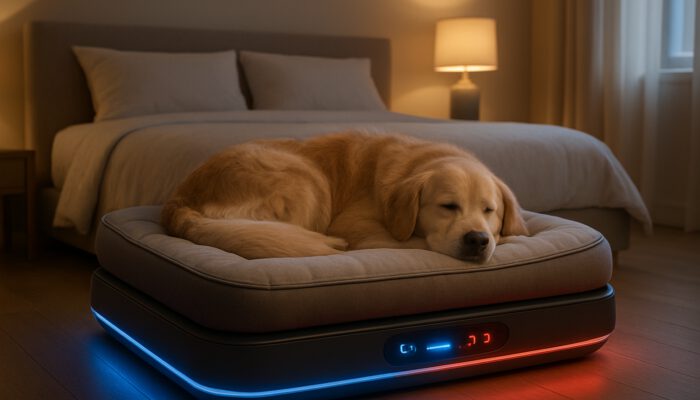
Understanding the Features of Temperature-Controlled Pet Beds Key Components of Temperature-Controlled Beds The essential elements that enable temperature-controlled beds for pets to maintain comfortable temperatures

Navigate Seasonal Flea Challenges for Your Pets How to Spot the Early Signs of Flea Infestation Early detection of flea activity is essential for pet
By subscribing to our newsletter you agree to our Terms and Conditions and Privacy Policy