

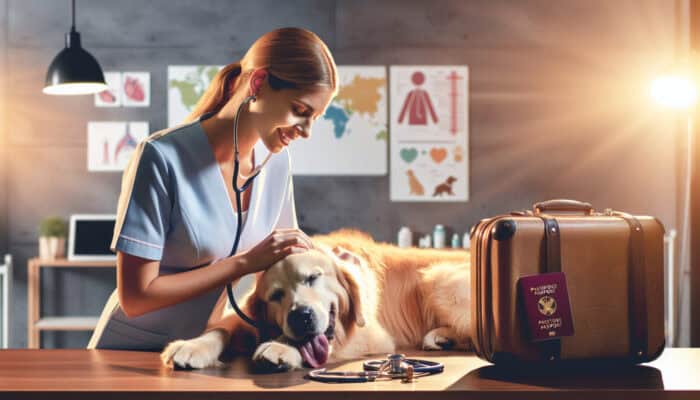
Understanding the Significance of Post-Travel Health Checks for Pets
Why Timely Health Evaluations Are Essential for Pets

Post-Travel Health Checks for Pets: Scheduling post-travel health checks is vital for closely monitoring pets' well-being after exposure to new environments. Traveling can introduce pets to various stressors and potential pathogens that may lead to hidden health issues. By conducting timely evaluations, pet owners can identify early symptoms such as fatigue, behavioral changes, or unusual reactions, enabling swift intervention. This proactive stance helps promote the long-term health of our cherished companions, ensuring that any post-travel complications are effectively addressed. By booking veterinary appointments promptly after a trip, owners can focus on their pet's overall recovery and avoid overlooking subtle signs that may indicate serious health concerns.
What Common Health Risks Do Traveling Pets Face?
Post-travel situations expose pets to a range of unseen health threats, making it crucial for pet owners to understand these risks. Common vulnerabilities include exposure to infectious diseases and parasites, as well as dietary or routine changes that can lead to gastrointestinal disturbances. Symptoms such as lethargy, vomiting, or diarrhea may signal underlying issues that necessitate immediate veterinary attention. By remaining vigilant about these risks and recognizing the signs of potential health problems, owners can take proactive measures to ensure their pets stay safe and healthy after their journeys. Understanding these threats equips owners with the knowledge needed for better preparedness and proactive care, ultimately enhancing pets' resilience during travel.
Key Preparation Steps for Post-Travel Health Checks
Before initiating any health follow-ups, it's crucial to gather essential pet records and supplies. This preparation facilitates smooth health assessments and enables veterinarians to provide comprehensive care. Here’s a checklist of necessary items to streamline the process and enhance the accuracy of evaluations:
- Vaccination history
- Medication records
- Travel-related health documents
- Observation notes on any behavior changes
- Feeding schedule and dietary preferences
- Previous health issues or treatments
- Recent weight measurements
- Observations on activity levels
Organizing these documents and supplies in advance ensures the post-travel health check is thorough and efficient, supporting the best possible health outcomes for your pet.
How Can You Effectively Prepare for Post-Travel Health Checks?

Gathering Necessary Documents for Your Pet's Health Check
Collecting travel-related pet documents is the first step in preparing for post-travel health checks. Comprehensive records provide veterinarians with essential information needed for accurate evaluations. Owners should ensure that all relevant documents are organized and easily accessible during the appointment. Important steps include verifying vaccination records to confirm that all immunizations are current and gathering information about previous health conditions and treatments. This level of preparedness not only improves the efficiency of the checkup process but also enables the veterinarian to tailor recommendations to the pet’s specific history and needs.
What Symptoms Should You Monitor After Travel?
Monitoring symptoms after travel is crucial to ensuring your pet's health and overall well-being. Owners should be vigilant about observing changes in appetite, energy levels, and mood. Common issues to watch for include lethargy, lack of interest in food, or unusual behavior, which can indicate underlying health problems. Early detection of these signs enables prompt veterinary intervention, turning routine health checks into proactive health management. By regularly assessing your pet’s condition after travel, you can help ensure they recover quickly and smoothly, fostering a supportive environment for their health.
Scheduling Appointments with Veterinary Professionals

Arranging veterinary appointments in advance is essential to ensure your pet's specific needs are addressed after travel. It’s crucial to cover not only the physical examination but also to discuss any observations the owner has made about the pet’s behavior and health. This open communication enables veterinarians to develop appropriate recovery plans and provide necessary recommendations. When scheduling these important follow-ups, consider the best times for your pet to minimize stress and ensure a supportive environment. A calm visit can significantly enhance the experience and effectiveness of the post-travel health check, providing peace of mind for both the pet and the owner.
Preparing Your Pet's Environment for a Smooth Transition
Creating a calm and clean environment upon your pet's return is crucial for minimizing stress and potential health risks. Ensure that your pet has access to fresh water, comfortable bedding, and familiar toys to provide a sense of security. This thoughtful preparation not only eases the transition back home but also facilitates smoother health checks and quicker recovery. A peaceful environment allows pets to relax, which helps ensure accurate monitoring of their behavior and symptoms during the post-travel assessment. Prioritizing their comfort plays a significant role in their overall health and well-being.
Dietary Considerations for Pets After Traveling
After traveling, it's important to gradually reintroduce your pet's regular diet to avoid gastrointestinal upset. Sudden changes in diet can cause digestive issues, so it’s advisable to gradually incorporate any travel-related dietary changes into their regimen over several days. Owners should remain vigilant for signs of food intolerance or digestive distress, such as vomiting or diarrhea, and consult their veterinarian if they arise. Proper nutrition supports immune health and should be integrated with post-travel evaluations for optimal well-being. Making dietary adjustments with care can significantly aid your pet's recovery, helping them return to their normal routine in good health.
Expert Insights on Conducting Post-Travel Health Checks for Pets
Implementing Actionable Steps for Pet Owners
Implementing effective health protocols after travel can significantly enhance your pet's recovery process. Experts recommend establishing a daily monitoring routine that includes checking your pet’s temperature, observing their behavior, and watching for any signs of distress. For instance, if a dog seems hesitant to engage in play or a cat suddenly changes its grooming habits, these could be red flags. Create a checklist to efficiently track potential health concerns. Furthermore, engage in regular discussions with your veterinarian regarding your pet’s specific needs and share any changes you notice. This proactive involvement fosters a supportive environment for your pet’s recovery and ongoing health management.
Veterinary Recommendations for Optimal Pet Health
Veterinary experts strongly advise tailored health check protocols based on your pet’s unique needs after travel. These protocols typically involve detailed physical examinations that include checking for signs of dehydration, skin irritation, or potential infections. Emphasizing evidence-based approaches is critical; veterinarians may recommend specific diagnostic tests, such as blood work or fecal analysis, to evaluate your pet's overall health. Following these professional guidelines can lead to timely interventions that enhance recovery rates. Collaborating closely with your veterinarian ensures that your pet receives specialized care tailored to their health status and individual circumstances.
How Do Experts Address Complications That Arise After Travel?
When complications arise after travel, specialists use advanced techniques to address them effectively. For instance, if a pet is diagnosed with a parasitic infection acquired during travel, veterinarians may employ targeted treatments and guide on preventing future infestations. Real-world examples show that early detection and prompt intervention can significantly improve outcomes. In one case, a traveling dog showed signs of lethargy and was diagnosed with Lyme disease; with timely care, the owner's swift actions led to a full recovery. This underscores the importance of expertise in navigating the complexities of pet travel-related health issues.
Preventive Strategies for Future Pet Travels
Experts recommend adopting preventive measures to safeguard pets both before and after trips. Key strategies include ensuring vaccinations are up to date and discussing potential travel risks with a veterinarian in advance. Techniques to reduce stress during travel, such as desensitization training or calming products, can significantly enhance pets' experience. Additionally, routine health screenings before travel help identify any existing issues that travel conditions might exacerbate. Following professional guidance on preventive strategies minimizes risk and promotes long-term well-being, ensuring pets are well prepared for future travels and adventures.
Research-Backed Benefits of Conducting Post-Travel Health Checks for Pets
Evidence from Studies on the Effectiveness of Health Checks
Research indicates that post-travel health checks significantly reduce the risk of illness in pets. Studies illustrate that early detection of health issues can substantially improve pet longevity and quality of life. For example, a study found that pets receiving routine evaluations had a 25% lower incidence of chronic illnesses than those without regular checkups. These expert checkups underscore the importance of making these evaluations an integral part of pet care routines. By prioritizing post-travel health checks, pet owners can improve outcomes and foster a stronger bond with their pets.
What Long-Term Health Advantages Can Pets Experience?
Ongoing health checks can significantly improve pets' quality of life. Regular monitoring enables sustained improvements in health, such as stronger immunity and a reduced risk of disease. Pets that receive consistent evaluations are more likely to maintain optimal body weight, exhibit healthier behaviors, and enjoy longer, more active lives. Experts emphasize that continued vigilance in pet health management nurtures trust between pets and their owners, leading to happier, healthier companionship. By prioritizing long-term care through regular health checks, pet owners can create a nurturing environment that fosters resilience and well-being for their furry friends.
Trusted Strategies for Implementing Effective Health Checks
Integrating health checks into daily routines can streamline the process of maintaining your pet’s well-being. One effective strategy is to schedule specific days for health evaluations as part of your pet care routine. For example, using a calendar reminder for monthly check-ins helps establish consistency. Additionally, consider adopting a pet health app to track symptoms, medication schedules, and veterinary appointments. These proven methods simplify the process, making post-travel health checks an effortless part of pet ownership, fostering a more proactive approach to care, and enhancing pets' quality of life.
What Are the Key Benefits of Conducting Post-Travel Health Checks?
How Post-Travel Health Checks Improve Overall Pet Well-Being
Post-travel health checks significantly foster overall health by addressing the stresses that arise from travel. Owners often notice enhancements in their pets' behavior and vitality shortly after these assessments. For instance, pets that receive timely evaluations show improved energy levels and a more stable demeanor, reflecting positive changes in their physical and emotional well-being. Addressing travel-related stressors through health assessments helps ensure a smoother transition home, allowing pets to resume their everyday routines with renewed vigor and enthusiasm, ultimately leading to a happier life.
Core Advantages of Health Checks for Different Types of Pets
The benefits of post-travel health checks can vary by pet type, promoting resilience tailored to individual needs. For dogs, this may include monitoring joint health, especially in older dogs or those with pre-existing conditions. Cats may require specific attention to their dietary habits and potential weight changes after travel. Ensuring that health checks accommodate the unique requirements of various species and breeds enhances the overall effectiveness of post-travel care. This personalized approach supports long-term health and ensures that all pets receive the specific attention they require for optimal care and well-being.
Ensuring Ongoing Safety Measures for Your Pet's Health
Establishing post-check routines is vital for maintaining vigilance in your pet's health. Simple practices can significantly enhance ongoing protection against potential health issues. Consider implementing the following preventive tips:
- Regularly monitor behavioral changes
- Maintain an updated vaccination schedule
- Keep a log of dietary changes and reactions
- Schedule biannual veterinary checkups
- Engage in recheckups and hygiene practices
- Educate yourself on common travel-associated risks
- Utilize flea and tick prevention protocols
- Encourage physical activity to support health
By adopting these strategies, pet owners can ensure their companions remain healthy and happy long after their travels, fostering a strong bond built on trust and care.
Effective Strategies for Conducting Post-Travel Health Checks for Pets
Creating a Structured Routine for Health Evaluations
Developing a structured approach to regular evaluations is essential to ensure pets remain healthy after travel. Establish a routine check plan that includes specified intervals for health assessments, ideally within one to two weeks post-travel. Consider incorporating elements such as checking temperature and daily behavior observations into this routine. This structured plan not only helps to identify any emerging health issues but also reinforces the habit of proactive pet care. By consistently tracking your pet’s health, you can establish a baseline that helps identify deviations from their normal state, enabling timely interventions when necessary.
Adapting Health Checks to Your Pet's Specific Needs
Tailoring health checks to individual behaviors and needs is crucial to achieving optimal results. Each pet exhibits unique traits, and a standardized approach may not address all their needs. For instance, a high-energy dog may need more frequent activity assessments, while a senior cat might require additional attention to dental health. Emphasizing flexible strategies that adapt to your pet’s specific situation can improve the effectiveness of health checks. Engaging with your veterinarian to create personalized care plans improves your pet’s health outcomes and strengthens your bond through shared health management.
Evaluating Your Pet's Progress Over Time
Monitoring progress through regular follow-ups is vital for tracking health trends and making necessary adjustments. Regular assessments can reveal patterns in your pet’s behavior and physical condition, allowing for timely interventions when deviations occur. For instance, if a previously active dog becomes lethargic over time, this could indicate a need for further medical investigation. Utilize tools such as health journals or apps to document changes and communicate effectively with your veterinarian. By focusing on long-term effectiveness, you can ensure your pet receives the best possible care throughout their life.
Your FAQs Answered
What steps should I take if my pet shows signs of illness after travel?
If your pet exhibits any signs of illness, such as lethargy or changes in appetite, contact your veterinarian immediately. Early intervention is crucial to effectively address potential health issues and ensure your pet's well-being.
How soon after traveling should I schedule a health check for my pet?
It’s best to schedule a health check within one to two weeks after traveling to ensure any potential health issues are identified and treated promptly, safeguarding your pet’s health.
What essential documents do I need for my pet's post-travel health check?
Essential documents include vaccination history, medication records, travel-related health documents, and any observations regarding behavior changes during or after the trip that may be relevant to your pet's health.
Are there specific health risks associated with traveling to different climates?
Yes, different climates can expose pets to unique health risks, such as heat stress in warmer areas or respiratory issues in colder climates. It's essential to adapt your pet's care to the travel environment to ensure your pet's safety.
How can I minimize stress for my pet during travel?
To minimize stress, ensure your pet is comfortable with their travel carrier, take frequent breaks during long journeys, and maintain a routine similar to their home environment to provide stability.
What are common post-travel health problems that pets may experience?
Common issues include gastrointestinal disturbances, lethargy, and exposure to parasites. Monitoring for these signs is crucial for timely intervention and ensuring your pet's health remains a priority.
Should I change my pet’s diet after returning from travel?
Gradually reintroducing your pet's regular diet is advisable to avoid gastrointestinal upset. Monitor for any signs of intolerance during this transition period to ensure your pet adjusts well back to their normal diet.
How can I keep my pet healthy after a checkup?
Maintain regular veterinary visits, closely monitor your pet's behavior, keep vaccinations up to date, and follow your veterinarian's recommendations for ongoing care to promote your pet's long-term health.
Why are post-travel health checks considered important for pets?
Post-travel health checks are vital for early detection of any travel-related health issues, ensuring your pet's long-term well-being and helping them recover from the stress of travel more effectively.
What should I do if my pet is anxious about vet visits?
Prepare your pet by desensitizing them to the vet environment, using calming products, and ensuring a positive experience by rewarding them after the visit to help alleviate their anxiety.
Join Us on Facebook Today for More Pet Care Tips!

Grooming During Pet Sitting Periods: Essential Care Strategies
Mastering the Essentials of Pet Grooming Crucial Components of Effective Pet Grooming Grooming During Pet Sitting Periods: Grooming during pet
Puzzle Toys for Bored Pets: Fun Ways to Stimulate and Engage Pets
Understanding Puzzle Toys: Essential Tools for Engaging Bored Pets What are the different types of engaging puzzle toys available? Puzzle

Pets Don’t Grieve Losses: Myths and Realities
Exploring the Emotional Landscape of Pets What Influences the Behavior of Your Pet? Pets Don’t Grieve Losses: Understanding pet emotions
I find the idea of pet meditation to be genuinely fascinating. It’s amazing how many ways we can cultivate a deeper connection with our pets, and meditation seems like such a natural extension of that bond. Just thinking about the calming techniques you mentioned and how they can benefit both the pet and owner opens up a whole new realm of shared experiences.
I get what you’re saying about pet meditation; it’s such a cool concept! A lot of people don’t realize how much our pets pick up on our energy and emotions, so taking time to meditate together can really deepen that connection.
You’ve hit the nail on the head with the idea of pet meditation being a fantastic way to deepen that bond we have with our furry (or scaly) friends. It’s almost like finding a missing piece of a puzzle we didn’t even know was incomplete. Picture this: you’re sitting on the floor in a calm, zen-like state, legs crossed, and there’s your dog or cat, casually joining in with their own brand of “I’m totally chill right now—pass me the treats.”
“I’m glad you find the concept intriguing! If you’re curious to explore these calming techniques further, check out this resource that delves deeper into pet meditation practices for you and your furry friend.”
http://elgatoencasa.com/vet
It’s great to hear you’re interested in pet meditation! It really does open up some amazing ways to connect with our furry friends. When you think about it, pets are incredibly intuitive and often mirror our emotions. Using calming techniques not only soothes us but can help settle them too. It’s fascinating to consider how those shared moments of stillness can strengthen that bond.
I love the idea of pet meditation—it’s like yoga class, but with more fur and the occasional snack break! Seriously though, I’ve always believed that our pets can help us chill out, but I had no idea we could take it to this level. I’ve got a cat named Whiskers who’s basically a professional napper. He always looks so zen when he’s snoozing, maybe I should start meditating with him to see if I can channel some of that energy.
Pet meditation does sound like such a cute concept, right? Whiskers seems like the perfect meditation partner—there’s something incredibly calming about watching a cat sleep. They really embody that whole idea of living in the moment. I’ve tried meditating with my dog, and it’s interesting how our pets seem to have this innate ability to chill us out.
Pet meditation really is a game changer, isn’t it? Whiskers sounds like the perfect meditation partner—there’s something about a sleeping cat that brings instant calm. You might be onto something by channeling his energy; animals have this natural ability to stay present in the moment. While you’re meditating, you could even try setting an intention around relaxation or gratitude, inspired by Whiskers’ easygoing vibe. Plus, those snack breaks could definitely add a fun twist! It’s amazing how just spending quiet time with our pets can help us feel more centered. Have you thought about how to create the right space for it? A cozy corner with some soft pillows could be the perfect spot for both of you to unwind.
Absolutely! Just imagine the tranquility you and Whiskers could experience together. If you’re curious to explore pet meditation further, check out this guide to get started on your journey to zen with your furry friend!
https://elgatoencasa.com/vet
I completely agree—there’s something incredibly soothing about having a cat like Whiskers by your side during meditation. It’s true what you said about animals having that innate ability to be present; they remind us to slow down and appreciate the moment. I love the idea of setting intentions inspired by their calm nature. Gratitude is particularly special, especially when I think about how much joy and comfort pets bring into our lives.
I found your exploration of pet meditation really intriguing! It’s fascinating how this practice not only supports our own mental well-being but also enhances the emotional connection we share with our furry companions. I’ve always believed that animals can pick up on our emotions, so it makes sense that meditating together could lead to a more profound bond.
Your thoughts on pet meditation really resonate with me. It’s interesting to think about how our pups and kittens are tuned into our feelings. I’ve noticed that when I take a moment to breathe and center myself, my dog seems to pick up on that energy and relax alongside me. It’s almost like we create our own little calm space together, away from the noise of the day.
I’m so glad you found the article intriguing! If you’re interested in deepening that bond even further, check out this resource on pet meditation techniques that you and your furry friend can try together.
http://elgatoencasa.com/vet
It’s really fascinating how attuned our pets are to our emotions. When I take a moment to ground myself, I’ve noticed my cat will come over, purring quietly beside me, as if she’s soaking up that calm energy. There’s something really special about that shared experience, isn’t there?
It’s interesting to hear your thoughts on pet meditation, and I appreciate the perspective you bring regarding emotional connections. The idea that animals can intuitively sense our feelings is a conversation worth having. It’s not just a simple concept; it’s rooted in the way animals experience their environments and their deep-seated social instincts.
I appreciate your thoughts on pet meditation. It really shines a light on how intertwined our emotions are with those of our pets. You’re correct that animals often pick up on what we’re feeling—there’s a certain kind of intuition in them, isn’t there?
Your point about the emotional connection between us and our pets is spot on. Many people overlook just how deeply animals can resonate with our moods. It goes beyond just intuition; there’s a whole layer of communication happening that might not involve words at all.
I’m glad you resonated with the concept! If you’re curious to explore how to deepen that emotional bond through practices like pet meditation, check out this link for some great resources.
https://elgatoencasa.com/vet
You’ve hit the nail on the head! Animals are little sponges for our emotional vibes. Picture this: you’re having a busy day, and you flop down on the couch to meditate with your dog. Suddenly, you both sink into a calm that feels like you’ve found the magical “chill” button for life. It’s like a spa day for the soul, where your pup is just as down to unwind as you are.
It’s great to hear that you found the exploration of pet meditation intriguing. The connection we have with our pets is incredibly special, and it’s fascinating how simple practices like meditation can deepen that bond. You’re absolutely right about animals being sensitive to our emotions. They have this innate ability to read our feelings in ways we often overlook. So when we take the time to meditate together, it can create a shared space where both our energies align, fostering trust and understanding.
Thank you for your thoughtful comment! If you’re interested in exploring this practice further, check out some resources that can guide you and your pet on this meditative journey together.
https://elgatoencasa.com/vet
I completely agree with you about the connection between pet meditation and our emotional states. It really is remarkable how attuned animals are to our feelings. I’ve noticed that when I meditate with my dog, she seems to settle more deeply into relaxation herself. It’s almost as if she can sense the shift in energy.
This concept of pet meditation is quite intriguing and certainly brings to mind the broader idea of mindfulness practices in our everyday lives. I often think about how much our pets can mirror our emotions; when we feel stressed, they seem to pick up on that energy. Engaging in meditative practices together could be a wonderful way to promote mutual calmness.
You bring up such a valuable point about how our pets seem to tune into our emotional states. It’s fascinating how attuned they are to our vibes, almost like they’re little emotional mirrors reflecting what we feel. When we’re stressed, they often become more anxious or clingy, and it really highlights the connection we share with them.