


Comprehensive Guide to Your Pet's Playtime Needs
What Are the Essential Playtime Requirements for Different Pets?

Playtime Schedules for Pets: Every pet species has distinct playtime requirements influenced by factors such as species, age, and health condition. A deep understanding of these unique needs is essential for pet owners seeking to establish a balanced routine that promotes their pets' overall well-being. For instance, while dogs typically require more vigorous play, cats enjoy a mix of stimulation and activities that simulate hunting. Below are the fundamental playtime requirements for a variety of common pets:
- Dogs: Require a minimum of 1-2 hours of daily exercise, incorporating both structured play and free exploration time.
- Cats typically require between 30 minutes and 2 hours of active play, focusing on stimulating their natural hunting instincts.
- Rabbits: Thrive on 3-4 hours of daily play outside their enclosure, emphasizing exploration and social engagement with their owners.
- Birds: Must have at least 1-2 hours of out-of-cage time daily to fly freely and socialize effectively.
- Guinea Pigs: Benefit from approximately 2-4 hours of daily exploration and play to sustain their health and happiness.
- Ferrets require approximately 2-4 hours of playtime outside their cage each day, focusing on social interaction and engaging in fun activities.

Recognizing these playtime necessities allows pet owners to structure their daily schedules to ensure that their pets receive the vital playtime they need for a thriving life.
Why Is Regular Playtime Crucial for Your Pet's Health?
Engaging in regular playtime is indispensable for the overall health and happiness of your pets. It not only enhances their physical fitness but also has a profound impact on their mental well-being. A lack of sufficient playtime can lead to serious issues such as obesity, behavioral problems, and increased stress levels. The following are vital health advantages associated with consistent playtime for pets:
- Weight management: Regular play sessions help maintain an ideal weight, thus preventing obesity-related health complications.
- Stress reduction: Engaging in play helps reduce cortisol levels, which in turn alleviates anxiety and stress.
- Improved mood: Engaging in play releases endorphins, making for a happier and more balanced pet.
- Socialization: Regular playtime, especially with other animals, enhances your pet's social skills and interactions.
- Muscle and joint health: Active play fosters flexibility and strength, significantly lowering the risk of injuries.
- Enhanced cognitive function: Play acts as a stimulus for the brain, improving problem-solving abilities and overall intelligence.
By integrating play into your daily routines, you contribute to your pet’s long-term health and happiness, ensuring they remain active and vibrant throughout their lives.
How Can You Evaluate Your Pet's Playtime Energy Levels?
Evaluating your pet’s energy levels is crucial for creating an effective playtime schedule tailored to their individual needs. By understanding their specific cues, you can create a routine that prevents both over-exertion and boredom. Observing their behavior during play is crucial. For example, high-energy pets may thrive on intense activities, whereas more laid-back pets might prefer quieter games. Here are some key methods to assess your pet's energy cues:
– Watch for playfulness: If your pet eagerly engages in games or fetch, this is a clear sign of high energy.
– Monitor rest patterns: Frequent resting or disinterest in play may indicate fatigue or lower energy levels.
– Assess play styles: Active play styles suggest higher energy levels, while more sedentary behaviors could mean a need for gentler activities.
– Evaluate reactions: A pet's enthusiasm or lack of interest in play can provide insight into their need for more or less stimulation.
By attentively observing these cues, you can effectively craft a personalized playtime schedule that meets your pet’s specific needs and preferences.
Insights from Experts on Tailoring Playtime Schedules for Your Pets

What Playtime Recommendations Do Experts Make for Pets?
Veterinarians and animal behaviorists emphasize the importance of tailoring playtime schedules to a pet's species, age, and health condition. For instance, a playful young dog may require several short bursts of play throughout the day, while an elderly cat might benefit from longer, gentler play sessions. Here are real-world examples of effective playtime schedules suggested by veterinarians:
– Dogs: A recommended daily routine may include two 30-minute walks, complemented by a 30-minute play session focused on fetching or agility training.
– Cats: Engage in three 10-minute interactive play sessions using laser pointers or feather wands distributed throughout the day.
– Rabbits: Establish an exploration routine that allows them to roam a safe area for 1-2 hours daily while incorporating interactive toys.
– Birds: Provide structured out-of-cage time for 1-2 hours daily, including toys and opportunities for social interaction.
These customized schedules ensure that pets receive the necessary physical and mental stimulation required for their overall health and happiness.
How to Integrate Expert Recommendations into Your Daily Pet Routine
Incorporating expert advice into your daily routines can significantly enhance the effectiveness of your pet's playtime schedule, ensuring they thrive. Here are practical steps to integrate expert recommendations into your pet care regimen:
– Set reminders: Use your phone or a calendar app to schedule play sessions, promoting consistency in your pet’s daily routine.
– Diversify activities: Regularly rotate toys and play styles to keep your pet engaged and challenged, introducing new activities based on expert guidance.
– Involve family members: Encourage all family members to participate in playtime, fostering a supportive environment that emphasizes the importance of regular interaction.
– Track progress: Keep a log of your pet’s play sessions, noting duration and their reactions, which will help you assess what works best for their individual needs.
By following these actionable steps and incorporating expert advice, you can establish a robust playtime schedule that optimizes your pet's mental and physical well-being.
How to Analyze the Impact of Expert Playtime Strategies

Understanding the effects of expert-recommended playtime strategies can significantly refine your pet's playtime schedule, thereby optimizing their health and happiness. Experts have observed several long-term benefits associated with implementing recommended playtime strategies, including:
– Behavioral improvements: Pets involved in regular, structured play show fewer signs of destructive behavior, anxiety, and aggression since their energy is being redirected positively.
– Enhanced health outcomes: Consistent playtime aids in weight management, cardiovascular health, and muscle tone, contributing to increased longevity.
– Stronger pet-owner relationships: Regular play fosters deeper bonds, as pets associate playtime with positive interactions and emotional support from their owners.
By critically analyzing these impacts, pet owners can refine their playtime schedules to enhance their pets' well-being further, fostering happier and healthier companions.
How to Evaluate the Effectiveness of Expert Playtime Recommendations
Assessing the success of expert-recommended playtime schedules can be validated through case studies and feedback from pet owners. Many owners report significant improvements in their pets' behavior and health after implementing expert-backed play schedules. For example, anecdotal evidence indicates that dogs exhibiting signs of boredom or aggression improved dramatically after adopting structured playtime routines recommended by professionals.
Feedback from pet owners often highlights the following successful outcomes:
– Increased engagement: Pets that previously showed little interest in toys or activities became noticeably more active and enthusiastic.
– Health improvements: Regular play correlates with better weight management and fewer vet visits due to health issues related to inactivity.
– Behavioral changes: Many pets show reduced anxiety and improved social skills when provided with consistent opportunities for structured play.
These evaluations provide valuable insights for pet owners to refine their approaches, ensuring that playtime remains beneficial and aligned with their pets’ evolving needs.
Strategies for Designing Effective Playtime Schedules
How Can You Develop a Balanced Playtime Schedule for Your Pet?
Creating a balanced playtime schedule involves considering your pet's specific needs in conjunction with your daily routine. An effective schedule should combine physical activity, mental engagement, and social interaction. To design a comprehensive playtime schedule, take the following factors into account:
– Pet's energy levels: Customize the intensity and duration of play based on your pet's energy levels and preferences. Energetic pets may thrive on longer, more vigorous activities, while calmer pets might benefit from shorter, gentler play.
– Owner availability: Organize playtime around your daily commitments. If you work long hours, consider integrating shorter, more frequent sessions or utilizing automated playtime using toys or devices.
– Variety in activities: Incorporate a diverse range of play types to keep your pet mentally stimulated and engaged, from fetch and tug-of-war to puzzle toys and interactive games.
– Health considerations: Always take into account any pre-existing health issues that may limit your pet's ability to engage in certain types of play.
By balancing these considerations, you can create a flexible playtime schedule that supports your pet's physical and mental well-being.
How to Introduce Variety into Your Pet's Playtime Activities
Incorporating variety into playtime activities is essential for keeping pets mentally stimulated and engaged. Animals thrive when exposed to diverse experiences that challenge them physically and mentally. Here are various play activities suitable for different pets:
- Dogs: Alternate between fetch, tug-of-war, agility training, and scent games to maintain their engagement and excitement.
- Cats: Introduce puzzle feeders, laser pointers, and climbing structures to promote exploration and stimulate their hunting instincts.
- Rabbits: Offer tunnels, digging toys, and arranged playdates with other rabbits to encourage social interaction and exploration.
- Birds: Provide foraging toys, swings, and flight exercises to enhance their mental stimulation and physical activity.
- Guinea Pigs: Engage them with obstacle courses, tunnels, and opportunities for social interaction with other guinea pigs.
- Ferrets: Utilize toys that promote exploration, such as tubes, and involve them in playful wrestling games.
By integrating a variety of activities into your pet's playtime, owners can ensure that their companions remain active, happy, and intellectually stimulated.
How to Adjust Playtime Schedules for Different Life Stages
As pets age, their playtime needs evolve, necessitating adjustments to their schedules. Understanding these changes is crucial for maintaining their overall health and well-being throughout their lives. Young pets generally require more vigorous play and longer sessions, while older pets may benefit from gentler, shorter playtime. Key adjustments include:
– Puppies and kittens: Require high-energy play to support their developing bodies; focus on socializing and teaching basic commands through engaging and fun games.
– Adult pets: Typically benefit from balanced play routines that incorporate both physical activities and mental challenges, promoting overall health and well-being.
– Senior pets: May need shorter play sessions with lower intensity, concentrating on gentle activities such as strolls or interactive games that stimulate their minds without overexerting them.
By adjusting playtime schedules according to different life stages, pet owners can ensure that their pets experience appropriate levels of engagement, ultimately supporting their pets' physical and mental well-being.
What Are the Advantages of Structured Playtime for Pets?
How Structured Playtime Enhances Physical Health
Structured playtime plays a vital role in significantly improving a pet's physical health by promoting regular exercise and agility. Engaging in play enables pets to burn calories, build muscle, and maintain a healthy weight. Here are some specific physical health benefits that pets can gain from structured play:
- Improved cardiovascular health: Regular play elevates heart rates, promoting cardiovascular fitness and overall endurance.
- Stronger muscles and bones: Engaging various muscle groups through activities enhances strength and bone density, which are crucial for longevity.
- Joint flexibility: Engaging in regular movement through play promotes flexibility and decreases the risk of arthritis and joint issues.
- Weight management: Structured play effectively prevents obesity and associated health problems, allowing pets to maintain a healthy lifestyle.
- Enhanced coordination and balance: Different play activities improve coordination and balance, significantly lowering the risk of injuries.
These components of physical health contribute to a pet's overall quality of life, enabling them to remain active and enjoy their years to the fullest.
How Playtime Enhances Mental Well-being
Playtime is essential for enhancing a pet's mental well-being by reducing anxiety and boredom—two common issues that can lead to undesirable behaviors. Structured playtime contributes to a pet's mental health in several ways:
– Stimulating cognitive functions: Engaging in problem-solving activities, such as puzzle toys, encourages pets to think critically and creatively, enhancing their intellectual capabilities.
– Reducing stress levels: Playtime releases endorphins, which serve as natural stress relievers, fostering a sense of calmness and contentment.
– Encouraging exploration: Opportunities for interactive play help pets learn about their surroundings while developing confidence, promoting curiosity, and enhancing mental agility.
Consistent engagement in structured playtime can lead to happier pets exhibiting fewer behavioral issues, thus improving their overall quality of life.
How Structured Playtime Builds Stronger Bonds with Owners
Structured playtime fosters deeper emotional bonds between pets and their owners through shared activities and interactions. Engaging in play together creates positive associations and trust between pets and their humans. Activities that can strengthen this bond during playtime include:
- Interactive games, such as fetch, tug-of-war, or hide-and-seek, promote teamwork and mutual enjoyment, thereby enhancing the relationship.
- Training sessions: Incorporating training into play reinforces commands and behaviors, making learning enjoyable for both pets and their owners.
- Exploration walks: Taking leisurely walks together allows pets and owners to explore their environment while enjoying each other's company.
- Socialization opportunities: Coordinating playdates with other pets enables both pets and their owners to engage in social activities, thereby enhancing relationships and fostering community bonds.
These shared experiences significantly strengthen the emotional connection, resulting in a more harmonious and trusting relationship between pets and their owners.
How Interactive Play Develops Social Skills in Pets
Structured playtime is instrumental in helping pets develop essential social skills by encouraging interactions with other animals and humans. Socialization through play is critical for behavioral development. Interactive playtime enhances a pet's social abilities by:
– Promoting positive interactions: Engaging in play with other pets teaches them appropriate behaviors and signals, thus reducing the likelihood of aggressive or fearful responses.
– Building confidence: Regular interaction with various pets and people allows them to adapt to new situations, enhancing their confidence and social skills.
– Encouraging communication: Pets learn to communicate effectively through body language and vocalizations during play, which is crucial for their social development.
By prioritizing interactive play, pet owners can significantly contribute to their pets' socialization, improving their ability to navigate various environments and relationships effectively.
Common Challenges in Maintaining Effective Playtime Schedules
How to Manage Time Constraints for Pet Playtime
Balancing playtime with busy schedules can be challenging, yet it is crucial for your pet's health. Time constraints can lead to insufficient playtime, negatively impacting a pet's physical and mental well-being. Here are strategies to help manage time constraints effectively for your pet's playtime:
- Utilize short, frequent sessions: Instead of lengthy play sessions, opt for multiple short bursts of play throughout the day, making it easier to fit into busy schedules.
- Incorporate play into daily routines: Engage in play during regular activities, such as tossing a ball while taking a break or practicing tricks during commercial breaks.
- Schedule playdates: Arrange playdates with other pets to allow for socialization and exercise while managing your time more effectively.
- Utilize technology: Consider using automated toys or interactive devices to provide play opportunities when you’re occupied or unavailable.
By implementing these strategies, pet owners can ensure their pets receive the essential playtime they need, even in the midst of busy lifestyles.
How to Overcome Your Pet's Resistance to Play
Some pets may resist playtime for various reasons, such as fear, anxiety, or lack of interest. Encouraging a reluctant pet to engage in play requires patience and understanding. Here are strategies to promote engagement:
– Start slowly: Gradually introduce new toys or activities to avoid overwhelming your pet, allowing them to acclimate to the concept of playtime.
– Use enticing toys: Experiment with different types of toys to discover what captures your pet’s interest, whether it’s a squeaky toy, a feather wand, or an interactive puzzle.
– Incorporate treats: Utilize treats or rewards during playtime to create a positive association with play, encouraging your pet to participate willingly.
– Observe body language: Pay close attention to your pet’s reactions; if they appear stressed or disinterested, take a step back and try again later.
These approaches will help create a positive experience, motivating pets to engage in playtime more enthusiastically.
Managing Playtime Needs for Multiple Pets
Coordinating playtime for multiple pets can be complex, but it is manageable with the right strategies. Each pet may have different play needs, requiring thoughtful scheduling to meet their individual needs. Here are tips for effectively managing playtime schedules for multiple pets:
- Individual play sessions: Schedule separate playtime for each pet to ensure they receive the attention and stimulation they need.
- Group activities: Engage in group activities that cater to all pets, promoting socialization and reducing the chance of jealousy among them.
- Rotate toys: To prevent competition, rotate toys among pets, ensuring each pet has unique items to play with during their sessions.
- Monitor interactions: Supervise playtime to ensure all pets are comfortable and safe, intervening if any play becomes too rough or aggressive.
By employing these strategies, pet owners can successfully manage playtime for multiple pets, ensuring that each companion remains happy and engaged.
Research-Backed Benefits of Structured Playtime for Pets
What Insights Does Research Provide About Playtime and Pet Health?
Research consistently indicates that regular playtime can lead to significant health improvements in pets. Research indicates that consistent participation in play activities promotes both physical and psychological well-being. Key findings from research regarding the health benefits of playtime for pets include:
– Reduced obesity rates: Regular playtime correlates with lower obesity rates in pets, leading to healthier body weights and fewer obesity-related diseases.
– Lower stress levels: Pets that engage in regular play exhibit lower levels of cortisol, indicating reduced stress and anxiety.
– Improved behavior: Pets participating in structured playtime show fewer behavioral issues, such as aggression or destructive tendencies, highlighting the importance of mental engagement through play.
– Enhanced social skills: Research demonstrates that pets involved in regular play are better socialized, improving their interactions with other animals and humans alike.
These findings underscore the importance of incorporating play into daily routines to promote long-term health and well-being in pets.
How Does Play Contribute to Behavioral Development?
Playtime plays a crucial role in the behavioral development of pets, as it facilitates socialization and training. Engaging in play promotes critical developmental skills that positively influence a pet's behavior. Key impacts of playtime on a pet's behavior and development include:
– Socialization skills: Interaction with other pets during play fosters social skills, teaching appropriate behaviors and reducing the likelihood of aggressive or fearful responses.
– Learning through exploration: Pets learn about their environment and develop problem-solving skills through play, enhancing their adaptability to new situations.
– Building confidence: Regular play boosts confidence, allowing pets to feel more secure in their surroundings and less fearful of unfamiliar experiences.
By prioritizing play, pet owners significantly contribute to their pets’ behavioral development and long-term well-being.
What Are the Long-Term Effects of Consistent Playtime?
Consistent playtime can have a profoundly positive impact on a pet's overall well-being. Engaging in regular play helps maintain a pet's health and happiness throughout its life. Expert analysis on the long-term health outcomes associated with regular playtime includes:
– Extended lifespan: Pets engaging in regular physical activity through play tend to live longer, healthier lives, which reduces the risk of chronic diseases.
– Reduced behavioral issues: Consistent playtime can decrease the occurrence of anxiety, aggression, and other behavioral problems, leading to a more harmonious pet-owner relationship.
– Improved quality of life: Pets that receive regular playtime often exhibit higher energy levels, enhanced mood, and better overall mental health, leading to a fulfilling life.
– Strengthened bonds: Long-term engagement in play fosters lasting emotional connections between pets and their owners, thereby enhancing the quality of their relationship.
By understanding these long-term effects, pet owners can prioritize play as a fundamental aspect of their pet's daily routines.
How Can Technology Enhance Playtime Schedules?
Using Apps to Track and Manage Playtime
Mobile apps can help track and manage playtime, ensuring pets receive adequate exercise and stimulation they need. These tools come equipped with features that enable pet owners to manage their pets' play schedules effectively. When selecting a playtime tracking app, look for the following features:
- Activity tracking: The ability to log play sessions, walks, and other activities to monitor your pet’s physical engagement and exercise levels.
- Reminder alerts: Notifications to remind pet owners of scheduled playtimes, ensuring consistency in routines and engagement.
- Customization options: Flexibility to tailor schedules based on individual pet needs, including specific activity types and durations.
- Progress monitoring: Visual reports or graphs displaying activity levels over time, helping owners assess their pet's fitness and engagement.
Utilizing technology in the form of apps can streamline the management of pet playtime, ensuring pets stay active, engaged, and healthy.
How Automated Toys Can Enhance Playtime?
Automated toys provide play opportunities when owners are unavailable, ensuring pets remain engaged and stimulated even in their absence. These toys often feature interactive elements that encourage play and exploration. To effectively integrate automated toys into a pet's playtime schedule, consider:
– Setting timers: Program toys to activate at specific times, allowing pets to engage in play independently even when you are not home.
– Rotating toys: Alternate the use of automated toys to keep the experience fresh and prevent boredom, ensuring pets remain interested and engaged.
– Combining with human interaction: Use automated toys in conjunction with scheduled human playtime, allowing pets to enjoy both solo play and shared activities with their owners.
By incorporating automated toys, pet owners can significantly enhance their pets’ playtime experience, especially when they are unable to be present.
How Wearable Devices Can Monitor Pet Activity?
Wearable devices are invaluable for monitoring pet activity levels, enabling the effective tailoring of playtime schedules to meet individual needs. These devices provide critical insights into a pet’s behavior and overall health. Benefits of wearable technology for managing pet playtime include:
– Activity tracking: Monitoring daily activity levels allows owners to determine if pets are meeting their exercise needs, enabling adjustments to play schedules as necessary.
– Health insights: Many wearables track metrics such as heart rate and caloric burn, providing comprehensive information on overall health and fitness.
– Customizable goals: Owners can set specific activity goals based on their pets’ needs, ensuring targets align with health recommendations.
– Alerts and notifications: Wearables can notify owners if pets are inactive for extended periods, prompting necessary engagement and play.
By utilizing wearable technology, pet owners can optimize their pets' playtime schedules, ensuring they remain active, happy, and healthy.
How Smart Home Integration Can Manage Playtime?
Smart home devices can automate playtime schedules, allowing for seamless integration with other home systems. These technologies enhance pet care by providing interactive and engaging play environments that promote mental stimulation and physical activity. Here are ways smart home technology can enhance pet playtime routines:
– Automated feeding and playtime: Schedule feeding times and play sessions, ensuring pets receive consistent care and attention throughout the day.
– Remote interaction: Use smart cameras to monitor pets remotely and initiate play sessions via interactive toys or treat dispensers, even when you're away.
– Integration with voice assistants: Utilize voice commands to engage with pets through toys or set reminders for playtime, making management more convenient and efficient.
By leveraging smart home technology, pet owners can significantly enhance their pets' playtime experiences while ensuring they receive adequate engagement and care.
How Virtual Playtime Sessions Can Impact Engagement?
Video calls enable interactive playtime sessions with pets, making them particularly useful for owners who are away from home and want to stay connected with their pets. Engaging with pets through virtual platforms fosters emotional connections, even from a distance. The advantages of using video calls for pet playtime include:
– Maintaining connections: Virtual sessions help reinforce bonds between pets and owners, reducing feelings of loneliness and anxiety for both parties during absences.
– Interactive engagement: Owners can participate in play from afar by using toys that respond to commands or encouraging pets to engage with interactive devices available at home.
– Monitoring behavior: Video calls allow owners to observe their pets’ interactions and behaviors, providing insights into their emotional states and engagement levels.
By incorporating virtual playtime sessions into routines, pet owners can ensure meaningful engagement, even when physically apart from their beloved companions.
Seasonal Adjustments to Playtime Schedules
How to Adapt Playtime for Different Weather Conditions?
Adjusting playtime to accommodate various weather conditions ensures the safety and comfort of your pet. Extreme temperatures can pose risks, making it essential for pet owners to modify their playtime schedules accordingly. Here are some strategies for modifying playtime during hot or cold weather:
– Hot weather: Schedule outdoor play for cooler parts of the day, such as early mornings or late evenings, to prevent overheating. Consider incorporating water play or shaded areas for relief.
– Cold weather: Limit outdoor activities to shorter bursts while focusing on brisk walks and indoor play. Ensure pets have appropriate insulation and warmth during play.
– Rainy days: Engage in indoor activities that provide physical and mental stimulation, such as interactive toys, agility training, or puzzle games that keep pets occupied and happy.
By adapting playtime to seasonal changes, pet owners can ensure their pets remain active, safe, and healthy throughout the year.
What Indoor Playtime Alternatives Are Available?
Indoor playtime alternatives can keep pets active when outdoor play is not feasible. Engaging pets indoors requires creativity to ensure they remain stimulated and fulfilled. Here are various indoor play activities that can replace outdoor play:
- Obstacle courses: Create a fun and challenging indoor obstacle course using furniture and safe household objects.
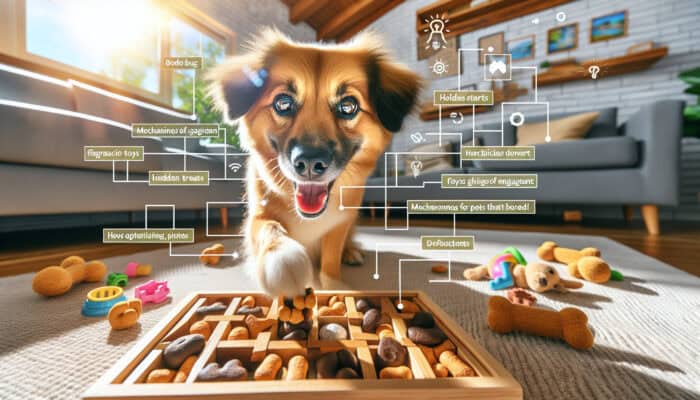
- Puzzle toys: Use interactive toys that dispense treats or require problem-solving skills to keep pets engaged and entertained.
- Hide and seek: Play hide and seek with treats or toys, encouraging pets to use their senses and problem-solving skills to find hidden surprises.
- Interactive games: Engage in games like tug-of-war or fetch with soft toys that are safe for indoor play, ensuring excitement and interaction.
Incorporating these alternatives into playtime ensures that pets receive the mental and physical stimulation they need, regardless of weather conditions.
How to Balance Playtime During Daylight Changes?
Balancing playtime during changes in daylight hours is essential for maintaining a consistent routine for pets. As seasons shift, days can become shorter or longer, affecting when playtime can occur. To adjust playtime schedules for shorter or longer days, consider the following:
– Utilizing artificial light: Use indoor lighting to create a comfortable play environment during darker hours, ensuring safety during evening play.
– Adjusting schedules: Shift playtime to fit available daylight, increasing morning or evening sessions when the sun is shining.
– Incorporating flexibility: Allow for spontaneous indoor play sessions when daylight is limited, ensuring pets remain active regardless of external conditions.
By adapting playtime schedules to seasonal changes in daylight, pet owners can ensure their pets maintain an engaging and active lifestyle.
How to Ensure Safety During Pet Playtime?
What are the steps to create a Safe Play Environment?
Establishing a safe play environment is crucial to preventing injuries and ensuring your pets have an enjoyable playtime. Pet owners must be proactive in creating secure areas where pets can engage in play. Key elements to include in a safe play area for pets are:
- Secure fencing: Ensure outdoor play areas are properly fenced to prevent escapes or encounters with wild animals that could pose risks.
- Non-toxic toys: Use toys specifically designed for pets, ensuring they are safe and durable enough to withstand vigorous play without breaking.
- Clear hazards: Remove any hazardous objects or substances that could pose risks, such as sharp edges or toxic plants that could harm pets.
- Soft surfaces: Provide soft, cushioned surfaces for outdoor play to minimize the risk of injuries from falls or rough landings.
Creating a safe environment allows pets to enjoy playtime while minimizing risks, enabling owners to focus on engagement without worry.
How to Monitor Playtime for Signs of Distress?
Monitoring pets during playtime is crucial for identifying signs of distress or overexertion. Being attentive to your pet's body language and behavior is essential for their safety and well-being. Key signs to watch for during playtime include:
– Excessive panting: Heavy panting can indicate overheating or exhaustion, signaling the need for a break or a cooler environment.
– Lethargy: If your pet becomes disinterested in play or appears tired, it may be time to stop or reduce the intensity of activities.
– Whining or growling: Vocalizations can indicate discomfort or frustration, prompting you to reassess the play situation and make necessary adjustments.
– Refusal to engage: If your pet withdraws from play or shows signs of fear, it may be necessary to adjust activities or provide comfort and reassurance.
By closely observing your pet's cues, owners can create a safer and more enjoyable playtime experience for their pets.
What Emergency Preparedness Measures Should You Implement During Play?
Being prepared for emergencies during playtime can prevent accidents from becoming serious. Pet owners should have measures in place to effectively handle potential emergencies. Key emergency measures to implement during pet playtime include:
– First aid kit: Keep a pet-specific first aid kit readily accessible, including essentials like bandages, antiseptic wipes, and emergency contact information for quick access.
– Know local veterinarians: Familiarize yourself with nearby veterinary clinics and their contact information for swift access in case of any emergencies that may arise.
– Emergency protocols: Establish clear protocols for responding to injuries or accidents, including assessing the situation calmly and providing necessary care.
– Safe transportation: Have carriers or restraints available for transporting pets in case of emergencies, ensuring their safety and comfort during travel.
By being proactive and prepared, pet owners can ensure a safer playtime experience, effectively addressing potential emergencies as they arise.
Frequently Asked Questions
What is the ideal amount of playtime for dogs?
Dogs generally require about 1-2 hours of exercise daily, which can be broken into multiple play sessions to keep them physically and mentally stimulated and happy.
How can I tell if my pet is bored?
Signs of boredom in pets may include destructive behavior, excessive vocalization, restlessness, or a lack of interest in toys and interaction with their environment.
What types of toys are best for interactive play?
Interactive toys that promote engagement include puzzle feeders, tug toys, and automated toys that encourage movement and problem-solving, keeping pets entertained and engaged.
How often should I change my pet's play activities?
Rotating play every week can help prevent boredom. Introducing new toys or games keeps pets mentally stimulated and engaged, ensuring they look forward to playtime.
Can indoor playtime be as beneficial as outdoor play?
Yes, indoor play can be equally beneficial, provided it involves physical and mental challenges. Activities like puzzle games and obstacle courses can effectively keep pets active indoors.
What should I do if my pet is reluctant to play?
Begin with low-pressure, interactive activities that utilize enticing toys or treats. Gradually encourage engagement and monitor their comfort level during play to ensure a positive experience.
How can I create a safe play environment for my pet?
Ensure the play area is secure, hazard-free, and equipped with safe, durable toys. Supervise playtime to monitor interactions and prevent accidents or injuries.
What signs indicate my pet is overexerted during play?
Signs of overexertion include excessive panting, lethargy, reluctance to engage, or vocalizations like whining. It's essential to monitor their behavior closely and adjust activities as needed.
How can technology help address my pet's exercise needs?
Apps, automated toys, and wearable devices can help track activity levels, schedule playtime, and ensure pets receive adequate exercise, even when owners are busy or unavailable.
What are some good indoor play activities for rainy days?
Indoor play can include interactive puzzle toys, hide-and-seek games, obstacle courses using household items, and gentle tug-of-war to keep pets engaged and active, regardless of the weather.
Connect with us on Facebook!

Grooming During Pet Sitting Periods: Essential Care Strategies
Mastering the Essentials of Pet Grooming Crucial Components of Effective Pet Grooming Grooming During Pet Sitting Periods: Grooming during pet
Puzzle Toys for Bored Pets: Fun Ways to Stimulate and Engage Pets
Understanding Puzzle Toys: Essential Tools for Engaging Bored Pets What are the different types of engaging puzzle toys available? Puzzle

Pets Don’t Grieve Losses: Myths and Realities
Exploring the Emotional Landscape of Pets What Influences the Behavior of Your Pet? Pets Don’t Grieve Losses: Understanding pet emotions
I find the idea of pet meditation to be genuinely fascinating. It’s amazing how many ways we can cultivate a deeper connection with our pets, and meditation seems like such a natural extension of that bond. Just thinking about the calming techniques you mentioned and how they can benefit both the pet and owner opens up a whole new realm of shared experiences.
I get what you’re saying about pet meditation; it’s such a cool concept! A lot of people don’t realize how much our pets pick up on our energy and emotions, so taking time to meditate together can really deepen that connection.
You’ve hit the nail on the head with the idea of pet meditation being a fantastic way to deepen that bond we have with our furry (or scaly) friends. It’s almost like finding a missing piece of a puzzle we didn’t even know was incomplete. Picture this: you’re sitting on the floor in a calm, zen-like state, legs crossed, and there’s your dog or cat, casually joining in with their own brand of “I’m totally chill right now—pass me the treats.”
“I’m glad you find the concept intriguing! If you’re curious to explore these calming techniques further, check out this resource that delves deeper into pet meditation practices for you and your furry friend.”
http://elgatoencasa.com/vet
It’s great to hear you’re interested in pet meditation! It really does open up some amazing ways to connect with our furry friends. When you think about it, pets are incredibly intuitive and often mirror our emotions. Using calming techniques not only soothes us but can help settle them too. It’s fascinating to consider how those shared moments of stillness can strengthen that bond.
I love the idea of pet meditation—it’s like yoga class, but with more fur and the occasional snack break! Seriously though, I’ve always believed that our pets can help us chill out, but I had no idea we could take it to this level. I’ve got a cat named Whiskers who’s basically a professional napper. He always looks so zen when he’s snoozing, maybe I should start meditating with him to see if I can channel some of that energy.
Pet meditation does sound like such a cute concept, right? Whiskers seems like the perfect meditation partner—there’s something incredibly calming about watching a cat sleep. They really embody that whole idea of living in the moment. I’ve tried meditating with my dog, and it’s interesting how our pets seem to have this innate ability to chill us out.
Pet meditation really is a game changer, isn’t it? Whiskers sounds like the perfect meditation partner—there’s something about a sleeping cat that brings instant calm. You might be onto something by channeling his energy; animals have this natural ability to stay present in the moment. While you’re meditating, you could even try setting an intention around relaxation or gratitude, inspired by Whiskers’ easygoing vibe. Plus, those snack breaks could definitely add a fun twist! It’s amazing how just spending quiet time with our pets can help us feel more centered. Have you thought about how to create the right space for it? A cozy corner with some soft pillows could be the perfect spot for both of you to unwind.
Absolutely! Just imagine the tranquility you and Whiskers could experience together. If you’re curious to explore pet meditation further, check out this guide to get started on your journey to zen with your furry friend!
https://elgatoencasa.com/vet
I completely agree—there’s something incredibly soothing about having a cat like Whiskers by your side during meditation. It’s true what you said about animals having that innate ability to be present; they remind us to slow down and appreciate the moment. I love the idea of setting intentions inspired by their calm nature. Gratitude is particularly special, especially when I think about how much joy and comfort pets bring into our lives.
I found your exploration of pet meditation really intriguing! It’s fascinating how this practice not only supports our own mental well-being but also enhances the emotional connection we share with our furry companions. I’ve always believed that animals can pick up on our emotions, so it makes sense that meditating together could lead to a more profound bond.
Your thoughts on pet meditation really resonate with me. It’s interesting to think about how our pups and kittens are tuned into our feelings. I’ve noticed that when I take a moment to breathe and center myself, my dog seems to pick up on that energy and relax alongside me. It’s almost like we create our own little calm space together, away from the noise of the day.
I’m so glad you found the article intriguing! If you’re interested in deepening that bond even further, check out this resource on pet meditation techniques that you and your furry friend can try together.
http://elgatoencasa.com/vet
It’s really fascinating how attuned our pets are to our emotions. When I take a moment to ground myself, I’ve noticed my cat will come over, purring quietly beside me, as if she’s soaking up that calm energy. There’s something really special about that shared experience, isn’t there?
It’s interesting to hear your thoughts on pet meditation, and I appreciate the perspective you bring regarding emotional connections. The idea that animals can intuitively sense our feelings is a conversation worth having. It’s not just a simple concept; it’s rooted in the way animals experience their environments and their deep-seated social instincts.
I appreciate your thoughts on pet meditation. It really shines a light on how intertwined our emotions are with those of our pets. You’re correct that animals often pick up on what we’re feeling—there’s a certain kind of intuition in them, isn’t there?
Your point about the emotional connection between us and our pets is spot on. Many people overlook just how deeply animals can resonate with our moods. It goes beyond just intuition; there’s a whole layer of communication happening that might not involve words at all.
I’m glad you resonated with the concept! If you’re curious to explore how to deepen that emotional bond through practices like pet meditation, check out this link for some great resources.
https://elgatoencasa.com/vet
You’ve hit the nail on the head! Animals are little sponges for our emotional vibes. Picture this: you’re having a busy day, and you flop down on the couch to meditate with your dog. Suddenly, you both sink into a calm that feels like you’ve found the magical “chill” button for life. It’s like a spa day for the soul, where your pup is just as down to unwind as you are.
It’s great to hear that you found the exploration of pet meditation intriguing. The connection we have with our pets is incredibly special, and it’s fascinating how simple practices like meditation can deepen that bond. You’re absolutely right about animals being sensitive to our emotions. They have this innate ability to read our feelings in ways we often overlook. So when we take the time to meditate together, it can create a shared space where both our energies align, fostering trust and understanding.
Thank you for your thoughtful comment! If you’re interested in exploring this practice further, check out some resources that can guide you and your pet on this meditative journey together.
https://elgatoencasa.com/vet
I completely agree with you about the connection between pet meditation and our emotional states. It really is remarkable how attuned animals are to our feelings. I’ve noticed that when I meditate with my dog, she seems to settle more deeply into relaxation herself. It’s almost as if she can sense the shift in energy.
This concept of pet meditation is quite intriguing and certainly brings to mind the broader idea of mindfulness practices in our everyday lives. I often think about how much our pets can mirror our emotions; when we feel stressed, they seem to pick up on that energy. Engaging in meditative practices together could be a wonderful way to promote mutual calmness.
You bring up such a valuable point about how our pets seem to tune into our emotional states. It’s fascinating how attuned they are to our vibes, almost like they’re little emotional mirrors reflecting what we feel. When we’re stressed, they often become more anxious or clingy, and it really highlights the connection we share with them.