

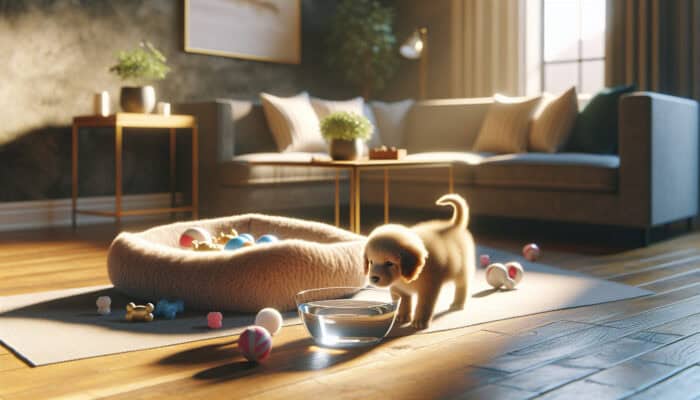
Essential Steps to Prepare Your Home for Welcoming a New Puppy
Designing a Safe Haven for Your Puppy

First Night Tips For New Puppies: Creating a tranquil, secure space for your new puppy is vital to helping them feel comfortable and safe on their first night in your home. Using a crate or puppy pen can provide them with a cozy, protected environment where they can retreat to relax. This designated area should be situated away from the everyday hustle and bustle, minimizing stress and anxiety for your puppy. Enhance this haven by equipping it with the following essential items to boost your puppy's comfort and security:
- Soft bedding to provide warmth and comfort, ensuring your puppy feels at home.
- Toys to keep them entertained and mentally stimulated during their downtime.
- Water bowl to ensure hydration throughout the night.
- Training pads to manage any potential accidents.
- Comfort items, like a piece of your clothing, can provide a sense of familiarity and soothe them.
- Calming aids, such as a pheromone diffuser, can help alleviate anxiety.
- Crate cover to create a den-like atmosphere, further enhancing their sense of security.
Establishing this nurturing environment will significantly help your puppy associate their new home with safety, comfort, and love, paving the way for a positive transition.
Comprehensively Puppy-Proofing Your Home
Puppy-proofing your home is a crucial step in safeguarding your new furry companion. Young puppies are naturally inquisitive and may find themselves in precarious situations if potential hazards remain accessible. To create a safe space for exploration, remove any potential dangers such as electrical cords, toxic plants, and unsecured trash cans. Here’s a list of common household dangers to be vigilant about:
- Cords and cables that can tempt puppies to chew.
- Toxic plants, including lilies and philodendrons.
- Small objects that pose choking hazards.
- Household cleaners and chemicals that may be harmful.
- Medications that could be ingested.
- Furniture edges that can be sharp or pose risks.
- Open windows or balconies lacking screens.
By implementing these precautions, you will significantly reduce the risk of accidents, helping your puppy feel secure in their new environment while allowing them to explore safely.
Selecting the Perfect Bed for Your Puppy
Choosing the right bed for your puppy is essential to ensuring they enjoy restful, restorative sleep. A bed that fits comfortably will allow them to stretch out and curl up as they wish, promoting a peaceful night’s rest. Position the bed in a warm, draft-free area to maintain a cozy atmosphere. Keep the following tips in mind when selecting the best bed material for your puppy:
– Memory foam beds offer excellent support and comfort, which is especially beneficial for growing puppies.
– Washable covers are essential for easy cleaning, as accidents are common with young pups.
– Look for water-resistant materials to protect against spills or accidents.
– Choose non-toxic materials that won’t harm your puppy if they chew on or ingest them.
Creating a comfortable sleeping space will significantly contribute to your puppy's overall well-being, helping them feel secure and relaxed on their first night in your home.
What Should You Feed Your Puppy on Their First Night?

Finding the Best Puppy Food for Optimal Growth
Choosing high-quality puppy food is essential for your puppy's growth and development. A well-balanced diet will meet their nutritional needs while supporting their active lifestyle. Consulting your veterinarian for tailored recommendations is advisable to ensure your puppy achieves optimal health. When selecting puppy food, focus on the following key nutrients:
- Protein for muscle development and energy.
- Fats for maintaining healthy skin and a shiny coat.
- Carbohydrates for energy and supporting digestive health.
- Vitamins for promoting overall health and immune support.
- Minerals such as calcium and phosphorus are needed for strong bones.
- Omega fatty acids for optimal brain and eye development.
A balanced diet will lay a solid foundation for your puppy's health as they adjust to their new environment, ensuring they thrive physically and mentally.
Establishing a Consistent Feeding Schedule for Your Puppy
Creating a structured feeding schedule is essential for establishing routine and stability for your puppy. Feeding them at the same time each day helps them anticipate their meals, reducing anxiety and improving digestion. Keep a close eye on their intake to avoid overfeeding, which can lead to serious health issues. Signs of a healthy appetite in a puppy include enthusiasm during mealtimes, consistent weight gain, and adequate energy levels throughout the day. By maintaining a regular feeding schedule, you’ll cultivate healthy habits that will benefit your puppy for years to come.
Ensuring Access to Fresh Water for Your Puppy

Providing access to fresh water is crucial for your puppy's health and well-being. Keeping a clean water bowl filled with fresh water helps keep your puppy hydrated, especially after play sessions or meals. Remember to clean the water bowl daily to prevent bacterial growth and maintain optimal hygiene. A general guideline is that a puppy should drink between 0.5 and 1 ounce of water per pound of body weight each day. Monitoring their water intake will help you gauge their hydration needs and overall health effectively.
Gradually Introducing Solid Foods to Your Puppy
Transitioning your puppy to solid foods should be a gradual process to avoid gastrointestinal discomfort. Start by mixing their puppy food with water or puppy formula to help them acclimate to the new texture and taste. Over time, slowly increase the solid content while reducing the liquid, making the transition smoother. This gradual introduction helps your puppy adapt to solid foods without distress, ensuring they enjoy their meals and receive the vital nutrients they need for healthy growth.
Expert Insights on Tips for a Successful First Night with Your New Puppy
Recognizing and Understanding Puppy Behavior
Puppies may show signs of anxiety or fear during their first night in a new home. Understanding these behaviors can help you respond appropriately and provide the necessary comfort. Common signs of stress include whining, pacing, or excessive barking. For instance, a puppy may cry when left alone in their crate, indicating feelings of insecurity. By recognizing these behaviors, you can take proactive steps to alleviate their stress, such as providing gentle reassurances and engaging in calming activities.
Utilizing a soft voice and gentle touch can significantly help to calm your puppy, making their first night more manageable and pleasant.
Effective Calming Techniques for Puppies
Implementing calming techniques can greatly ease your puppy's anxiety during their first night at home. Start by engaging in gentle petting, speaking softly, and using reassuring tones to create a sense of safety. Consider using calming aids such as pheromone diffusers, which can mimic natural comforting scents that help soothe puppies. Here are some actionable steps you can take to implement these calming techniques effectively:
– Create a calm environment by minimizing noise and distractions.
– Use soft bedding and a favorite toy to create a comfortable nest for your puppy.
– Spend quality time with your puppy before bed to foster trust and comfort.
– Establish a consistent bedtime routine to signal that it’s time to relax.
These practices not only help your puppy adjust to their new surroundings but also strengthen the bond between you and your new furry friend.
Building Trust with Your New Puppy
Establishing trust with your puppy is essential for nurturing a harmonious relationship. Spending quality time together allows you to understand your puppy’s unique personality, making them feel secure in your presence. Positive reinforcement is a powerful method to encourage good behavior and foster trust. For example, when your puppy sits calmly in their crate, reward them with treats and praise. This reinforces their positive actions and helps them associate their crate with safety and rewards. Trust-building is crucial, as it lays the foundation for a lasting bond that will strengthen throughout your puppy's life.
How Can You Help Your Puppy Sleep Through the Night?
Creating a Calming Bedtime Routine
Establishing a calming bedtime routine signals to your puppy that it’s time to wind down and prepare for sleep. A consistent routine can promote better sleep patterns and help your puppy feel secure in their new environment. Consider incorporating soothing activities, such as a final potty break and a gentle bedtime story, to help them transition into sleep mode.
The benefits of a bedtime routine are plentiful: it not only helps your puppy feel secure but also strengthens the bond between you as they learn to trust you to guide them through their nightly schedule.
Effectively Managing Nighttime Whining
Nighttime whining is a common behavior among puppies as they may feel lonely or uncomfortable in their new environment. It’s essential to respond calmly and consistently to their needs without inadvertently reinforcing the behavior. If your puppy whines, first assess if they need a potty break or comfort. If they do not require anything, try soothing them with gentle words or a soft touch without removing them from their crate, as this could reinforce the whining behavior.
Creating an environment that minimizes stress is crucial by ensuring they have everything they need for comfort, such as toys and a cozy blanket. Over time, your puppy will learn to settle in and sleep through the night without excessive whining.
Handling Nighttime Accidents with Care
Nighttime accidents are common for new puppies as they adjust to their new home and establish bathroom habits. When accidents occur, it’s crucial to clean the mess promptly and thoroughly to prevent lingering odors that might encourage further accidents. Use enzymatic cleaners specifically designed for pet messes to eliminate stains and odors effectively.
Utilizing positive reinforcement for successful potty breaks will encourage your puppy to continue this behavior. To minimize nighttime accidents, limit water intake before bedtime, take them out for a potty break right before sleep, and consider using a crate for training. These steps will help establish good habits and significantly reduce nighttime accidents.
What Are the Best Ways to Bond with Your Puppy on Their First Night?
Engaging in Quality Time Together
Participating in playtime and cuddling with your puppy on their first night is an excellent way to foster a strong connection. This time spent together helps you learn about your puppy’s unique personality, preferences, and comfort zones. Activities such as gentle tug-of-war with a soft toy, playing hide-and-seek, or simply relaxing together on the couch can help create a lasting bond. Here’s a list of engaging bonding activities to consider:
- Interactive play with toys specifically designed for puppies.
- Cuddling sessions on the couch to promote feelings of comfort and security.
- Gentle grooming to familiarize them with being touched.
- Short walks to explore the neighborhood together and build trust.
- Training sessions for basic commands using treats as rewards to reinforce learning.
- Positive reinforcement for good behavior to encourage a trusting relationship.
- Quiet time with soft music or calming sounds to help them relax.
These activities will not only strengthen your bond but also help your puppy feel secure and loved in their new home, laying the groundwork for a strong relationship.
Applying Positive Reinforcement Techniques
Positive reinforcement is an effective tool in training and bonding with your puppy. Rewarding your puppy with treats, praise, or affection for good behavior encourages them to repeat those actions. For instance, if your puppy sits calmly or successfully follows a command, offering a treat or enthusiastic praise reinforces that behavior. This method fosters a trusting relationship, builds their confidence, and strengthens the bond between you and your puppy.
Incorporating positive reinforcement into your training regimen will help your puppy learn essential behaviors more effectively while creating a happy and secure environment.
Introducing Your Puppy to Family Members Gradually
Introducing your puppy to family members should be approached calmly and in a controlled manner. This ensures a positive experience for both your puppy and your family. Begin by allowing your puppy to meet one family member at a time, as too many faces at once can overwhelm them. Encourage gentle interactions, such as soft petting or calm voices, to build trust and reinforce positive associations with each family member.
Consider these effective tips for managing introductions:
– Maintain a calm environment during introductions to prevent overwhelming your puppy.
– Allow your puppy to approach at their own pace without forcing interactions.
– Use treats and praise to reinforce positive interactions, enhancing their confidence.
– Ensure family members avoid sudden movements or loud noises that could startle your puppy.
These strategies will help your puppy feel more secure and accepted among family members, facilitating a harmonious living environment as they settle in.
Proven Strategies for a Successful First Night with Your New Puppy
Setting Realistic Expectations for Your First Night
The first night with a new puppy can often be a challenging experience, filled with excitement and uncertainty. It is essential to understand that your puppy may experience anxiety or fear, which could lead to whining or accidents. Be patient, as this transition is significant for them. Recognizing common first-night challenges, such as reluctance to sleep alone or experiencing nighttime accidents, will help you prepare and respond more effectively.
Accepting that there may be setbacks allows you to approach the night with a calm demeanor, ensuring your puppy feels secure and loved. This understanding ultimately sets the stage for a smoother adjustment period for both you and your new furry friend.
Maintaining Consistency in Routine
Maintaining consistent routines and rules is vital for providing your puppy with structure and security. Consistency in training, feeding, and playtime will help your puppy understand what to expect, reducing anxiety and fostering positive behaviors. Establish a daily schedule for feeding, potty breaks, playtime, and bedtime to create a well-balanced environment for your puppy.
To maintain consistency in training, ensure that everyone in the household follows the same commands and rules. This approach helps eliminate confusion for your puppy, reinforcing their understanding of expectations while strengthening their overall sense of security.
Seeking Professional Assistance When Needed
If you encounter challenges during your puppy's first night, don’t hesitate to seek professional help. Consulting a professional trainer or behaviorist can provide tailored guidance specific to your puppy's needs. Look for signs that may indicate a need for assistance, such as persistent anxiety, reluctance to eat, or difficulties with potty training.
Professional trainers can offer personalized training plans and strategies to address specific behavioral concerns, ultimately helping you and your puppy navigate the challenges of this transitional period with confidence and success.
Ensuring the Health and Safety of Your New Puppy
Scheduling a Vet Visit for Your Puppy
Booking a vet appointment within the first few days of bringing your puppy home is crucial to ensuring their health and overall well-being. Early veterinary visits allow for a comprehensive health check, vaccinations, and discussions about preventative care. How soon should you take your puppy to the vet? Ideally, you should schedule an appointment within 72 hours of bringing them home to confirm their health status and initiate necessary vaccinations.
During this visit, your vet can assess your puppy for any parasites, discuss nutrition, and answer any questions you may have regarding their care, ensuring you are well-informed as a new puppy owner.
Monitoring Your Puppy’s Health Regularly
Monitoring your puppy's health is essential as they transition into their new home. Watch for signs of illness, such as lethargy, vomiting, or diarrhea, as these may indicate potential health issues. Keeping a record of their health and behavior helps you identify any trends or changes that may warrant veterinary attention. Here are key symptoms to keep an eye on:
- Lethargy or decreased energy levels may indicate illness.
- Loss of appetite or reluctance to eat signals health concerns.
- Vomiting or diarrhea should be addressed promptly.
- Coughing or difficulty breathing indicates potential respiratory issues.
- Excessive scratching or signs of skin irritation that could require treatment.
Being vigilant in observing these symptoms will allow you to intervene early, ensuring your puppy's health and happiness as they adjust to their new life.
Creating a Safe Environment for Your Puppy
Establishing a safe home environment is vital for your puppy’s overall well-being. Ensure that your home is free of hazards while providing access to safe toys and chews. Opt for toys designed specifically for puppies, as these are better suited to their developing teeth and chewing habits. Consider the following tips for selecting safe toys:
– Choose toys made from non-toxic materials to eliminate health risks.
– Opt for durable toys that can withstand aggressive chewing while ensuring safety.
– Look for size-appropriate toys to prevent choking hazards and ensure play safety.
– Avoid toys with small parts that could be ingested and cause serious harm.
A safe environment will allow your puppy to explore freely while minimizing the risk of accidents or injuries, promoting healthy development as they grow.
Establishing a Comprehensive Vaccination Schedule
Working closely with your veterinarian to establish a vaccination schedule is critical for protecting your puppy from common diseases. Vaccinations are essential for your puppy’s health, helping to build immunity against potentially fatal illnesses. Please keep track of vaccination dates and follow-up appointments to ensure your puppy stays up to date on their shots. This proactive approach will safeguard your puppy's health while providing you with peace of mind.
Regular check-ups will also allow your vet to monitor your puppy's growth and development and address any concerns that may arise as they mature.
Implementing Preventive Care Measures for Your Puppy
Discussing preventative care measures with your vet is crucial for maintaining your puppy's long-term health and well-being. This includes discussing flea, tick, and heartworm prevention strategies. Regular grooming and checks for signs of parasites or skin issues are essential components of a comprehensive preventive care plan.
Taking proactive steps in these areas will help ensure your puppy stays healthy, comfortable, and happy as they grow and adjust to their new life with you, fostering a positive and lasting relationship.
Frequently Asked Questions About New Puppies
What should I prepare before bringing my puppy home?
Prepare a safe space equipped with a comfortable bed, engaging toys, and clean water. Puppy-proof your home by removing hazards and setting up a designated feeding area.
How can I help my puppy feel secure on their first night?
Create a quiet, cozy space with their bed and toys. Spend quality time with your puppy, utilizing calming techniques and positive reinforcement to build trust and security.
What should my puppy's first meal consist of?
Choose a high-quality puppy food that meets their specific nutritional needs. Start with a mix of food and water, or puppy formula, to ease their transition to solid food.
How can I establish a feeding schedule for my puppy?
Feed your puppy at the same time each day to create a routine. Monitor their intake closely and watch for signs of a healthy appetite to ensure proper nutrition.
Is it normal for puppies to whine at night?
Yes, whining is common as puppies may feel anxious or lonely in a new environment. Respond calmly and provide comfort without reinforcing the behavior.
What should I do if my puppy has an accident at night?
Clean up promptly with an enzymatic cleaner to eliminate odors and avoid punishment. Reinforce successful potty breaks with positive reinforcement to encourage good habits.
How long will it take for my puppy to sleep through the night?
Every puppy adjusts differently, but with patience and a consistent routine, many puppies begin sleeping through the night within a few weeks.
What are the signs of illness in a puppy?
Watch for symptoms such as lethargy, loss of appetite, vomiting, diarrhea, excessive scratching, or coughing. Promptly consult a vet if you notice any of these concerning signs.
When should I schedule my puppy's first vet appointment?
Schedule a vet visit within 72 hours of bringing your puppy home to ensure their health and initiate vaccinations as soon as possible.
How can I bond with my puppy on the first night?
Engage in interactive playtime, cuddling sessions, and gentle interactions to foster a strong connection. Utilize positive reinforcement to encourage good behavior and build trust.
Connect with us on Facebook for more tips!

Grooming During Pet Sitting Periods: Essential Care Strategies
Mastering the Essentials of Pet Grooming Crucial Components of Effective Pet Grooming Grooming During Pet Sitting Periods: Grooming during pet

Puzzle Toys for Bored Pets: Fun Ways to Stimulate and Engage Pets
Understanding Puzzle Toys: Essential Tools for Engaging Bored Pets What are the different types of engaging puzzle toys available? Puzzle

Pets Don’t Grieve Losses: Myths and Realities
Exploring the Emotional Landscape of Pets What Influences the Behavior of Your Pet? Pets Don’t Grieve Losses: Understanding pet emotions
It’s really interesting to dive into the history and evolution of pet costume contests, especially considering how they reflect broader cultural trends. I’ve always been fascinated by the idea of storytelling through fashion, and pet costumes certainly offer a unique lens into this concept. If you think about it, dressing pets has become a way for owners to express not just their pet’s personalities, but also their own creativity and cultural identities.