


Mastering the Essentials of Pet Bonding
Why Are Pets the Perfect Companions for Emotional Support?

Bonding with Pets to Combat Loneliness: Pets possess innate qualities that make them exceptional companions, particularly in alleviating feelings of loneliness. Their unconditional love and steadfast loyalty forge emotional connections that can profoundly transform a person's emotional landscape. The mere presence of a pet can fill an emotional void, providing a sense of security and comfort that is often elusive in human relationships. Pets inherently sense human emotions and respond empathetically, offering cuddles during tough times or engaging in playful antics when a laugh is needed. This responsiveness fosters a bond that is not only comforting but also reinforces a sense of belonging, allowing individuals to feel valued and understood in their journey through life.
Moreover, the daily routines that come with pet ownership—such as feeding, walking, and playtime—encourage meaningful interactions that help combat feelings of isolation. These activities provide a structured framework for one’s day, guiding individuals toward a purpose that transcends loneliness. The act of caring for a pet establishes a mutual dependence that strengthens the emotional ties between humans and animals, enabling both parties to feel more engaged and connected to their surroundings.
What Are the Essential Steps to Start Bonding Effectively with Your Pet?
Establishing a solid bond with a pet does not necessitate extravagant gestures; it begins with simple, consistent routines that encourage trust and comfort. Start by dedicating specific time each day to activities such as playtime, grooming, or even just enjoying quiet moments together. These interactions allow both you and your pet to acclimate to one another’s presence, creating an atmosphere of safety and affection. Engaging in these simple pleasures significantly alleviates the loneliness that often permeates everyday life.
Feeding time can also serve as a critical bonding moment. Engage your pet by chatting with them or gently petting them while they eat, thus creating a nurturing environment that reinforces their sense of being cherished. Regular walks not only promote physical health but also present opportunities for exploration and adventure, deepening your connection through shared experiences. These straightforward yet effective routines can lay a robust foundation for a bond that will enrich both your lives profoundly.
What Common Challenges Might Arise in Pet Relationships?
Creating a strong bond with a pet can be fraught with challenges. Behavioral issues such as anxiety, aggression, or fearfulness can emerge, complicating interactions and potentially reinforcing feelings of loneliness. Time management also presents a significant hurdle; demanding schedules can lead to neglect, making pets feel abandoned and further straining the relationship. Addressing these challenges is essential for strengthening emotional ties and fostering a sense of belonging.
For instance, if a pet exhibits anxiety during grooming or play, recognizing and addressing this behavior is crucial. Gradually desensitizing them to these activities can alleviate stress and foster trust. Understanding your pet’s unique needs and routines is pivotal—what works for one animal may not suit another. By confronting these challenges head-on and adapting your approach, you not only enrich your relationship but also enhance your overall emotional well-being.
What Are the Signs of a Successful Bond with Your Pet?

A successful bond with a pet can be seen in behaviors that indicate a healthy emotional connection. Pets that seek affection—such as leaning against you, following you around, or presenting toys—are likely feeling secure and loved. These gestures signal a mutual trust that enriches both your lives and significantly diminishes feelings of isolation.
When pets become excited upon seeing their owners after a brief absence, it clearly indicates a deep emotional bond. This enthusiastic greeting not only lifts the owner’s mood but also reinforces the significance of their presence. Other signs include relaxed body language, such as a wagging tail or a welcoming posture, along with a desire for interaction. These indicators enhance daily joy, confirming that the bond you share positively contributes to your mental health and emotional stability.
Daily Routines That Strengthen Pet Connections
What Simple Activities Can Elevate Your Bond with Your Pet?
Engaging in simple, enjoyable activities can significantly bolster the bond you share with your pet, transforming daily routines into cherished experiences. Taking your dog for a walk is not merely about exercise; it’s an opportunity for exploration and connection. Each stroll becomes a shared adventure where both pet and owner can discover new scents, sights, and sounds, injecting excitement into the routine of daily life.
Interactive play, whether it’s tug-of-war with a favorite toy or chasing after a ball, nurtures a sense of joy and shared experience. This not only lifts your pet’s spirits but also creates lasting memories that deepen your emotional connection. Activities like teaching your pet new tricks offer not only entertainment but also a sense of accomplishment for both of you. These shared experiences are essential for reducing feelings of loneliness, creating an environment where companionship can truly flourish.
How Can You Recognize Signs of a Deepening Bond with Your Pet?

Recognizing the signs of a deepening bond with your pet can be incredibly rewarding. Below are the key benefits of forging connections through daily interactions:
- Increased happiness is evident through playful behavior and excitement during reunions.
- Reduced stress levels, as pet interactions release endorphins and promote relaxation.
- Enhanced emotional health is demonstrated when your pet seeks comfort and closeness.
- Improved social skills, as pets can act as social facilitators, easing interactions with others.
- A stronger sense of purpose, as caring for a pet instills responsibility and routine in your life.
- Heightened awareness of your own emotions, as pets often mirror their owners' feelings.
- Increased overall life satisfaction, stemming from the joy and companionship pets provide.
- Resilience in overcoming challenges, as pets support emotional recovery during tough times.
These indicators not only illustrate a healthy bond but also contribute to a more fulfilling life. Tracking these behavioral changes can provide insight into the strength of your relationship and highlight areas that may need more attention or nurturing.
What Methods Can You Use to Measure Progress in Your Pet Relationship?
Monitoring progress in your relationship with your pet can offer invaluable insights into your emotional journey together. Keeping a journal to document daily interactions can help you recognize patterns, areas for improvement, and areas that might require more focus. Documenting your experiences encourages self-reflection and promotes mindfulness regarding your pet's needs.
Regularly assessing your pet's behavior and your interactions can lead to greater fulfillment. For instance, noting improvements in your pet's anxiety levels during grooming or play can serve as a motivating factor, demonstrating the positive effects of consistent bonding efforts. This practice not only mitigates feelings of isolation but also reinforces the joy found in the companionship you share. Measuring progress can be a rewarding endeavor, enhancing both your emotional health and your bond with your pet.
How Does Pet Bonding Help Alleviate Isolation?
What Forms of Emotional Support Do Pets Provide?
Pets deliver a unique form of emotional support that can significantly diminish feelings of isolation. Their unconditional love fills emotional voids, making individuals feel valued and less alone, particularly during challenging times. The presence of a pet fosters a sense of companionship that transcends loneliness, providing comfort and a listening ear without judgment.
Caring for a pet also instills a sense of purpose that can serve as an anchor during emotional turmoil, reminding individuals of their worth and significance. Many people find solace in the daily tasks associated with pet ownership, as these activities can ground them and provide motivation. Pets instinctively provide comfort, whether it’s through cuddles when you’re feeling down or a playful nudge encouraging you to engage. This bond can be crucial in navigating life's ups and downs, emphasizing that you are never truly alone in your journey.
What Insights Do Experts Offer on Bonding with Pets to Combat Loneliness?
Numerous real-world examples illustrate how consistent interactions with pets lead to improved mental health. Many pet owners report feeling less lonely, more optimistic, and even physically healthier due to their relationships with their pets. For example, individuals participating in pet therapy programs often find that petting a dog or cat can significantly lift their mood, providing temporary relief from feelings of isolation and sadness.
Integrating pets into daily routines has proven beneficial for many. Regular walks, play sessions, and training exercises not only boost your pet’s mood but also enhance your emotional well-being. These shared moments offer a respite from loneliness, fostering a sense of community within one’s home. Consistent bonding practices create a complex web of emotional support that strengthens the mental health of both owner and pet, highlighting the profound impact pets can have on human emotional resilience.
What Are the Long-Term Effects of Pet Bonding on Mental Health?
The long-term effects of pet bonding on mental health are substantial. Sustained emotional ties with pets contribute to overall emotional stability, providing a reliable source of comfort in various life scenarios. Individuals who maintain strong bonds with their pets frequently report lower levels of anxiety and depression, attributing their improved emotional state to the companionship and unconditional love received from their furry friends.
Additionally, caring for a pet fosters a routine that can help combat loneliness. This structure can become crucial over time, guiding individuals through daily challenges while reinforcing their sense of purpose. As pets age or go through life changes, the bonds they form can serve as a cornerstone of emotional support, continually adapting to meet their owners' needs. Overall, pets play an integral role in fostering emotional balance and resilience, acting as steadfast companions throughout life's journey.
What Expert Strategies Enhance Effective Interactions with Pets?
How Can You Build Trust Through Consistent Care?
Establishing trust with your pet is fundamental to creating a lasting bond. Consistent care—such as regular feeding, grooming, and play—nurtures deeper connections that help mitigate feelings of loneliness. Establishing predictable routines not only makes pets feel secure but also encourages them to engage more openly with their owners. This reliable environment reinforces the emotional connection, ensuring both parties feel valued and understood.
Incorporating interactive playtime into your daily routine not only boosts trust but also adds an element of fun to your relationship. Engaging in training sessions can strengthen communication and build mutual respect. Positive reinforcement—rewarding desired behaviors with treats or praise—can create a sense of accomplishment and enhance your pet's sense of security. As trust deepens, pets are more likely to seek out affection, further alleviating their owners' feelings of isolation.
What Potential Pitfalls Should You Avoid When Bonding with Your Pet?
While establishing a strong bond with a pet is rewarding, common mistakes can impede emotional connections. Neglecting your pet’s emotional needs can lead to feelings of insecurity and anxiety, exacerbating isolation instead of alleviating it. For instance, failing to engage in regular play can create a disconnect, making your pet feel less valued and cherished.
Furthermore, rushing interactions or forcing your pet into uncomfortable situations can damage trust. It is crucial to recognize your pet's boundaries and respect their comfort levels to maintain a healthy relationship. By addressing these potential pitfalls with a thoughtful, patient approach, you can ensure that your bonds remain strong and effective in combating feelings of disconnection and loneliness.
What Research-Backed Benefits Are There for Bonding with Pets to Combat Loneliness?
Extensive research supports the idea that bonding with pets yields profound emotional benefits, particularly in alleviating loneliness. Studies indicate that pet ownership can significantly reduce emotional distress. The mere presence of a pet has been linked to increased levels of oxytocin, the “bonding hormone,” which not only fosters feelings of attachment but also enhances overall mood and emotional well-being.
Moreover, petting an animal can trigger the release of endorphins, providing immediate stress relief. Pets serve as a constant source of companionship, offering unconditional love and support that many people find invaluable. The daily interactions foster deeper emotional ties, allowing individuals to experience joy and connection in transformative ways. As pets become integral to their owners' emotional lives, the process of bonding serves not just as a remedy for loneliness but also as a catalyst for improved mental health and resilience.
How Do Pets Contribute to Health Advantages for Their Owners?
In What Ways Does Bonding Improve Physical Health?
Bonding with pets extends beyond emotional benefits; it also positively impacts physical health. Regular engagement with pets encourages activity levels, prompting owners to walk, play games, or even participate in training sessions. These activities enhance physical fitness and create a sense of routine that is essential for overall well-being.
Moreover, caring for a pet helps mitigate loneliness-related health issues, such as hypertension and cardiovascular problems. Numerous studies indicate that pet owners often experience lower blood pressure and reduced stress levels, primarily due to the calming effect of pet companionship. These health improvements highlight how the emotional benefits of bonding translate into tangible physical advantages, creating a holistic approach to wellness.
What Mental Wellness Gains Can Be Achieved from Daily Interactions with Pets?
Daily interactions with pets provide a wealth of mental wellness benefits, significantly enhancing emotional health. Engaging in routine activities with pets can lead to greater happiness, lower stress, and improved overall emotional stability. The companionship pets offer is often accompanied by a sense of purpose and responsibility, uplifting one’s mood and outlook.
The following key benefits of bonding illustrate the positive impact of pet interactions:
- Stress relief through routine engagement and play.
- Improved mood and emotional stability resulting from unconditional love.
- Enhanced social interactions, as pets can facilitate connections with others.
- Greater resilience in facing life's challenges, strengthened by emotional support.
- Promotion of a positive lifestyle and encouragement of regular physical activity.
- Increased mindfulness and presence, as pets anchor their owners in the moment.
- Lower rates of anxiety and depression due to the comfort of companionship.
- A sense of fulfillment derived from caring for another living being.
These mental wellness gains reinforce the notion that the bonds formed with pets significantly contribute to a healthier, more balanced emotional state.
How Do Pets Aid in Building Emotional Resilience?
Pets play a pivotal role in fostering emotional resilience through their unwavering companionship. They encourage individuals to cultivate coping skills, as caring for a pet often leads to a greater sense of purpose. This sense of purpose can empower individuals to handle solitude more effectively, diminishing feelings of isolation.
Shared experiences with pets—whether through play or simply being present together—bolster emotional stability. The ability to seek comfort from a pet during challenging times fosters a sense of safety and trust, helping individuals process their emotions more effectively. This emotional support helps build resilience, equipping individuals with the tools to navigate life’s challenges, ultimately leading to a more balanced emotional state and a higher quality of life.
What Trusted Approaches Can Deepen Your Bond with Your Pet?
What Expert Insights Can Help You Bond with Pets to Combat Loneliness?
Deepening the bond with your pet requires intentionality and consistency. One effective approach is to incorporate your pet into your daily routines, whether that’s inviting them to join you for morning coffee or including them in your evening strolls. This integration creates shared experiences that enhance emotional support while simultaneously reducing feelings of isolation.
Engaging in training sessions not only strengthens communication but also builds trust between you and your pet. Positive reinforcement during training can create a fulfilling experience for both of you and strengthen the bond that alleviates loneliness. Additionally, exploring new activities together—such as agility training or dog sports—can keep the relationship dynamic and exciting, fostering ongoing companionship and emotional support.
What Innovative Ways Can You Use to Engage with Pets?
Discovering innovative ways to engage with your pets can significantly enhance your bond. Trying new activities, such as obstacle courses for dogs or interactive puzzle toys for cats, can stimulate their minds while offering shared enjoyment. Regularly incorporating variety into your routines helps keep interactions fresh and exciting, ensuring that both you and your pet remain engaged.
Another effective strategy is to explore pet-friendly community events or activities, such as dog parks or pet meetups, where you can socialize with other pet owners. These experiences not only enrich your pet’s life but also provide opportunities for human connection, combating feelings of isolation. These innovative engagements strengthen your relationship while promoting mental well-being for both you and your beloved companion.
Why Is Evaluating the Strength of Your Bond Important?
Self-reflection on your interactions with your pet is essential for assessing the strength of your bond. Consider keeping a journal to document your experiences and note any changes in behavior or emotional responses. This practice encourages mindfulness and helps identify areas that need more attention, ensuring your pet remains a vital source of comfort and emotional fulfillment.
As you evaluate the quality of your relationship, look for signs of mutual trust and affection—such as whether your pet seeks your company, responds positively to your calls, or exhibits excitement during playtime. Assessing these interactions can lead to deeper insights and enhance the emotional connection you share, ultimately reinforcing the companionship that effectively combats loneliness.
What Makes Consistent Interaction So Important for Pet Relationships?
How Does Routine Play a Role in Reducing Loneliness?
Consistent interaction with pets plays a crucial role in mitigating loneliness by establishing a predictable routine that provides a sense of structure. Engaging regularly with your pet creates an emotional anchor, allowing both parties to rely on each other for companionship. This routine fosters stability, making it easier for pet owners to manage their emotions and navigate through lonely periods.
The regularity of interactions serves as a reminder that companionship is always accessible. Whether through scheduled feeding times or daily walks, these routines provide opportunities for connection that can combat feelings of isolation. Moreover, they create moments of joy and fulfillment, reinforcing the bond that helps individuals feel less alone in their day-to-day lives.
What Strategies Can Help Overcome Barriers to Daily Bonding?
Overcoming barriers to daily bonding with your pet requires intentionality and planning. Busy schedules can present significant challenges, making it easy to overlook interactions. However, small adjustments can lead to stronger connections and ongoing emotional benefits. For instance, setting aside just 10-15 minutes a day for focused play or cuddle time can significantly enhance your bond without demanding extensive time commitments.
Incorporating your pet into your daily activities can also foster bonding. Bringing them along during errands or engaging in brief play sessions during breaks can create opportunities for interaction amid a busy lifestyle. These mindful adjustments not only strengthen your relationship but also ensure that moments of joy and connection punctuate your day, effectively combating feelings of loneliness.
How Do Pets Impact Overall Life Quality?
Sustained interactions with pets can profoundly enhance overall quality of life. The emotional support and companionship that pets provide enrich daily experiences, making mundane tasks feel more meaningful. The joy derived from these relationships fosters a greater sense of well-being, contributing to improved mental and emotional health.
Moreover, pets can act as catalysts for social interaction, encouraging owners to connect with others in their communities, whether through shared walks or pet-related events. The bonds formed with pets often extend beyond the individual, creating a network of relationships that can alleviate loneliness. Ultimately, pet owners' quality of life is greatly enhanced by the companionship and emotional support their furry friends provide.
What Are the Long-Term Psychological Benefits of Regular Pet Interactions?
The long-term psychological benefits of regular interactions with pets are profound. Consistent engagement not only nurtures the bond but also fosters the ability to handle life's challenges more effectively. The companionship pets provide can reduce symptoms of anxiety and depression, enhancing overall mental health over time.
As individuals build strong relationships with their pets, they often find an increased sense of purpose and belonging. This sustained bond can act as a protective factor against loneliness, making individuals feel less isolated and more connected to the world around them. Over time, the emotional stability gained through these interactions fosters greater happiness and fulfillment, making pets invaluable allies in navigating life’s complexities.
What Advanced Techniques Can Enhance Pet Relationships?
How Can You Integrate Pets into Your Personal Routines?
Integrating pets into the way we live is an effective strategy for deepening emotional connections. Adapting everyday activities—such as working from home with your pet nearby or including them in your morning coffee ritual—fosters a shared atmosphere that enhances bonding. This integration reinforces the notion that your pet is a valued member of your daily life, helping to combat feelings of loneliness.
Creative approaches can make a substantial impact; for instance, setting specific times for joint activities, like evening walks or family movie nights with your pet, reinforces routine while enhancing emotional ties. These shared experiences become cherished moments, solidifying the bond and ensuring that both you and your pet feel more connected and engaged in each other's lives.
How Can You Handle Changes in Dynamics with Your Pet?
Recognizing and adapting to changes in dynamics—whether due to life transitions or shifts in your pet’s behavior—is essential for maintaining a strong bond. Life events such as moving to a new home, experiencing relationship changes, or welcoming a new family member can impact your pet’s emotional state. Being attuned to your pet’s needs during these times ensures that the bond remains strong.
Adjusting care routines and providing extra reassurance during transitions can help your pet feel secure. For instance, maintaining consistent feeding schedules and dedicating time to affection can reassure them that they are still valued. This adaptability strengthens emotional connections and reinforces the idea that pets remain steadfast companions through life's ups and downs.
How Can You Future-Proof Your Bond with Your Pet?
Future-proofing your bond with your pet involves implementing strategies that ensure lasting companionship. Regular emotional check-ins—whether through daily interactions or shared activities—can help identify any shifts in behavior that may need addressing. Keeping the relationship vibrant through varied routines, like trying new activities or visiting different parks, fosters continued engagement.
Additionally, focusing on building a solid foundation of trust and understanding is crucial. Open communication, even if it’s one-sided, through petting, engaging in play, or simply spending quiet time together, reinforces emotional ties. These efforts contribute to a thriving relationship that stands the test of time, ensuring that the bond remains a vital source of comfort and joy.
What Advanced Communication Strategies Can Strengthen Relationships with Pets?
Enhancing communication with your pet through advanced strategies can significantly strengthen emotional bonds. Understanding your pet's body language—such as tail wagging, ear position, and vocalizations—can provide insight into their feelings and needs. This understanding fosters better responses, creating a more harmonious relationship.
Utilizing positive reinforcement during training can also improve communication. By associating specific commands with rewards, you not only encourage desired behaviors but also deepen the emotional connection. Engaging in consistent training sessions reinforces trust and creates a platform for shared experiences, promoting a deeper understanding. These advanced communication strategies help you and your pet stay attuned to each other’s emotional states, strengthening the bond.
How Can You Sustain Long-Term Pet Companionship?
What Essential Habits Foster Ongoing Bonds with Pets?
Maintaining essential habits to sustain your bond with your pet is crucial to ensuring the relationship continues to thrive. Regular routines—such as daily feeding, play sessions, and grooming—keep interactions vibrant and engaging. These habits not only foster emotional connections but also help combat loneliness, reinforcing the idea that your pet is an integral part of your life.
Incorporating variety into these routines—like exploring new parks, trying different toys, or engaging in novel activities—can keep the relationship fresh and exciting. These moments of shared joy not only enhance companionship but also contribute to overall well-being, ensuring that the bond remains strong and fulfilling through the years.
How Can You Recognize When Bonds Need Renewal?
Being attuned to your pet’s behavior is essential for recognizing when bonds may need renewal. Changes in interest during activities, increased anxiety, or disengagement can signal that your pet’s emotional needs may not be fully met. Acknowledging these signs allows you to refresh interactions and reinvigorate the relationship.
Introducing new activities or altering routines can help re-engage your pet. For instance, if your dog seems uninterested in walks or exploring new trails, incorporating fetch can reignite excitement. This adaptability ensures your pet feels valued and cherished, preserving the companionship that helps combat isolation and loneliness.
What Should You Reflect on During Your Journey Together?
Reflecting on the journey you’ve taken with your pet can be a rewarding experience. Reviewing shared moments—whether joyful or challenging—reinforces the bond you share. This reflection deepens your appreciation for the emotional support pets provide and reminds you of the countless benefits they bring to your life.
Creating a scrapbook or journal documenting milestones and cherished memories can serve as a lovely keepsake, celebrating the journey together. These reflections highlight the importance of companionship, allowing both pet and owner to recognize the lasting impact they have on each other's emotional well-being.
How Can You Adapt to Life Changes with Pets?
As pets and their owners experience life transitions—such as aging, relocation, or family changes—adapting care routines and environments is vital to sustaining deep emotional connections. Recognizing your pet's evolving needs during these transitions can help maintain a strong bond, ensuring they continue to provide comfort and companionship.
For instance, if you’re moving, involving your pet in the unpacking process and maintaining familiar routines can ease their anxiety. Additionally, as pets age, adjusting their activity levels and diets to accommodate their changing needs fosters emotional stability. This adaptability ensures your pet remains a cherished companion through all life’s phases, helping combat loneliness.
How Can You Celebrate Milestones in Pet Companionship?
Regularly celebrating milestones in pet companionship strengthens the bond and reinforces the joy pets offer. Recognizing special occasions—such as adoption anniversaries, training achievements, or birthdays—not only honors your pet but also deepens your emotional connection. These celebrations serve as reminders of the joy and support pets provide, enhancing overall life satisfaction.
Engaging in special activities, such as a day out at a pet-friendly venue or a celebration of homemade treats, can create lasting memories. Acknowledging these milestones underscores the significance of the relationship and reinforces the importance of companionship in combating feelings of isolation over time.
Frequently Asked Questions
How Can Pets Help Reduce Feelings of Loneliness?
Pets provide companionship and unconditional love, filling emotional voids and creating routines that foster a sense of belonging, ultimately reducing feelings of loneliness.
What Are Some Effective Bonding Activities with Pets?
Engaging in activities like daily walks, play sessions, and grooming can significantly enhance the bond you share with your pet, promoting emotional connections.
How Do I Recognize a Strong Bond with My Pet?
Signs of a strong bond include your pet seeking affection, excitement during reunions, and relaxed body language that indicates trust and comfort.
What Challenges Might I Face When Bonding with My Pet?
Common challenges include behavioral issues, time management, and life changes that can strain your relationship; proactively addressing them helps strengthen the bond.
How Can I Measure Progress in My Relationship with My Pet?
Keeping a journal to track daily interactions, noting changes in behavior, and reflecting on shared experiences can help you gauge the strength of your relationship.
What Are the Long-Term Mental Health Benefits of Pet Companionship?
Long-term mental health benefits include reduced anxiety and depression, increased emotional stability, and a greater sense of purpose fostered by the companionship pets provide.
How Often Should I Interact with My Pet to Maintain a Strong Bond?
Engaging with your pet daily, even in short sessions, helps maintain a strong bond and reinforces the emotional connection that combats feelings of loneliness.
What Strategies Can I Use to Deepen My Bond with My Pet?
Integrating your pet into your daily routines, engaging in new activities, and practicing positive reinforcement during training can help deepen your bond.
How Do I Handle Changes in My Pet's Behavior?
Recognizing shifts in behavior and adapting your care routines accordingly helps ensure your bond remains strong, allowing you to provide the support your pet needs.
What Role Does Routine Play in Reducing Loneliness with Pets?
Routine interactions create structure and predictability, reinforcing the emotional connection and providing companionship that alleviates feelings of loneliness.
Connect with us on Facebook!

Grooming During Pet Sitting Periods: Essential Care Strategies
Mastering the Essentials of Pet Grooming Crucial Components of Effective Pet Grooming Grooming During Pet Sitting Periods: Grooming during pet
Puzzle Toys for Bored Pets: Fun Ways to Stimulate and Engage Pets
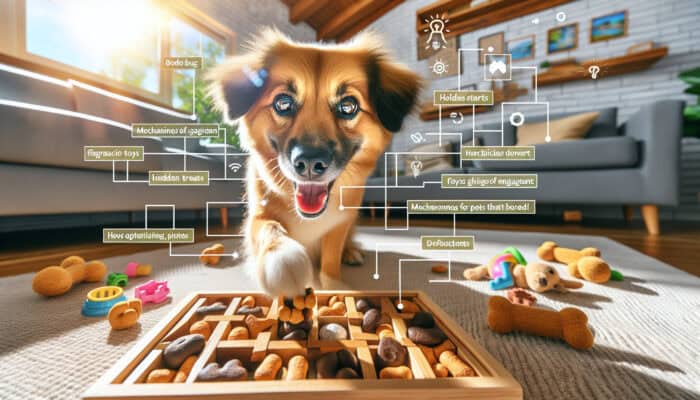
Understanding Puzzle Toys: Essential Tools for Engaging Bored Pets What are the different types of engaging puzzle toys available? Puzzle

Pets Don’t Grieve Losses: Myths and Realities
Exploring the Emotional Landscape of Pets What Influences the Behavior of Your Pet? Pets Don’t Grieve Losses: Understanding pet emotions
I find the idea of pet meditation to be genuinely fascinating. It’s amazing how many ways we can cultivate a deeper connection with our pets, and meditation seems like such a natural extension of that bond. Just thinking about the calming techniques you mentioned and how they can benefit both the pet and owner opens up a whole new realm of shared experiences.
I get what you’re saying about pet meditation; it’s such a cool concept! A lot of people don’t realize how much our pets pick up on our energy and emotions, so taking time to meditate together can really deepen that connection.
You’ve hit the nail on the head with the idea of pet meditation being a fantastic way to deepen that bond we have with our furry (or scaly) friends. It’s almost like finding a missing piece of a puzzle we didn’t even know was incomplete. Picture this: you’re sitting on the floor in a calm, zen-like state, legs crossed, and there’s your dog or cat, casually joining in with their own brand of “I’m totally chill right now—pass me the treats.”
“I’m glad you find the concept intriguing! If you’re curious to explore these calming techniques further, check out this resource that delves deeper into pet meditation practices for you and your furry friend.”
http://elgatoencasa.com/vet
It’s great to hear you’re interested in pet meditation! It really does open up some amazing ways to connect with our furry friends. When you think about it, pets are incredibly intuitive and often mirror our emotions. Using calming techniques not only soothes us but can help settle them too. It’s fascinating to consider how those shared moments of stillness can strengthen that bond.
I love the idea of pet meditation—it’s like yoga class, but with more fur and the occasional snack break! Seriously though, I’ve always believed that our pets can help us chill out, but I had no idea we could take it to this level. I’ve got a cat named Whiskers who’s basically a professional napper. He always looks so zen when he’s snoozing, maybe I should start meditating with him to see if I can channel some of that energy.
Pet meditation does sound like such a cute concept, right? Whiskers seems like the perfect meditation partner—there’s something incredibly calming about watching a cat sleep. They really embody that whole idea of living in the moment. I’ve tried meditating with my dog, and it’s interesting how our pets seem to have this innate ability to chill us out.
Pet meditation really is a game changer, isn’t it? Whiskers sounds like the perfect meditation partner—there’s something about a sleeping cat that brings instant calm. You might be onto something by channeling his energy; animals have this natural ability to stay present in the moment. While you’re meditating, you could even try setting an intention around relaxation or gratitude, inspired by Whiskers’ easygoing vibe. Plus, those snack breaks could definitely add a fun twist! It’s amazing how just spending quiet time with our pets can help us feel more centered. Have you thought about how to create the right space for it? A cozy corner with some soft pillows could be the perfect spot for both of you to unwind.
Absolutely! Just imagine the tranquility you and Whiskers could experience together. If you’re curious to explore pet meditation further, check out this guide to get started on your journey to zen with your furry friend!
https://elgatoencasa.com/vet
I completely agree—there’s something incredibly soothing about having a cat like Whiskers by your side during meditation. It’s true what you said about animals having that innate ability to be present; they remind us to slow down and appreciate the moment. I love the idea of setting intentions inspired by their calm nature. Gratitude is particularly special, especially when I think about how much joy and comfort pets bring into our lives.
I found your exploration of pet meditation really intriguing! It’s fascinating how this practice not only supports our own mental well-being but also enhances the emotional connection we share with our furry companions. I’ve always believed that animals can pick up on our emotions, so it makes sense that meditating together could lead to a more profound bond.
Your thoughts on pet meditation really resonate with me. It’s interesting to think about how our pups and kittens are tuned into our feelings. I’ve noticed that when I take a moment to breathe and center myself, my dog seems to pick up on that energy and relax alongside me. It’s almost like we create our own little calm space together, away from the noise of the day.
I’m so glad you found the article intriguing! If you’re interested in deepening that bond even further, check out this resource on pet meditation techniques that you and your furry friend can try together.
http://elgatoencasa.com/vet
It’s really fascinating how attuned our pets are to our emotions. When I take a moment to ground myself, I’ve noticed my cat will come over, purring quietly beside me, as if she’s soaking up that calm energy. There’s something really special about that shared experience, isn’t there?
It’s interesting to hear your thoughts on pet meditation, and I appreciate the perspective you bring regarding emotional connections. The idea that animals can intuitively sense our feelings is a conversation worth having. It’s not just a simple concept; it’s rooted in the way animals experience their environments and their deep-seated social instincts.
I appreciate your thoughts on pet meditation. It really shines a light on how intertwined our emotions are with those of our pets. You’re correct that animals often pick up on what we’re feeling—there’s a certain kind of intuition in them, isn’t there?
Your point about the emotional connection between us and our pets is spot on. Many people overlook just how deeply animals can resonate with our moods. It goes beyond just intuition; there’s a whole layer of communication happening that might not involve words at all.
I’m glad you resonated with the concept! If you’re curious to explore how to deepen that emotional bond through practices like pet meditation, check out this link for some great resources.
https://elgatoencasa.com/vet
You’ve hit the nail on the head! Animals are little sponges for our emotional vibes. Picture this: you’re having a busy day, and you flop down on the couch to meditate with your dog. Suddenly, you both sink into a calm that feels like you’ve found the magical “chill” button for life. It’s like a spa day for the soul, where your pup is just as down to unwind as you are.
It’s great to hear that you found the exploration of pet meditation intriguing. The connection we have with our pets is incredibly special, and it’s fascinating how simple practices like meditation can deepen that bond. You’re absolutely right about animals being sensitive to our emotions. They have this innate ability to read our feelings in ways we often overlook. So when we take the time to meditate together, it can create a shared space where both our energies align, fostering trust and understanding.
Thank you for your thoughtful comment! If you’re interested in exploring this practice further, check out some resources that can guide you and your pet on this meditative journey together.
https://elgatoencasa.com/vet
I completely agree with you about the connection between pet meditation and our emotional states. It really is remarkable how attuned animals are to our feelings. I’ve noticed that when I meditate with my dog, she seems to settle more deeply into relaxation herself. It’s almost as if she can sense the shift in energy.
This concept of pet meditation is quite intriguing and certainly brings to mind the broader idea of mindfulness practices in our everyday lives. I often think about how much our pets can mirror our emotions; when we feel stressed, they seem to pick up on that energy. Engaging in meditative practices together could be a wonderful way to promote mutual calmness.
You bring up such a valuable point about how our pets seem to tune into our emotional states. It’s fascinating how attuned they are to our vibes, almost like they’re little emotional mirrors reflecting what we feel. When we’re stressed, they often become more anxious or clingy, and it really highlights the connection we share with them.