


Comprehensive Guide to Anal Gland Expression for Pet Owners
What Exactly Are Anal Glands and Their Functions?

Anal Gland Expression Tips for Pets: Anal glands, also called anal sacs, are small, pear-shaped structures located on either side of a pet's anus. These glands produce a foul-smelling secretion primarily used to mark territory, playing a vital role in animal communication. In many pets, particularly dogs, this secretion is typically expelled naturally during defecation. However, in some cases, these glands can become impacted or infected, leading to discomfort and potential health issues. Manual expression may become necessary to relieve pressure, prevent discomfort, and tackle serious problems. Understanding the anatomy and function of anal glands is essential for pet owners, as it helps them recognize when intervention is needed for their furry companions.
Although dogs have well-developed anal glands, cats do too, albeit to a lesser extent. Certain breeds, especially smaller dog breeds, are more susceptible to anal gland complications due to their anatomical structure. For example, pets that do not receive regular outdoor exercise may be at increased risk of gland issues, as physical activity promotes the natural expulsion of gland secretions. Regularly monitoring and understanding anal gland health can significantly enhance your pet's quality of life, enabling timely interventions when necessary.
How Can You Tell If Your Pet Requires Gland Expression?
Recognizing the signs that indicate your pet needs anal gland expression is crucial for their comfort and overall health. Common indicators include scooting, which is when a pet drags its rear across the ground, excessive licking of the anal area, and a strong, unpleasant odor emanating from the rear. These behaviors typically signal that the glands are full and need to be expressed. Early detection and prompt action can prevent discomfort and more severe complications, such as infections or abscesses.
In addition to these obvious signs, subtle indicators may also arise, such as changes in behavior, including increased irritability or restlessness, particularly when your pet tries to relieve itself. If you observe your pet straining during defecation or showing signs of discomfort while sitting or lying down, these could be potential indicators of anal gland issues. Regular observation and a clear understanding of your pet’s normal behavior patterns can help identify potential problems early. If you notice any of these signs, it is crucial to respond swiftly to ensure your pet's well-being.
How Often Should You Express Your Pet’s Glands?
The frequency of anal gland expression varies significantly among pets and is influenced by numerous factors such as breed, diet, size, and overall health. Generally speaking, it is advisable to express a dog's anal glands every 4 to 6 weeks. However, some dogs, especially those with a history of anal gland complications or specific breeds predisposed to such issues, may require more frequent expressions. Conversely, cats typically need their glands expressed less often, sometimes only once or twice annually.
Factors affecting this frequency include your pet's diet; a fiber-rich diet can promote regular bowel movements and facilitate the natural expulsion of gland secretions. Furthermore, a pet's level of physical activity plays a crucial role. Pets that engage in regular exercise are more likely to naturally expel anal gland secretions, thereby reducing the need for manual expression. Regular veterinary check-ups are essential to establish an appropriate expression schedule for your pet, ensuring that their anal glands remain healthy and functional.
What Are the Steps to Safely Express Anal Glands at Home?
Essential Preparations for Home Expression
Preparing to express anal glands at home requires thoughtful planning and the right tools to ensure a safe and stress-free experience for both you and your pet. Begin by gathering the necessary supplies before proceeding with the actual expression. Essential items include disposable gloves for hygiene purposes, lubricating gel to ease the process, clean, absorbent towels to manage any mess, and treats to reward your pet afterward. Creating a calm environment is also vital; choose a quiet area where your pet feels secure and comfortable.
- Disposable gloves
- Lubricating gel or ointment
- Clean towels for efficient mess management
- Pet treats for positive reinforcement
- A calm and quiet space for the procedure
Having these tools readily available can streamline the expression process and reduce stress levels for both you and your pet. Before starting, ensure that your pet is calm by engaging in light play or providing comforting affection. This preparation not only helps you ease into the process but also reassures your pet, making the experience more pleasant for both parties involved.
Step-by-Step Guide to Expressing Anal Glands
Expressing your pet's anal glands at home can be conducted safely with the right approach. Start by positioning your pet comfortably, either standing or lying down. Wearing disposable gloves, gently lift your pet's tail to expose the anal area. You will find the anal glands located at the 4 o'clock and 8 o'clock positions relative to the anus. Using your fingers, apply gentle pressure towards the anus while simultaneously pressing inward, taking care to avoid causing pain or discomfort.
It is crucial to observe your pet's reactions throughout the process. If your pet shows signs of discomfort or distress, pause and offer reassurance. If you notice a brownish fluid being expelled, this indicates successful expression. After completing the procedure, thoroughly clean the area and dispose of any materials used. Rewarding your pet with a treat afterward can help foster a positive association with the experience, making future expressions easier.
Always monitor your pet after expression for any signs of discomfort or unusual behavior. If the glands do not express easily or if you observe any swelling or irritation, it is critical to stop and seek guidance from a veterinarian. Remember, your pet's comfort and safety should always be your utmost priority during this process.
When Should You Seek Professional Assistance?

Recognizing when to stop and consult a veterinarian during anal gland expression is vital for your pet's well-being. If, at any point during the expression, your pet exhibits significant signs of distress—such as whining, aggressive behavior, or attempts to escape—it is essential to pause and reassess the situation. This is especially important if you encounter resistance when applying pressure, which may indicate that the glands are impacted or infected.
In scenarios where the glands do not express easily, it is advisable to consult a veterinarian. Persistent difficulties with gland expression may suggest underlying health issues that require professional evaluation. Your veterinarian can conduct a thorough examination and determine the best course of action, including manual expression, medication, or additional treatments to prevent future complications.
Additionally, if you notice any unusual discharge, blood, or swelling around the anal area, immediate veterinary attention is warranted. These symptoms may indicate serious complications such as infections or abscesses that require urgent care. Prioritizing professional assistance in these situations not only safeguards your pet's health but also alleviates the stress associated with at-home attempts to express.
Expert Tips for Successful Anal Gland Expression in Pets
Real-Life Experiences of Successful Home Expression
Real-life experiences can offer pet owners the reassurance and practical guidance they need when considering anal gland expression at home. For example, one dog owner shared that after successfully expressing their dog's anal glands for the first time, they felt empowered and relieved to have avoided a costly vet visit. By carefully preparing and closely observing their pet's behavior, they performed the procedure without causing any distress to their dog.
Common challenges faced during home expressions include difficulties in locating the glands or managing a pet that is anxious or restless. Strategies to overcome these challenges often involve creating a calm atmosphere and using positive reinforcement, such as soothing words or treats. For instance, using a favorite toy or engaging the pet in a brief play session beforehand can help reduce anxiety.
Expert analysis suggests that understanding the anatomy of your specific pet, whether it be a dog or a cat, can significantly improve the success rate of home expressions. Familiarizing yourself with the gland's location and practicing gentle techniques can prevent potential complications. Additionally, considering your pet's personality and behavior is essential; some pets may respond better to a tranquil environment, while others might need a more stimulating approach to distract them during the process.
What Are the Risks Associated with Improper Gland Expression?
Improper expression of anal glands poses significant risks that can adversely impact your pet's health and comfort. One of the most severe risks is gland rupture, which can occur if excessive pressure is applied or if the glands are already inflamed or infected. A ruptured gland can lead to severe pain, infection, and the necessity for urgent veterinary care. Such cases may require surgical intervention or prolonged treatment, which can create additional stress for both the pet and the owner.
Another risk associated with improper expression is the potential for infection. If performed incorrectly, bacteria can be introduced into the anal glands, leading to abscess formation. Pets suffering from infections may show signs of pain, fever, and changes in appetite or behavior. Preventing these complications underscores the importance of being well-informed about appropriate techniques and of recognizing your pet’s unique needs.
To mitigate these risks, thorough preparation, patience, and an understanding of your pet’s anatomy are essential. Always monitor your pet for signs of discomfort or distress during and after the procedure. Should any complications arise, seeking veterinary assistance promptly can prevent further health issues and ensure your pet remains comfortable and healthy.
Effective Strategies for Preventing Anal Gland Issues
Preventing anal gland complications is vital for maintaining your pet's overall health and comfort. One of the most effective preventive measures is providing your pet with a balanced diet rich in fiber. Fiber-rich foods encourage regular bowel movements, which can facilitate the natural expression of anal gland secretions. Consider incorporating vegetables, whole grains, or specialized high-fiber pet foods into your pet's diet, tailored to their specific nutritional requirements.
Regular exercise is another essential component in preventing gland issues. Active pets are more likely to have regular bowel movements, which aid in the natural expression of glands. Engage your pet in daily activities that match their energy levels, whether it’s walking, running, or playing fetch. Consistent physical activity not only benefits anal gland health but also enhances your pet's overall well-being.
Routine veterinary check-ups are crucial for monitoring your pet's gland health. During regular exams, your veterinarian can assess your pet's anal glands and offer tailored advice on diet, exercise, and any necessary expressions. Additionally, keeping a close eye on your pet's behavior and promptly addressing any signs of discomfort can further help prevent problems.
- Incorporate fiber-rich foods into your pet's diet
- Engage your pet in regular exercise
- Schedule routine veterinary check-ups for gland health
- Monitor your pet’s behavior for early signs of discomfort
By implementing these preventive strategies, you can significantly decrease the likelihood of anal gland issues and promote better overall health for your furry companion.
What Are the Advantages of Regular Gland Expression?
Alleviating Discomfort and Preventing Scooting
Regular anal gland expression provides substantial benefits for your pet, primarily by alleviating discomfort and preventing the troublesome behavior of scooting. When anal glands become overly full, pets may experience significant discomfort, leading to behaviors such as scooting across the floor in an attempt to relieve pressure. This behavior can be distressing for the pet and may lead to skin irritation or friction-related injuries. By consistently expressing the glands, pet owners can prevent the accumulation of secretions, allowing pets to feel more comfortable and behave normally.
Furthermore, preventing discomfort through regular expression can drastically enhance your pet's quality of life. When pets are free from the urge to scoot or excessively lick their anal area, they can engage more fully in their daily activities, such as playing, exploring, and interacting with family members. A comfortable pet is a happy pet, and regular anal gland care is a vital aspect of comprehensive health management.
This routine not only improves your pet’s physical health but also fosters a healthier relationship between you and your pet. By proactively managing anal gland health, you strengthen the bond of trust and care, as your pet learns to associate you with comfort and relief.
Preventing Infections and Abscesses Through Regular Care
One of the primary benefits of consistent anal gland expression is the significant reduction in the risk of infections and abscesses. Impacted anal glands can lead to painful infections that require veterinary intervention, including antibiotics or even surgical drainage. By ensuring that the glands are emptied regularly, pet owners can prevent secretions from becoming thickened and impacted, thus reducing the likelihood of bacterial growth and subsequent infections.
Moreover, regular expressions allow pet owners to monitor their pet’s anal glands. Observing the consistency and color of the expelled secretions can provide critical insights into your pet's health. For instance, if the secretions are particularly foul-smelling or discolored, this may indicate an underlying issue that requires veterinary attention. Regular self-checks can help identify these problems early, which is essential for maintaining your pet's health.
Establishing a routine for anal gland expression can also significantly alleviate the emotional and financial burden associated with emergency veterinary visits for complications arising from untreated gland issues. A well-managed approach can spare pet owners from the stress of sudden health crises while ensuring their pets remain healthy and thriving.
Enhancing the Overall Well-being of Your Pet
Regular anal gland expression plays a significant role in contributing to a pet’s overall well-being. By preventing discomfort, infections, and other complications, pet owners can ensure their furry friends lead healthier, happier lives. Routine maintenance of anal gland health is an often-overlooked aspect of pet care that can significantly improve a pet's quality of life.
When anal glands function correctly, pets experience fewer health issues related to discomfort or irritation. This translates to a more active and engaging lifestyle. Healthy pets are more prone to engage in social interactions, whether with humans or other animals, fostering better relationships and enriching their lives.
Furthermore, regular care routines can strengthen the bond between pets and their owners. When owners invest time in maintaining their pet's health, they create a nurturing environment that promotes trust and affection. This emotional connection is vital to a fulfilling pet-owner relationship and enhances the overall pet-ownership experience.
Promoting Optimal Anal Gland Function
The regular expression of anal glands is crucial for maintaining optimal gland function. When glands are routinely emptied, it helps prevent them from becoming overfilled or impacted, thereby promoting the natural secretion process. This is particularly important for pets that may be predisposed to anal gland issues due to their breed or lifestyle.
By proactively managing anal gland health, pet owners can help their pets avoid discomfort and potential complications associated with poorly functioning glands. When glands operate effectively, pets are less likely to experience chronic infections or require invasive treatments. Regular expressions can also encourage the healthy secretion of glandular materials, promoting better long-term functioning.
Understanding and implementing a routine for anal gland expression can have lasting positive effects on your pet’s health. With proper care, pets can enjoy a comfortable, stress-free life, free of the discomfort associated with anal gland problems.
Minimizing Veterinary Visits Through Regular Care
Regularly expressing your pet's anal glands can significantly reduce the need for frequent veterinary visits related to gland issues. Preventivee care is generally more manageable and cost-effective than treating complications arising from neglected glands. By staying ahead of potential problems, pet owners can save both money and time while ensuring their pets remain healthy.
When pets do not experience recurrent anal gland problems, they are less likely to require expensive treatments or emergency veterinary visits. Implementing a routine that includes regular anal gland expression can help minimize the risk of infections, abscesses, and other complications, enabling better management of pet health.
Additionally, reducing the frequency of veterinary visits for gland-related issues enables pet owners to focus on regular check-ups for other health concerns, ensuring a holistic approach to their pet's overall health. This proactive stance enhances the pet's quality of life and fosters a sense of security and trust in the caregiver's ability to maintain their health.
Essential Tools and Techniques for Effective Gland Expression
Selecting the Right Tools for the Job
Having the right tools is vital for effective and safe anal gland expression. Using high-quality supplies can streamline the entire process and reduce stress for both you and your pet. Start with disposable gloves to maintain hygiene. Gloves help prevent you from inadvertently introducing bacteria during the expression process, protecting both you and your pet from potential infections.
Additionally, a good lubricating gel can make the procedure smoother by reducing friction and discomfort for your pet. Choose a veterinary-approved lubricant to ensure safety and efficacy. Clean, absorbent towels are also crucial for managing any mess created during the process and maintaining cleanliness. It’s beneficial to have a couple of towels on hand, as they make cleanup easier and provide a more pleasant experience for your pet.
Lastly, consider a comfortable and secure area where you can perform the expression. Having a designated space can help your pet feel more at ease, reducing anxiety during the procedure. A calm setting, combined with the right tools, can significantly enhance the overall experience for both you and your pet.
Techniques Tailored to Different Pet Sizes
Different techniques may be necessary to express anal glands depending on your pet's size. For smaller pets, such as toy breeds, a gentler approach is essential. Use your thumb and forefinger to apply light pressure around the anal area, ensuring that you do not apply excessive force. Smaller pets may be more sensitive, so closely monitoring their reactions is crucial during the process.
In contrast, larger pets may require a firmer grip and a different positioning method. Positioning them in a standing or semi-reclined stance can facilitate easier access to the anal glands. The key is to adapt your technique based on your pet's size and temperament. It may be beneficial to seek guidance from a veterinarian or a professional groomer to learn proper techniques specific to your pet's breed and size.
Always remain patient and observant throughout the process. Each pet has its own comfort levels and responses, so tailoring your technique to meet their unique needs is essential for successful gland expression.
How Can You Reduce Stress During the Process?
Minimizing stress during anal gland expression is vital for both you and your pet. Start by creating a calm environment; select a quiet space free of distractions. Soft lighting and gentle music can help soothe anxious pets. Engaging your pet in light play or offering comforting affection before the procedure can also alleviate anxiety.
Offering treats can serve as positive reinforcement, making the experience more pleasant for your pet. Consider using their favorite treats or toys to reward calm behavior during and after the procedure. If your pet is particularly anxious, having a second person available to help hold them steady and provide comfort can be beneficial.
Throughout the expression, maintain a gentle and calm demeanor. Speak softly to reassure your pet, and take breaks if they appear uncomfortable. The goal is to create a positive experience that fosters trust and comfort, making future expressions easier for both of you.
Determining the Correct Frequency and Timing for Gland Expression
Determining the appropriate frequency for anal gland expression is crucial for your pet's health. It is generally recommended to express a dog’s anal glands every 4 to 6 weeks, while cats may require expression less frequently, often only a couple of times per year. However, this frequency can vary based on individual health, diet, and lifestyle.
Timing is also important; consider expressing the glands after your pet has had a bowel movement, as this can facilitate the process and minimize discomfort. Observing your pet’s behavior can also guide you on when to schedule expressions. If you notice signs of discomfort or scooting before the usual expression schedule, it may be wise to adjust the timing.
Work closely with your veterinarian to establish a personalized schedule for your pet. Regular monitoring and adjustments tailored to your pet’s needs can help ensure their anal glands remain healthy and functional, ultimately enhancing their overall well-being.
When Should You Consult a Veterinarian for Anal Gland Issues?
Identifying Signs of Complications
Recognizing signs of complications associated with anal gland issues is vital to your pet's health. If your pet exhibits signs of pain, such as excessive whining, difficulty sitting, or incessant licking of the anal area, these could indicate an underlying issue that necessitates immediate veterinary attention. Swelling or redness around the anal area may also signal infection or abscess formation.
Additionally, any abnormal discharge from the anal glands, particularly if it is bloody or foul-smelling, should prompt an immediate visit to the vet. These symptoms can indicate serious conditions that, if left untreated, could lead to significant health problems for your pet. Timely intervention is critical to addressing any complications and ensuring your pet receives the appropriate care they need.
Regular monitoring of your pet's behavior and health can help detect these complications early. Keeping a journal of your pet's health, noting any changes in behavior or signs of discomfort, can provide a helpful reference during veterinary visits.
Understanding When to Seek Professional Help
Understanding when to seek professional assistance for anal gland issues is crucial for your pet's well-being. If you find that home expressions are consistently difficult or if your pet experiences recurring issues, a professional evaluation is necessary. Recurring problems may suggest underlying health issues that require veterinary assessment and intervention.
Consult a veterinarian if you notice persistent signs of discomfort, such as scooting, licking, or changes in behavior, especially if these symptoms do not improve after home expressions. A veterinarian can conduct a comprehensive examination to determine whether larger concerns, such as allergies or gastrointestinal problems, may be contributing to the gland issues.
Approaching your veterinarian with specific observations and questions about your pet’s symptoms can be beneficial. This collaborative approach ensures your pet receives the most effective treatment tailored to their unique needs.
What to Anticipate During a Veterinary Visit for Anal Gland Issues
During a veterinary visit for anal gland concerns, pet owners can expect a thorough examination of their pet. The veterinarian will typically assess the anal area for any signs of swelling, infection, or abnormal discharge. They may also conduct a manual expression to evaluate the condition of the glands and relieve any discomfort.
Following the examination, the veterinarian will discuss their findings and may provide treatment recommendations, including manual expressions, medications, or dietary adjustments to promote better anal gland health. Pet owners should feel free to ask questions and seek clarification on any aspects of the care plan to ensure a comprehensive understanding of how to manage their pet’s health moving forward.
Expect your vet to provide guidance on preventive measures to avoid future issues, including recommendations for dietary changes, increased exercise, or routine monitoring of your pet’s anal gland health. Establishing a good rapport with your veterinarian can significantly enhance your pet's healthcare experience.
How to Prepare for Your Veterinarian Appointment
Preparing for your veterinarian appointment is essential to ensure your pet receives the highest quality care possible. Start by gathering your pet’s medical history, including previous issues with anal glands, any treatments received, and observations of current symptoms. This information is invaluable for the veterinarian in diagnosing and providing effective care.
Note any specific symptoms your pet has been exhibiting, such as the frequency of scooting, licking, or any changes in appetite or behavior. This detailed information helps the veterinarian understand the extent of the problem and create a tailored treatment plan.
Additionally, prepare a list of questions you may have regarding your pet's anal gland health, including concerns about diet, expression frequency, and recommended follow-up care. Writing down these questions ensures you get the most out of your visit. Being well-prepared not only facilitates a productive appointment but also helps establish a strong partnership between you and your veterinarian in managing your pet’s health.
Frequently Asked Questions About Anal Gland Expression
How often should I express my pet's anal glands?
The recommended frequency for expressing a dog's anal glands is every 4 to 6 weeks, while cats may only need it once or twice a year, depending on their specific needs and health conditions.
What are the signs that my pet needs anal gland expression?
Signs include scooting, excessive licking of the anal area, strong odors, and unusual behaviors such as straining to defecate or discomfort when sitting.
Can I express my pet's anal glands at home?
Yes, you can express your pet's anal glands at home, but it requires careful preparation and understanding of the correct technique to ensure the safety and comfort of your pet throughout the process.
What should I do if my pet shows signs of pain during expression?
If your pet shows signs of pain or distress during expression, stop immediately and consult a veterinarian. This may indicate underlying issues that require professional attention to ensure your pet's well-being.
What tools do I need for expressing anal glands?
Essential tools include disposable gloves, lubricating gel, clean towels, and treats for positive reinforcement. Having these items ready can facilitate a smoother and more efficient process.
What are the risks of improper anal gland expression?
Improper expression can lead to complications such as gland rupture, infection, or abscess formation. Understanding the risks is crucial to safe, effective expression practices that prioritize your pet's health.
How can I prevent anal gland issues in my pet?
Preventive measures include a fiber-rich diet, regular exercise, routine veterinary check-ups, and vigilant monitoring of your pet’s behavior for early signs of discomfort or problems.
What should I expect during a veterinary visit for anal gland issues?
During a veterinary visit, expect a thorough examination, possible manual expression by the vet, and recommendations for managing your pet’s anal gland health in the future.
Is it normal for pets to have anal gland issues?
While some pets are more prone to anal gland issues, it is not uncommon. Regular monitoring and care can help prevent complications and maintain your pet's health.
When should I consult a veterinarian about my pet’s anal glands?
Consult a veterinarian if your pet shows persistent signs of discomfort, has difficulty expressing glands at home, or exhibits abnormal discharge or swelling that could indicate health concerns.
Connect with us on Facebook for more insights!
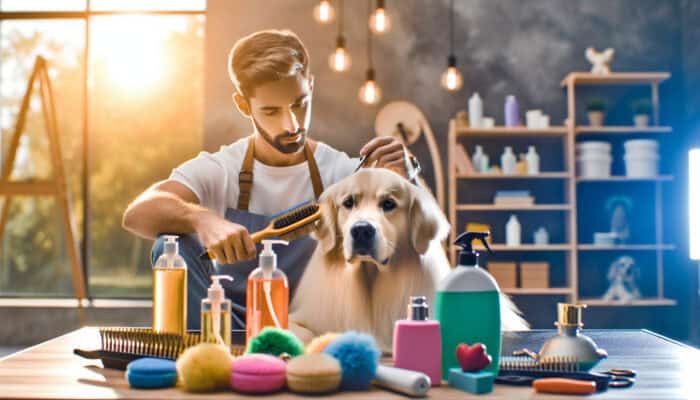
Grooming During Pet Sitting Periods: Essential Care Strategies
Mastering the Essentials of Pet Grooming Crucial Components of Effective Pet Grooming Grooming During Pet Sitting Periods: Grooming during pet
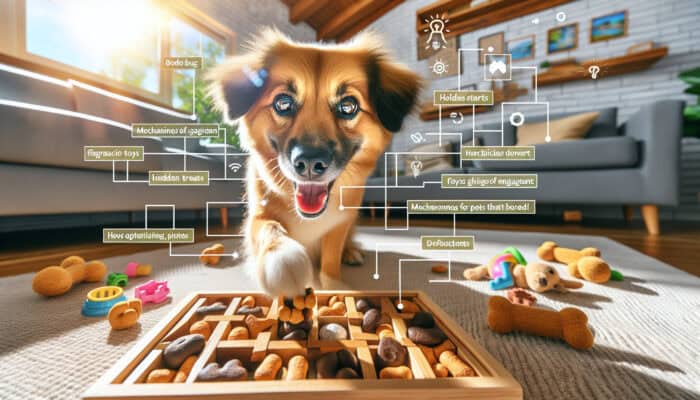
Puzzle Toys for Bored Pets: Fun Ways to Stimulate and Engage Pets
Understanding Puzzle Toys: Essential Tools for Engaging Bored Pets What are the different types of engaging puzzle toys available? Puzzle

Pets Don’t Grieve Losses: Myths and Realities
Exploring the Emotional Landscape of Pets What Influences the Behavior of Your Pet? Pets Don’t Grieve Losses: Understanding pet emotions
I find the idea of pet meditation to be genuinely fascinating. It’s amazing how many ways we can cultivate a deeper connection with our pets, and meditation seems like such a natural extension of that bond. Just thinking about the calming techniques you mentioned and how they can benefit both the pet and owner opens up a whole new realm of shared experiences.
I get what you’re saying about pet meditation; it’s such a cool concept! A lot of people don’t realize how much our pets pick up on our energy and emotions, so taking time to meditate together can really deepen that connection.
You’ve hit the nail on the head with the idea of pet meditation being a fantastic way to deepen that bond we have with our furry (or scaly) friends. It’s almost like finding a missing piece of a puzzle we didn’t even know was incomplete. Picture this: you’re sitting on the floor in a calm, zen-like state, legs crossed, and there’s your dog or cat, casually joining in with their own brand of “I’m totally chill right now—pass me the treats.”
“I’m glad you find the concept intriguing! If you’re curious to explore these calming techniques further, check out this resource that delves deeper into pet meditation practices for you and your furry friend.”
http://elgatoencasa.com/vet
It’s great to hear you’re interested in pet meditation! It really does open up some amazing ways to connect with our furry friends. When you think about it, pets are incredibly intuitive and often mirror our emotions. Using calming techniques not only soothes us but can help settle them too. It’s fascinating to consider how those shared moments of stillness can strengthen that bond.
I love the idea of pet meditation—it’s like yoga class, but with more fur and the occasional snack break! Seriously though, I’ve always believed that our pets can help us chill out, but I had no idea we could take it to this level. I’ve got a cat named Whiskers who’s basically a professional napper. He always looks so zen when he’s snoozing, maybe I should start meditating with him to see if I can channel some of that energy.
Pet meditation does sound like such a cute concept, right? Whiskers seems like the perfect meditation partner—there’s something incredibly calming about watching a cat sleep. They really embody that whole idea of living in the moment. I’ve tried meditating with my dog, and it’s interesting how our pets seem to have this innate ability to chill us out.
Pet meditation really is a game changer, isn’t it? Whiskers sounds like the perfect meditation partner—there’s something about a sleeping cat that brings instant calm. You might be onto something by channeling his energy; animals have this natural ability to stay present in the moment. While you’re meditating, you could even try setting an intention around relaxation or gratitude, inspired by Whiskers’ easygoing vibe. Plus, those snack breaks could definitely add a fun twist! It’s amazing how just spending quiet time with our pets can help us feel more centered. Have you thought about how to create the right space for it? A cozy corner with some soft pillows could be the perfect spot for both of you to unwind.
Absolutely! Just imagine the tranquility you and Whiskers could experience together. If you’re curious to explore pet meditation further, check out this guide to get started on your journey to zen with your furry friend!
https://elgatoencasa.com/vet
I completely agree—there’s something incredibly soothing about having a cat like Whiskers by your side during meditation. It’s true what you said about animals having that innate ability to be present; they remind us to slow down and appreciate the moment. I love the idea of setting intentions inspired by their calm nature. Gratitude is particularly special, especially when I think about how much joy and comfort pets bring into our lives.
I found your exploration of pet meditation really intriguing! It’s fascinating how this practice not only supports our own mental well-being but also enhances the emotional connection we share with our furry companions. I’ve always believed that animals can pick up on our emotions, so it makes sense that meditating together could lead to a more profound bond.
Your thoughts on pet meditation really resonate with me. It’s interesting to think about how our pups and kittens are tuned into our feelings. I’ve noticed that when I take a moment to breathe and center myself, my dog seems to pick up on that energy and relax alongside me. It’s almost like we create our own little calm space together, away from the noise of the day.
I’m so glad you found the article intriguing! If you’re interested in deepening that bond even further, check out this resource on pet meditation techniques that you and your furry friend can try together.
http://elgatoencasa.com/vet
It’s really fascinating how attuned our pets are to our emotions. When I take a moment to ground myself, I’ve noticed my cat will come over, purring quietly beside me, as if she’s soaking up that calm energy. There’s something really special about that shared experience, isn’t there?
It’s interesting to hear your thoughts on pet meditation, and I appreciate the perspective you bring regarding emotional connections. The idea that animals can intuitively sense our feelings is a conversation worth having. It’s not just a simple concept; it’s rooted in the way animals experience their environments and their deep-seated social instincts.
I appreciate your thoughts on pet meditation. It really shines a light on how intertwined our emotions are with those of our pets. You’re correct that animals often pick up on what we’re feeling—there’s a certain kind of intuition in them, isn’t there?
Your point about the emotional connection between us and our pets is spot on. Many people overlook just how deeply animals can resonate with our moods. It goes beyond just intuition; there’s a whole layer of communication happening that might not involve words at all.
I’m glad you resonated with the concept! If you’re curious to explore how to deepen that emotional bond through practices like pet meditation, check out this link for some great resources.
https://elgatoencasa.com/vet
You’ve hit the nail on the head! Animals are little sponges for our emotional vibes. Picture this: you’re having a busy day, and you flop down on the couch to meditate with your dog. Suddenly, you both sink into a calm that feels like you’ve found the magical “chill” button for life. It’s like a spa day for the soul, where your pup is just as down to unwind as you are.
It’s great to hear that you found the exploration of pet meditation intriguing. The connection we have with our pets is incredibly special, and it’s fascinating how simple practices like meditation can deepen that bond. You’re absolutely right about animals being sensitive to our emotions. They have this innate ability to read our feelings in ways we often overlook. So when we take the time to meditate together, it can create a shared space where both our energies align, fostering trust and understanding.
Thank you for your thoughtful comment! If you’re interested in exploring this practice further, check out some resources that can guide you and your pet on this meditative journey together.
https://elgatoencasa.com/vet
I completely agree with you about the connection between pet meditation and our emotional states. It really is remarkable how attuned animals are to our feelings. I’ve noticed that when I meditate with my dog, she seems to settle more deeply into relaxation herself. It’s almost as if she can sense the shift in energy.
This concept of pet meditation is quite intriguing and certainly brings to mind the broader idea of mindfulness practices in our everyday lives. I often think about how much our pets can mirror our emotions; when we feel stressed, they seem to pick up on that energy. Engaging in meditative practices together could be a wonderful way to promote mutual calmness.
You bring up such a valuable point about how our pets seem to tune into our emotional states. It’s fascinating how attuned they are to our vibes, almost like they’re little emotional mirrors reflecting what we feel. When we’re stressed, they often become more anxious or clingy, and it really highlights the connection we share with them.