


Crate Setup for Puppy Comfort: Tips for a Cozy Space
Essential Steps for Assembling Your Puppy’s Crate Accurate Measurements for Your Puppy’s Size To guarantee that your puppy’s crate is both comfortable and secure, precise
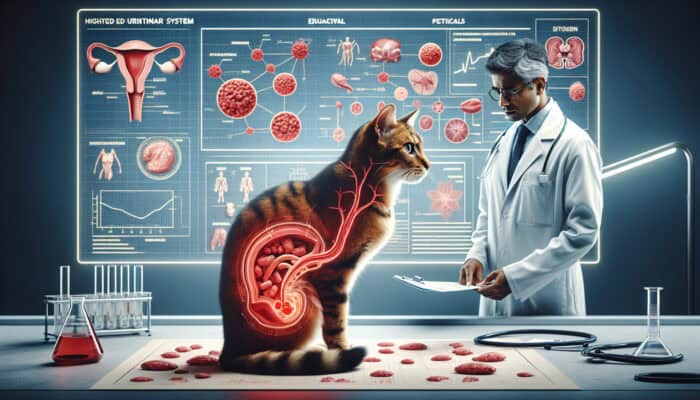
Table of Contents
Toggle
Urinary Tract Issues in Female Cats: Urinary tract problems in female cats arise from various factors that can significantly impact their overall health. One of the most critical factors is diet, as an inadequate nutritional regimen can promote crystal formation and urinary obstruction. Adequate hydration is equally essential; insufficient water intake can lead to concentrated urine, which may cause irritation and urinary tract infections. Furthermore, behavioral factors such as stress, anxiety, and alterations in daily routines can also contribute to these health issues. Environmental factors, including the cleanliness of the litter box and the availability of secure spaces, can exacerbate urinary concerns. By understanding these influences, cat owners can take proactive measures to care for their feline companions.
Recognizing the early signs of urinary tract issues is crucial for effective management and treatment. Cats may urinate frequently, often straining or vocalizing during urination. Other indicators include noticeable changes in litter box habits, such as increased frequency of visits or urinating outside the designated area. Owners should vigilantly monitor their feline companions for these behavioral changes, as timely intervention can significantly enhance health outcomes. By maintaining a close watch, minor issues can be addressed before escalating into more serious health concerns.
Genetics plays a notable role in a cat's likelihood of developing urinary tract issues. Certain breeds are more predisposed to these conditions due to inherited traits. For instance, breeds such as Persians and Himalayans are known to have a higher incidence of urinary problems. Awareness of these genetic factors enables owners and breeders to make informed decisions regarding breeding practices and health monitoring. Regular veterinary check-ups and genetic screenings can help identify potential risks early, allowing for proactive care and timely intervention.
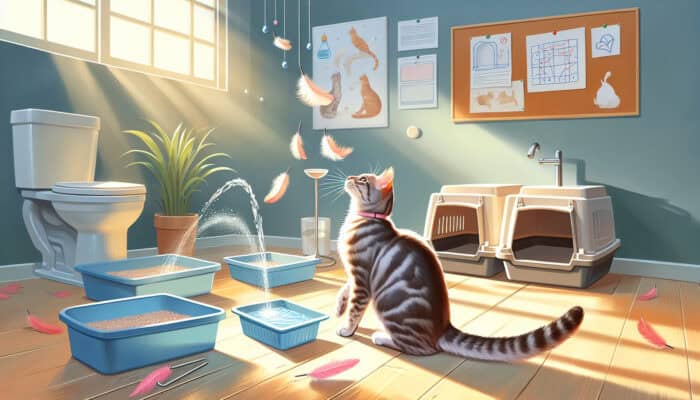
A cat's lifestyle plays a significant role in its urinary health. Daily routines, including feeding schedules and playtime, directly affect hydration levels and overall well-being. Stressors—environmental or social- can lead to anxiety, which may manifest as urinary problems. Owners must create a balanced environment that promotes relaxation and healthy habits. Providing enrichment activities, ensuring appropriate access to litter boxes, and maintaining a calm household can foster positive lifestyle choices, ultimately helping to mitigate urinary tract issues in female cats.
Initial warning signs of urinary tract issues may be subtle, but they are vital for early intervention. Increased frequency of litter box visits or noticeable discomfort during urination should prompt immediate concern. Other subtle changes, such as increased vocalization or restlessness, can also indicate a problem. By closely observing your cat's habits, you can detect these early symptoms promptly, leading to more effective treatment. Keeping a journal of your cat's litter box use may help you identify these early signs more easily.
Behavioral changes often accompany urinary tract issues, and recognizing these shifts can help cat owners seek appropriate care. If a cat begins hiding more often or shows decreased activity, it may indicate discomfort or pain. Changes in social interaction, such as withdrawal from family members or other pets, may also indicate underlying health issues. Regularly engaging with your cat helps identify these behavioral changes early, facilitating a more responsive approach to their care and overall well-being.
Identifying deviations from a cat's typical behaviors is crucial for the early detection of urinary tract issues. Variations in routines, such as altered eating or drinking habits, can indicate discomfort. For example, a cat that usually follows a consistent bathroom schedule may suddenly become hesitant to use the litter box, suggesting a potential urinary problem. Understanding what constitutes normal behavior for your cat enables better recognition of concerning changes, fostering an environment conducive to timely veterinary evaluations.
Physical symptoms are often the most apparent indicators of urinary tract issues in female cats. Common signs include weight loss, changes in coat condition, or unusual discharges from the urinary tract. Monitoring these physical changes is essential; for example, a dull coat may signal health concerns beyond mere dietary deficiencies. Regular health checks and close observation of your cat can help detect these symptoms early, enabling timely consultations with a veterinarian and interventions that may prevent more severe complications.
Accurate diagnosis of urinary tract issues in female cats requires a comprehensive approach. Veterinarians typically begin with routine physical examinations, supplemented by urine analysis and blood tests to evaluate kidney function and rule out infections. Imaging techniques such as X-rays or ultrasound may also be used to detect underlying structural issues. Understanding these diagnostic steps helps owners appreciate the thoroughness of veterinary evaluations and underscores the importance of timely consultations to facilitate effective treatment.
Untreated urinary tract issues can lead to severe long-term health effects in female cats, including chronic kidney disease and recurrent urinary infections. For instance, a cat with a urinary blockage that is not promptly addressed may experience significant bladder damage or develop life-threatening conditions. Prevention strategies, such as regular veterinary check-ups and immediate treatment of initial symptoms, are vital for mitigating these risks. Long-term health monitoring is crucial to ensure that any recurring issues are managed effectively.
Advanced care techniques for managing urinary tract issues in female cats often involve specialized dietary modifications to promote urinary health. High-quality, moisture-rich diets can help dilute urine and reduce the risk of crystal formation. Additionally, incorporating specific supplements, such as omega fatty acids, can provide anti-inflammatory benefits that support urinary tract health. Implementing these strategies requires collaboration with a veterinarian to tailor the most effective approach for each cat's needs.
Several common causes and risk factors contribute to urinary tract issues in female cats, including genetic predispositions, dietary choices, and environmental stressors. Understanding these elements is vital for cat owners aiming to enhance their feline friends' health. For instance, maintaining a balanced nutrient intake can help prevent obesity, a significant risk factor for urinary problems. Educating oneself about these causes enables proactive measures in daily care routines, ultimately promoting better urinary health.
Medications are essential in alleviating symptoms associated with urinary tract issues in female cats. Commonly prescribed antibiotics address underlying infections, while anti-inflammatory drugs help reduce discomfort during urination. Additionally, specific medications may help dissolve crystals or stones in the urinary tract. Key treatment options include:
Understanding these options empowers cat owners to actively participate in their pet’s treatment plans and closely monitor their progress.
Exploring natural remedies can provide additional support for female cats dealing with urinary tract issues. Herbal supplements such as cranberry extract may help prevent urinary infections by acidifying the urine. Other natural options, including D-mannose and pumpkin seed extract, can support bladder health. However, it is crucial to integrate these remedies cautiously, ideally under veterinary guidance, to ensure compatibility with ongoing treatments and the cat's specific needs.
Knowing when to seek professional help is vital for cat owners. Indicators for veterinary intervention include persistent urinary issues, visible pain during urination, or sudden behavioral changes. Cats exhibiting signs of lethargy or loss of appetite require immediate attention. Timely decision-making can significantly influence the cat's recovery trajectory and overall well-being, underscoring the importance of vigilant observation and responsive care.
A balanced diet is essential for reducing the risk of urinary tract issues in female cats. Research indicates that diets high in moisture content, along with appropriate levels of protein and minerals, can effectively prevent crystal formation. For example, incorporating wet food into a cat's daily routine can significantly improve hydration levels. Owners should prioritize providing high-quality, veterinarian-recommended foods tailored to their cat's specific health needs, ensuring that nutritional strategies effectively support urinary health.
Regular exercise is crucial for maintaining overall health and supporting urinary function in female cats. Engaging in playful activities supports not only physical health but also mental well-being, reducing stress that can contribute to urinary issues. Studies indicate that active cats are less likely to become obese, a known risk factor for urinary tract problems. Simple activities, including interactive play with toys or climbing structures, can enhance feline fitness and promote a healthier lifestyle.
Hydration is essential to urinary health in female cats. Techniques to enhance hydration include using water fountains, which can be more appealing and encourage cats to drink more frequently. Additionally, incorporating wet food into their diet can significantly increase moisture intake. Establishing these habits early can help prevent urinary health issues by keeping cats well hydrated and reducing the risk of concentrated urine, which often leads to infections.
Delaying action on urinary tract issues can lead to serious complications, including the spread of infection to the kidneys, which may result in irreversible damage. Untreated blockages can cause extreme pain and distress and may even pose life-threatening risks. Understanding these potential complications underscores the importance of prompt veterinary attention, as early intervention can prevent the escalation of health concerns and support more favorable outcomes for affected cats.
Implementing prevention strategies can significantly reduce the severity of urinary tract issues in female cats. By scheduling regular health check-ups, monitoring behavioral changes, and ensuring a balanced diet, owners can proactively mitigate risks. Preventive measures not only improve the cat's quality of life but also minimize the likelihood of severe health complications, making early identification of problems essential for effective management and treatment.
After intervention for urinary tract issues, signs of improvement can become quite apparent. Behavioral changes such as increased playfulness, better litter box habits, and improved appetite are positive indicators of recovery. Keeping track of these milestones benefits both owners and veterinarians. Key recovery milestones to monitor include:
Monitoring these signs helps ensure the cat is on the right path to recovery and enables timely adjustments to the treatment plan if necessary.
Establishing daily habits is essential for the ongoing care of female cats and for preventing urinary tract issues. Regular feeding schedules that align with a balanced diet support digestive health and proper hydration. Furthermore, ensuring access to clean litter boxes and providing an adequate water supply are critical components of daily routines. By fostering these habits, owners can create an environment that promotes feline health and effectively mitigates urinary concerns.
Tracking progress over time is vital for assessing the health of female cats, particularly concerning urinary tract issues. Simple checks, such as noting changes in litter box habits or monitoring weight, can provide valuable insights into a cat's health status. Keeping a log of unusual behaviors or symptoms helps owners identify trends and communicate effectively with veterinarians. Regular assessments facilitate timely interventions and adjustments to care plans as needed.
Implementing lifestyle adjustments can significantly enhance the quality of life for female cats and reduce the risk of urinary tract issues. Simple changes, such as optimizing the home environment to reduce stress, can foster a sense of safety and security. Furthermore, promoting interactive play, providing appropriate scratching surfaces, and ensuring a balanced social structure contribute to overall well-being. These adjustments ultimately support better health outcomes, resulting in a happier and healthier feline companion.
The most prevalent urinary tract issues in female cats include urinary tract infections, bladder stones, and feline idiopathic cystitis. These conditions can cause a range of symptoms, including discomfort during urination and changes in litter box habits.
Signs of a urinary tract infection may include frequent urination, straining to urinate, blood in the urine, or excessive vocalization during bathroom visits. Observing these symptoms can prompt timely veterinary intervention.
Incorporating high-quality, moisture-rich foods and maintaining a balanced diet can help prevent urinary tract issues. Cats should always have access to plenty of fresh water to promote hydration and dilute urine concentration.
Certain breeds, such as Persians and Siamese, may have a genetic predisposition to urinary tract issues. Understanding breed-specific risks enables owners to take preventive measures effectively.
If your cat exhibits symptoms such as persistent discomfort during urination, blood in the urine, or significant behavioral changes, it is crucial to seek veterinary care promptly to address potential urinary tract issues.
Yes, stress can significantly contribute to urinary tract problems in cats. Stress can affect a cat's behavior and may lead to conditions such as feline idiopathic cystitis, making it critical to provide a calm environment.
Hydration is vital for urinary health, as adequate water intake helps dilute urine and prevent the formation of crystals and stones. Encouraging cats to drink more water is essential for their overall well-being.
Yes, natural remedies such as cranberry extract and certain herbal supplements may support urinary tract health in cats. However, these should be discussed with a veterinarian before use to ensure safety and efficacy.
Treatment options for urinary tract issues may include medications (such as antibiotics), dietary changes, and, in some cases, surgical intervention. A veterinarian will determine the best course based on the specific condition.
Supporting recovery involves maintaining a stress-free environment, ensuring adequate hydration, providing a balanced diet, and following veterinary treatment guidelines. Monitoring your cat's behavior and health progress is also essential.
Tags
Essential Steps for Assembling Your Puppy’s Crate Accurate Measurements for Your Puppy’s Size To guarantee that your puppy’s crate is both comfortable and secure, precise

Understanding the Features of Temperature-Controlled Pet Beds Key Components of Temperature-Controlled Beds The essential elements that enable temperature-controlled beds for pets to maintain comfortable temperatures
Navigate Seasonal Flea Challenges for Your Pets How to Spot the Early Signs of Flea Infestation Early detection of flea activity is essential for pet
By subscribing to our newsletter you agree to our Terms and Conditions and Privacy Policy
Your exploration of the benefits of fetch games resonates deeply with my experiences as a dog owner. Having a high-energy breed, I’ve seen firsthand how crucial physical activity is for maintaining not just my dog’s physical health, but their mental well-being as well. It’s often surprising how much energy these dogs can expend, and if not properly channeled through activities like fetch, it can lead to frustration for both the pet and the owner.
I hear you loud and clear! It sounds like you’re living in the “Fetch Olympics” with your high-energy pup. It’s wild how these little furballs are basically tiny energy factories, churning out boundless enthusiasm and then presenting us with the challenge of keeping up.
“I’m glad to hear that you’ve seen the positive impact of fetch games! If you’re looking for some new ideas to keep your high-energy pup engaged, check out this resource for fun variations on fetch that can help channel all that energy!”
https://elgatoencasa.com/vet
It’s great to hear that you’ve experienced the benefits of fetch games with your high-energy dog. The connection between physical activity and mental well-being is often overlooked, but it can really transform a dog’s demeanor. Those moments when they’re racing after a ball, completely lost in the joy of the chase, are pivotal for both their energy management and their happiness.
I’m glad you found the article relatable! If you’re looking for more fun ways to keep your furry friend engaged and active, check out this helpful resource.
https://elgatoencasa.com/vet
The joy dogs experience while playing fetch is truly something special. It’s fascinating how those moments can ignite a natural instinct in them, turning even the most anxious pups into playful athletes. Beyond the physical benefits, watching them engage in this simple game can be a reminder of how important play is in their lives—it’s not just about burning off energy, but creating a bond and providing mental stimulation too.
Absolutely! If you’re looking for more engaging activities to keep your pup active and happy, I recommend checking out this fantastic resource for some fresh ideas.
https://elgatoencasa.com/vet
I completely resonate with what you mentioned about the connection between physical activity and a dog’s mental well-being. It’s fascinating how some simple moments, like a dog racing after a ball, can significantly influence their overall happiness and behavior. I’ve seen firsthand how those invigorating fetch sessions can alleviate my dog’s restlessness and elevate his mood—something that’s just as vital for us as it is for them.
Your insights on the benefits of fetch games truly resonate, especially considering how integral play is to a dog’s wellbeing. I’ve noticed that my own energetic Labrador thrives on the excitement and physical challenges that fetch provides. It’s fascinating to see how something as simple as throwing a ball can transform a dog’s day and enhance their physical health.
It’s really interesting how something as simple as fetch can create such a positive impact on a dog’s day, isn’t it? I think you hit the nail on the head with your Labrador—those energetic breeds thrive on that kind of physical activity. It’s almost like their whole demeanor changes when they get to sprint after a ball or stick. You can see that joy in their eyes, that pure excitement, as they launch themselves after whichever toy you’ve thrown.
“I’m glad to hear that your Labrador is thriving! If you’re looking for some great fetch gear to keep those play sessions exciting, check this out!”
https://elgatoencasa.com/vet
It’s great to hear how well your Labrador responds to fetch. The physical engagement is just part of it; the mental stimulation that comes from the chase can really elevate their mood. Dogs are naturally inclined to run and explore, and doing so in a game format can bring out their instincts in a safe and fun way.
You’ve hit on something really important with that point about mental stimulation. When I throw a ball for my Labrador, it’s more than just a game; it’s an opportunity for him to engage his instincts, sharpen his focus, and even express his personality. Watching him in full chase mode is truly a reminder of the joy that comes from movement, and as you said, it elevates his mood in a way that’s heartwarming to witness.
It’s great to hear how fetch has such a positive impact on your Labrador. There’s something truly special about the bond that forms during those moments of play. It’s amazing how a simple act like throwing a ball can turn into a memorable experience, not just for our dogs, but for us too.
“I’m glad my insights struck a chord with you! If you’re looking to elevate your fetch game even further, check out this great resource that offers tips and toys to keep your Labrador engaged and active.”
https://elgatoencasa.com/vet
It’s really cool to hear how your Labrador is thriving with fetch. Dogs have this amazing ability to get so much joy out of a simple game—it’s like you’re unlocking their inner athlete every time you throw that ball. I’ve noticed how it brings out their natural instincts too; the way they sprint, turn, and leap showcases their energy and agility.
I totally agree with the benefits you’ve outlined for fetch games—it’s amazing how much they can impact our dogs’ health and happiness. I’ve noticed that my Labrador, who can be a bit of a couch potato if I’m not careful, really thrives on those fetch sessions. It’s not just about physical health; they seem to enjoy the mental challenge too.
You bring up some solid points about the benefits of fetch games, especially for breeds like Labradors, who can easily slip into lounging mode if not engaged properly. It’s interesting how something so simple can transform our pets from passive observers to active participants in their own fun, isn’t it?