


Crate Setup for Puppy Comfort: Tips for a Cozy Space
Essential Steps for Assembling Your Puppy’s Crate Accurate Measurements for Your Puppy’s Size To guarantee that your puppy’s crate is both comfortable and secure, precise
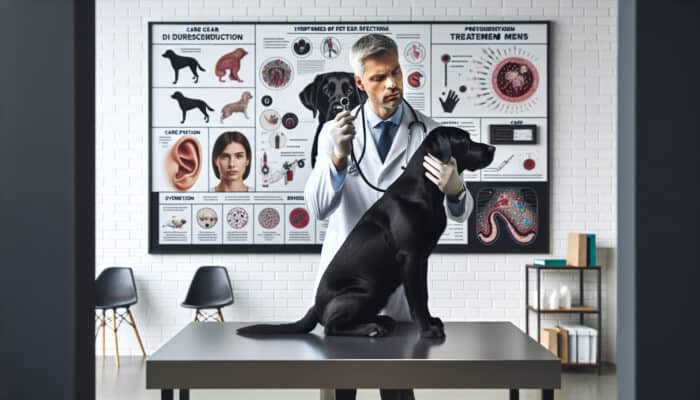
Table of Contents
Toggle
Ear Infection Treatments For Pets: As a responsible pet owner, it is essential to monitor your pets for any signs of discomfort or distress. Ear infections in pets typically present with several noticeable symptoms, including persistent scratching at the ears, frequent head shaking, and unusual discharge from the ear canal. Early detection is paramount for effective treatment, which usually involves thorough veterinary examinations to prevent further complications. The more familiar you are with these symptoms, the better prepared you will be to act promptly, ensuring your pet experiences comfort and relief as soon as possible.
Understanding the underlying causes of ear infections is a vital step in preventing them. Common triggers include allergies, moisture accumulation, and foreign objects that may enter the ear canal. By identifying these risk factors, pet owners can implement proactive measures to reduce the risk of ear infections in their pets. Some key risk factors include:
Ear infections in pets can manifest in various forms, including bacterial, yeast, or parasitic infections. Each type requires a specific treatment approach, as the root causes and appropriate therapies vary significantly. For example, bacterial infections may require antibiotics, while yeast infections often require antifungal medications. Familiarizing yourself with the types of ear infections will help you select the most appropriate treatment plan, ensuring your pet receives effective care tailored to their individual needs.

Early identification of ear infections can profoundly enhance treatment outcomes for pets. As a pet owner, you should be on the lookout for signs such as redness around the ear, unpleasant odors from the ear canal, or behavioral changes, such as increased irritability or lethargy. Furthermore, pets may display signs of discomfort by tilting their heads or rubbing their ears against furniture or other objects. Taking prompt action in response to these signs can facilitate quicker recovery through appropriate treatments, highlighting the importance of vigilance and awareness in maintaining your pet's health.
Determining when to seek professional assistance is critical to managing your pet's ear health effectively. If symptoms persist for more than a few days or worsen despite initial home care, consult a veterinarian. A professional evaluation ensures effective management of the condition, enabling identification of the specific type of infection and determination of the best course of treatment. Timely intervention can prevent further complications and promote a healthier recovery for your beloved pet.

Accurate diagnosis is vital for creating effective treatment plans for ear infections. Various diagnostic methods, such as swabbing ear discharge, performing otoscopic examinations, and conducting cytology, help confirm the presence of infection. Veterinary professionals may also conduct allergy tests or blood work to identify underlying causes. Understanding these diagnostic steps helps pet owners recognize the need for thorough examinations, ensuring their pets receive the most appropriate care based on precise findings.
Successfully treating ear infections involves a structured approach that pet owners can easily implement at home. Start by cleaning the ear canal with a veterinarian-recommended ear cleaner to remove debris and excess wax. Afterward, apply any prescribed medications or topical solutions as directed, ensuring you complete the full course of treatment even if symptoms improve. Regular follow-ups with your veterinarian can help monitor your pet’s recovery and adjust treatments as needed. This comprehensive strategy ensures pets receive thorough, effective support through trusted methods, leading to improved health outcomes.
Antibiotics play a crucial role in treating bacterial ear infections by targeting the specific bacteria responsible for the infection. They work by inhibiting bacterial growth and replication, helping to reduce the severity of the infection and promote healing. Understanding this mechanism helps pet owners appreciate the importance of adhering to veterinary guidelines when administering these medications. Additionally, understanding how antibiotics work helps pet owners monitor for potential side effects, ensuring their pets' overall health is prioritized during treatment.
Managing ear infections in pets goes beyond initial treatment; it requires ongoing monitoring and follow-up care. Pet owners should schedule regular veterinary check-ups to assess ear health, particularly for pets prone to ear infections. Real-world examples illustrate the successful outcomes that result from owners diligently adhering to maintenance routines, such as regular cleaning and monitoring for early signs. By fostering a proactive approach, pet owners can significantly reduce the frequency of ear infections, ensuring long-term ear health and overall well-being for their cherished companions.
Preventing ear infections is vital for maintaining your pet's overall health. Routine ear checks should be an integral part of yourpet'st care regimen, allowing you to identify issues before they escalate into more severe problems. Proper grooming, including trimming hair around the ears and regular cleaning, can also help prevent moisture buildup. Implementing environmental controls, such as providing a dry space for your pet to rest and minimizing allergen exposure whenever possible, will further reduce the risk of ear infections. These proactive steps are essential for maintaining your pet's health and well-being.
Topical solutions for ear infections provide numerous benefits, significantly reducing inflammation and promoting healing. Research indicates that these solutions can deliver targeted relief directly to the affected area, enhancing your pet's comfort. Applying these treatments as directed can lead to faster recovery and improved overall health outcomes for pets. Pet owners should follow the application steps to ensure the solution reaches all areas of the ear canal for maximum effectiveness.
A variety of medications are frequently prescribed to alleviate pain linked with ear infections in pets. Anti-inflammatory medications, topical antibiotics, and antifungal agents all play a crucial role in treatment. Understanding how these medications interact with your pet's condition supports informed treatment decisions. Clear communication with your veterinarian about your pet's response to these medications is vital to ensure the highest quality of care throughout treatment.
Research indicates that effective treatment of ear infections significantly reduces recurrence rates over time, fostering healthier pets. Early intervention, combined with comprehensive care strategies, can significantly reduce the risk of future infections. Proven benefits associated with ongoing care include:
Clinical trials have demonstrated that the sustained use of effective ear infection treatments maintains their efficacy while minimizing potential side effects. By highlighting data on prolonged relief and safety profiles in pets, owners can make well-informed decisions regarding ongoing treatment plans. Recommendations for follow-up care are crucial to prevent adverse outcomes and promote lifelong health, ensuring pets lead the happiest, healthiest lives possible.
For mild cases of ear infections, several natural remedies can provide soothing relief. Gentle cleansers, such as diluted apple cider vinegar or witch hazel, can help restore ear pH balance and reduce inflammation. Herbal products, such as calendula oil, may also have anti-inflammatory properties. Always combine these natural remedies with professional advice to ensure their safety and effectiveness. Monitoring your pet's response to these home remedies is essential for determining their suitability for ongoing care and treatment.
Over-the-counter (OTC) solutions can offer accessible relief for non-severe ear issues. These products often contain mild antiseptics or soothing agents that can alleviate discomfort. Weighing the pros and cons of OTC options empowers pet owners to make informed decisions regarding their pet's care. However, it is crucial to consult a veterinarian before initiating any new treatment to ensure it complements your current care plan and effectively addresses the specific issue.
Monitoring your pet's progress at home involves regularly checking their ears for signs of improvement. Observe for any changes in redness, discharge, or odor, and note any behavioral changes that may indicate discomfort. Adjustments based on your pet's response to treatment are critical for ensuring effective recovery. Documenting your observations can provide valuable insights to share with your veterinarian during veterinary visits, leading to a more tailored and effective treatment strategy based on real-time data.
Regular ear maintenance is crucial for preventing buildup and minimizing the risk of infections. Simple habits, such as gently cleaning your pet’s ears with a veterinarian-recommended ear cleaning solution, can significantly reduce the risk of infection. Establishing a routine cleaning schedule tailored to your pet's needs and lifestyle will help keep their ears healthy. This proactive approach is essential for long-term ear health, ensuring your pet remains comfortable and free of infections throughout their life.
A balanced, nutritious diet plays a significant role in supporting your pet’s immune health, with specific foods potentially helping reduce susceptibility to ear infections. Diets rich in omega-3 fatty acids can enhance overall skin and ear health, while antioxidants can bolster the immune response. Consulting with a veterinarian about the best dietary choices tailored to your pet’s unique needs can be transformative in preventing ear infections and ensuring overall health and well-being.
Implementing small lifestyle changes can dramatically impact your pet's ear health. Activities such as thoroughly drying their ears after baths or swimming can prevent moisture buildup. Additionally, establishing consistent routines for grooming and ear checks promotes long-term well-being. By understanding your pet’s specific needs and environmental factors, you can significantly reduce the risk of ear infections, leading to happier, healthier pets.
Common symptoms include scratching at the ears, head shaking, foul odor, redness, and discharge from the ear canal. Behavioral changes, such as increased irritability or lethargy, may also be observed in affected pets.
Preventive measures encompass regular ear cleaning, proper grooming, avoiding moisture buildup, and routine veterinary check-ups. Staying vigilant for early signs of infection is also crucial for effective management.
If you suspect your pet has an ear infection, it is essential to consult a veterinarian for a proper diagnosis and treatment plan. Home remedies should be used only under professional guidance to ensure safety and effectiveness.
Yes, certain breeds, particularly those with floppy ears or excessive ear hair, are more susceptible to ear infections. Breeds such as Cocker Spaniels, Basset Hounds, and Bulldogs often require additional ear care and attention.
Use a veterinarian-recommended ear cleaner, apply a small amount to the ear canal, and gently massage the base of the ear. Allow your pet to shake their head, and then wipe away excess liquid with a cotton ball to ensure thorough cleaning.
Mild cases may benefit from natural remedies, such as diluted apple cider vinegar. However, consulting a veterinarian before using any home remedies is essential to ensure safety and effectiveness.
Treatment options typically include antibiotics for bacterial infections, antifungal medications for yeast infections, and topical solutions to reduce inflammation. Your veterinarian will recommend the best approach based on the specific type of infection your pet is experiencing.
If your pet exhibits severe symptoms, such as persistent pain or swelling, or the infection does not improve with initial treatment, it is critical to seek veterinary care immediately for a thorough evaluation and appropriate management.
Common side effects may include temporary irritation, behavioral changes, or gastrointestinal upset. Monitoring your pet during treatment is crucial to detecting any adverse reactions and ensuring their comfort and safety.
Regular checks should be an integral part of your grooming routine, ideally conducted weekly. This practice helps ensure that any issues are caught early, thereby maintaining overall ear health and preventing infections.
Tags
Essential Steps for Assembling Your Puppy’s Crate Accurate Measurements for Your Puppy’s Size To guarantee that your puppy’s crate is both comfortable and secure, precise

Understanding the Features of Temperature-Controlled Pet Beds Key Components of Temperature-Controlled Beds The essential elements that enable temperature-controlled beds for pets to maintain comfortable temperatures

Navigate Seasonal Flea Challenges for Your Pets How to Spot the Early Signs of Flea Infestation Early detection of flea activity is essential for pet
By subscribing to our newsletter you agree to our Terms and Conditions and Privacy Policy
Your exploration of the benefits of fetch games resonates deeply with my experiences as a dog owner. Having a high-energy breed, I’ve seen firsthand how crucial physical activity is for maintaining not just my dog’s physical health, but their mental well-being as well. It’s often surprising how much energy these dogs can expend, and if not properly channeled through activities like fetch, it can lead to frustration for both the pet and the owner.
I hear you loud and clear! It sounds like you’re living in the “Fetch Olympics” with your high-energy pup. It’s wild how these little furballs are basically tiny energy factories, churning out boundless enthusiasm and then presenting us with the challenge of keeping up.
“I’m glad to hear that you’ve seen the positive impact of fetch games! If you’re looking for some new ideas to keep your high-energy pup engaged, check out this resource for fun variations on fetch that can help channel all that energy!”
https://elgatoencasa.com/vet
It’s great to hear that you’ve experienced the benefits of fetch games with your high-energy dog. The connection between physical activity and mental well-being is often overlooked, but it can really transform a dog’s demeanor. Those moments when they’re racing after a ball, completely lost in the joy of the chase, are pivotal for both their energy management and their happiness.
I’m glad you found the article relatable! If you’re looking for more fun ways to keep your furry friend engaged and active, check out this helpful resource.
https://elgatoencasa.com/vet
The joy dogs experience while playing fetch is truly something special. It’s fascinating how those moments can ignite a natural instinct in them, turning even the most anxious pups into playful athletes. Beyond the physical benefits, watching them engage in this simple game can be a reminder of how important play is in their lives—it’s not just about burning off energy, but creating a bond and providing mental stimulation too.
Absolutely! If you’re looking for more engaging activities to keep your pup active and happy, I recommend checking out this fantastic resource for some fresh ideas.
https://elgatoencasa.com/vet
I completely resonate with what you mentioned about the connection between physical activity and a dog’s mental well-being. It’s fascinating how some simple moments, like a dog racing after a ball, can significantly influence their overall happiness and behavior. I’ve seen firsthand how those invigorating fetch sessions can alleviate my dog’s restlessness and elevate his mood—something that’s just as vital for us as it is for them.
Your insights on the benefits of fetch games truly resonate, especially considering how integral play is to a dog’s wellbeing. I’ve noticed that my own energetic Labrador thrives on the excitement and physical challenges that fetch provides. It’s fascinating to see how something as simple as throwing a ball can transform a dog’s day and enhance their physical health.
It’s really interesting how something as simple as fetch can create such a positive impact on a dog’s day, isn’t it? I think you hit the nail on the head with your Labrador—those energetic breeds thrive on that kind of physical activity. It’s almost like their whole demeanor changes when they get to sprint after a ball or stick. You can see that joy in their eyes, that pure excitement, as they launch themselves after whichever toy you’ve thrown.
“I’m glad to hear that your Labrador is thriving! If you’re looking for some great fetch gear to keep those play sessions exciting, check this out!”
https://elgatoencasa.com/vet
It’s great to hear how well your Labrador responds to fetch. The physical engagement is just part of it; the mental stimulation that comes from the chase can really elevate their mood. Dogs are naturally inclined to run and explore, and doing so in a game format can bring out their instincts in a safe and fun way.
You’ve hit on something really important with that point about mental stimulation. When I throw a ball for my Labrador, it’s more than just a game; it’s an opportunity for him to engage his instincts, sharpen his focus, and even express his personality. Watching him in full chase mode is truly a reminder of the joy that comes from movement, and as you said, it elevates his mood in a way that’s heartwarming to witness.
It’s great to hear how fetch has such a positive impact on your Labrador. There’s something truly special about the bond that forms during those moments of play. It’s amazing how a simple act like throwing a ball can turn into a memorable experience, not just for our dogs, but for us too.
“I’m glad my insights struck a chord with you! If you’re looking to elevate your fetch game even further, check out this great resource that offers tips and toys to keep your Labrador engaged and active.”
https://elgatoencasa.com/vet
It’s really cool to hear how your Labrador is thriving with fetch. Dogs have this amazing ability to get so much joy out of a simple game—it’s like you’re unlocking their inner athlete every time you throw that ball. I’ve noticed how it brings out their natural instincts too; the way they sprint, turn, and leap showcases their energy and agility.
I totally agree with the benefits you’ve outlined for fetch games—it’s amazing how much they can impact our dogs’ health and happiness. I’ve noticed that my Labrador, who can be a bit of a couch potato if I’m not careful, really thrives on those fetch sessions. It’s not just about physical health; they seem to enjoy the mental challenge too.
You bring up some solid points about the benefits of fetch games, especially for breeds like Labradors, who can easily slip into lounging mode if not engaged properly. It’s interesting how something so simple can transform our pets from passive observers to active participants in their own fun, isn’t it?