


Crate Setup for Puppy Comfort: Tips for a Cozy Space
Essential Steps for Assembling Your Puppy’s Crate Accurate Measurements for Your Puppy’s Size To guarantee that your puppy’s crate is both comfortable and secure, precise
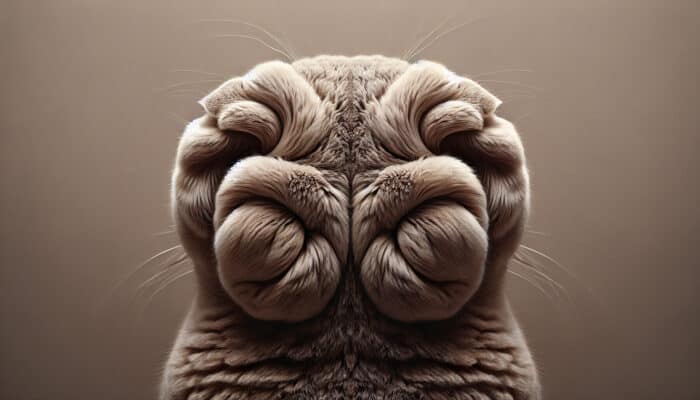
Table of Contents
Toggle
Scottish Fold Ear Maintenance: The Scottish Fold is famous for its distinctive ear shape, which results from a genetic mutation that influences the development of cartilage. This unique trait causes the ears to fold forward and downward, giving the cat an adorable and charming appearance. However, this characteristic also requires special care to maintain ear health. Key anatomical features of Scottish Fold ears include:
Understanding these features is crucial for owners of Scottish Folds. The unique structure of their ears can trap moisture and debris more easily, making it vital to establish a regular ear maintenance routine to prevent potential health issues.

Scottish Fold kittens are born with straight ears, which may begin to fold as they reach three to four weeks of age. This transformation occurs as a result of the gradual development of cartilage within the ear. Owners need to keep a close eye on their kittens during this formative period to ensure ear health, as the folding process can sometimes lead to irritation or infection if not monitored properly. By closely observing this development, owners can implement timely interventions to maintain the kitten's ear health as it matures.
As the ears begin to fold, it presents a perfect opportunity for owners to start integrating ear checks into their regular routines. Educating oneself about the health factors linked to this unique ear structure is vital for responsible pet ownership. Being aware of this developmental process helps ensure that any abnormalities are quickly identified, which is crucial for the overall well-being of the cat.
Routine ear checks are critical for preserving the health of Scottish Fold ears, which are prone to various ear-related issues due to their unique structure. Similar to regular dental or general health check-ups, monitoring ear health can significantly lower the risk of infections and other complications.
Ear inspections should be conducted at least once a week, allowing owners to gently examine the inner ear for any signs of redness, inflammation, or unusual odors. Early detection of potential issues can lead to prompt treatment, vastly improving health outcomes for the cat. Consistent ear inspections can also help identify patterns or changes that may indicate an emerging problem, facilitating timely intervention.
Integrating ear checks into regular grooming sessions ensures that Scottish Folds remain comfortable and healthy. This proactive strategy reduces the risk of serious conditions, ultimately preserving the overall quality of life for these charming cats.

The unique ear structure of Scottish Folds predisposes them to several ear health challenges. Some of the most prevalent issues include ear infections, ear mites, and excessive wax buildup. Recognizing the symptoms of these conditions early is essential for preventing further complications and ensuring the cat's well-being.
Common symptoms to watch for include:
Being aware of these symptoms enables owners to take prompt action and seek veterinary care when necessary. Regular monitoring and maintenance can help reduce the frequency of these common issues, ensuring that Scottish Folds live a healthy and joyful life.
Maintaining proper ear hygiene is paramount for the health of Scottish Fold ears. Implementing a few simple yet effective practices can greatly contribute to keeping their ears clean and free from infections. Owners should develop a regular cleaning routine using veterinarian-approved solutions specifically designed for feline ear care.
To ensure the health of Scottish Fold ears, consider the following tips:
By adopting these practices, owners not only maintain ear hygiene but also foster a trusting relationship with their Scottish Fold, making the ear cleaning process smoother and more effective.

Veterinary professionals recommend specific techniques for cleaning Scottish Fold ears, emphasizing the importance of gentle handling and the use of suitable cleaning solutions. Generally, the cleaning process involves using a soft cotton ball or gauze moistened with a vet-approved ear cleaner. The focus is on cleaning the outer ear, effectively removing any debris or wax buildup without damaging the delicate structures inside.
For effective ear cleaning, adhere to these expert techniques:
1. Preparation: Gather all necessary materials, including the cleaning solution, cotton balls, and some treats for positive reinforcement.
2. Positioning: Hold the cat securely yet gently to prevent sudden movements. A comfortable environment can help reduce stress for both pet and owner.
3. Application: Dampen the cotton ball with the cleaning solution and carefully wipe the outer ear, avoiding deep insertion into the ear canal.
4. Observation: While cleaning, keep an eye out for any signs of discomfort or pain, which could indicate underlying issues.
5. Follow-Up: Reward the cat after the cleaning session to create a positive association with ear care.
Real-world experiences show that cat owners who establish a routine based on these techniques report fewer ear problems and a smoother cleaning experience. By integrating these practices into regular care, not only is ear health enhanced, but the bond between cat and owner is also strengthened.
The frequency of ear cleaning for Scottish Folds can vary depending on various factors, including the cat's activity level and environment. In general, it is advisable to clean their ears at least once a week. However, some cats may need more frequent cleaning, especially if they are prone to wax buildup or have an active lifestyle that exposes them to more dirt and debris.
By observing your cat's ear condition, you can adjust the cleaning routine accordingly. For instance, if a Scottish Fold's ears appear clean and odor-free, longer intervals between cleanings may be appropriate. Conversely, if you notice signs of wax buildup or discharge, it is wise to schedule more frequent cleaning sessions.
A proactive approach to ear maintenance is essential. By regularly checking and cleaning the ears, owners can prevent potential problems from escalating, ensuring their Scottish Folds remain healthy and comfortable.
Recognizing signs of ear health issues is vital for sustaining the well-being of Scottish Folds. Early detection can significantly enhance treatment outcomes, allowing for swift interventions when problems arise. Owners should familiarize themselves with common indicators that suggest a possible ear issue.
Signs to keep an eye out for include:
Being vigilant about these signs allows owners to act quickly, seeking veterinary attention if necessary. Regular checks, combined with an understanding of potential symptoms, can prevent minor issues from escalating into serious health threats, promoting a better quality of life for Scottish Folds.
Creating daily routines that promote ear health is crucial for the well-being of Scottish Folds. Consistency in care not only helps maintain clean ears but also allows owners to identify any changes that may signal health issues quickly. Simple daily practices can significantly enhance the overall health of your cat's ears.
One effective daily routine involves gently wiping the outer ear area with a soft cloth or a vet-approved cleaning wipe. This practice helps remove any dirt or wax that may accumulate throughout the day. Additionally, monitoring for any changes in behavior or appearance can provide early warnings for potential issues.
Incorporating ear checks into grooming sessions can make the process seamless and less stressful for the cat. By using positive reinforcement, such as treats or affection after a successful ear check, owners can create a more enjoyable experience. Consistency in these practices fosters a trusting relationship, making future care easier.
Regularly observing your cat's ears not only aids in maintaining their health but also keeps owners attuned to their pet's overall well-being. By incorporating ear care into your daily routine, you can ensure that your Scottish Fold remains comfortable and healthy.
Selecting the appropriate ear cleaning products is critical for the health of Scottish Fold ears. Choosing safe and effective solutions helps prevent irritation and discomfort. Harsh chemicals can exacerbate existing problems, so it is crucial to select products specifically designed for feline use.
When selecting ear cleaning products, consider the following factors:
Utilizing the right products enhances the effectiveness of ear cleaning routines. Regularly incorporating these products into your care regimen ensures that ears remain healthy and free from infection, ultimately contributing to the Scottish Fold's overall quality of life.
Maintaining a clean living environment is crucial for the health of Scottish Folds, particularly regarding ear hygiene. A tidy space reduces the risk of infections and helps prevent ear problems that may arise from exposure to dirt or allergens.
Several strategies can be employed to ensure a hygienic environment:
By implementing these strategies, you can create a healthier space for your Scottish Fold. A clean environment directly contributes to better overall health, reducing the likelihood of ear infections and promoting a happy, active lifestyle for your furry companion.
Arranging regular check-ups with a veterinarian is vital for the ongoing ear health of Scottish Folds. These professional visits enable thorough examinations that can detect potential issues before they become more severe.
During routine check-ups, veterinarians will assess the ears for any signs of infection, mites, or wax buildup. They may also perform professional cleanings, which can be particularly beneficial for cats that are prone to ear problems. Such professional insights can provide owners with tailored guidance on at-home ear maintenance, ensuring continuous care.
In addition to routine check-ups, it’s crucial to take your Scottish Fold to the vet if any concerning symptoms arise—persistent issues like redness, swelling, or discharge warrant immediate attention. Early intervention can prevent complications and ensure proper treatment, safeguarding your cat's ear health.
Regular professional attention, combined with diligent home care, forms the foundation for maintaining optimal ear health in Scottish Folds, contributing to their overall happiness and quality of life.
Scottish Folds are particularly vulnerable to several ear problems due to their unique ear structure. The most frequent issues include ear mites, infections, and wax buildup, all of which can lead to discomfort and more severe health issues if not addressed promptly.
Ear mites are tiny parasites that can cause itching and irritation. They thrive in an environmentalist environment of the ear and can lead to severe discomfort. Infections, often resulting from bacteria or yeast, may develop when ear hygiene is neglected, leading to inflammation and potential hearing issues. Moreover, wax buildup can be problematic, as excessive wax can trap moisture and debris, creating an environment conducive to infections or mites.
Understanding these common problems empowers owners to take proactive measures for prevention and treatment. Regular ear cleaning, monitoring for symptoms, and providing a clean environment are essential for minimizing the incidence of these issues, ensuring that Scottish Folds remain healthy and happy.
Identifying ear mites in Scottish Folds is crucial for effective treatment. Symptoms often include excessive scratching, dark discharge, and signs of irritation. If you suspect your cat has ear mites, a visit to the veterinarian is necessary for a definitive diagnosis and treatment plan.
Treatment typically involves the application of veterinarian-prescribed medications specifically designed to eliminate ear mites. These treatments may include topical solutions or systemic medications that effectively target the parasites. Additionally, thorough cleaning of the ears is necessary to remove debris and wax that may harbor mites.
For optimal results, it’s essential to follow your veterinarian's treatment plan closely. Regular follow-up visits can ensure that the mites are completely eradicated, preventing re-infestation. Maintaining a clean environment and continuing routine ear checks can also help ensure that ear mite problems do not recur.
Preventing ear infections in Scottish Folds requires a proactive approach to ear care. Regular cleaning and monitoring are paramount to maintaining a dry ear environment, which is crucial for preventing infections.
To effectively prevent ear infections, consider these strategies:
By adhering to these practices, owners can significantly reduce the risk of ear infections in their Scottish Folds. A commitment to regular ear care not only promotes ear health but also contributes to the overall well-being of the cat.
Excessive wax buildup can lead to discomfort and potential infections in Scottish Folds. Recognizing the signs of wax buildup is essential for timely intervention. Symptoms may include frequent scratching, head shaking, or a foul odor emanating from the ear.
To manage wax buildup effectively, incorporate regular ear checks and cleaning into your routine. If you notice excessive wax, gently clean the ear using a vet-approved solution. However, avoid inserting anything deep into the ear canal, as this can cause damage to the delicate structures.
In persistent cases of wax buildup, consult your veterinarian. They can determine if there are underlying issues contributing to the problem and provide professional cleaning if necessary. Consistent monitoring and care ensure that wax buildup does not lead to more serious complications, maintaining the comfort and health of your Scottish Fold.
Seeking veterinary care for ear problems in Scottish Folds is critical when symptoms persist or worsen. Signs that warrant immediate attention include persistent redness, swelling, foul odor, excessive discharge, or signs of pain and discomfort. Early intervention is crucial, as untreated ear problems can lead to complications, including chronic infections and hearing loss.
During a veterinary visit, professionals will conduct a thorough examination, often using an otoscope to assess the ear canal and eardrum. Treatment may involve prescription medications, ear cleaning, or specialized interventions, depending on the severity of the issue.
Maintaining open communication with your veterinarian about any concerns regarding your Scottish Fold's ear health is vital. Regular check-ups and prompt attention to changes can significantly enhance your cat's quality of life, ensuring they remain healthy and happy.
A balanced diet plays a crucial role in supporting the overall health of Scottish Folds, including their ear health. Nutrients such as omega-3 fatty acids, vitamins A and E, and minerals like zinc contribute to skin health and help maintain the integrity of ear structures.
An inadequate diet lacking essential nutrients can lead to skin problems, which may manifest as issues in the ears. For instance, dry skin can lead to a buildup of wax or debris, thereby increasing the risk of infection. Therefore, ensuring that your Scottish Fold receives a well-balanced diet is fundamental for promoting healthy ears.
Collaborating with a veterinarian to design a tailored diet plan that meets your pet's specific needs is an excellent way to enhance your cat's overall health. Incorporating high-quality, nutrient-rich foods can lead to long-term benefits, including improved ear health and overall vitality.
Incorporating specific foods into your Scottish Fold's diet can significantly promote their ear health. Foods rich in vitamins and fatty acids support skin integrity and overall well-being. Some beneficial options include:
When selecting food, opt for high-quality brands that prioritize natural ingredients, avoiding those with artificial additives or fillers. Consulting with a veterinarian about dietary choices tailored for your Scottish Fold ensures they receive the nutrition needed for optimal ear health and general well-being.
Food allergies pose a potential concern for some Scottish Folds and can manifest in various ways, including ear problems. Identifying and avoiding allergens is crucial for maintaining ear health. Common allergens may include certain protein sources, grains, or additives found in commercial cat food.
If you suspect your cat has food allergies, consider an elimination diet under veterinary supervision. This involves gradually removing potential allergens from their diet and monitoring for improvements. Symptoms of food allergies may include itching, redness, or recurrent ear infections.
By paying close attention to your cat's reactions to different foods, you can pinpoint potential allergens and make informed dietary choices. Avoiding allergens not only improves your Scottish Fold's ear health but also enhances its overall comfort and happiness.
Proper hydration is essential for maintaining the health of Scottish Fold ears. Hydration directly affects the mucous membranes in the ears, which play a vital role in preventing infections and maintaining ear function. Dehydration can lead to dry, irritated ears, increasing the likelihood of wax buildup and infections.
To ensure adequate hydration, provide fresh water daily and consider incorporating wet cat food into their diet. Wet food has a higher moisture content, which can help keep your cat hydrated. Additionally, monitoring your cat's water intake and encouraging drinking by using cat fountains or providing multiple water bowls can be beneficial.
Maintaining hydration is a simple yet effective way to support ear health. By making hydration a priority, you contribute to the overall well-being of your Scottish Fold, reducing the risk of ear-related issues.
Certain supplements can support ear health in Scottish Folds, particularly in preventing hearing loss and maintaining ear function. Nutrients such as zinc and magnesium play essential roles in cellular health and can contribute to overall ear health when included in a well-balanced diet.
Zinc supports skin health, while magnesium is important for nerve function, including in the auditory system. If you're considering supplements for your cat, consult with a veterinarian to determine appropriate dosages and formulations tailored to your Scottish Fold’s specific needs.
Incorporating supplements as part of a comprehensive health plan can enhance ear health, ensuring that your cat remains comfortable and active. Prioritizing nutrition and supplementation will contribute to the overall well-being of your Scottish Fold, minimizing the risk of complications associated with ear health.
Research in feline health consistently indicates that regular ear care can significantly reduce the incidence of infections and other ear-related problems in cats, especially in breeds like the Scottish Fold. Studies have shown that proactive ear maintenance leads to the early detection of potential issues, allowing for timely interventions that enhance overall health.
For effective ear care, establish a routine that includes regular inspections and cleanings. Integrate vet-approved products that can effectively address any buildup of wax or debris.
By adhering to well-documented practices, owners can implement effective care routines that not only benefit ear health but also contribute to the long-term well-being of their Scottish Folds. Making ear care a priority is an investment in your cat's health, reflecting the importance of proactive pet ownership.
Consistent ear cleaning offers numerous long-term benefits, significantly improving the quality of life for Scottish Folds. Regular maintenance helps prevent chronic issues, reducing the likelihood of frequent veterinary visits and associated costs.
Improved ear hygiene contributes to overall comfort, allowing cats to engage in their playful and social behaviors without the discomfort of ear problems. Owners who consistently prioritize ear care report healthier cats with fewer behavioral issues linked to discomfort.
This commitment to ear maintenance also fosters a deeper bond between owner and pet. Regular interaction during cleaning sessions can lead to increased trust and comfort, ultimately enhancing the overall pet ownership experience. Prioritizing ear care establishes a foundation for long-term health benefits, ensuring that Scottish Folds thrive.
The health of a Scottish Fold's ears is intricately linked to its overall well-being. Healthy ears allow for optimal hearing and comfort, directly influencing a cat's behavior and mood. Conversely, ear problems can lead to discomfort, irritability, and even depression in cats, impacting their quality of life.
When ear health is neglected, conditions such as infections or ear mites can compromise a cat’s ability to engage in social interactions or play, resulting in behavioral changes. Therefore, maintaining ear health is not just about preventing infections; it’s about ensuring that Scottish Folds live happy, fulfilling lives.
By prioritizing ear care, owners contribute to a holistic approach to health that encompasses physical, emotional, and behavioral well-being. A healthy ear contributes significantly to a Scottish Fold's quality of life, reinforcing the importance of regular maintenance practices.
Grooming practices that incorporate ear care are essential for maintaining the health of Scottish Folds. Regular grooming sessions should include gentle cleaning and a thorough check for debris or signs of discomfort. Establishing a routine fosters a positive association with grooming while ensuring that ear health is a top priority.
Best practices include:
1. Gentle Cleaning: Use vet-approved solutions to clean the outer ear without pushing debris deeper into the canal.
2. Checks for Debris: Look for any signs of wax buildup or foreign objects that may require attention.
3. Monitor for Changes: Observe for any signs of irritation or discomfort during grooming sessions, allowing for early intervention if necessary.
Incorporating ear care into regular grooming enhances the overall grooming experience for both the cat and owner. Positive reinforcement during sessions, such as treats or affection, can create a comfortable environment that makes ear care a routine part of grooming.
By following these best practices, owners can ensure that their Scottish Folds maintain healthy ears while enjoying the benefits of regular grooming.
When it comes to ear care, selecting the right grooming tools is crucial. Using safe and appropriate tools helps prevent injury and ensures effective cleaning. Soft brushes, vet-approved cleaning solutions, and gentle cotton balls are ideal for maintaining ear hygiene without causing discomfort.
To ensure the safe use of grooming tools, consider these guidelines:
Safety should always be a priority. By using appropriate tools and techniques, owners can create a positive grooming experience while effectively maintaining their pet's ear health.
Integrating ear care into grooming sessions is an efficient way to ensure that Scottish Folds receive consistent ear maintenance. By combining grooming with ear cleaning, owners can streamline the care process while creating a positive experience for their cats.
To effectively integrate ear care into grooming:
1. Establish a Routine: Include ear checks and cleaning as part of the regular grooming schedule.
2. Use Positive Reinforcement: Reward your cat with treats after successful grooming and ear cleaning to create a positive association.
3. Monitor Behavior: Pay attention to your cat's reactions during grooming to ensure they are comfortable and stress-free.
This approach not only facilitates a smooth grooming process but also highlights the importance of ear health. Regular integration of ear care into grooming routines helps Scottish Folds adapt to the process, making it a natural part of their care.
Proven methods for maintaining ear health in Scottish Folds include regular cleaning, consistent monitoring, and using veterinarian-recommended products. These strategies have been proven effective in reducing the occurrence of ear-related issues.
Key strategies include:
These proven methods empower owners to take proactive steps in maintaining their Scottish Folds’ ear health. By staying committed to these practices, you can ensure long-term well-being for your feline companion.
Making ear care a positive experience is essential for both the cat and the owner. Positive reinforcement techniques can help ease any stress or anxiety associated with ear cleaning, transforming it into a bonding moment rather than a chore.
Some effective strategies include:
1. Treat Rewards: Offer treats or praise during and after ear care sessions to create a positive association.
2. Gentle Approach: Use a calm and gentle demeanor during cleaning to keep the cat relaxed.
3. Short Sessions: Keep cleaning sessions brief to prevent overwhelming the cat.
By incorporating these strategies, owners can cultivate an environment that makes ear care a stress-free experience. This positive foundation not only facilitates better ear health but also strengthens the bond between owner and pet.
Seeking professional help is essential when dealing with persistent ear issues in Scottish Folds. Signs of discomfort that last for more than a few days, such as excessive scratching, redness, swelling, or foul odor, necessitate a visit to the veterinarian for expert evaluation.
Veterinary professionals can provide comprehensive assessments and tailored treatment plans to address specific ear problems. This may include prescription medications, professional cleanings, or recommendations for ongoing care.
Being proactive in seeking help can prevent complications and ensure that your Scottish Fold receives the necessary care and attention. Regular communication with your veterinarian about any concerns can significantly improve your pet's health and overall well-being.
Healthy ears in Scottish Folds are characterized by cleanliness and the absence of irritation. Owners should look for specific signs that indicate good ear health. Key indicators of healthy ears include:
Regular monitoring allows owners to maintain these healthy conditions. By incorporating ear checks into regular grooming routines, owners can ensure that their Scottish Folds enjoy optimal ear health.
Keeping a record of ear care is an effective way to monitor the health of your Scottish Fold's ears. A log documenting cleaning sessions, observations, and any signs of issues can help track changes over time.
Consider the following points when maintaining a record:
1. Date of Cleaning: Note the dates of each cleaning session to maintain a consistent schedule.
2. Symptoms Observed: Document any signs of discomfort, changes, or abnormalities for reference.
3. Products Used: Record the vet-approved products used during cleaning to evaluate their effectiveness over time.
Having a comprehensive record enables owners to make informed decisions about their cat’s ear care and helps veterinarians understand their history during check-ups. This approach enhances overall ear health management.
Adjusting ear care based on observations is vital for maintaining the health of Scottish Folds. If changes are noted during regular checks, such as signs of irritation or wax buildup, owners should be prepared to modify their cleaning routines accordingly.
For instance, if a cat shows increased wax production, more frequent cleanings may be necessary. Conversely, if ears appear healthy, owners might consider extending the intervals between cleaning sessions.
Flexibility in care routines enables tailored approaches that best suit the individual needs of each cat. Regular observation and adjustment can lead to improved ear health outcomes and a more comfortable experience for the Scottish Fold.
Scottish Fold ears should generally be cleaned at least once a week. The environment may require more frequent attention depending on the activity and environment.
Signs of ear mites include excessive scratching, dark discharge, and signs of irritation. If suspected, a vet visit is necessary for diagnosis and treatment.
No, using cotton swabs can push debris deeper into the ear canal and potentially cause injury. Soft cotton balls are a safer alternative for cleaning ears.
A bad odor can indicate an infection. It's essential to seek veterinary care promptly to address the issue and prevent further complications.
Yes, foods rich in omega-3 fatty acids, vitamins A and E, and hydration contribute positively to ear health in Scottish Folds.
Healthy ears should be clean, odor-free, and free from any discharge. The ear canal should appear pink and without signs of irritation.
If you observe wax buildup, gently clean the ears with a vet-approved solution. If the issue persists, consult your veterinarian for further advice and potential treatment options.
Yes, ear problems can cause discomfort, leading to behavioral changes such as irritability or withdrawal. Maintaining ear health is crucial for overall well-being and happiness.
Vet-approved ear cleaning solutions specifically formulated for cats are the best choice. Always consult your veterinarian for recommendations tailored to your cat's needs.
Seek veterinary help if you notice persistent symptoms like redness, swelling, or discharge. Early intervention can prevent complications and ensure proper treatment.
Tags
Essential Steps for Assembling Your Puppy’s Crate Accurate Measurements for Your Puppy’s Size To guarantee that your puppy’s crate is both comfortable and secure, precise

Understanding the Features of Temperature-Controlled Pet Beds Key Components of Temperature-Controlled Beds The essential elements that enable temperature-controlled beds for pets to maintain comfortable temperatures
Navigate Seasonal Flea Challenges for Your Pets How to Spot the Early Signs of Flea Infestation Early detection of flea activity is essential for pet
By subscribing to our newsletter you agree to our Terms and Conditions and Privacy Policy