


Crate Setup for Puppy Comfort: Tips for a Cozy Space
Essential Steps for Assembling Your Puppy’s Crate Accurate Measurements for Your Puppy’s Size To guarantee that your puppy’s crate is both comfortable and secure, precise
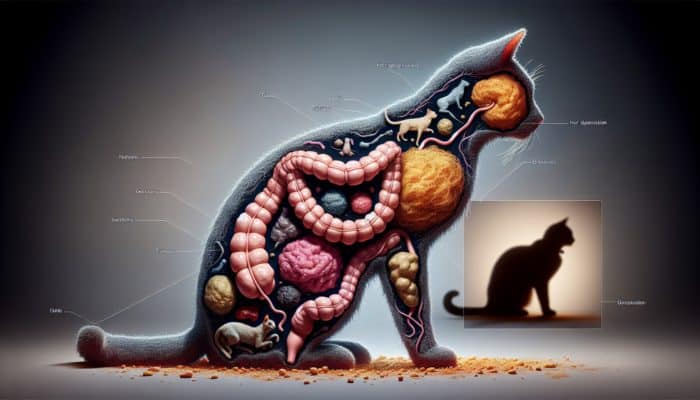
Table of Contents
Toggle
Hairball Prevention for Cats: Hairballs pose a frequent challenge for cat owners, primarily stemming from a cat's instinctive grooming behavior. When cats groom themselves, they unintentionally ingest loose fur, which can accumulate in their stomachs over time and eventually lead to the formation of hairballs. Recognizing the various causes of hairballs is crucial for effective management and prevention. The most prevalent causes include:
By identifying these factors, cat owners can take proactive measures to reduce the incidence of hairball formation, ensuring a healthier and more comfortable life for their pets.
Cats exhibit unique grooming habits, which serve both as a self-cleaning method and as a bonding experience with their human companions. However, when grooming becomes excessive, it may signal underlying issues that could worsen hairball formation. For example, cats experiencing anxiety or stress may groom more frequently, thereby increasing the likelihood of developing hairballs.
Understanding your cat's specific grooming patterns is vital. Certain breeds, such as Persian and Maine Coon, are particularly susceptible to hairballs due to their long, flowing fur. As these cats groom, they inevitably swallow more of their own hair. In contrast, short-haired breeds like the Siamese or American Shorthair may have fewer hairball incidents; however, they are not completely immune to this issue.

The digestive system of cats plays a crucial role in the formation of hairballs. As obligate carnivores, cats have digestive systems primarily designed for processing animal protein. When a cat ingests fur, it travels down the esophagus and into the stomach, where it can mix with food and other materials. If the fur fails to exit through vomiting or feces, it can clump together, resulting in a hairball.
The digestive process begins in the mouth, where a cat's teeth and saliva work in tandem to break down food. Following this, food moves down the esophagus and into the stomach, where it combines with gastric juices. This is a critical point for hairball formation, particularly if a cat has consumed a significant amount of fur. If the stomach struggles to handle the hairball, it can lead to vomiting or other digestive complications.
Understanding this digestive process is crucial for cat owners seeking to manage hairballs effectively and recognise the signs of digestive distress. If hairballs become a recurrent issue, it may indicate that the digestive system is not operating optimally. Observing how your cat digests food and handles hairballs can yield valuable insights into their overall health and well-being.
The frequency at which cats encounter hairballs can vary widely due to several factors. On average, hairballs can occur anywhere from weekly to monthly, depending on the cat's breed, grooming habits, and overall health. Generally, long-haired breeds experience hairballs more frequently than their short-haired counterparts, but factors such as age, stress levels, and diet also significantly contribute to this frequency.
Younger, healthier cats may experience hairballs less often compared to older cats, who might face more health challenges or slower digestion. Additionally, specific stressors, such as moving to a new environment or introducing a new pet, can lead to increased grooming, which in turn can result in more hairballs.
It's also crucial to recognize that certain seasons may contribute to an increase in hairball formation due to increased shedding. For instance, during spring and fall, cats tend to shed more fur, which increases the likelihood of hairball occurrences. Keeping a close eye on your cat’s hairball frequency can help identify patterns that may reveal underlying health concerns or necessary adjustments in their grooming or dietary practices.

Preventing hairballs is crucial for maintaining your cat's health and overall well-being. Best practices for prevention encompass proactive grooming, dietary modifications, and environmental management. Regular grooming stands out as one of the most effective strategies, as it helps eliminate loose fur before it can be ingested. For instance, utilizing grooming tools such as brushes or combs can significantly reduce shedding and limit the amount of fur that could end up in your cat's stomach.
Another effective prevention method involves adjusting your cat's diet. Foods high in fibre can facilitate smoother digestion, allowing ingested hair to pass through the digestive system more easily. For example, incorporating high-quality cat food that features natural fibre sources, such as beet pulp, can be particularly beneficial.
Numerous real-world examples demonstrate the effectiveness of successful prevention strategies. For instance, one owner of a long-haired breed reported a noticeable reduction in hairballs after initiating a daily grooming routine and switching to a diet rich in fibre. Moreover, creating a stress-free environment can also help minimise excessive grooming, thereby reducing the formation of hairballs.
For many cat owners, combining these strategies yields the best results in managing hairballs, underscoring the importance of a comprehensive approach to prevention.
Diet plays a crucial role in preventing hairballs in cats. Making the right nutritional choices can significantly diminish hairball formation by ensuring proper digestion and minimizing the amount of fur that remains in the gastrointestinal tract. Certain foods, particularly those rich in fiber, can aid in the passage of ingested hair through the digestive system, thereby reducing the likelihood of hairball development.
When selecting food aimed at preventing hairballs, consider options that incorporate ingredients like rice bran, psyllium, or beet pulp. These components are known to promote healthy digestion and facilitate the movement of hair. Additionally, offering wet food can also be advantageous as it boosts moisture intake, which is essential for overall digestive health.
To effectively integrate beneficial foods into your cat's diet, begin by gradually mixing high-fiber options with their regular food. This gradual transition minimizes the risk of digestive upset. Observing your cat's response to these dietary changes is crucial; if you notice a decrease in hairball frequency or improvements in overall health, you’ve likely identified a suitable dietary solution.
Furthermore, seeking advice from a veterinarian for personalized dietary recommendations can significantly enhance the effectiveness of your hairball prevention strategy. They can offer insights tailored to your cat's specific health needs and lifestyle.

Grooming is fundamental to effective hairball management and should be an integral part of your cat's care routine. Regular brushing helps remove loose, dead fur that, if ingested, can contribute to hairball formation. Various grooming tools cater to different coat types; for example, slicker brushes are suitable for long-haired breeds, while rubber grooming gloves work well on short-haired cats.
The frequency of grooming sessions also plays a significant role in their effectiveness. Ideally, long-haired cats should be groomed daily, whereas short-haired cats can benefit from grooming at least weekly. Grooming not only reduces the amount of fur that can be ingested but also acts as a bonding experience between the cat and its owner, promoting overall well-being.
Experts recommend focusing on specific areas where cats tend to shed more, such as around the neck, belly, and tail. Concentrating on these regions during grooming can lead to better results in terms of reducing loose fur. Additionally, introducing grooming at a young age can help cats acclimate to the process, making it easier for owners to maintain a regular grooming schedule.
Ultimately, mastering grooming techniques can significantly lower the frequency of hairballs, contributing to a healthier and more comfortable life for your feline companion.
Adequate hydration is essential in the battle against hairballs, as it promotes overall digestive health. When cats are well-hydrated, their digestive systems operate efficiently, facilitating the passage of ingested hair through the intestines. In contrast, dehydration can lead to hard, compacted stool, which may obstruct the movement of hair and other materials, increasing the risk of hairballs.
Encouraging cats to drink more water can be accomplished through various methods. One effective strategy is to provide fresh water daily and change it regularly, ensuring it remains appealing. Additionally, some cats prefer running water, making a cat water fountain a worthwhile investment to stimulate their drinking habits. Offering wet food also supports hydration, as it contains a higher moisture content than dry kibble.
Moreover, flavoring water with a splash of low-sodium broth can entice cats to drink more. Keeping a close watch on your cat's water intake is vital; if you observe a decrease, it may be necessary to assess their environment or dietary choices.
In summary, ensuring your cat remains hydrated is a crucial step in preventing hairballs and promoting a healthy digestive system. Adequate hydration is crucial for your pet's overall health, and taking proactive measures to increase their water intake can lead to positive outcomes in their grooming habits and hairball management.
Supplements can offer valuable support in hairball management, supplying additional resources to help your cat effectively pass ingested fur. Various supplements, including those rich in omega-3 fatty acids, fibre, or specific enzymes, can support a cat's digestive health and reduce hairball formation.
For instance, omega-3 and omega-6 fatty acids can enhance skin health and decrease shedding, thus limiting the amount of fur that can be ingested. Fiber supplements can facilitate the passage of hair through the digestive tract, promoting smoother digestion.
When considering supplements, it is crucial to select high-quality products specifically formulated for cats. Always consult with a veterinarian before introducing new supplements, as they can provide personalised recommendations tailored to your cat's specific health and dietary needs.
Integrating supplements into your cat's routine can be achieved gradually. Mix them into their food or offer them as treats, ensuring they are palatable and appealing. Observing your cat's response to these supplements will help assess their effectiveness in controlling hairballs.
In conclusion, while supplements can be beneficial, they should be used in conjunction with a holistic approach that includes a balanced diet, proper grooming, and adequate hydration for optimal hairball prevention.
Identifying hairball-related issues at an early stage can significantly prevent more serious complications. Common signs that a cat may be grappling with hairball problems include vomiting hairballs, lethargy, and noticeable changes in appetite. Regularly observing your cat for these symptoms is vital for determining the frequency and severity of hairball occurrences.
Frequent vomiting of hairballs may suggest that your cat is ingesting more fur than they can effectively expel. Additionally, lethargy may indicate discomfort or distress caused by a hairball obstructing the digestive tract, while a noticeable loss of appetite can signal that your cat is feeling unwell.
Cats may also exhibit behaviors such as coughing or retching without producing a hairball, which can indicate that a hairball is lodged in the esophagus or stomach. It is essential to take these signs seriously and monitor your cat for additional symptoms that may suggest distress or health concerns.
In summary, being vigilant about your cat's behavior and physical symptoms can help ensure that hairball problems are addressed promptly, thereby preventing potential complications and enhancing their overall well-being.
Recognizing when to consult a veterinarian regarding hairball-related issues is crucial for your cat's health. If a cat displays severe symptoms such as repeated vomiting, significant lethargy, or a noticeable loss of appetite, it may be time to seek professional help. Additionally, if a cat shows signs of distress or discomfort and is unable to pass hairballs, a thorough evaluation by a veterinarian is necessary.
Cats experiencing constipation or diarrhea, particularly if accompanied by symptoms of hairballs, should also be examined by a veterinarian. These indicators could suggest that the digestive system is not functioning properly and may require medical intervention.
Veterinarians can perform examinations and recommend diagnostic tests, such as X-rays or ultrasounds, to determine the underlying causes of these issues. Following their recommendations can help identify and address any health problems that contribute to hairball formation, ensuring your cat remains healthy and comfortable.
Overall, proactive veterinary care is essential for effectively managing hairball issues. Recognizing when to seek help can safeguard your cat’s health and overall well-being.
Ignoring hairball problems in cats can lead to serious health complications, making it crucial to address them proactively. One of the most significant risks associated with hairballs is the potential for blockages in the digestive tract. If a hairball cannot be expelled through vomiting or feces, it can cause an obstruction, resulting in severe discomfort, pain, and potentially life-threatening situations.
Other complications may include digestive disorders, as a cat may develop issues such as constipation or diarrhea when their system struggles to process hair. Additionally, untreated hairball concerns can lead to chronic vomiting, which can impact a cat's overall health and well-being.
Preventing hairball issues through regular grooming, dietary modifications, and adequate hydration can significantly mitigate these risks. Being aware of your cat's behavior and intervening promptly can help prevent complications and ensure your cat remains healthy and active.
In essence, recognizing the importance of managing hairballs is vital for every cat owner. Failing to address this component of feline care can have detrimental effects on your cat’s health, making an active approach essential.
Implementing preventive strategies to manage hairballs can significantly reduce the occurrence of this common issue. Regular grooming, dietary adjustments, and the use of specialised hairball control products are effective methods for minimising hairball formation.
Establishing a consistent grooming routine is crucial; this practice not only helps remove loose fur but also enables you to monitor your cat's coat and skin for any abnormalities. Alongside routine grooming, adjusting your cat's diet to include hairball control formulas can enhance digestion and prevent hair accumulation in the stomach.
In addition to grooming and dietary changes, incorporating hairball control products can strengthen your prevention strategy. Seek out lubricants and supplements specifically designed for hairball prevention and adhere to the manufacturer’s guidelines for proper use. These products can aid in moving hair through the digestive system, significantly reducing the likelihood of hairballs forming.
Ultimately, by adopting a proactive approach to hairball management, you can reduce the risks associated with hairballs and promote a healthier lifestyle for your feline companion.
Effectively preventing hairballs can contribute to enhanced digestive health in cats. When hairballs are managed successfully, the incidence of gastrointestinal blockages and related discomfort diminishes. Optimal digestion enables a more efficient breakdown of nutrients, which is essential for overall well-being.
Here are some key benefits of improved digestive health associated with hairball prevention:
Cats that encounter fewer hairballs often enjoy a more comfortable life, as they are less likely to experience digestive distress.
Furthermore, a healthy digestive system positively influences their appetite and energy levels, leading to a more active and fulfilling lifestyle. By prioritizing hairball prevention through regular grooming, dietary adjustments, and hydration, cat owners can significantly impact their pets' digestive health.
Preventing hairballs not only contributes to improved digestive health but also enhances a cat's overall well-being. Cats that frequently experience hairballs often exhibit discomfort, which can lead to behavioural changes such as increased hiding or decreased playfulness. By minimizing hairball occurrences, cat owners can help their pets lead happier and more active lives.
Fewer hairball issues are correlated with increased playfulness and engagement, as cats are less likely to feel the discomfort associated with hairballs. Additionally, a reduction in grooming-related stress can lead to a more balanced emotional state for your feline friend.
Overall, the connection between hairball prevention and overall well-being is evident. By implementing effective management strategies, cat owners can foster a healthier and happier environment for their pets.
Long-term hairball prevention offers several significant health advantages for cats. By proactively addressing hairball issues, owners can mitigate the risks of complications, including blockages, chronic vomiting, and overall digestive problems. These benefits contribute to a markedly improved quality of life for cats.
One of the most notable long-term benefits is a reduced risk of gastrointestinal obstructions. When hairballs are infrequent, the digestive system can function more efficiently, leading to improved nutrient absorption and reduced strain on the body.
Moreover, cats that suffer from fewer hairballs are less likely to incur chronic health issues related to digestive distress. A healthier cat is not only likely to have a longer lifespan but also to experience fewer illnesses that can arise from neglecting hairball management.
In essence, prioritizing long-term hairball prevention can lead to a more fulfilling life for cats, enhancing their health and happiness while reducing the need for extensive veterinary care.
Effective grooming techniques are crucial for preventing hairballs in cats. Regular brushing helps to remove loose fur and minimize the amount ingested during grooming. Depending on your cat's coat type, different grooming tools may be required. For instance, a slicker brush is ideal for long-haired breeds, while a rubber grooming glove can work well for short-haired cats.
The frequency of grooming sessions has a significant impact on their effectiveness. Long-haired cats should ideally be groomed daily to prevent matting and excessive hair ingestion. Short-haired breeds can benefit from grooming once a week, but more frequent grooming can further reduce shedding.
Creating a positive grooming experience for your cat is also vital. Use treats or praise to encourage cooperation during grooming sessions. This approach helps acclimatize your cat to the process, making grooming a more enjoyable activity for both of you.
In summary, mastering effective grooming techniques can significantly decrease hairball occurrences, contributing to a healthier and happier life for your feline companion.
Making dietary changes can have a substantial impact on your cat's hairball prevention strategy. Incorporating specific ingredients and formulations can help reduce hairball formation while improving overall health. One effective adjustment is to introduce foods specifically designed for hairball control, which typically contain higher fiber content to facilitate digestion.
Adding natural fiber sources, such as pumpkin or beet pulp, can also be beneficial. These ingredients help ensure that swallowed hair passes smoothly through the digestive tract, thereby reducing the likelihood of hairballs forming.
Numerous real-world examples exist of dietary changes leading to significant improvements in hairball management. One cat owner reported success after transitioning their cat to a high-quality hairball control formula, noting a marked decrease in hairball occurrences within a few weeks.
Furthermore, consulting with a veterinarian can provide tailored dietary recommendations that suit your cat’s individual needs. Monitoring your cat's response to dietary changes is essential to ensure optimal results in hairball management.
Regular veterinary check-ups are crucial for maintaining a cat's health and preventing hairballs. Veterinarians offer valuable insights into your cat's grooming and dietary needs, identifying any health issues that may contribute to excessive hairball formation. Routine examinations also ensure that your cat remains healthy and free from underlying conditions that could worsen hairball problems.
During check-ups, veterinarians can conduct thorough assessments and recommend appropriate preventive measures tailored to your cat's specific needs. Long-term monitoring can facilitate the early detection of potential health issues, allowing for prompt intervention that addresses hairball formation.
Moreover, veterinarians can provide advice on effective grooming techniques and dietary changes, as well as recommend suitable hairball control products. Establishing a relationship with a trusted veterinarian can significantly enhance the effectiveness of your hairball prevention strategy.
In summary, regular vet check-ups are a critical component of managing hairball issues, ensuring your cat remains healthy and comfortable throughout their life.
Hydration and physical activity are vital components of cat care that significantly contribute to effective hairball prevention. Ensuring your cat drinks adequate water can greatly assist in digestion, minimizing the risk of hair accumulation in the stomach.
To promote hydration, provide fresh water daily and consider utilizing a cat water fountain, as many cats prefer running water. Additionally, offering wet food can significantly increase moisture intake, supporting overall digestive health.
Physical activity also plays a crucial role in preventing hairballs. Engaging your cat in regular playtime can enhance healthy digestion and reduce stress, which may lead to less excessive grooming behavior. Toys that stimulate your cat's natural hunting instincts, such as feather wands or laser pointers, can keep them active and entertained.
By combining strategies for promoting hydration with regular play, cat owners can create an environment that fosters better overall health while minimizing hairball issues.
Hairball remedies and supplements can be effective tools in preventing hairball formation for cats. Various products are available, including lubricants that help hair pass more easily through the digestive tract and fiber-rich supplements that promote better digestion.
When considering hairball remedies, it is crucial to select products specifically designed for cats. Consulting with a veterinarian can help guide you in selecting the most effective remedies tailored to your cat's individual needs. It’s essential to follow the manufacturer’s recommendations for dosage and frequency to achieve optimal results.
Incorporating hairball control products into your cat's routine can be done gradually; mix them into their food or offer them as treats to ensure they are palatable and appealing. Observing your cat’s response to these products can help determine their effectiveness in managing hairballs.
Overall, hairball remedies and supplements can enhance a comprehensive hairball prevention strategy, contributing to a healthier and happier life for your feline companion.
Establishing a daily grooming schedule is fundamental for effective hairball prevention. Consistency in grooming not only reduces the amount of loose fur that can be ingested but also strengthens the bond between you and your cat. Start by selecting a time of day that suits both you and your cat, ensuring a calm environment that encourages cooperation during grooming sessions.
For long-haired cats, daily grooming is essential. While it may require a few minutes each day, this practice can ultimately save you from dealing with frequent hairballs. Short-haired cats can benefit from grooming sessions two to three times a week, focusing on areas where they shed the most, such as the belly and the back of the ears.
Incorporating check-ins during grooming sessions is also beneficial. Use this time to observe your cat's skin for any abnormalities or signs of discomfort. This proactive measure can help catch potential problems early, allowing for timely veterinary intervention if necessary.
Creating a grooming routine not only aids in hairball prevention but also promotes your cat's overall health and well-being.
A hairball prevention diet should be rich in specific nutrients that aid digestion and reduce hairball formation. High-fibre foods are crucial, as they aid in the passage of hair through the digestive system. Ingredients such as beet pulp, pumpkin, and rice bran provide the essential fiber needed for proper digestion.
Moreover, incorporating wet food into your cat’s diet can also be advantageous, as it increases moisture intake and supports overall digestive health. Look for high-quality cat food formulas designed for hairball control, as these typically contain the right balance of nutrients that promote healthy digestion.
To ensure that your cat's diet supports hairball prevention, gradually mix these beneficial foods into their regular diet. Monitoring their response will help you gauge the effectiveness of dietary changes. Additionally, consulting with a veterinarian can provide personalized guidance on the best dietary practices for your cat's unique needs.
Overall, a well-rounded hairball prevention diet will lead to a healthier and more comfortable cat, significantly reducing the occurrence of hairball issues.
Monitoring and adjusting your hairball prevention routine is essential for its ongoing success. Regularly observing your cat's grooming habits, dietary responses, and general well-being can provide valuable insights into the effectiveness of your current strategy.
If you notice an increase in hairball occurrences, it may indicate that adjustments are needed within the grooming schedule, diet, or hydration strategies. For instance, if your cat continues to experience hairballs despite regular grooming, it may be necessary to evaluate their diet and incorporate more fiber-rich options or consult with a veterinarian for targeted advice.
In addition to monitoring your cat, keeping a journal to document grooming sessions, dietary changes, and any observed symptoms can be beneficial. This documented information can help identify patterns and provide a clearer picture of what strategies work best for your cat.
Ultimately, being proactive about adjusting your hairball prevention routine can lead to lasting improvements in your cat’s health and comfort.
Incorporating hairball control products into your cat's prevention strategy can significantly enhance the management of hairball issues. These products come in various forms, including lubricants, treats, and supplements designed specifically to promote healthy digestion and help hair pass through the system more easily.
When selecting hairball control products, it is essential to choose those specifically formulated for cats and to follow the manufacturer’s usage instructions carefully. Start by introducing these products gradually into your cat's routine, ensuring they find them appealing.
Monitoring your cat's response to these products can help gauge their effectiveness. If you notice a reduction in hairball occurrences or improvements in overall well-being, you’ve likely found a suitable addition to your prevention strategy.
Overall, utilizing hairball control products, alongside a comprehensive grooming and dietary plan, can lead to a markedly healthier and more comfortable life for your feline friend.
Scheduling regular veterinary check-ups is essential for effectively managing hairball issues. These check-ups not only help maintain your cat's overall health, but they also provide a platform for discussing any concerns related to hairballs. Veterinarians can offer personalised advice tailored to your cat’s specific needs, including recommendations for grooming, diet, and preventive measures.
During these visits, your veterinarian can perform thorough assessments and any necessary diagnostic tests to ensure your cat’s health is optimal. This proactive approach can lead to early detection of potential health issues, which can be addressed promptly, thus preventing complications related to hairballs.
Additionally, discussing the effectiveness of your current hairball management strategies during vet visits allows for timely adjustments based on professional insights.
In conclusion, regular veterinary check-ups are a vital component of a comprehensive hairball prevention strategy, ensuring that your cat remains healthy and comfortable throughout their life.
Hairballs are clumps of fur that form in a cat's stomach due to excessive grooming. They can be expelled through vomiting or feces and may cause discomfort or health issues if not managed properly.
Long-haired cats should be groomed daily, while short-haired cats can be groomed 2-3 times a week. Regular grooming helps remove loose fur and significantly reduces hairball formation.
Yes, a diet high in fiber can facilitate digestion and help hair pass through the system more easily, thereby reducing the likelihood of hairball formation.
Common signs include vomiting hairballs, lethargy, loss of appetite, or coughing without producing a hairball. Monitoring these symptoms can help identify issues early and take appropriate action.
If your cat exhibits severe symptoms such as repeated vomiting, significant lethargy, or inability to pass hairballs, it is advisable to consult a veterinarian for a thorough evaluation.
Yes, using the right grooming tools based on your cat’s coat type and establishing a consistent grooming schedule are essential strategies for preventing hairballs effectively.
Adequate hydration promotes healthy digestion, helping to prevent hair from accumulating in the stomach and reducing the likelihood of hairballs forming.
Supplements containing omega fatty acids, fiber, or specific enzymes can support hairball management by aiding digestion and reducing hair accumulation within the gastrointestinal tract.
Yes, many store-bought hairball remedies are effective. Still, it's essential to choose high-quality products specifically formulated for cats and consult your veterinarian for personalised recommendations based on your cat's individual needs.
Long-term hairball prevention can reduce the risk of gastrointestinal blockages, improve overall digestive health, and enhance your cat's quality of life, ultimately leading to a longer lifespan.
Tags
Essential Steps for Assembling Your Puppy’s Crate Accurate Measurements for Your Puppy’s Size To guarantee that your puppy’s crate is both comfortable and secure, precise

Understanding the Features of Temperature-Controlled Pet Beds Key Components of Temperature-Controlled Beds The essential elements that enable temperature-controlled beds for pets to maintain comfortable temperatures

Navigate Seasonal Flea Challenges for Your Pets How to Spot the Early Signs of Flea Infestation Early detection of flea activity is essential for pet
By subscribing to our newsletter you agree to our Terms and Conditions and Privacy Policy