

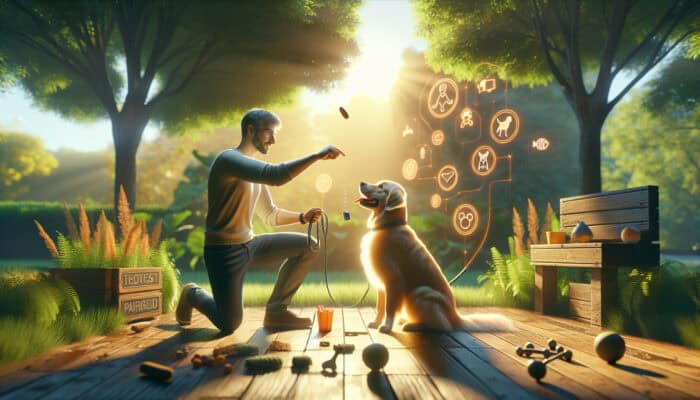
Master the Fundamentals of Trick Training for Dogs
What Are the Essential Commands Every Dog Should Learn?

Trick Training for Intelligent Dogs: Establishing a strong foundation in trick training is crucial and begins with mastering core commands. Teaching your dog essential actions such as “sit,” “stay,” and “come” lays the groundwork for more complex tricks and behaviors. For instance, once your dog has successfully learned “sit,” you can gradually introduce advanced commands like “roll over,” which fosters their ability to learn through consistent reinforcement. This step-by-step approach not only ensures effective learning but also builds your dog's confidence and eagerness to continue training.
How Can You Evaluate Your Dog's Intelligence Level?
Recognizing your dog's unique intelligence level is vital for tailoring trick training sessions effectively. Observing their problem-solving skills, such as how quickly they can navigate a puzzle toy, can provide key insights. You can evaluate their intelligence by offering simple challenges and noting their speed and enthusiasm in overcoming these tasks; this information is invaluable in customizing training sessions that leverage their strengths and keep them motivated throughout the training process.
What Tools Are Essential for Successful Trick Training?
Preparing adequately for trick training is vital to your success as a trainer. Begin by gathering essential tools such as high-value treats, clickers, and a comfortable, distraction-free training area. A well-organized and structured training environment fosters focus and facilitates learning. Key supplies you should consider include:
- High-value treats for motivation
- Clicker or marker for immediate feedback
- Leash and collar for control
- Training mat for designated training spots
- Dog toys for engagement
- Notebook for tracking progress
Having these items prepared in advance can streamline your training process and enhance the overall experience for both you and your dog.
How Does Trick Training Boost Your Dog's Confidence?

What Is the Impact of Positive Reinforcement on Learning?
Positive reinforcement plays a critical role in maintaining enthusiasm throughout trick training for intelligent dogs. By utilizing rewards such as treats, praise, or playtime, you encourage your dog to learn and experience success. Timing your rewards is essential; always reward your dog immediately after they exhibit the desired behavior. This reinforces the connection between their action and the reward, ultimately enhancing their motivation and the overall effectiveness of their learning outcomes.
What Are the Indicators of Progress During Training Sessions?
Monitoring your dog's progress is crucial for effective trick training. Key indicators of improvement include increased focus during training sessions and a quicker response to commands. Keeping a training journal can help measure these changes, enabling you to make necessary adjustments to your methods for optimal results and a more engaged training routine. Tracking their progress helps identify strengths and areas for growth, leading to a more effective training experience.
What Challenges Should You Be Prepared to Overcome?

Training intelligent dogs often presents challenges, such as environmental distractions. To maintain your dog’s engagement, it is essential to identify specific distractions and minimize them. Techniques such as gradually exposing to distractions during training or practicing in varied environments can significantly enhance focus. Remember that patience is paramount; each dog learns at their own pace, and adapting your approach is key to overcoming these obstacles.
Insights from Experts on Effective Trick Training for Intelligent Dogs
How Does Mental Stimulation Enhance Dog Behavior?
Engaging in trick training provides essential mental stimulation that is particularly important for intelligent dogs. Activities that challenge their minds significantly reduce destructive behaviors that often stem from boredom. For example, a Border Collie that consistently learns new tricks will display improved focus and decreased hyperactivity, thereby showcasing the tangible benefits of cognitive engagement in their daily lives.
What Are the Key Advantages of Incorporating Tricks into Daily Interactions?
Engaging in training can profoundly transform your relationship with your dog, deepening your bond and alleviating anxiety. By integrating tricks into daily routines, you not only enrich your interactions but also foster a sense of security in your dog. To seamlessly incorporate tricks, consider strategies such as:
- Incorporating commands during walks
- Using tricks as a playful warm-up
- Practicing commands before meal times
- Encouraging participation in family activities
Such strategies create a harmonious daily life, making training an integral part of your dog's routine.
What Are the Long-Term Benefits of Consistent Trick Training?
Regular trick-training sessions for intelligent dogs yield sustained cognitive benefits. Ongoing practice can enhance your dog’s ability to retain complex commands. As your dog masters new tricks, it is important to adapt your training to introduce variations and more challenging tasks, keeping them engaged and preventing learning stagnation. This continual challenge not only sharpens their skills but also maintains their enthusiasm for learning.
How Can You Tailor Tricks to Suit Your Dog's Breed-Specific Intelligence?
Customizing training based on breed-specific intelligence can greatly enhance learning outcomes. For instance, Border Collies excel at agility and cognitive tasks, whereas Poodles may thrive at more elaborate tricks due to their exceptional problem-solving abilities. By adjusting your training methods to align with your dog's unique cognitive strengths, you can increase engagement and maximize skill retention, leading to a more successful training experience.
Research-Backed Advantages of Trick Training for Intelligent Dogs
What Tricks Can Enrich Your Dog's Daily Life?
What Simple Tricks Can Be Integrated into Everyday Activities?
Incorporating simple tricks such as “fetch” into your daily routines keeps intelligent dogs engaged both mentally and physically. These straightforward maneuvers can easily be integrated into home life, for example, having your dog retrieve the newspaper or fetch specific toys on command. Such activities not only increase your dog's physical activity but also provide essential mental challenges that keep their minds sharp and engaged.
What Advanced Tricks Provide Greater Mental Challenges?
Complex tricks can captivate intelligent dogs by enhancing their problem-solving abilities. Engaging in layered tasks, such as “put away your toys” or “open the fridge,” offers substantial mental stimulation, thereby increasing overall engagement and making training an enjoyable experience for both dog and owner. These advanced tricks challenge your dog’s cognitive skills and help maintain their interest in training, leading to a more enriching experience.
How Can You Measure Your Dog's Mastery of Tricks Over Time?
Assessing how well your dog retains and refines tricks over time is essential for their growth and development. Regular repetition solidifies their skills, while tracking methods, such as video recordings or progress logs, help identify areas for improvement. Celebrate milestones along the way to keep your dog motivated and focused on mastering new tricks, reinforcing their confidence and enjoyment in the training process.
How Can You Integrate Tricks into Playtime Activities?
Blending tricks into playtime activities can revolutionize the way you engage with your dog. By combining mental stimulation with physical fun, you not only keep your dog’s mind sharp but also strengthen the bond between you. Consider activities such as agility courses where tricks can be practiced in a playful environment, ensuring consistent practice and engagement. This approach guarantees that training remains a fun and rewarding experience for your dog.
Advanced Strategies for Effective Trick Training
How to Incorporate Play into Your Training Methods?
Integrating play into trick training can significantly maintain interest and enthusiasm in intelligent dogs. Creative approaches that combine games with trick execution, such as using fetch to practice commands like “drop it,” cultivate a playful learning environment. This method not only reinforces commands but also keeps the training enjoyable for both you and your dog, making learning a delightful experience.
How to Adapt Training Techniques to Individual Dog Personalities?
Every dog possesses unique traits that can greatly influence training outcomes. Tailoring your techniques to fit your dog's personality ensures that training remains both effective and enjoyable. Understanding whether your dog is more food- or play-driven can help guide the motivators you use during sessions, maximizing their learning potential and making your training more effective.
Why Is Consistency Key in Trick Training Practice?
Establishing consistent routines is crucial for reinforcing tricks in your dog. Intelligent dogs may regress without regular practice; therefore, finding ways to incorporate training into daily life is essential for maintaining their skills. Strategies such as scheduling specific training sessions or integrating commands into everyday activities will help ensure long-term success in mastering tricks, allowing your dog to thrive in their learning journey.
What Is the Best Age to Start Trick Training for Dogs?
Starting trick training at a young age, ideally around six months, is recommended as puppies are generally more receptive to learning. However, it is important to note that older dogs can also successfully learn new tricks with the right motivation and patience.
How Long Should Training Sessions Last?
Training sessions should be brief, ideally lasting around 5-10 minutes, to effectively maintain your dog's attention and enthusiasm. Frequent, shorter sessions tend to be more effective than longer, infrequent training periods, leading to better retention and engagement.
Can All Dog Breeds Learn Tricks Effectively?
Most dog breeds can learn tricks, but breeds recognized for their intelligence, like Border Collies and Poodles, may pick up commands more quickly due to their enhanced cognitive abilities. Tailoring your training methods to fit individual traits ensures a successful learning experience for every dog.
How Can You Keep Your Dog Motivated During Training Sessions?
Utilizing high-value treats, praise, and play as rewards can help keep your dog motivated during training. Additionally, varying the training environment and introducing new tricks can help maintain their interest and excitement throughout the training process.
What Should You Do if Your Dog Gets Distracted During Training?
If distractions arise, minimize them by selecting a quiet, calm training area. Gradually introduce distractions in controlled settings while rewarding your dog for maintaining focus to help them concentrate better during sessions.
How Often Should You Train Your Dog for Optimal Results?
Regular practice, ideally several times a week, is vital for reinforcing learning. Consistency is key; daily short training sessions are often more effective than longer, infrequent training sessions, helping your dog stay engaged and continue learning.
Are There Tricks That Are Easier for Dogs to Learn?
Simple tricks such as “sit,” “shake,” and “lie down” are typically easier for dogs to learn because they require less physical coordination and can be taught with clear, straightforward commands.
What Distinguishes Tricks from Obedience Commands?
Obedience commands focus on the essentials for effective training. At the same time, tricks are often fun, engaging tasks that stimulate me, keep me active, and enhance interaction between the dog and the owner, enriching the training experience.
Can Trick Training Help Address Behavioral Issues?
Absolutely, trick training can provide the mental stimulation necessary to reduce boredom-related behaviors. Engaging your dog’s mind through training can lead to improved behavior in everyday situations, fostering a well-adjusted canine companion.
How Can You Measure Your Dog's Progress in Trick Training?
You can measure your dog's progress by tracking the speed and accuracy of their responses to commands over time. Keeping a journal to track their progress can help guide future training sessions and ensure consistent strides in their learning.
Connect with us on Facebook today!

Hiking Gear for Adventurous Pets: Top Essentials
Key Gear Essentials for Memorable Pet Hiking Adventures What are the Best Backpacks for Your Pet’s Hiking Needs? Hiking Gear

Senior Cat Nutritional Needs: Vital Diet Tips
Comprehensive Guide to Senior Cat Nutritional Needs What Dietary Adjustments Should Be Made for Aging Cats? Senior Cat Nutritional Needs:

Neutering Makes Dogs Lazy: Debunking the Common Myth
Comprehensive Overview of Neutering for Dog Owners What is Neutering and How Does It Impact Dogs’ Behavior? Neutering Makes Dogs
I appreciate how you’ve highlighted the importance of spaying as both a health measure and a responsibility for pet owners. My own experience with this was eye-opening. When I adopted my dog, I was initially hesitant about the spaying process, thinking of it purely in terms of her temporarily losing some autonomy. However, after speaking with my veterinarian and considering the health benefits, it became clear that spaying was essential not just for my dog’s well-being but also for addressing the larger issue of pet overpopulation.
Your experience brings up a crucial point in the conversation about spaying. It’s understandable to have concerns about the procedure and its implications for your dog’s individual autonomy. Many pet owners share similar hesitations. However, once we look deeper into the health benefits, it’s easier to recognize the broader perspective.
Your experience really resonates with the journey many pet owners go through. It’s understandable to feel a bit hesitant about spaying at first, especially when it seems to take away some autonomy. But as you discovered, having those conversations with your vet can shed light on why spaying is such a vital step for our pets.
You hit the nail on the head with that hesitation. I remember my own mini crisis about whether to spay my dog, which felt a lot like signing away her rights with a side of “Is this really necessary?” It’s like being told you can’t take the last piece of pizza at a party because, well, now you’re on a diet—you just don’t know if you’re ready for that kind of commitment.
Absolutely! If you’re curious about the benefits of spaying or have questions, check out this helpful resource that can guide you through the process.
http://elgatoencasa.com/vet
It’s great to hear about your experience with spaying and how it shifted your perspective. I think many pet owners start off feeling hesitant about it, often focusing on the autonomy aspect without fully grasping the bigger picture. It’s really insightful that you mentioned the health benefits—spaying can prevent certain cancers and other health issues down the line, which is something I think is sometimes overlooked in the discussion.
You’ve nailed a key part of the conversation about spaying that often gets overlooked. The hesitation many pet owners feel is completely understandable; we want to do what’s best for our pets, and the thought of altering their bodies can feel invasive. But what I’ve learned is that viewing spaying through the lens of long-term health benefits really shifts that perspective. It’s eye-opening to realize that those early worries can be outweighed by the potential for a longer, healthier life for our furry friends.
“I’m glad you found my experience relatable! If you’re interested in learning more about the health benefits of spaying, check out this informative resource that dives deeper into the topic.”
https://elgatoencasa.com/vet
You hit the nail on the head with that hesitation many of us feel at the start. It’s like prepping for a big presentation at work: you know it needs to happen, but you’re suddenly convinced your dog’s freedom hinges on your every decision. And then, the light bulb goes off, and you realize you’re really doing them a solid by spaying.
Absolutely, the health benefits are often underestimated! If you’re interested in learning more about spaying and its advantages, check out this informative resource for pet owners.
http://elgatoencasa.com/vet
I appreciate how you’ve highlighted the importance of spaying not just for pet health but for the wider community too. After adopting my dog last year, I learned firsthand how crucial it is to be responsible about pet ownership. It’s heartbreaking to see so many animals in shelters, which could be mitigated through increased awareness about spaying.
This guide on spaying really hit home for me! It’s like the ultimate pet parenting power move, isn’t it? I remember my little lady, Bella, strutting around the house like she owned the place before her spay. After the procedure, it was like a switch flipped. The crazy kitty energy dialed down—no more impromptu serenades at 2 a.m. followed by the pièce de résistance: an accidental pregnancy.
I appreciate the clear breakdown of spaying—it’s such an important topic! I still remember the day my cat, Whiskers, returned from the vet. The look on his face was priceless, like he just got a membership to a ‘no more kittens’ club! Not only did spaying save him from potential health issues, but it also made my living room a much quieter place.