


Crate Setup for Puppy Comfort: Tips for a Cozy Space
Essential Steps for Assembling Your Puppy’s Crate Accurate Measurements for Your Puppy’s Size To guarantee that your puppy’s crate is both comfortable and secure, precise
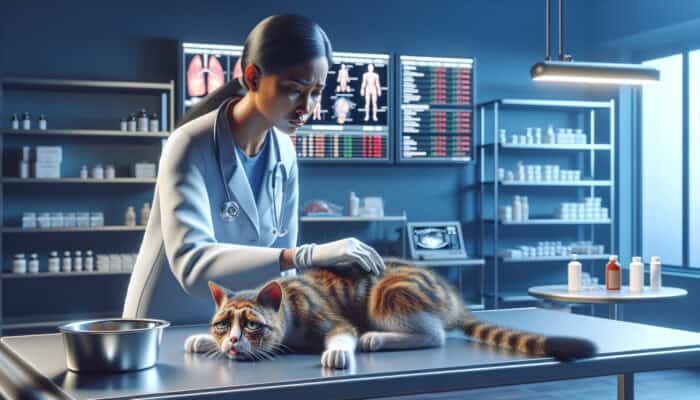
Table of Contents
Toggle
Signs of Dehydration in Cats: Recognizing the Early Signs is Crucial for Their Health and Well-Being. The initial symptoms can often be quite subtle yet critical, including lethargy, dry gums, and decreased skin elasticity. These indicators typically develop gradually, making it imperative for pet owners to stay observant and attentive to their feline companions. If left unchecked, these symptoms can quickly escalate into more serious health issues, emphasizing the need for timely detection and action to avert further complications.
Pet owners need to remain vigilant, as early signs may not always be obvious. For example, a lethargic cat might appear tired, and dry gums may go unnoticed during casual interactions. By regularly checking your cat’s hydration status, you can be proactive in ensuring they receive the care they need to maintain optimal health and vitality.
Physical changes in a cat can offer significant insights into their hydration status. Sunken eyes, loss of appetite, and panting are notable indicators of dehydration, signaling the body’s response to fluid loss. Understanding these signs is essential for timely intervention to ensure your cat remains in good health. Early recognition empowers owners to provide immediate care, thus safeguarding their cats from the consequences of dehydration.
Being aware of these physical changes enhances an owner's ability to respond promptly. Consistent observation can make a significant difference, allowing for timely intervention when dehydration occurs.
Behavioral changes in cats can be essential indicators of dehydration. When cats experience dehydration, they may exhibit behaviors such as hiding, irritability, and decreased playfulness. Such behaviors suggest discomfort and possible health concerns, highlighting the importance of careful observation during daily interactions.
Recognizing changes in your cat's behavior is vital for their health. A cat that usually enjoys playtime or interaction may withdraw when dehydrated. Similarly, a typically affectionate cat may become distant or irritable. Being attuned to these subtle shifts allows pet owners to act quickly, addressing dehydration before it leads to more severe health issues.
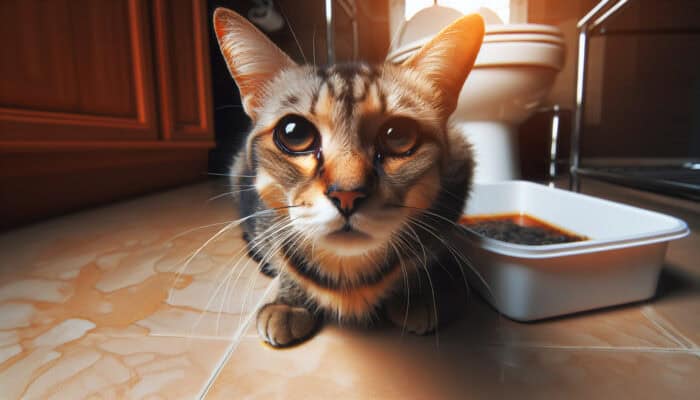
Changes in urinary habits can provide crucial information regarding a cat's hydration status. Dehydrated cats often urinate less frequently and produce darker urine, indicating that their bodies are conserving fluids. Monitoring these changes closely is vital, as they serve as important indicators of worsening dehydration and necessitate prompt veterinary attention.
The color and frequency of your cat's urine can offer significant insights. If the urine appears consistently darker than usual or if your cat is urinating less frequently, it may be a clear sign of dehydration. Owners should diligently track these changes, as they can help assess the severity of dehydration and determine when immediate veterinary care is needed.
In cases of advanced dehydration, cats may exhibit critical symptoms such as rapid breathing, extreme lethargy, or even collapse. Recognizing these signs promptly is essential for seeking emergency medical care, as they can lead to life-threatening complications. Understanding the seriousness of these symptoms ensures timely intervention, which is vital for preserving a cat’s health.
Once a cat reaches this stage, the situation requires immediate attention. Rapid breathing may signal significant distress, while extreme lethargy could indicate a serious health crisis. Pet owners must remain observant and act quickly if they detect these severe symptoms, ensuring their feline companion receives the urgent care they require.
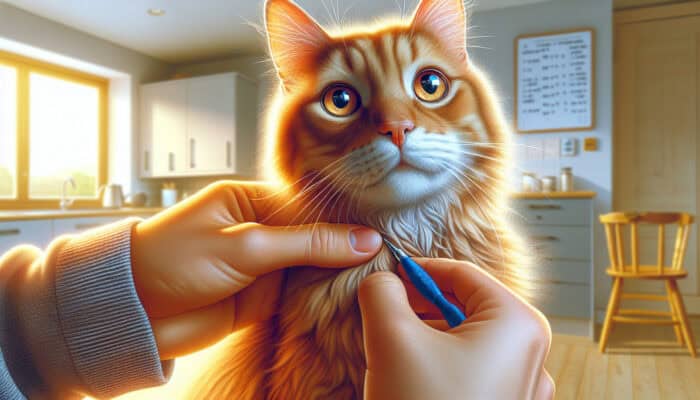
Identifying dehydration in cats can often be straightforward with simple tests conducted at home. One reliable method involves pinching the skin to assess elasticity. If the skin does not return to its normal position quickly, it may indicate dehydration. Additionally, evaluating urine output can provide critical insights into hydration status, offering owners valuable information about their cat’s health.
These home tests empower pet owners to respond quickly to potential dehydration. For example, if a cat's skin pinches easily and takes time to return to normal, this could signal a need for increased hydration. Likewise, observing the frequency and characteristics of urination can help owners decide when to seek veterinary assistance. However, it is essential to remember that while at-home tests are useful, consulting a veterinarian is vital for a comprehensive diagnosis and treatment.
Veterinary diagnostic tools are invaluable for accurately assessing dehydration in cats. Blood tests and weight monitoring are among the most effective methods for evaluating hydration status. Understanding these diagnostic tools can help pet owners appreciate the importance of veterinary assessments, facilitating swift intervention and care.
Blood tests provide a thorough evaluation of a cat's hydration status, allowing professionals to assess electrolyte balance and organ function. Additionally, tracking a cat’s weight can reveal trends that may indicate fluid loss over time. Owners should be proactive in understanding and using these tools when necessary, as they play a crucial role in maintaining their pets' overall health. Regular veterinary checkups incorporating these diagnostics are essential for early detection of dehydration-related issues.
Recognizing signs of dehydration early is critical to preventing complications such as organ failure. Early detection not only enables timely intervention but also underscores the importance of routine checks in promoting better pet care practices overall. Understanding the risks associated with delayed recognition of dehydration can empower owners to be more vigilant in monitoring their cats.
If dehydration progresses without intervention, it can lead to severe health issues that negatively impact a cat's quality of life. By establishing a routine for monitoring hydration levels, owners can proactively manage their cats' health. This diligence not only protects their pets but also contributes to their overall well-being and longevity.
Identifying advanced symptoms of dehydration is vital for ensuring a cat's health remains intact. Severe indicators, such as rapid breathing or weakness, can signal critical dehydration and necessitate immediate attention. One actionable step is to familiarize yourself with these symptoms through real-world examples from veterinary cases, which can help owners respond appropriately.
For instance, if a cat suddenly becomes weak and struggles to stand, it may be in urgent need of hydration. Owners should not hesitate to seek veterinary assistance in such situations. Learning to differentiate between mild and severe symptoms enables more effective decision-making regarding care, ensuring that cats receive the necessary treatment before conditions worsen.
Chronic dehydration can have lasting impacts on a cat's health, particularly concerning kidney function. Understanding these effects helps in recognizing persistent issues that may arise from dehydration, highlighting the need for ongoing monitoring and proactive care strategies to protect feline health.
When a cat suffers from chronic dehydration, the kidneys may struggle to function efficiently, leading to potential long-term consequences such as kidney disease. This reinforces the importance of ensuring proper hydration through regular water intake and monitoring behavioral patterns. Owners should take special care to ensure their cats drink enough fluids, especially in warmer climates or during illness, to mitigate these risks and promote overall health.
Awareness is essential for preventing dehydration in cats. Expert-recommended habits, such as ensuring easy access to fresh water, can significantly impact a cat’s hydration status. Additionally, recognizing behavioral patterns that signal ongoing risks empowers informed care decisions, helping to avert dehydration before it becomes a critical issue.
For example, cats may be less inclined to drink water in warmer weather, which can lead to dehydration. Providing multiple water sources, including bowls and cat fountains, encourages drinking behavior. By being proactive and aware of these factors, owners can create an environment that supports proper hydration and overall cat health, fostering a happier and healthier pet.
Research plays a vital role in understanding the signs of dehydration in cats. Studies highlight key indicators, such as dry mouth and behavioral changes, providing valuable insights for pet owners. Real-world examples from research findings can educate cat owners on effective monitoring techniques, ultimately helping them detect dehydration early.
For instance, research indicates that cats with dry mouths often experience greater dehydration than their well-hydrated counterparts. Understanding these findings enables owners to recognize subtle signs and act swiftly. By relying on education grounded in scientific data, pet owners can enhance their vigilance and responsiveness regarding their cat’s hydration needs.
Employing scientifically backed monitoring strategies can significantly aid in tracking dehydration in cats. Various methods, including practical tips from studies, help owners intervene early to ensure their pets remain hydrated and healthy. Implementing evidence-based techniques can enhance the quality of care provided to cats.
By integrating these strategies into daily care routines, pet owners can effectively monitor their cats, ensuring they maintain adequate hydration levels and overall health.
A scientific understanding of the progression of dehydration symptoms can significantly enhance a cat owner’s ability to provide appropriate care. Recognizing how symptoms evolve helps inform better prevention strategies, allowing owners to act promptly when needed. By utilizing reliable sources of information, cat care approaches can be improved, ultimately benefiting the feline population as a whole.
Understanding the scientific basis of symptom progression equips owners to differentiate between mild and severe dehydration. This understanding empowers them to make informed decisions about their pet’s health, ensuring timely and appropriate care. By appreciating the importance of scientific knowledge in detection, pet owners can take a proactive role in maintaining their cat's hydration and overall well-being.
Dehydration in cats can lead to serious health complications, such as electrolyte imbalances and diminished organ function. Being aware of these risks encourages proactive measures, ensuring that cats avoid serious health declines. Understanding the potential ramifications of dehydration is essential for every cat owner.
When a cat becomes dehydrated, vital electrolytes such as sodium and potassium can become imbalanced, leading to further health issues. Prolonged dehydration can compromise kidney function, resulting in chronic conditions that can severely affect a cat's health. By staying informed about these risks, owners can implement preventive measures, such as ensuring adequate water intake and recognizing early symptoms of dehydration.
Dehydration significantly impacts a cat’s daily life, affecting their overall behavior and activity levels. Dehydrated cats may show reduced energy, making them less active and less engaged with their surroundings. Understanding these behavioral shifts helps owners adapt their cats’ environments to promote hydration and comfort.
For example, a dehydrated cat may not engage in play or display affection, potentially leading to misunderstandings in feline-human interactions. By recognizing the signs of dehydration and making necessary adjustments, such as providing access to fresh water or moist food, owners can help their cats maintain a healthier lifestyle and enhance their overall quality of life.
Several underlying factors can contribute to dehydration in cats, including illness, heat exposure, and specific dietary habits. Addressing these factors through routine checks can help mitigate risks and promote overall feline resilience. Understanding potential triggers of dehydration is crucial for effective care.
For instance, cats suffering from chronic illnesses may be more susceptible to dehydration due to increased fluid loss or reduced thirst. Additionally, sudden temperature changes or heat exposure can lead to rapid dehydration. By being mindful of these underlying causes, owners can take proactive steps to ensure their cats remain hydrated and safeguard their health and well-being.
Implementing daily monitoring techniques is essential for the early detection of dehydration in cats. Regular checks for signs of dehydration can ensure timely intervention, support long-term health, and make it easier to spot changes quickly. Establishing a routine for monitoring hydration status can greatly benefit a cat's overall well-being.
Daily observations can include assessing the texture and moisture of a cat’s gums, checking water bowls for consumption, and monitoring behavior for any signs of lethargy or irritability. By adopting a consistent approach, pet owners can effectively track their cat's hydration status, allowing them to respond swiftly to any concerning changes. This diligence not only fosters a better understanding of their pet's health but also enhances the bond between cat and owner.
There are several effective methods to support hydration in cats. Providing fresh water sources is one of the most practical ways to keep cats adequately hydrated and reduce the likelihood of dehydration occurrences. Understanding your cat's preferences can help tailor hydration support methods to their needs.
Many cats prefer flowing water, which can be encouraged by using cat water fountains. Additionally, incorporating wet food into their diet can significantly boost fluid intake. By creating an environment that promotes hydration, owners can take proactive steps to ensure their cats are well-hydrated and maintain optimal health. Regularly refreshing water and monitoring consumption help improve hydration practices for your feline friends.
Understanding when to seek professional help for dehydration is crucial for ensuring a cat's health. Persistent symptoms such as vomiting, extreme lethargy, or severe changes in appetite require immediate action. Knowing the signs that indicate a need for veterinary assistance helps owners respond promptly to protect their cat's health.
If a cat exhibits signs of dehydration alongside persistent vomiting or diarrhea, it is vital to consult a veterinarian as soon as possible. Furthermore, any sudden shift in behavior, such as hiding or a noticeable decrease in activity, warrants professional evaluation. Being proactive and informed about the signs of dehydration empowers pet owners to advocate for their cat's health effectively, ensuring they receive the necessary care.
When addressing mild dehydration, effective home remedies can be incredibly beneficial. Options such as offering wet food or flavored water can entice cats to drink more, helping to restore hydration levels promptly. Close monitoring while implementing these remedies is essential to ensure symptoms do not worsen.
Adding water or broth to dry cat food can make the meals more appealing and encourage cats to drink more. Many cats respond positively to flavored water, such as chicken or beef broth, making it an attractive option. However, if symptoms persist or worsen despite these interventions, consulting a veterinarian is crucial for timely care. These home remedies serve as effective initial steps in tackling mild dehydration, promoting better hydration status for cats.
Incorporating high-moisture foods into a cat's diet is a vital nutritional strategy for preventing dehydration. A balanced diet that supports hydration can significantly reduce the risk of dehydration. Additionally, regular monitoring of water intake and adjusting dietary habits based on age or health can help maintain optimal hydration.
Feeding cats a combination of wet and dry food can enhance their overall fluid intake while ensuring they receive a balanced diet. Furthermore, adjusting feeding habits according to seasonal changes can be beneficial. For instance, during hotter months, cats may require more moisture in their diet to stay hydrated. By being proactive about nutrition and hydration, owners can significantly reduce the risk of dehydration and promote better health outcomes for their feline companions.
Early warning signs of dehydration in cats include lethargy, dry gums, and reduced skin elasticity. Monitoring these symptoms allows for timely intervention before the condition worsens.
You can test for dehydration at home by pinching the skin and observing its elasticity. If the skin slowly returns to its normal position, it may indicate dehydration.
Severe symptoms requiring immediate veterinary assistance include rapid breathing, extreme lethargy, weakness, or collapse. Recognizing these signs is crucial for timely intervention.
Diet significantly influences hydration; incorporating high-moisture foods and ensuring access to fresh water can help maintain your cat’s hydration levels effectively.
Encouraging your cat to drink more water can be done by providing fresh, clean water daily, using a cat water fountain, and offering wet food or flavored water.
Chronic dehydration can lead to long-term effects such as kidney damage and organ failure. Regular monitoring and ensuring proper hydration are essential for preventing these issues.
Seek veterinary care if your cat shows signs of persistent vomiting, severe lethargy, or noticeable changes in appetite or behavior. These could indicate dehydration or other health issues.
Preventive measures for dehydration include providing multiple sources of fresh water, ensuring balanced nutrition, and scheduling regular health checkups to monitor hydration levels.
Weather significantly impacts a cat's hydration needs. Hot weather increases fluid loss, necessitating increased water intake to prevent dehydration.
Mild dehydration can often be treated at home with remedies like wet food and flavored water. However, if symptoms persist or worsen, consulting a veterinarian is essential.
Tags
Essential Steps for Assembling Your Puppy’s Crate Accurate Measurements for Your Puppy’s Size To guarantee that your puppy’s crate is both comfortable and secure, precise

Understanding the Features of Temperature-Controlled Pet Beds Key Components of Temperature-Controlled Beds The essential elements that enable temperature-controlled beds for pets to maintain comfortable temperatures

Navigate Seasonal Flea Challenges for Your Pets How to Spot the Early Signs of Flea Infestation Early detection of flea activity is essential for pet
By subscribing to our newsletter you agree to our Terms and Conditions and Privacy Policy
I find the exploration of augmented reality games specifically designed for dogs to be quite fascinating, especially in the context of our increasingly tech-driven lives. It’s impressive how technology can be harnessed to enrich our pets’ lives, addressing both their physical and mental needs in a way that traditional toys might not fully achieve.
You raise an interesting point about augmented reality games for dogs and how they tap into the needs of our pets in novel ways. It can be easy to think of pet entertainment as simply tossing a ball or providing a chew toy, but the idea of using technology to stimulate both the physical and mental well-being of dogs is quite innovative.
You bring up a really interesting point about how augmented reality games can enhance our dogs’ lives. It’s like we’re entering a new age where our pups can join in on the tech revolution. I mean, who would have thought Fido would be chasing digital squirrels instead of just sniffing up the yard?
I’m glad you found the topic intriguing! If you’re interested in exploring some innovative augmented reality games for dogs, check out this link to see how technology is enhancing pet playtime.
https://elgatoencasa.com/vet
It’s really fascinating to think about how technology is weaving its way into our relationship with our dogs. The image of Fido chasing digital squirrels instead of just patrolling the backyard is a playful nod to how far we’ve come—and how much further we can go. The idea of augmented reality (AR) not only enhances their playtime but also provides mental stimulation that’s essential for our pups. It’s a whole new realm of enrichment that we didn’t have just a few years back.
Absolutely, it’s such an exciting time for pet parents! If you’re curious to see some amazing augmented reality games that can keep Fido entertained and engaged, be sure to check out this link!
https://elgatoencasa.com/vet
You’re so right about how technology is reshaping our relationships with our pets. It’s interesting to consider how something like augmented reality can not only entertain but also provide essential mental stimulation for dogs, which is often overlooked. I’ve noticed that many dogs, especially those with a lot of energy, can really benefit from activities that challenge them mentally, not just physically.
You’ve captured a really fascinating aspect of the evolving relationship between technology and our pets. The idea of using augmented reality as a tool for mental stimulation is one that deserves more attention. Many pet owners focus on physical exercise, which is definitely important, but mental engagement is key for a well-rounded dog. It’s often the case that high-energy dogs become bored and restless when they don’t have enough mental challenges, leading to behaviors we might interpret as disruptive.
Absolutely! If you’re interested in exploring how augmented reality can enhance mental stimulation for your dog, check out this resource that delves into some exciting options!
http://elgatoencasa.com/vet
You’ve tapped into something really fascinating here. The idea of our dogs interacting with augmented reality is not just about entertainment; it opens up a whole new world of engagement for them. Traditional playtime often revolves around physical toys or simple fetch games, but adding a digital layer can stimulate their minds in ways we’re just starting to explore.
I completely agree; the intersection of technology and our pets’ well-being is such an intriguing area. Augmented reality for dogs offers a unique approach to keeping them stimulated in ways traditional toys can’t. I recently read about a company that creates AR experiences specifically tailored for different breeds, aiming to engage their unique instincts and play styles. It’s interesting to see how these games can help with training and behavior while providing mental enrichment.
You’ve highlighted a fascinating aspect of this discussion, and it really draws attention to how technology can redefine the way we care for our pets. The idea of using augmented reality for dogs not only taps into their natural instincts but also opens up new avenues for interaction that traditional methods might miss.
It’s interesting to think about how augmented reality games could redefine the way we engage with our dogs. You’re right in noting that traditional toys often don’t cater to the complex needs of pets, both mentally and physically. For dogs, boredom can lead to behavioral issues, so finding innovative ways to stimulate them is crucial.
It’s interesting to see how games designed for our dogs can not only keep them active but also stimulate their minds, much like the innovative augmented reality options we’re beginning to explore.
‘Fetch Games for Energetic Dogs: Unleash Fun and Fitness’
https://elgatoencasa.com/fetch-games-for-energetic-dogs-unleash-fun-and-fitness/.
You’re hitting the nail on the head about the boredom blues for dogs. It’s like a doggie version of Netflix—all of a sudden, they’ve watched every show and need something fresh to keep their tails wagging. Augmented reality games could be the new “blockbuster” in their lives, turning a simple fetch into a whole adventure.
Absolutely! If you’re curious about how innovative games can enhance your dog’s playtime and keep their minds engaged, check out this insightful article on fetch games designed for energetic pups: [Fetch Games for Energetic Dogs: Unleash Fun and Fitness](https://elgatoencasa.com/fetch-games-for-energetic-dogs-unleash-fun-and-fitness/). It’s a great read for every dog owner looking to boost their furry friend’s play experience!
http://elgatoencasa.com/vet
You’ve really nailed it with the doggie boredom analogy. It’s fascinating how, just like us, dogs can hit that wall where familiar games no longer spark joy. Augmented reality games are such an interesting idea; I can definitely see how mixing in technology could lead to some exciting new adventures for our pups.
The concept of augmented reality games for dogs is truly fascinating, blending our love for technology with the well-being of our pets. I can already envision a future where dogs can engage in dynamic environments from the comfort of our living rooms, alleviating some of the challenges of urban living with limited space for play.
You’ve captured the essence of augmented reality games for dogs beautifully. It’s exciting to think about how technology can enhance our pets’ lives, especially in bustling urban environments where space can be a real challenge. Imagine a scenario where a dog can chase virtual squirrels or play interactive fetch right in the living room. It’s a neat way to stimulate their minds and bodies without needing a dog park nearby.
I found the concept of augmented reality games for dogs incredibly fascinating, especially given how technology continues to seep into every aspect of our lives, including how we engage with our pets. It really speaks to the innovative ways we can enhance the quality of life for our furry friends, particularly in a world where they might be spending more time indoors than ever before.
The rise of augmented reality games for dogs does open up some interesting avenues for interaction and engagement. With many pets spending more time indoors, especially in urban settings, it’s essential to think creatively about how we can keep them mentally stimulated and physically active. These technologies can provide a unique solution to this challenge, allowing dogs to enjoy interactive play that mimics the natural instincts they have.
“I’m glad you found it fascinating! If you’re interested in exploring how augmented reality games can benefit your dog, check out this exciting resource that dives deeper into the possibilities.”
https://elgatoencasa.com/vet
It’s fascinating to see how augmented reality (AR) is making its way into the realm of pet care, particularly with games tailored for our dogs. The concept of blending our pets’ natural instincts with digital engagement is not just innovative; it signifies a shift in how we think about play and exercise for our furry friends.