

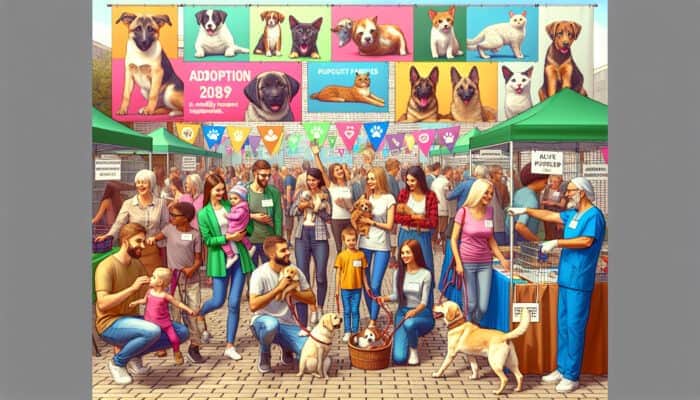
Essential Steps for Organizing a Successful Pet Adoption Fair
What Are the Key Steps in Organizing a Pet Adoption Fair?

Pet Adoption Fair Organization: Planning a successful pet adoption fair involves meticulous organization and strategic execution. To attract potential adopters and achieve successful placements, follow these essential steps. Begin by selecting a date that maximizes participation; weekends typically yield the best turnout. Choose a venue that is both spacious and accessible to ensure comfort for pets and attendees alike. Collaborate with local shelters and rescue organizations to feature a diverse array of adoptable animals. Promote the event extensively across various channels to reach a wider audience, and meticulously manage logistics, including supplies and volunteer roles. Here’s a concise list of key actions for organizing your event effectively:
- Choose a date and time that encourages attendance.
- Select an accessible venue that can accommodate your needs.
- Coordinate with shelters and rescue organizations to offer a variety of pet options.
- Engage in promotional activities via social media and local advertising.
- Organize volunteers for various tasks and responsibilities.
- Prepare logistics for supplies, food, and pet care essentials.
- Continuously evaluate and adjust plans as the event date approaches.
How to Select the Perfect Venue for Your Event?
Selecting the right venue for your pet adoption fair is vital for its overall success. The venue must be spacious enough to accommodate a variety of booths and attractions while ensuring a comfortable environment for both pets and potential adopters. Accessibility is critical; prioritize locations that are easy to access and provide ample parking. If planning an outdoor event, consider weather contingencies; having adequate indoor space can help mitigate risks associated with inclement weather. Here are important criteria to evaluate when choosing a venue:
- Spaciousness to prevent overcrowding and ensure a smooth flow.
- Pet-friendly policies to create a safe environment for all.
- Accessibility for all attendees, including those with disabilities.
- Availability of parking for attendees and pet transport.
- Facilities for feeding and watering pets and volunteers.
- Access to public transportation to reach a broader audience.
- Clearly marked emergency protocols and exits for safety.
Strategies for Budgeting and Identifying Funding Sources
Developing a comprehensive budget is essential when organizing a pet adoption fair. This budget should encompass all expenses, including venue rental, permits, promotional materials, supplies, and refreshments. Identifying potential funding sources is crucial to effectively covering these costs. Sponsorships from local businesses, donations from community members, and entry fees from attendees can all help finance your event. A thorough understanding of these funding avenues will facilitate securing the necessary resources, ensuring the fair is both enjoyable and impactful. Consider the following potential funding sources:
- Sponsorships from pet-related businesses and local enterprises.
- Donation drives leading up to the event for cash or supplies.
- Entry fees or suggested donations from attendees to support costs.
- Grants from organizations dedicated to animal welfare.
- Merchandise sales, such as T-shirts or pet accessories, can raise funds.
- Fundraising events that precede the fair to generate interest and support.
- Online crowdfunding campaigns tailored to your cause to broaden reach.
Expert Insights for Elevating Your Pet Adoption Fair

How Can Experts Enhance the Success of Your Event?
Engaging experts in organizing your pet adoption fair can significantly elevate the event's success. Professionals specializing in animal welfare, event planning, and marketing can offer invaluable insights that enhance the event's overall quality and appeal. Their experience can help navigate challenges, plan effective layouts, and implement strategies that drive higher attendance. To effectively incorporate experts, consider these actionable steps:
1. Identify key experts who align with your event objectives.
2. Reach out to local animal welfare organizations for partnership opportunities.
3. Invite veterinarians or trainers to provide insights and services during the event.
4. Consult marketing professionals to bolster your promotional strategies.
By actively engaging these experts, your event will benefit from their knowledge and experience, resulting in a well-executed, engaging fair.
What Expertise Should You Look For in Event Planning?
When organizing a pet adoption fair, seeking diverse expertise is crucial for effectively covering all aspects of the event. Focus on professionals with a wealth of experience relevant to the fair's goals. The following types of experts should be considered for involvement:
- Animal welfare specialists knowledgeable in adoption processes and pet care.
- Event management professionals are to streamline logistics and operations.
- Marketing experts to amplify outreach efforts and attract a larger audience.
- Veterinarians to offer health checks and pet care advice.
- Trainers for behavioral assessments to guide potential adopters.
- Volunteers experienced in animal handling and customer service.
- Local business owners who can provide sponsorship or resources.
How to Effectively Incorporate Expert Advice into Your Event?

Utilizing expert advice when organizing your pet adoption fair can significantly enhance the event's quality and efficiency. Experts can provide guidance on various aspects, including layout design, effective pet handling practices, and strategies for communicating with potential adopters. For example, a knowledgeable animal welfare expert can advise on how to set up adoption booths to facilitate positive interactions and minimize stress for the animals. Incorporating their feedback can lead to a more organized and enjoyable event, where both attendees and animals feel at ease. The impact of expert advice can be substantial, leading to increased attendance, higher adoption rates, and a more successful event overall.
How Do You Measure the Impact of Expert Involvement on Event Success?
Evaluating the success of your pet adoption fair involves measuring the impact of expert involvement across various metrics. Consider factors such as attendance numbers, adoption rates, and qualitative feedback from participants. Post-event surveys can be used to gather insights into how attendees perceived the event's organization, the presence of experts, and their overall satisfaction. For a comprehensive analysis, focus on these key metrics:
- The number of pets adopted during the event.
- Attendance figures compared to previous fairs or estimates.
- Feedback scores obtained from participant surveys.
- Social media engagement and reach metrics during the event.
- Financial performance regarding expenses versus income generated.
- Volunteer feedback on their experiences and suggestions for future improvements.
Strategies for Effectively Promoting Your Pet Adoption Fair
What Are the Most Effective Marketing Strategies for Your Event?
Implementing effective marketing strategies is crucial for attracting attendees to your pet adoption fair. A combination of digital and traditional promotional methods can maximize outreach and engagement. Social media platforms can play a pivotal role by helping you create buzz and invite animal lovers to participate. Collaborating with local media outlets can further enhance visibility. Consider employing the following marketing strategies to ensure a successful event:
- Run social media campaigns across platforms like Facebook, Instagram, and Twitter.
- Place local advertisements in pet magazines, newspapers, and community boards.
- Distribute flyers and posters in pet stores, veterinary clinics, and community centers.
- Form partnerships with local businesses for cross-promotion opportunities.
- Use online event listings and community calendars to expand your reach.
- Send email newsletters to previous adopters and community members to keep them informed.
- Engage with influencers in the pet community for wider reach and visibility.
How to Utilize Social Media Effectively for Your Event Promotion?
Social media platforms serve as powerful tools for promoting your pet adoption fair. They provide a unique opportunity to engage with a wider audience and connect with potential adopters in an approachable manner. To maximize your social media reach, create visually appealing posts that highlight the pets available for adoption and share heartwarming success stories from past events. Use event countdowns and interactive content, such as polls and quizzes, to build excitement. Additionally, consider leveraging targeted advertising to reach specific demographics, particularly those known for pet ownership or interest in animal welfare, to expand your outreach greatly.
Why Collaborating with Local Businesses is Beneficial?
Partnering with local businesses can significantly enhance the promotion of your pet adoption fair. By collaborating, you can create mutual benefits that attract larger crowds. Local pet stores, veterinary clinics, and grooming services are excellent partners. They can provide sponsorships, offer promotional materials, and help spread the word to their customer base. Focus on businesses that align with animal welfare and community engagement, as their involvement can bolster credibility and draw in more attendees. Collaboration strategies may include joint marketing efforts, special promotions during the event, and exclusive discounts for attendees who adopt pets.
Logistics Management and Volunteer Coordination
How Do You Effectively Coordinate Volunteers for Your Event?
Effective volunteer coordination is integral to the success of your pet adoption fair. Clearly assigning roles and responsibilities creates an organized environment where tasks are managed efficiently. Begin by recruiting volunteers who are passionate about animals and possess relevant skills. Conduct thorough training sessions before the event to familiarize them with their responsibilities, from managing the registration desk to assisting with pet care. Clear communication is essential: utilize group messaging apps to keep volunteers informed and connected throughout the event day. Best practices for managing volunteers include:
- Clearly defining roles and responsibilities before the event.
- Conducting training sessions to prepare all volunteers effectively.
- Creating an easy-to-follow schedule for all shifts.
- Establishing a point of contact for volunteer inquiries during the event.
- Utilizing digital tools for sign-ups and scheduling to streamline processes.
- Encouraging team-building activities to foster camaraderie among volunteers.
- Following up with volunteers post-event to gather feedback and express appreciation.
How to Set Up the Event Space for Maximum Engagement?
Setting up the event space effectively is crucial for creating a welcoming atmosphere at your pet adoption fair. A thoughtfully planned layout can enhance foot traffic flow, making it easier for attendees to interact with adoptable pets and gather information. Begin by designating specific areas for adoption booths, informational tables, and rest areas. Ensure that the space is pet-friendly, providing adequate shade and water sources, especially if the event is outdoors. Safety measures must be established, including secure fencing for pets and first aid stations. Here are tips to optimize the event space layout:
- Create designated areas for different types of pets (e.g., dogs, cats).
- Ensure wide pathways to facilitate easy movement of participants.
- Include comfortable seating areas for people to sit and interact with pets.
- Set up informative booths with clear signage to guide attendees.
- Incorporate interactive activities or demonstrations to engage visitors.
- Provide shaded areas or tents for pet comfort if the event is outdoors.
- Establish clearly marked, accessible emergency exits.
How to Manage Logistics Effectively on Event Day?
On the day of the pet adoption fair, managing logistics is crucial to ensure everything runs smoothly. Begin with an early setup to avoid last-minute rushes and ensure every detail is accounted for. Prioritize the safe transportation of pets, ensuring they arrive calm and happy. Stock up on food and water supplies for both pets and volunteers, ensuring no one goes without. It’s vital to have a plan in place for emergencies, including first-aid kits and clear protocols for handling lost pets and medical emergencies. Make sure all volunteers are briefed on these logistics and that everyone understands their roles. Here are some logistics to prioritize on the event day:
- Ensure all pets are transported safely and comfortably to the venue.
- Set up food and water stations for pets and volunteers alike.
- Establish an emergency communication system to keep everyone informed.
- Have contingency plans ready to address inclement weather challenges.
- Set up clear signage for navigation throughout the venue.
- Conduct a final walkthrough to address any last-minute issues before attendees arrive.
- Remain flexible and ready to adapt to unforeseen circumstances.
How to Effectively Manage Volunteer Schedules and Shifts?
An efficient volunteer schedule is key to ensuring adequate coverage throughout your pet adoption fair. Create a detailed schedule that outlines shifts, breaks, and roles for each volunteer. This structure helps maintain smooth operations and prevents volunteer burnout. Utilizing digital tools can streamline scheduling and facilitate easy communication among volunteers. Encourage volunteers to sign up for shifts that align with their availability and interests. Strategies for efficiently organizing volunteer schedules include:
- Creating a clear and accessible schedule template for volunteers.
- Using online tools to facilitate easy sign-up and communication.
- Encouraging flexibility in shift options to accommodate volunteers' preferences.
- Monitoring volunteer engagement and availability throughout the event.
- Providing a contact person for any last-minute changes or issues that may arise.
- Recognizing and appreciating volunteers' efforts after the event.
- Offering incentives for longer shifts or outstanding contributions to motivate participation.
Research-Backed Benefits of Organizing a Pet Adoption Fair
What Are the Proven Advantages of Hosting a Pet Adoption Fair?
Research indicates that organizing a pet adoption fair yields numerous benefits that extend beyond simply finding homes for pets. These events have been proven to significantly increase adoption rates, raise awareness of animal welfare issues, and strengthen community ties. For instance, fairs that incorporate educational workshops and engaging activities tend to attract larger crowds, which directly correlates with higher adoption rates. Successful case studies from various regions highlight the effectiveness of such fairs in mobilizing community action and support. Here are some real-world examples of successful pet adoption fairs that exemplify these advantages:
- The “Bark in the Park” event in Chicago achieved a remarkable 30% increase in adoptions compared to previous years.
- In Los Angeles, collaboration between shelters and local businesses resulted in over 200 pets finding homes in just one weekend.
- A joint effort in Toronto raised $10,000 for local shelters while facilitating numerous adoptions.
- A fair in Sydney reported a 50% boost in community volunteer sign-ups alongside increased adoptions.
How Pet Adoption Fairs Enhance Community Engagement
Pet adoption fairs play a pivotal role in enhancing community engagement by bringing people together for a shared purpose: finding loving homes for animals in need. These events create shared experiences that foster connections among individuals, encourage volunteerism, and build a sense of community spirit. By uniting diverse groups, pet adoption fairs promote dialogue about animal welfare and responsible pet ownership. The interactive nature of these events, featuring games, demonstrations, and workshops, further encourages community participation. Here’s how pet adoption fairs build community spirit:
- Bringing together diverse community members who share a passion for animals.
- Creating opportunities for local businesses to engage with the public.
- Encouraging volunteerism and fostering a sense of belonging within the community.
- Raising awareness about local animal welfare challenges and potential solutions.
- Providing a platform for networking among animal advocates and supporters.
- Inspiring future collaborations between various community groups and organizations.
How Organizing Pet Adoption Fairs Improves Animal Welfare Outcomes
Organizing pet adoption fairs can directly improve animal welfare outcomes. When more pets are adopted, the number of animals in shelters decreases, improving the quality of life for those remaining. Additionally, these events raise awareness of the importance of spaying and neutering pets, ultimately helping mitigate overpopulation. The involvement of veterinarians and animal welfare experts at these fairs can further educate attendees about responsible pet ownership and care. Specific improvements in animal welfare that can stem from these events include:
- Increased adoption rates are leading to fewer animals in shelters.
- Enhanced public understanding of responsible pet ownership practices.
- Strengthened community support for local shelters and rescue organizations.
- Stronger advocacy for spaying and neutering pets to reduce overpopulation.
- Improved resources for ongoing education about pet care and welfare.
- Creation of support networks for new pet owners to ensure successful transitions.
How Pet Adoption Fairs Boost Volunteer Participation
Pet adoption fairs not only facilitate animal adoption but also significantly increase volunteer engagement in communities. These events offer various roles and responsibilities, providing opportunities for community members to contribute their time and skills. By participating in the planning and execution of the fair, volunteers gain firsthand experience in animal welfare while nurturing their passion for helping pets in need. As a result, many volunteers become long-term advocates for animal welfare, often returning for future events. Here’s how these events encourage volunteering:
- Offering a variety of roles tailored to different skills and interests to engage a wider audience.
- Creating memorable experiences that foster dedication to animal welfare causes.
- Providing training and educational opportunities that empower volunteers.
- Encouraging individuals to bring friends and family to participate in the fair.
- Building a community of like-minded individuals focused on a common cause of animal welfare.
- Recognizing and publicly appreciating volunteer efforts to motivate future involvement.
What Are the Economic Benefits for Local Businesses from Pet Adoption Fairs?
Organizing a pet adoption fair can yield substantial economic benefits for local businesses and the surrounding community. These events attract visitors who often spend money on food, pet supplies, and services, creating a positive ripple effect throughout the local economy. Events that successfully integrate local businesses into the fair not only enhance the overall experience but also promote mutual support. Local businesses can participate by offering sponsorships, providing products for giveaways, or hosting activities that attract attendees. Here are some specific economic advantages that pet adoption fairs can provide:
- Increased foot traffic to local businesses participating in the event.
- Sales boost for pet-related businesses during the fair.
- Collaboration opportunities that drive business growth through community engagement.
- Potential for ongoing partnerships between businesses and shelters to strengthen community bonds.
- Enhanced visibility for local businesses within the community, promoting brand loyalty.
- Increased investment in local infrastructure as businesses grow and thrive.
Creating a Smooth Adoption Process for Pets and Adopters
What Makes a Successful Adoption Process at Your Event?
A successful adoption process at your pet adoption fair hinges on careful planning and execution. It is critical to ensure that the process is thorough yet welcoming, thereby effectively matching pets with suitable adopters. Essential elements of a smooth adoption process include comprehensive screening of potential adopters, providing detailed information about each pet, and offering post-adoption support to help new owners transition smoothly into pet parenting. This holistic approach not only increases the likelihood of successful adoptions but also promotes responsible pet ownership among adopters. Here are key elements that contribute to a successful adoption process:
- Thorough screening procedures to ensure a good match between pets and adopters.
- Clear and accessible information about each pet’s needs, behavior, and personality.
- On-site support for the adoption paperwork process to facilitate smooth transitions.
- Post-adoption resources are available to new pet owners to support them after adoption.
- Open and supportive communication channels for addressing questions and concerns.
- Follow-up visits or check-ins after adoption to ensure successful adjustments.
How to Effectively Screen Potential Adopters?
Screening potential adopters is a crucial step in ensuring that pets are placed in loving, suitable homes. This process helps identify the best match for both the pet and the adopter. Implementing various methods, such as questionnaires, interviews, and home visits, can yield a comprehensive understanding of each adopter's lifestyle and readiness for pet ownership. This approach ensures that the pet's needs and the adopter's capabilities align. Here are effective strategies for screening potential adopters:
- Develop a standardized questionnaire covering lifestyle, pet experience, and preferences.
- Conduct interviews to gain deeper insights into the adopter’s suitability for pet ownership.
- Consider home visits to assess the living environment and the adoptive preparedness.
- Engage in open discussions about the responsibilities of pet ownership and care.
- Provide educational materials on pet care to potential adopters to support informed decision-making.
- Be transparent about each pet’s history, needs, and behavioral traits during the screening process.
Providing Robust Post-Adoption Support for New Pet Owners
Offering comprehensive post-adoption support is vital for ensuring that new pet owners have the resources they need to transition smoothly into their new roles. This support can take various forms, such as providing detailed pet care guides, establishing a helpline for questions, and conducting follow-up visits to check on the pet's well-being. By investing in post-adoption resources, organizations can mitigate the risk of pet returns to shelters and enhance new adopters' satisfaction. Here are some types of post-adoption support that can be most beneficial:
- Educational resources on pet care, training, and responsible ownership practices.
- A dedicated helpline for addressing immediate concerns or questions from new owners.
- Regular follow-ups to assess the pet's adjustment and the owner's experience.
- Access to discounted veterinary services for new adopters to encourage responsible care.
- Community groups for new pet owners to connect and share experiences for ongoing support.
- Workshops and training sessions on pet behavior and care to enhance owner skills.
Evaluating and Enhancing Future Pet Adoption Fairs
How Do You Measure the Success of Your Pet Adoption Fair?
Measuring the success of your pet adoption fair involves tracking various metrics that provide insights into the event's effectiveness. Key indicators include the number of pet adoptions, attendee feedback, and financial outcomes. By using these metrics, organizers can gauge the event's overall success and identify areas for improvement in future iterations. Tracking these indicators will also help in understanding community engagement and the event’s impact on animal welfare. Focus on the following metrics for evaluation:
- The total number of pets adopted during the event compared to previous efforts.
- Attendance figures compared to estimates or past events for performance analysis.
- Participant feedback scores collected through surveys for quality assessment.
- Social media engagement rates and reach metrics during the event for visibility analysis.
- Financial performance, including a breakdown of expenses and revenue generated.
- Post-event volunteer engagement and satisfaction feedback for operational insights.
How to Gather Feedback from Participants for Future Improvements?
Collecting feedback from participants is essential for improving future pet adoption fairs. This feedback offers valuable insights into attendees’ experiences, highlights areas for improvement, and helps assess the event's overall effectiveness. Implementing surveys, conducting interviews, and leveraging social media can all be effective ways to gather participant feedback. The key is to create a safe, open environment where participants can share their thoughts honestly and constructively. Here’s how to effectively gather participant feedback:
- Design concise surveys to encourage quick, easy responses from attendees.
- Offer incentives to complete the survey to increase participation.
- Engage in informal conversations during the event to gain immediate insights.
- Utilize social media platforms to conduct polls or solicit feedback from your audience.
- Encourage volunteers to share their observations and experiences for additional perspectives.
- Follow up with attendees via email after the event to solicit additional thoughts and reflections.
How to Implement Lessons Learned from Previous Events?
Implementing lessons learned from previous pet adoption fairs is crucial for improving future events. Analyzing feedback and data collected can provide insights that inform changes and enhancements to the event format, marketing strategies, and overall execution. This iterative approach ensures that each fair evolves to meet the community's needs better. The best ways to apply lessons learned include:
- Conducting a thorough review of feedback and performance metrics to identify key takeaways.
- Identifying trends in feedback to spot recurring issues or successes for targeted improvements.
- Involving volunteers and stakeholders in discussions about improvements to foster ownership.
- Testing new ideas or formats based on previous feedback to innovate future events.
- Documenting changes made for future reference and comparison to maintain continuity.
- Fostering a culture of continuous improvement among organizers and volunteers for ongoing growth.
How to Analyze Financial Performance for Future Planning?
Reviewing the financial outcomes of your pet adoption fair is essential to understanding its cost-effectiveness and profitability. This analysis provides insights into which aspects of the event were financially successful and which areas may need adjustments. By assessing revenues from adoption fees, sponsorships, and donations against expenses, organizers can identify areas for optimization. Effective assessment of financial health can be achieved through:
- Creating a comprehensive budget breakdown before the event to anticipate costs.
- Tracking all revenue sources and expenditures closely for accurate financial reporting.
- Utilizing financial software for precise analysis and reporting of financial outcomes.
- Analyzing sponsorship ROI to determine the effectiveness of partnerships.
- Evaluating the financial impact of marketing strategies employed to assess efficiency.
- Setting benchmarks for financial performance to guide future events.
What Are Continuous Improvement Strategies for Future Events?
Developing ongoing strategies for enhancing future pet adoption fairs based on insights from past experiences is vital for long-term success. This involves creating a plan for iterative improvements that address both challenges and opportunities identified in previous events. Focus on strengthening community engagement, refining logistics, and increasing outreach to maximize impact. Some effective methods for ensuring continuous improvement include:
- Establishing a review process post-event to discuss successes and areas for improvement.
- Encouraging volunteer input to foster ownership and engagement in future planning.
- Regularly updating promotional strategies based on feedback and evolving trends.
- Incorporating new technologies to enhance event organization and attendee experience.
- Building long-term relationships with sponsors and partners to secure consistent support.
- Investing in volunteer training to improve overall execution and operational efficiency.
FAQs About Pet Adoption Fairs
What is a pet adoption fair?
A pet adoption fair is an organized event where animal shelters and rescue organizations showcase adoptable pets, helping them find loving homes while raising awareness of animal welfare issues.
How do I organize a pet adoption fair?
To effectively organize a pet adoption fair, begin by setting a date and venue, coordinating with local shelters, managing logistics, and creating a marketing plan to attract attendees.
How can I promote my pet adoption fair?
Promote your fair through engaging social media campaigns, local advertising, business partnerships, and community engagement to maximize attendance.
What types of volunteers are needed for a pet adoption fair?
Volunteers can assist with setup, registration, pet care, information dissemination, and logistics management. Engaging volunteers passionate about animals is essential to a successful event.
What should I include in the adoption process?
The adoption process should encompass thorough screening of potential adopters, detailed provision of pet information, and post-adoption support to ensure successful placements.
How do I measure the success of a pet adoption fair?
Success can be measured by tracking adoption rates, attendee feedback, financial performance, and social media engagement to evaluate the event's overall effectiveness.
What are the benefits of hosting a pet adoption fair?
Hosting a pet adoption fair increases adoption rates, raises awareness of animal welfare issues, enhances community engagement, boosts volunteer participation, and supports local businesses.
How can local businesses get involved?
Local businesses can participate by sponsoring the event, providing promotional materials, offering goods or services, and hosting activities to engage attendees and support animal welfare.
What resources should I provide to new pet owners?
Provide educational materials on pet care, access to veterinary services, helplines for questions, and community support groups to help new owners transition smoothly.
What are some common challenges faced during pet adoption fairs?
Common challenges include managing logistics, ensuring adequate volunteer support, formulating effective marketing strategies, and addressing the diverse needs of attendees and pets.
Connect with us on Facebook to stay updated!

Cats for Anxiety Relief: How They Help Ease Daily Stress
Discover the Benefits of Cats for Anxiety Relief Why Are Cats Exceptional Companions for Reducing Stress? When considering emotional support

Mindfulness with Animal Observation: Finding Inner Peace
Enhancing Your Mindfulness Practice Through Animal Observation What is the foundational concept of mindfulness with animal observation? Mindfulness through animal

Heartworm Prevention Strategies: Essential Tips for Pets
Comprehensive Guide to Heartworm Prevention Strategies What are the stages in the heartworm life cycle? The life cycle of heartworms