

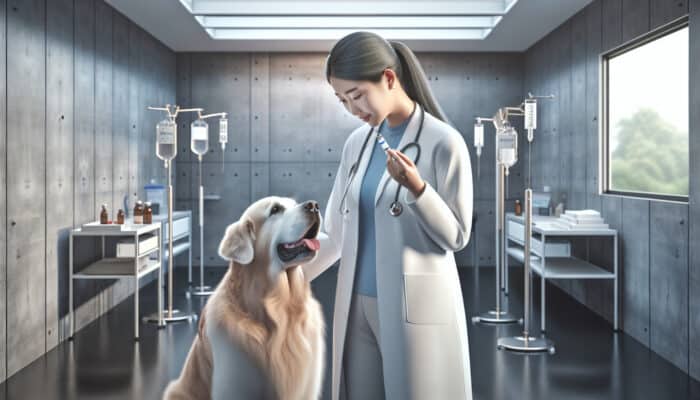
Comprehensive Insights into Pain Management in Senior Pets
What Factors Contribute to Pain in Aging Animals?

Pain Relief Options for Senior Pets: As pets age, they often experience pain from various causes, including joint degeneration, muscle stiffness, and chronic conditions like arthritis. For example, an elderly dog may display signs of discomfort when attempting to rise from a relaxed position, suggesting underlying joint problems. Early detection of these symptoms is vital, as it can greatly enhance your pet's overall quality of life and help you provide more effective care.
Pet owners must recognize and understand the common sources of discomfort that their senior companions may face. Joint problems, particularly osteoarthritis, can lead to reduced mobility and persistent pain, adversely affecting daily activities such as walking or navigating stairs. Moreover, as pets grow older, they may experience dental pain, which can complicate eating and significantly impact their overall health and vitality.
What Signs Indicate Pain in Elderly Pets?
Recognizing pain in senior pets early on is essential for effective treatment and relief. Key indicators to watch for include decreased activity levels, changes in vocalization, and alterations in behavior. For instance, if your previously playful pet now prefers to sleep throughout the day, this may be a clear sign of discomfort and should prompt further investigation.
Pet owners should take proactive measures to monitor their pet’s health. Regularly observing their activity levels, eating habits, and social interactions can help pinpoint potential issues. Keeping a detailed journal of these observations can provide valuable insights for veterinarians, aiding in the accurate diagnosis of any underlying conditions that may be causing pain.
What Types of Pain Do Senior Pets Experience?
Senior pets may experience various types of pain, including arthritic, neuropathic, and dental pain. Arthritis, for instance, is a prevalent condition in older dogs, typically developing gradually and affecting their mobility. As this condition progresses, pets may show behavioral changes, such as hesitance to play or difficulty climbing stairs, which may indicate pain.
Additionally, dental pain can be quite common, with many older pets facing issues like tooth decay or gum disease. This discomfort may lead to a reduced appetite and subsequent weight loss, further compromising their health. By understanding the various types of pain that senior pets can experience, pet owners can provide more targeted care and treatment to improve their quality of life.
How Does Pain Relief Function for Older Animals?

What Are the Mechanisms Behind Common Pain Treatments?
Pain relief for older animals typically involves a combination of medications and therapies to enhance their quality of life. Common treatments include non-steroidal anti-inflammatory drugs (NSAIDs), which target inflammation and alleviate pain effectively. These medications work by blocking certain enzymes in the body that contribute to pain and swelling, leading to a significant reduction in discomfort.
In addition to pharmaceutical options, alternative therapies such as physical therapy, acupuncture, and laser treatments play an essential role in managing discomfort. These methods promote circulation, reduce inflammation, and stimulate the body’s natural healing processes, ultimately improving mobility and overall well-being in senior pets.
What Are the Benefits of Integrating Multiple Approaches?
Combining various pain-relief methods yields a holistic approach that offers significant benefits for senior pets. By combining medications with alternative therapies such as acupuncture and massage, pet owners often achieve better outcomes than they would with a single method. This multifaceted strategy addresses pain from different angles, providing comprehensive relief and enhancing the pet’s overall comfort.
The long-term well-being of senior pets is supported through the synergistic effects of combining treatments. For instance, while NSAIDs effectively manage pain and inflammation, complementary therapies can enhance muscle strength and joint flexibility. This integration not only improves comfort but also fosters a more active lifestyle for aging pets, ultimately contributing to their happiness and health.
What Potential Side Effects Should Be Considered?

Although pain relief options can significantly enhance the quality of life for senior pets, potential side effects must be taken into account. Common side effects associated with NSAIDs include gastrointestinal upset, potential liver or kidney complications, and, in some cases, allergic reactions. Pet owners must balance the efficacy of treatments with their safety.
Vigilantly monitoring your pet for any adverse reactions is essential when introducing new medications or therapies. Regular veterinary check-ups are vital to ensure that pain management strategies remain effective while minimizing risks, allowing timely adjustments when necessary.
Expert Insights on Pain Relief Options for Senior Pets
How Do Medications Assist in Pain Reduction?
Medications are pivotal in managing pain for senior pets by specifically targeting inflammation and alleviating discomfort. Common pharmaceutical options include NSAIDs and analgesics, which provide effective relief from chronic pain associated with conditions such as arthritis. Adhering to proper administration guidelines, including dosage instructions and monitoring for side effects, is essential for the safe use of these medications.
Veterinarians play a crucial role in guiding pet owners in selecting the most suitable medications for their pets' unique needs. For example, a veterinarian may recommend a specific NSAID that is less likely to induce gastrointestinal issues in a dog with a history of digestive problems, ensuring tailored and effective treatment.
What Non-Medicinal Techniques Provide Pain Relief?
Alternative methods such as massage, acupuncture, and physical therapy can offer significant pain relief for senior pets. These approaches focus on improving circulation and alleviating muscle tension, thereby enhancing mobility and comfort in aging animals.
- Reduces muscle tension
- Enhances blood circulation
- Promotes relaxation
- Improves joint flexibility
- Encourages overall well-being
- Non-invasive and stress-free
Incorporating these techniques as part of a broader pain management strategy can yield positive outcomes for aging pets, ensuring they maintain a good quality of life while enjoying their daily activities.
What Are the Long-Term Advantages of Consistent Pain Management?
Consistent management of pain in senior pets leads to sustained health benefits over time. Regular interventions for pain relief help maintain mobility, prevent further deterioration of joint health, and enhance overall well-being. By establishing a routine that incorporates medications, therapies, and regular veterinary check-ups, pet owners can significantly improve their senior pet’s quality of life and comfort.
Maintaining an ongoing dialogue with veterinary professionals is essential for timely adjustments to pain management strategies. As conditions evolve, ensuring that treatment plans adapt to the pet’s changing needs is crucial for long-term effectiveness and comfort.
Why Are Veterinary Consultations Important for Pain Management?
Consultations with veterinarians are fundamental for identifying pain symptoms in senior pets and formulating effective pain management strategies. Regular check-ups enable veterinarians to assess any health changes, recommend suitable treatments, and monitor progress over time.
Pet owners should be proactive in scheduling check-ups and come prepared to discuss any noticeable changes in their pet’s behavior or physical condition. Open communication with veterinarians about personalized treatment plans can significantly enhance overall well-being by enabling tailored interventions that meet each pet's unique needs.
What Dietary Strategies Can Support Pain Relief in Senior Pets?
Specialized diets can play a vital role in reducing inflammation and enhancing mobility in senior pets. Diets rich in omega-3 fatty acids, antioxidants, and other essential nutrients can help manage pain effectively and promote overall health and vitality.
When selecting food options for your pet, consider incorporating supplements such as glucosamine and chondroitin, which are renowned for their joint-supporting properties. Ensuring that your pet receives balanced nutrition tailored to their age and health status can foster long-term health benefits and contribute significantly to pain relief.
What Are the Benefits of Various Pain Relief Methods?
Research-Backed Advantages of Pain Relief Options for Senior Pets
What Are the Evidence-Based Therapies for Joint Issues?
Research has demonstrated that therapies such as physical therapy and hydrotherapy can markedly improve mobility and reduce pain in pets suffering from joint-related issues. Real-world examples highlight this effectiveness; for instance, a senior dog undergoing hydrotherapy exhibited increased range of motion and decreased pain levels over time.
These treatments not only alleviate discomfort but also promote a healthier lifestyle, enabling pets to engage more actively in their daily routines and enjoy a better quality of life.
How Can Nutritional Strategies Support Pain Management?
Implementing nutritional strategies can significantly aid in pain relief for senior pets. Diets rich in essential fatty acids, antioxidants, and anti-inflammatory ingredients support overall wellness and may help mitigate pain.
- Omega-3 fatty acids
- Antioxidants (e.g., vitamin E, vitamin C)
- Glucosamine and chondroitin
- Turmeric and ginger
- High-quality protein sources
Focusing on these essential nutrients can help manage inflammation and support joint health, ultimately leading to improved comfort and mobility for aging pets.
Why Is Monitoring Progress with Pain Interventions Important?
Monitoring progress is critical when implementing pain interventions for senior pets. By closely observing behavioral changes, improvements in mobility, and overall health, pet owners can effectively assess the success of various pain management strategies.
Regular follow-up veterinary appointments allow for necessary adjustments based on your pet's responses to treatments. Documenting any changes can provide valuable insights for both pet owners and veterinarians, ensuring the best possible care and outcomes for the pet.
What Pharmacological Options Are Available for Pain Relief in Senior Pets?
Pharmacological options, including NSAIDs and analgesics, are effective in alleviating pain for senior pets. Research indicates that these medications can significantly improve mobility and comfort, although potential side effects must be carefully considered.
Veterinarians are instrumental in guiding pet owners on the appropriate use of these medications, including proper dosages and monitoring for adverse effects. By adhering to veterinary recommendations, pet owners can ensure their pets receive safe, effective pain relief tailored to their specific needs.
What Are Integrative Therapies for Holistic Pain Management?
Integrative therapies, such as acupuncture, massage, and laser therapy, complement traditional treatments, providing a holistic approach to pain management in senior pets. Evidence from studies suggests that these therapies can enhance overall well-being and reduce reliance on pharmaceuticals.
By combining conventional medical treatments with these alternative approaches, pet owners can implement a more comprehensive pain management strategy that benefits their senior animals' physical and emotional health.
When Should New Pain Relief Options Be Explored?
What Signs Indicate That Current Methods Are Ineffective?
If your senior pet exhibits signs of persistent discomfort despite existing pain relief methods, it may be time to explore new options. Indicators such as continuous limping, reluctance to move, or noticeable changes in appetite can signal that current treatments are inadequate.
- Persistent limping or difficulty walking.
- Decreased interest in activities
- Changes in sleeping patterns
- Vocalization during movement
Recognizing these warning signals is crucial for timely intervention and improved outcomes for your pet's health and comfort.
How Can You Evaluate Alternative Treatments?
Evaluating alternative treatments requires careful consideration and consultation with a veterinarian. Personalized assessments are vital to determine which new therapies may be suitable for your pet’s unique needs and circumstances.
Trial and consultation with veterinary professionals can help identify the best fit for individual pets, ensuring that any new treatments align with their health status and lifestyle while effectively addressing their pain.
What Is the Process for Transitioning to Advanced Care Techniques?
Transitioning to more intensive pain-relief methods should be done gradually to ensure your pet adapts comfortably. It is essential to introduce new techniques slowly and closely monitor their response to these changes.
Veterinarians can offer guidance on implementing these advanced methods effectively and safely, allowing for a smoother adjustment period for both pets and their owners as they navigate new pain management strategies.
Why Is Involving Veterinary Experts Crucial in Decision-Making?
When current pain-relief strategies prove ineffective, seeking veterinary expertise is essential to receive personalized advice tailored to your pet's specific needs. Veterinarians can assess your pet and recommend evidence-based alternatives to improve their comfort and well-being. By collaborating closely with veterinary professionals, pet owners can avoid potential complications and ensure a safer transition to new pain relief options.
How Can You Monitor and Adjust New Treatments Over Time?
Once new pain-relief options are initiated, it is essential to monitor your pet's response through careful observation and regular veterinary follow-ups. Tracking improvements and potential side effects can help optimize your pet's comfort and overall well-being.
Adjustments to treatment plans may be necessary as your pet’s needs evolve, ensuring their quality of life remains a priority throughout the pain management process.
Implementing Effective Daily Routines for Senior Pets
What Daily Exercises Can Alleviate Discomfort?
Incorporating daily exercises into your senior pet's routine can significantly alleviate discomfort and enhance their quality of life. Simple activities, such as short, leisurely walks, gentle play, and stretching exercises, can effectively foster mobility and reduce stiffness.
It is crucial to tailor these activities to your pet’s individual capabilities, ensuring they participate in safe, enjoyable exercises without risking overexertion. Establishing a consistent routine not only boosts their physical health but also fosters a sense of normalcy, happiness, and emotional well-being in senior pets.
What Environmental Adjustments Can Enhance Comfort?
Making thoughtful environmental adjustments can greatly improve the comfort levels of senior pets. Providing soft bedding, padded surfaces, and non-slip rugs can reduce the risk of injuries and enhance their overall quality of life at home.
Practical examples include placing ramps near steps, allowing easy access to favorite resting spots, and ensuring that food and water bowls are positioned at a reachable height. These modifications can make a substantial difference in your pet's daily experiences and their ability to navigate their environment comfortably.
How Can Relief Techniques Be Integrated into Regular Care?
Integrating pain management techniques into regular care routines is vital for achieving optimal results. This holistic approach includes combining medications, alternative therapies, and dietary strategies with standard health practices such as grooming and regular veterinary visits.
Consistency in these practices not only maximizes pain relief but also strengthens the bond between pets and their owners, ensuring that senior pets receive the comprehensive care and attention they need for a healthy, active life.
Frequently Asked Questions
What Are Some Common Signs of Pain in Senior Pets?
Common indicators of pain in senior pets include reduced activity levels, changes in vocalization, alterations in eating habits, and a reluctance to engage in their usual activities. Monitoring these behaviors closely can help in identifying pain early, facilitating timely interventions.
How Can I Assist My Senior Pet with Arthritis?
To help manage arthritis in senior pets, providing a comfortable environment, maintaining a healthy weight, and incorporating gentle exercises into their routine can be beneficial. It is also advisable to consult your veterinarian for specific recommendations tailored to your pet's unique needs.
What Types of Medications Are Safe for Senior Pets?
Commonly prescribed medications for pain relief in senior pets include NSAIDs and analgesics. Always consult your veterinarian to determine the most appropriate medications and dosages tailored to your pet's specific health requirements.
Are There Natural Remedies for Pain Relief in Pets?
Yes, natural options such as omega-3 fatty acids, glucosamine, and various herbal supplements can provide effective pain relief. It is important to discuss these alternatives with your veterinarian to ensure their safe and appropriate usage for your pet.
How Often Should Senior Pets Visit the Vet?
Ideally, senior pets should have veterinary check-ups every six months. Regular visits facilitate monitoring of health changes and allow for timely adjustments to pain management strategies, ensuring optimal care for your aging pet.
Can Diet Impact My Pet’s Pain Levels?
Absolutely. A diet rich in omega-3 fatty acids and antioxidants can significantly reduce inflammation and improve joint health, which can contribute to lower pain levels and enhanced comfort in senior pets.
What Are the Benefits of Physical Therapy for Senior Pets?
Physical therapy can improve strength, flexibility, and mobility in senior pets. It also helps alleviate pain through targeted exercises and treatments specifically designed to address their individual needs and conditions.
How Can I Determine If My Pet's Pain Management Is Effective?
To assess the effectiveness of pain management strategies, monitor your pet's activity levels, behavior changes, and responses to treatment. A noticeable decrease in discomfort and an increase in mobility are strong indicators that pain management is working effectively.
What Should I Do If My Pet Continues to Experience Pain Despite Treatment?
If your pet continues to exhibit signs of pain, it is imperative to consult your veterinarian. They can evaluate the situation and recommend alternative treatments or adjustments to the current pain management plan to ensure your pet receives the care they need.
How Can I Enhance My Home's Comfort for a Senior Pet?
To improve your senior pet's comfort at home, provide soft bedding, ensure easy access to food and water, and minimize obstacles in their environment. These thoughtful adjustments can significantly enhance your pet’s overall comfort and mobility while creating a more supportive living space.
Connect with Us on Facebook!

Eye Stain Removal for White Pet Coats: Effective Methods
Comprehensive Guide to Understanding Eye Stains on White Pet Coats What Are the Main Causes Behind Eye Stains? Eye Stain

Exotic Shorthair Breathing Issues: Key Causes
Comprehensive Overview of Breathing Challenges in Exotic Shorthairs What Are the Key Symptoms of Breathing Issues? Exotic Shorthair Breathing Issues:

Grooming During Pet Sitting Periods: Essential Care Strategies
Mastering the Essentials of Pet Grooming Crucial Components of Effective Pet Grooming Grooming During Pet Sitting Periods: Grooming during pet