


Crate Setup for Puppy Comfort: Tips for a Cozy Space
Essential Steps for Assembling Your Puppy’s Crate Accurate Measurements for Your Puppy’s Size To guarantee that your puppy’s crate is both comfortable and secure, precise
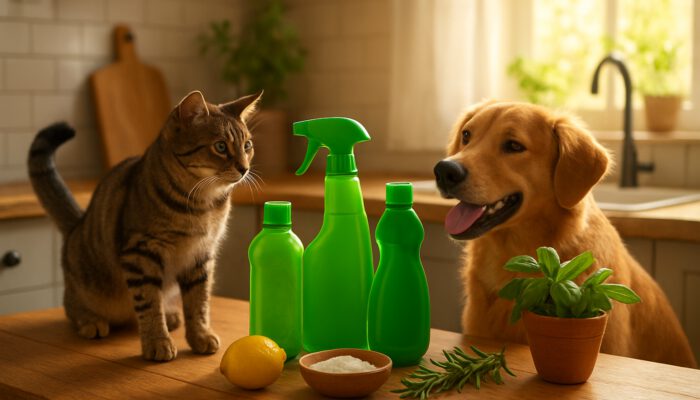
Table of Contents
Toggle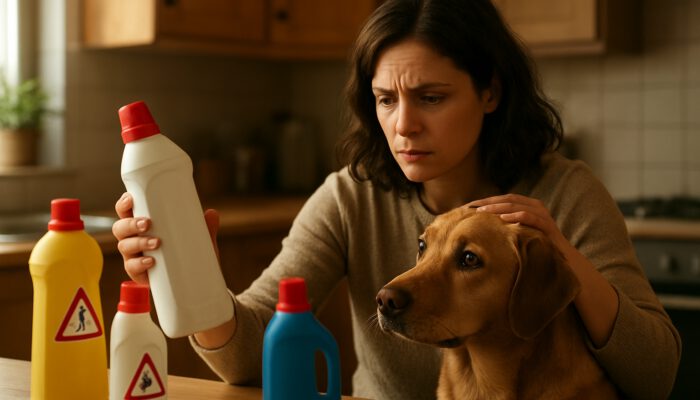
Many pet owners inadvertently expose their furry friends to harmful chemicals found in common household cleaners. Ingredients such as bleach, ammonia, and certain surfactants can cause skin irritation, respiratory issues, and other serious health complications in pets. By learning to read product labels diligently, pet owners can minimize these risks and establish safer cleaning routines that accommodate animals of all sizes and ages.
It is crucial for pet owners to recognize the signs of exposure to toxic substances. Symptoms may include excessive scratching, coughing, or unusual lethargy. By understanding the potential dangers of typical cleaning products, pet owners can make educated choices that contribute to a safer environment for their pets.
Developing a habit of scrutinizing product labels can significantly lower the chances of accidental exposure. Today, there are numerous pet-friendly cleaning supplies on the market that utilize natural ingredients. By selecting these alternatives, pet owners can maintain a clean home without jeopardizing the health of their beloved companions.
Cleaning products vary widely in their purposes and safety profiles. For example, while all-purpose cleaners efficiently remove dirt and grime, they may contain harmful chemicals. On the other hand, natural options like vinegar and baking soda can effectively clean without posing risks to pets.
Evaluating each cleaning category enables pet owners to identify effective solutions tailored to their specific household needs while ensuring the safety of their pets. Enzymatic cleaners, for instance, are excellent for tackling pet stains, whereas products infused with essential oils provide pleasant aromas without synthetic fragrances. Understanding these differences empowers pet owners to make informed choices.
The rise of eco-conscious brands has resulted in a range of specialized pet-safe products. These brands prioritize transparency in their ingredient lists, enabling consumers to select items that align with their values and safety concerns. This trend reflects a growing commitment to responsible pet ownership.
Assembling a starter kit of non-toxic cleaning products is an excellent way for pet owners to transition to safer alternatives. Here are some key advantages of choosing non-toxic cleaning supplies for pets:
A basic non-toxic cleaning kit might include vinegar, baking soda, castile soap, and essential oils such as lavender or lemon. These ingredients can handle various cleaning tasks, from deodorizing carpets to sanitizing surfaces. Having these essentials readily available allows pet owners to maintain a clean and safe home effortlessly.
Using non-toxic alternatives can also provide peace of mind. Knowing that cleaning products are safe for pets allows owners to focus on maintaining their homes without worry. This proactive approach to cleaning contributes to a healthier environment for both pets and their human companions.
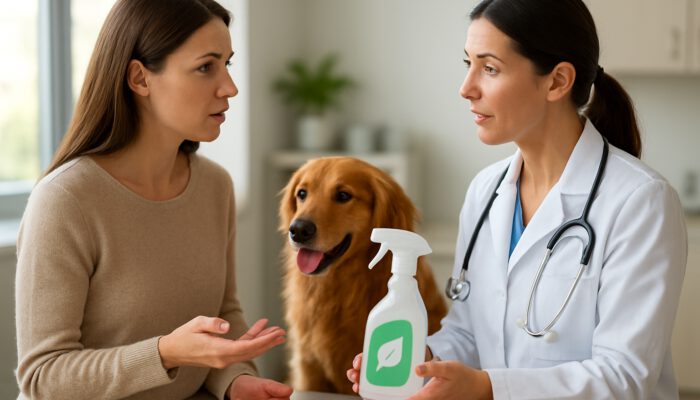
Pet owners can gain valuable insights by consulting veterinarians or certified pet safety experts when selecting non-toxic products. These professionals can offer recommendations on which ingredients are safe for specific breeds and health conditions, ensuring compatibility with individual pet needs.
Engaging with experts also helps pet owners understand potential interactions between cleaning products and pet health. For instance, some natural ingredients might be safe for most pets but could cause adverse reactions in those with specific sensitivities. This knowledge promotes informed decisions that enhance household safety.
Many veterinary clinics and pet organizations provide resources and recommendations for pet-safe cleaning products. Utilizing these resources can save time and lower the risk of selecting harmful items. By staying informed, pet owners can take proactive steps toward creating a safer home environment.
Pet owners should be knowledgeable about which substances are safe and which should be avoided. Common harmful ingredients include phosphates, chlorine, and synthetic fragrances. A clear understanding of these components leads to better purchasing decisions that prioritize the wellbeing of animals alongside cleaning efficacy.
When examining ingredient lists, look for familiar names and avoid products that contain vague terms like “fragrance” or “cleaning agents.” Familiarizing oneself with safe alternatives, such as citric acid and plant-based surfactants, can improve the cleaning experience while ensuring safety. This knowledge is crucial for making informed choices.
Many brands now highlight transparency in their ingredient listings. This trend empowers pet owners to make better-informed decisions about the products they introduce into their homes. By prioritizing brands that disclose their ingredients, consumers can ensure they are selecting safe options for their pets.
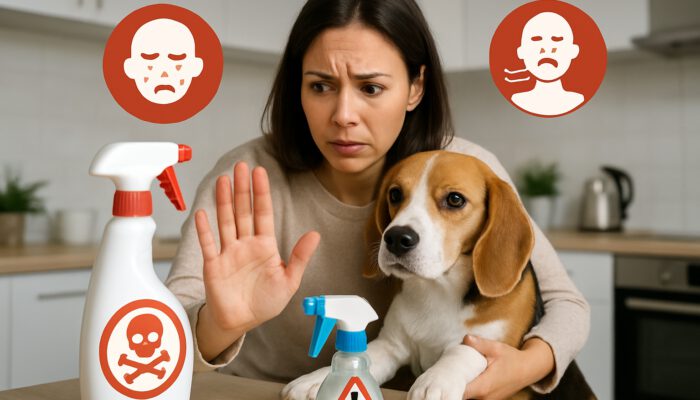
Certain preservatives and fragrances can trigger allergic reactions or other health issues. For pets, exposure to these additives can lead to skin irritations, respiratory problems, or gastrointestinal distress. Recognizing these hazards early on can prevent accidental exposure during regular cleaning routines, making vigilance essential for pet owners.
Common harmful additives to avoid include phthalates, parabens, and formaldehyde. These substances are often present in conventional cleaning products, underscoring the importance of diligent label reading. By selecting products free from these harmful ingredients, pet owners can significantly mitigate health risks for their furry friends.
Opting for unscented or naturally scented products can help minimize potential allergic reactions. Many pet-safe cleaning supplies utilize essential oils for fragrance, providing a safer alternative to synthetic scents. This approach allows pet owners to maintain a clean home without jeopardizing their pets' health.
Researching manufacturers that emphasize transparency ensures consistent product quality. Trusted sources often provide detailed safety data to support informed consumer choices. Many reputable brands prioritize pet safety in their formulations, making it easier for consumers to locate suitable options.
When sourcing reliable brands, look for certifications from organizations like the Environmental Protection Agency (EPA) or Green Seal. These certifications demonstrate that products have undergone rigorous testing for safety and efficacy. Choosing certified products helps ensure a higher standard of safety for both pets and their owners.
Reading customer reviews and testimonials can provide valuable insights into a brand's reliability. Positive feedback from fellow pet owners can guide purchasing decisions and help identify effective non-toxic cleaning supplies. By prioritizing trusted brands, consumers can feel confident in their choices.
Third-party certifications offer assurance regarding product claims. Certifications from organizations like the EPA or the USDA Organic program indicate that products meet specific safety benchmarks. These standards evaluate toxicity levels and real-world performance, confirming their suitability for use around animals.
When assessing cleaning products, look for labels that indicate they have passed safety testing. Certifications often include detailed information about the testing process, providing transparency for consumers. This information is vital for pet owners who wish to ensure their cleaning supplies are safe for their furry friends.
Understanding what different certifications signify can aid consumers in making informed choices. For example, a product labeled “non-toxic” may not have undergone the same rigorous testing as one with a certified label. Being aware of these differences can lead to smarter purchasing decisions.
Pet owners frequently question whether plant-based formulas offer equivalent cleaning power. Natural ingredients such as vinegar, baking soda, and essential oils can be effective alternatives to traditional cleaners. Direct comparisons reveal strengths and limitations across various surfaces and messes.
For instance, vinegar excels at cutting through grease and deodorizing, while baking soda is highly effective for scrubbing and stain removal. some natural ingredients may not perform as well on tough stains or heavy-duty cleaning tasks. Understanding these nuances helps pet owners select the right products for their specific needs.
Many manufacturers are now developing products that blend the best aspects of both natural ingredients and effective cleaning capabilities. These innovations allow pet owners to achieve the desired level of cleanliness without compromising safety. By exploring these options, consumers can discover the ideal balance for their homes.
Pets respond differently based on their breed, age, and overall health. Gradually introducing new products helps to quickly identify any unexpected reactions. For example, a product that is safe for one pet might trigger an allergic response in another. This variability underscores the importance of testing.
To assess sensitivities, begin by using a small amount of a new cleaning product on a limited area. Monitor your pet's reaction over several days before fully integrating the product into your cleaning routine. This cautious approach allows pet owners to observe any changes in behavior or health.
Keeping a journal of your pet's reactions can help track patterns and identify potential issues. Documenting any symptoms or behavioral changes can provide valuable insights into which products are most suitable for your pets. This proactive approach creates a safer cleaning environment for all household members.
Recent studies have shed light on the long-term effects of continuous low-level exposure to chemicals found in cleaning products. These findings suggest that consistent exposure can lead to chronic health issues in pets, including respiratory problems and skin irritations. Awareness of these risks is crucial for pet owners.
Experts recommend closely monitoring pet health indicators over time, especially when using conventional cleaning products. Regular veterinary check-ups can help identify any emerging health issues related to cleaning product exposure. By remaining vigilant, pet owners can address potential concerns before they escalate.
Pet owners should consider transitioning to non-toxic cleaning supplies as a preventative measure. Research indicates that pets living in homes with fewer chemical cleaners often display better overall health. This shift can lead to a happier, healthier life for pets, reducing the need for frequent veterinary visits.
In recent years, there has been a significant shift toward safer alternatives in the cleaning product industry. Experts highlight emerging formulations that prioritize pet safety without compromising effectiveness. These trends reflect a growing awareness of the importance of non-toxic cleaning supplies for pet owners.
Real-world examples from veterinary case studies demonstrate improved health outcomes after switching to safer products. Pets previously exposed to harsh chemicals often exhibit fewer health issues once their owners transition to non-toxic alternatives. This evidence highlights the importance of selecting non-toxic cleaning supplies.
Many manufacturers are investing in research to develop innovative formulations that leverage the power of natural ingredients. These advancements yield more effective cleaning solutions that are also safe for pets. By staying informed about these trends, pet owners can make better choices for their homes.
When considering non-toxic cleaning supplies, many pet owners question the balance between cost and value. While some natural products may come with a higher upfront price, experts argue that the long-term savings on veterinary visits can outweigh these expenses. Evaluating overall value is essential for pet owners.
The quality of ingredients often influences pricing, with premium products typically containing safer, more effective components. Investing in higher-quality cleaning supplies can lead to improved health outcomes for pets, minimizing the likelihood of costly medical treatments. This proactive approach can result in savings over time.
Many non-toxic products are now competitively priced with conventional cleaning options. As the demand for safer alternatives grows, more brands are entering the market, driving down costs. This trend makes it easier for pet owners to find affordable, efficient cleaning solutions that prioritize their pets' health.
Performing small, controlled applications on pet bedding or toys can help identify potential irritants before widespread use. This simple step reduces risk during transition periods, allowing pet owners to detect any adverse reactions early. Testing products in small areas contributes to a safer environment for pets.
To execute a patch test, apply a small amount of the cleaning product to a discreet area. Monitor your pet's reaction over the next few days, watching for signs of irritation or discomfort. If no adverse reactions occur, the product is likely safe for broader application.
Involving family members in the testing process can provide a more comprehensive perspective on product safety. Observing how pets react to new cleaning supplies allows owners to make informed decisions and adjust cleaning routines as needed. This collaborative approach fosters a safer home environment.
Sudden changes in activity levels or appetite may indicate underlying issues. Pets often express discomfort through shifts in behavior, making consistent observation vital. By staying attuned to your pet's habits, you can quickly connect symptoms to specific cleaning agents.
If a pet exhibits unusual behavior after using a new cleaning product, it may signal an adverse reaction. Changes in energy levels, eating habits, or overall demeanor can all indicate that something is amiss. Addressing these changes promptly can prevent further complications.
Keeping a log of behavioral changes can help identify patterns over time. This record can provide valuable insights into which products are safe and which should be avoided. By remaining vigilant, pet owners can ensure a healthier environment for their furry companions.
Proper storage prevents accidental ingestion by pets. Secure containers and designated areas keep supplies out of reach while remaining easily accessible for cleaning tasks. Establishing clear storage practices is crucial for maintaining a safe environment for pets.
Storing cleaning products in a locked cabinet or on a high shelf is an effective way to minimize risks. using clearly labeled containers can help family members quickly identify safe and unsafe items. This organization promotes responsible cleaning habits while prioritizing pet safety.
Regularly reviewing stored products is also essential. Disposing of expired or unused items reduces clutter and potential hazards. By maintaining an organized cleaning supply area, pet owners can ensure their homes remain safe and welcoming for their furry friends.
Studies have shown that reducing airborne irritants leads to fewer respiratory issues in pets. Cleaner air contributes to overall vitality and comfort indoors. By opting for non-toxic cleaning supplies, pet owners can foster a healthier living space for their furry companions.
Air quality is critical for pets, especially those with pre-existing respiratory conditions. Non-toxic cleaners often contain fewer volatile organic compounds (VOCs), which can trigger allergies and asthma in animals. Choosing safer alternatives helps minimize these risks.
Maintaining good ventilation during cleaning can further enhance respiratory health. Opening windows and utilizing air purifiers can help circulate fresh air, reducing the concentration of allergens and irritants. This combined strategy promotes a healthier indoor environment for both pets and humans.
Gentle cleaning formulas reduce contact reactions that may require medical intervention. Pets with sensitive skin are particularly vulnerable to irritations caused by harsh chemicals. Regular use of non-toxic cleaning supplies promotes healthier coats and reduces itching.
Many pet-safe cleaning products contain natural ingredients that are less likely to cause skin reactions. Components like aloe vera and chamomile can soothe skin irritations, offering additional benefits beyond mere cleaning. These gentle alternatives ensure pets remain comfortable in their living spaces.
Pet owners should routinely monitor their pets' skin health. Regular grooming and bathing with safe products can help maintain coat condition and prevent irritations. By prioritizing gentle cleaning solutions, pet owners can create a healthier environment for their furry friends.
Here are some actionable steps for incorporating non-toxic cleaning supplies into weekly routines based on research findings:
By implementing these strategies, pet owners can establish a safer cleaning routine that benefits both their pets and households. Transitioning to non-toxic cleaning supplies fosters a healthier living environment while reducing the risk of health concerns.
Natural cleaning options usually break down more easily, reducing concerns about long-term accumulation. This approach aligns with broader preferences for responsible household management. By choosing eco-friendly cleaning products, pet owners can contribute to a healthier planet.
Many conventional cleaning products contain harmful chemicals like phosphates that can pollute waterways. In contrast, natural cleaners typically rely on biodegradable ingredients, minimizing their environmental footprint. Selecting these alternatives demonstrates a commitment to sustainability and pet safety.
The environmental benefits extend beyond cleaning products. By embracing a holistic approach to household management, pet owners can foster a healthier living space for their pets while supporting global efforts to reduce pollution. This responsibility enhances the overall quality of life for all.
Real-world testing reveals that many natural cleaners effectively manage pet accidents without strong odors. Performance meets expectations when used appropriately, making it easier for pet owners to maintain a clean home. Understanding the capabilities of natural alternatives is essential for effective cleaning.
For example, enzymatic cleaners derived from natural sources can efficiently break down pet waste odors and stains. These products often outperform conventional cleaners in specific scenarios, providing a safer solution for pet owners. Knowing how to utilize these products effectively enhances cleaning efficiency.
Experimenting with various natural cleaning methods can yield impressive results. Combining ingredients like baking soda and vinegar can create potent cleaning agents capable of tackling tough messes. By embracing natural alternatives, pet owners can achieve a clean home without compromising safety.
Switching to non-toxic options reduces the cumulative chemical load on pets and surfaces alike. The benefits extend to easier cleanup and fresher indoor spaces. By prioritizing non-toxic cleaning supplies, pet owners create a healthier environment for their furry friends.
Non-toxic cleaners generally contain fewer allergens, making them safer for pets with sensitivities. This reduction in harmful substances can lead to fewer health issues and improved overall wellbeing. Pet owners can rest easy knowing they are using safe products.
Many non-toxic cleaning products effectively eliminate odors and stains without harsh chemicals. This ability allows pet owners to maintain a clean home while keeping their pets safe. By making the switch, pet owners can cultivate a healthier living environment for their furry companions.
Regular light cleaning prevents buildup and reduces the need for intensive scrubbing sessions. Simple habits can accumulate to sustain freshness in homes with pets. By incorporating easy cleaning routines into daily life, pet owners can uphold a clean and safe environment.
For instance, wiping down surfaces with a non-toxic cleaner after meals can help prevent dirt and allergen accumulation. regularly vacuuming pet areas can reduce hair and dander, contributing to a healthier indoor environment. These small adjustments can make a significant difference over time.
Involving family members in cleaning routines can nurture a sense of responsibility and teamwork. Teaching children to participate in pet care and cleaning tasks promotes awareness of pet safety. This collaborative approach enhances overall cleanliness in the home while fostering a sense of community.
Rotating cleaning products seasonally to address changing needs, such as shedding or outdoor tracking, can enhance cleaning effectiveness. Here are some essential benefits of using non-toxic cleaning supplies for pets:
By integrating these practices, pet owners can ensure their cleaning routines remain effective and safe throughout the year. Adapting to seasonal changes helps maintain a clean and welcoming environment for pets and their families.
Regular assessments confirm the ongoing effectiveness and safety of cleaning products. Adjustments keep cleaning approaches aligned with evolving household conditions. By periodically reviewing cleaning supplies, pet owners can ensure they are making the best choices for their pets.
Monitoring the performance of cleaning products over time helps identify any changes in effectiveness. If a product no longer meets expectations, it may be time to explore new options. Staying proactive in evaluating supplies contributes to a healthier home environment.
Gathering feedback from family members about cleaning routines can provide invaluable insights. Discussing experiences with various products can lead to better decisions and improved cleaning practices. This collaborative approach fosters a sense of shared responsibility for maintaining a clean home.
Focusing on high-traffic pet zones, such as feeding stations, sleeping spots, and play areas, ensures comprehensive cleanliness throughout the home. Targeted daily efforts in these specific areas help minimize odors, reduce allergens, and maintain a healthier environment for both pets and family members over time.
Regularly cleaning these zones with non-toxic supplies can help prevent dirt and bacteria buildup. For example, using a gentle cleaner on feeding areas can reduce the risk of foodborne illnesses. This attention to detail promotes a safer environment for both pets and their owners.
Establishing a routine for cleaning high-traffic areas can simplify the process. Designating specific days for deep cleaning pet zones ensures that these spaces remain fresh and inviting. By prioritizing cleanliness in these critical areas, pet owners can enhance their pets' overall quality of life.
Non-toxic cleaning supplies are typically safe for most pets, but individual sensitivities may vary. Always observe your pet's reaction when introducing new products and consult with a veterinarian if concerns arise.
Common non-toxic cleaning ingredients include vinegar, baking soda, castile soap, and essential oils like lavender or lemon. These ingredients are effective and safe for use around pets.
Check ingredient labels for harmful substances such as bleach, ammonia, and synthetic fragrances. Opt for products with recognizable, natural ingredients to ensure safety for your pets.
Some essential oils can be safe for pets, while others may be toxic. Always research specific oils and consult with a veterinarian before incorporating them into cleaning products.
Establishing a routine for light cleaning several times a week is ideal. High-traffic areas may require daily attention, while less frequently used spaces can be cleaned weekly.
Many non-toxic cleaning supplies are formulated to match the effectiveness of chemical cleaners. specific formulations may vary, so it's important to select products tailored to the intended cleaning task.
Introduce new cleaning products gradually by performing patch tests in small areas. Monitor your pet's behavior and reactions over several days before fully integrating the product into your cleaning routine.
Brands such as Seventh Generation, Method, and Better Life are known for their commitment to non-toxic formulations. Always check for certifications and ingredient transparency when selecting products.
Yes, many pet owners successfully make their own non-toxic cleaning products using simple ingredients like vinegar, baking soda, and water. Online recipes are available for various cleaning needs.
If your pet displays signs of an adverse reaction, such as vomiting or difficulty breathing, immediately remove them from the area and consult a veterinarian. Acting quickly is essential to ensure their safety.
Tags
Essential Steps for Assembling Your Puppy’s Crate Accurate Measurements for Your Puppy’s Size To guarantee that your puppy’s crate is both comfortable and secure, precise

Understanding the Features of Temperature-Controlled Pet Beds Key Components of Temperature-Controlled Beds The essential elements that enable temperature-controlled beds for pets to maintain comfortable temperatures

Navigate Seasonal Flea Challenges for Your Pets How to Spot the Early Signs of Flea Infestation Early detection of flea activity is essential for pet
By subscribing to our newsletter you agree to our Terms and Conditions and Privacy Policy