

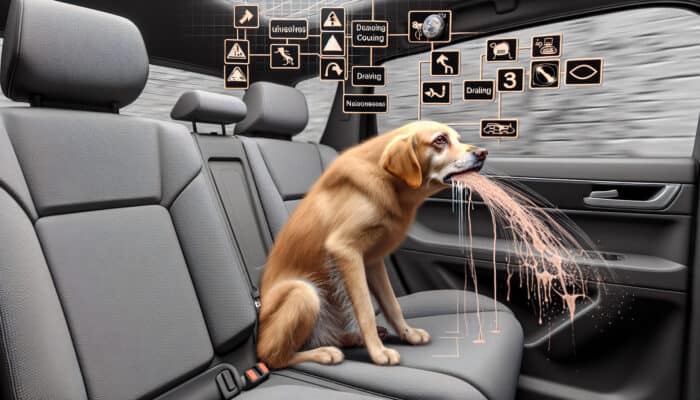
Comprehensively Understanding Motion Sickness in Dogs
What Are the Primary Causes of Motion Sickness in Dogs?

Motion Sickness Remedies for Dogs: Motion sickness in dogs arises from multiple factors that influence their capacity to cope with movement. A significant contributor is the dog's inner ear balance system, which may become overwhelmed by unfamiliar motions, leading to discomfort and distress. Furthermore, anxiety significantly impacts dogs; those who experience stress during car rides or travel often show intensified symptoms. Additionally, unfamiliar environments can provoke feelings of unease, resulting in negative reactions while on the move. Understanding these triggers is vital for pet owners striving to manage their dog's symptoms effectively.
For example, if a dog frequently exhibits anxiety during travel, pinpointing and addressing the source of that anxiety can help alleviate the motion sickness. Creating a serene atmosphere in the vehicle often helps mitigate the severity of their symptoms. Each dog has unique traits, making it essential to identify the specific factors contributing to their motion sickness to develop a personalized, effective treatment strategy.
What Symptoms Indicate Motion Sickness in Dogs?
Recognizing motion sickness in dogs necessitates careful observation of specific symptoms. Common indicators include:
- Drooling
- Whining or barking
- Vomiting
- Restlessness
- Panting
- Yawning
- Inactivity or lethargy
- Difficulty focusing
Early recognition of these symptoms is crucial to providing timely relief for your pet. For instance, if a dog begins to drool excessively, it may signal initial discomfort. Addressing these symptoms promptly, whether by stopping the vehicle or employing remedies, can prevent a more severe reaction, such as vomiting. Owners must remain vigilant and prepared to intervene immediately upon noticing these signs.
How Can You Effectively Diagnose Motion Sickness in Dogs?
Veterinarians typically diagnose motion sickness through a blend of clinical observations and health assessments. Pet owners can initiate the diagnostic process at home by documenting their dog's behavior during and after travel. If symptoms like vomiting or drooling consistently occur exclusively during travel, motion sickness is likely the cause. However, it is essential to consult a veterinarian to rule out other potential health issues.
Here are actionable steps pet owners can take to diagnose motion sickness at home:
- Observe your dog's behavior during travel and note any unusual signs.
- Maintain a travel log detailing symptoms and trip durations.
- Monitor your dog’s reactions to varying travel conditions, such as time of day or route taken.
- Consider recording your dog’s behavior before, during, and after travel for a clearer understanding.
Conducting these preliminary observations can help your veterinarian make a more precise diagnosis, allowing tailored treatment options that cater to your dog's specific needs.
Exploring Natural Remedies for Motion Sickness

How Does Ginger Serve as a Natural Remedy for Dogs?
Ginger is highly regarded for its anti-nausea properties and can offer significant relief to dogs suffering from motion sickness. The active compounds in ginger, including gingerol and shogaol, work by soothing the stomach and reducing inflammation. When taken in small amounts, ginger can help alleviate nausea and improve digestion, making it an excellent natural remedy for travel-related discomfort.
Nonetheless, consulting with a veterinarian before introducing ginger into your dog's diet is essential. While ginger is generally safe for dogs, the appropriate dosage may vary based on the dog's size, weight, and overall health. Typically, a small piece of fresh ginger or a few drops of ginger powder can be mixed into their food a few hours before travel. Monitoring your dog for any adverse reactions is crucial when trying this remedy for the first time.
What Are the Benefits of Chamomile for Dogs with Motion Sickness?
Chamomile is a soothing herb recognized for its calming effects. Offering chamomile to dogs can help diminish anxiety, which may indirectly alleviate the symptoms of motion sickness. By fostering relaxation, chamomile can render travel less stressful for your dog, resulting in a more pleasant experience for both the pet and the owner.
Chamomile can be given in various forms, including teas or supplements. When preparing chamomile tea, ensure it cools down before offering it to your dog. A typical serving might involve mixing a few teaspoons of cooled tea into their water. Alternatively, chamomile supplements are available in capsule form, but consulting your veterinarian to determine an appropriate dosage tailored to your dog's weight and health status is advisable.
How Can Peppermint Oil Assist Dogs with Motion Sickness?

Peppermint oil can also act as an effective remedy for dogs experiencing motion sickness. Its soothing properties help calm the stomach and alleviate feelings of nausea. However, it must be used with caution, as essential oils can be potent and may irritate a dog's skin or respiratory system if applied improperly.
When using peppermint oil, it is crucial to dilute it before application. A few drops mixed with a carrier oil, such as coconut or olive oil, can be applied to your dog's collar or a bandana they can wear during travel. Additionally, diffusing peppermint oil in the car while traveling can create a more pleasant atmosphere for your dog without any direct contact with the oil. Always monitor your dog's reaction and discontinue use if any signs of discomfort arise.
Insights from Experts on Motion Sickness Remedies for Dogs
What Are Some Real-World Examples of Effective Remedies for Dogs?
Numerous veterinarians and dog owners share success stories regarding various remedies for motion sickness. For instance, a Golden Retriever named Max experienced severe anxiety during car trips, resulting in frequent vomiting. After incorporating ginger into his pre-travel routine, his owner noticed a significant reduction in symptoms. Furthermore, Max's owner combined ginger with short practice trips to gradually help him acclimate to the motion.
Here are some successful real-world examples reported by dog owners:
- A Labrador named Bella found relief from anxiety through chamomile tea before travel.
- A Dachshund named Charlie responded positively to the gradual introduction of car travel, significantly reducing his symptoms.
- A Border Collie named Lucy benefited from peppermint oil diffused in the car, which helped her stay calm during extended journeys.
- A Cocker Spaniel named Daisy experienced fewer vomiting incidents after using medication prescribed by a veterinarian.
These anecdotes illustrate that a combination of natural remedies, training, and, when necessary, medications can effectively address motion sickness in dogs. Hearing from fellow pet owners can inspire and provide ideas for new approaches to try.
How Do Experts Advise on Administering Remedies to Dogs?
Experts frequently recommend various methods for administering remedies to dogs to maximize their effectiveness. For natural remedies like ginger or chamomile, blending them into treats or food can make them easier for dogs to consume. For example, mixing ginger powder into a small amount of peanut butter can create a delicious treat that dogs are likely to enjoy. Similarly, chamomile tea can be served in a favorite bowl to encourage hydration and relaxation.
Regarding medications, veterinarians typically recommend administering them as directed, usually 30 to 60 minutes before travel. This timing allows the medication to reach its peak effectiveness during the journey. Some dogs may require specific techniques, such as using a pill pocket or concealing the medication in a treat, to ensure they swallow it without resistance.
Monitoring your dog's response after administering any remedy is essential. Keeping a journal of their behavior can help track what works best and allow for necessary adjustments. Establishing a routine that incorporates these remedies can foster a positive association with travel, reducing the chances of motion sickness over time.
What Are the Long-Term Effects of Using Remedies for Motion Sickness?
The long-term effects of certain remedies can vary in dogs, depending on the type of remedy and the individual dog's health. Natural remedies like ginger and chamomile, when utilized appropriately, are generally safe, but should still be monitored for any signs of adverse reactions over time. Some dogs may develop a heightened tolerance, diminishing the remedy's effectiveness. Regular check-ups with your veterinarian can help determine whether adjustments are necessary based on your dog's health and response to treatment.
Conversely, continuous reliance on medications without proper management can lead to side effects. For instance, overuse of medications like Dramamine may result in drowsiness or gastrointestinal upset. Therefore, maintaining open communication with your veterinarian is crucial to ensure that any long-term remedy remains suitable for your dog's needs and health.
Exploring Medications for Motion Sickness in Dogs
What Are the Common Medications Prescribed by Veterinarians?
Veterinarians frequently prescribe medications to help manage motion sickness in dogs. Some commonly prescribed medications include Cerenia, which specifically targets the brain’s vomiting center, and Dramamine, known for its anti-nausea properties. These medications can provide significant relief for dogs experiencing severe symptoms during travel.
It is vital to consult with a veterinarian before administering any medication, as they can consider your dog's unique health profile and provide guidance on the appropriate dosage. For example, Cerenia is typically given at least one hour before travel to ensure maximum effectiveness, while Dramamine has different dosing instructions based on the dog’s weight. Regular follow-ups can help assess the effectiveness of the chosen medication and make necessary adjustments.
How Do Medications Alleviate Motion Sickness Symptoms in Dogs?
Medications for motion sickness usually function by targeting either the brain's vomiting center or by reducing anxiety and nausea. For example, Cerenia works by blocking signals in the brain that trigger vomiting, thereby providing direct relief from nausea. In contrast, medications like Dramamine lessen the sensitivity of the inner ear, helping stabilize the balance system.
Understanding how these medications work empowers pet owners to make informed decisions about their dogs' treatment plans. Collaborating closely with a veterinarian ensures the medication aligns with your dog's specific needs and positively affects their travel experience. A comprehensive approach that combines medications, behavioral techniques, and natural remedies often yields the best outcomes.
What Side Effects and Precautions Should Be Considered with Medications?
While medications can be effective, it’s crucial to be aware of potential side effects. Common side effects of motion sickness medications may include drowsiness, loss of appetite, dry mouth, and, in rare cases, more severe reactions. Discussing these potential side effects with your veterinarian before starting any medication is essential to ensure that the benefits outweigh the risks.
Monitoring your dog after administering any medication is vital. If you notice any concerning symptoms or adverse reactions, it is important to consult your veterinarian immediately. Furthermore, maintaining an open dialogue with your vet about any changes in behavior or health can help adjust treatment plans over time, ensuring the best outcomes for your dog.
When Should Medications Be Administered for Optimal Results?
Administering medications at the right time can significantly influence their effectiveness. Most veterinarians recommend giving motion sickness medications approximately 30 minutes to 1 hour before travel. This timing allows the medication to reach optimal levels in your dog's bloodstream, helping keep your dog calm and symptom-free throughout the journey.
Establishing a travel routine that incorporates medication can also help your dog acclimate to the process. For instance, giving the medication while your dog is relaxed can create a more positive association with travel. Always adhere to your veterinarian’s specific instructions regarding the timing and dosages of medications to ensure the best outcomes and safest travel experience.
Implementing Behavioral Techniques to Reduce Motion Sickness
How Can Gradual Exposure to Motion Help Dogs?
One effective behavioral technique for reducing motion sickness in dogs is gradual exposure to short car trips. This approach allows dogs to acclimate to motion at a comfortable pace, thereby minimizing anxiety and discomfort. Start by taking your dog on brief rides around the neighborhood, gradually increasing the duration and distance as they become more comfortable.
During these initial trips, maintaining a light and positive mood is essential. Utilizing treats and praise can reinforce a sense of security and calm. For instance, bringing along their favorite toy or blanket can create a familiar environment, helping to ease any worries they may have. It’s vital to pay attention to your dog’s reactions and adjust the exposure level if they exhibit signs of distress or anxiety.
How Can Training Techniques Mitigate Motion Sickness in Dogs?
Training plays a pivotal role in reducing motion sickness. By teaching your dog to associate car rides with positive experiences, you can significantly lessen their anxiety. Reward-based training methods are particularly effective; utilizing treats and praise during car rides helps foster a positive environment. Start by allowing your dog to explore the vehicle while it’s stationary and reward them for calm behavior.
Once your dog is comfortable in a stationary vehicle, start the engine and reward them for remaining calm. Gradually increase exposure to motion by taking short trips and rewarding them with treats and affection. This positive reinforcement can help create a more enjoyable experience and reshape their perception of car rides over time.
What Role Does Comfort and Familiarity Play in Reducing Anxiety in Dogs During Travel?
Creating a comfortable and familiar space in the car can substantially alleviate anxiety. Just as humans benefit from familiarity, dogs experience greater comfort in stressful situations, such as travel. Providing them with their favorite blanket, bed, or toy can help them feel more at home, making the journey less intimidating.
Furthermore, consider the seating arrangement. Placing your dog in a secure area, such as a dog seatbelt or crate, can help prevent them from feeling unstable during the ride. This setup not only increases their comfort but also enhances safety. Maintaining a comfortable temperature in the car and ensuring proper ventilation can create a relaxing atmosphere, further easing your dog’s motion-related distress.
Making Dietary Adjustments to Combat Motion Sickness
What Foods Should Be Avoided Before Travel to Minimize Motion Sickness?
Dietary adjustments can significantly influence the management of motion sickness in dogs. Certain foods may exacerbate symptoms, making it vital to avoid heavy meals or fatty foods before travel. Foods high in fat or overly rich can lead to upset stomachs, increasing the likelihood of nausea during movement.
Instead, focus on providing light meals that are easy to digest. Options like plain rice, boiled chicken, or specially formulated dog food designed to be gentle on the stomach are excellent choices. Adjusting your dog's diet before travel can help stabilize their digestive system and lessen the risk of nausea or vomiting during the trip.
How Should Light Meals and Hydration Be Managed Before Travel?
Feeding your dog a light meal a few hours before travel can help manage motion sickness symptoms. Ideally, the meal should be served 3-4 hours before departure. This timing allows for adequate digestion without leaving your dog feeling overly full or uncomfortable.
In addition to light meals, ensuring proper hydration is crucial. Dogs can become dehydrated during travel, which can exacerbate feelings of nausea. Always have fresh water available in the car, and encourage your dog to drink before and during trips. Providing a stable and easy-to-drink bowl can facilitate this process, enhancing travel comfort.
What Are the Benefits of Special Diets for Dogs with Sensitive Stomachs?
Some dogs may benefit from special diets formulated for sensitive stomachs. These diets are designed to support digestive health and alleviate symptoms of motion sickness. They typically feature easily digestible proteins and low-fat content, minimizing the risk of nausea during travel.
Consulting with your veterinarian regarding a specialized diet can yield tailored recommendations based on your dog's specific needs. Implementing dietary changes, especially before trips, can be a proactive measure to ensure your dog remains comfortable and symptom-free while traveling.
How Important Is the Timing of Meals Before Travel?
Providing your dog with a light meal 3-4 hours before travel can stabilize their stomach and mitigate motion sickness. Avoid feeding your dog right before departure, as this can lead to discomfort and heighten the likelihood of vomiting during the trip.
Planning meals allows you to create a routine that aligns with your travel schedule. For example, if you have a lengthy journey ahead, consider feeding your dog earlier in the day and allowing ample time for digestion before setting off. This careful meal planning can significantly enhance your dog’s comfort while traveling.
Integrating Herbal Remedies and Supplements into Your Dog's Diet
Certain herbs and supplements, including ginger and peppermint, can be incorporated into your dog’s diet to alleviate motion sickness symptoms. Furthermore, some studies suggest that vitamin B6 may help reduce nausea in dogs. Including these herbal remedies in your dog's regular diet can provide a holistic approach to managing motion sickness.
When introducing any new supplements, consult your veterinarian. They can offer guidance on safe dosages and ensure that the chosen remedies align with your dog's overall health. A well-rounded approach to dietary management can help maintain your dog’s digestive health and comfort during travel.
Exploring Research-Backed Benefits of Motion Sickness Remedies for Dogs
What Expert Analysis Exists on the Effectiveness of Remedies?
Research indicates that several remedies can significantly reduce motion sickness symptoms in dogs. For instance, studies have demonstrated that ginger and chamomile effectively alleviate nausea and promote relaxation. Analyzing these findings empowers pet owners to make informed choices regarding remedy selection. The effectiveness of ginger, in particular, has been well-documented in both canine and human populations, establishing it as a preferred natural remedy.
Understanding the scientific background behind these remedies equips dog owners with the knowledge necessary to choose the best options for their pets. Combining these remedies with behavioral techniques and dietary modifications can create a comprehensive plan that effectively addresses motion sickness. The objective is to foster a synergistic effect that enhances the overall travel experience for dogs and their owners.
How Are Studies Conducted to Measure Motion Sickness in Dogs?
Studies measuring motion sickness in dogs typically employ a combination of observational data and physiological measurements. Researchers may observe behavioral symptoms such as drooling or vomiting under controlled travel conditions. Additionally, physiological metrics, including heart rate or cortisol levels, can provide insights into the dog's stress response during travel.
By grasping how these studies are conducted, pet owners can better appreciate the scientific basis for various remedies. This knowledge can inform their approach to managing their dog's motion sickness, enabling them to select the most effective strategies based on empirical evidence.
What Are the Most Promising Remedies Identified by Research?
Recent studies highlight several promising remedies for motion sickness in dogs. Ginger, known for its anti-nausea properties, has consistently been shown to provide relief. Chamomile and specific medications like Cerenia have also demonstrated efficacy in alleviating symptoms. Staying informed about the latest research empowers pet owners to make informed decisions about their dog’s care.
Pet owners are encouraged to discuss these findings with their veterinarians to ensure they are utilizing the most effective remedies. By combining evidence-based practices with personalized care, owners can enhance their dog's travel experiences and overall well-being.
Implementing Preventive Measures for Motion Sickness
What Strategies Are Effective for Pre-Trip Planning and Preparation?
Effective pre-trip planning and preparation can significantly reduce the risk of motion sickness in dogs. Ensuring your dog is calm and comfortable before travel is essential for reducing anxiety and the likelihood of symptoms. Consider scheduling trips during times when your dog is naturally more relaxed, such as after exercise or during quiet moments at home.
Additionally, familiarizing your dog with the vehicle before travel can help ease their nerves. Allowing them to explore the interior and associating it with positive experiences can establish a favorable tone for the journey. Preparing a cozy spot with familiar items can enhance your dog's comfort, making the trip more enjoyable.
What Best Practices Should Be Followed for Car Travel with Dogs?
Best practices for car travel with dogs include ensuring they are securely restrained, maintaining proper ventilation, and keeping the car at a comfortable temperature. Using a dog seat belt, harness, or crate can enhance safety while preventing excessive movement that may contribute to motion sickness. Additionally, providing good ventilation and a comfortable environment in the vehicle can help minimize anxiety and discomfort.
Regular breaks during long journeys are advisable as well. Stopping every couple of hours allows your dog to stretch their legs, hydrate, and relieve themselves, helping reduce discomfort buildup during travel. Implementing these best practices can significantly improve your dog's travel experience.
How Important Is Routine and Familiarity in Travel for Dogs?
Maintaining a routine and familiarizing your dog with travel are other effective preventive measures against motion sickness. Regular short trips can help build tolerance and reduce anxiety over time. As your dog becomes accustomed to travel, they are likely to feel more comfortable and confident on longer journeys.
Incorporating a consistent routine, such as specific travel times or familiar routes, can further enhance your dog’s sense of security. Associating travel with positive experiences, such as enjoyable outings or playtime at the destination, reinforces a positive attitude towards travel. Consistency is crucial in helping your dog adapt to travel and minimizing the likelihood of motion sickness.
Monitoring and Adjusting Remedies for Motion Sickness
How Can You Effectively Monitor Your Dog's Response to Remedies?
Monitoring your dog's response to various remedies is vital for identifying the most effective solution for motion sickness. Keeping a detailed account of your dog's behavior can help uncover patterns and trends in their symptoms. Record any observations, such as the timing of symptoms, the effectiveness of remedies, and any changes in behavior or health.
This information can guide adjustments in treatment plans as needed. For example, if a specific remedy initially alleviates symptoms but becomes less effective over time, it may be necessary to explore alternative options or consult a veterinarian for further evaluation. A diligent approach to monitoring can significantly enhance your dog's travel experiences.
How Should Remedies Be Adjusted Based on Your Dog's Health?
As your dog's health evolves, you may need to adjust the remedies being used. Ongoing communication with your veterinarian is essential to ensure that the chosen remedies remain safe and effective. If your dog experiences any changes in health status, such as weight fluctuations or new medical conditions, it’s crucial to re-evaluate the remedies in place.
Additionally, dogs may develop a tolerance to certain remedies over time, which may require adjustments in dosage or the introduction of new remedies. Regular check-ups can help catch these changes early and provide an opportunity to modify treatment plans accordingly. Adapting remedies to your dog’s health needs is key to successfully managing motion sickness in the long term.
What Does Long-Term Management of Motion Sickness Entail?
Successfully managing motion sickness over the long term involves continuous adjustments and monitoring. Establishing a comprehensive plan that incorporates behavioral techniques, dietary modifications, and appropriate remedies is essential. Regular veterinary check-ups allow for the fine-tuning of this plan based on your dog's evolving needs.
Additionally, maintaining a travel journal can help you track your dog’s progress and responses to various treatments. Noting improvements or setbacks can help identify successful strategies and areas that may require further attention. With consistent care and attention, managing motion sickness can become a well-coordinated effort, ensuring that your dog remains comfortable and happy during travel.
Frequently Asked Questions About Motion Sickness in Dogs
What Are the Common Symptoms of Motion Sickness in Dogs?
Common symptoms include drooling, whining, vomiting, restlessness, panting, and lethargy. Early recognition of these signs is crucial for effectively managing your dog's discomfort.
Can Ginger Be Safely Given to Dogs for Motion Sickness?
Yes, ginger can be safely given to dogs in small amounts. Consult your veterinarian for the appropriate dosage based on your dog's size and health.
How Can I Prepare My Dog for a Long Car Trip?
Prepare your dog by gradually exposing them to car rides, ensuring they are comfortable with familiar items, and avoiding feeding them right before the trip.
What Medications Do Vets Commonly Prescribe for Motion Sickness?
Common medications include Cerenia and Dramamine. These should only be used under a veterinarian's guidance to ensure safety and effectiveness.
How Can I Help My Dog Feel More Comfortable in the Car?
Ensure your dog has a comfortable space with familiar items, use a secure restraint system, and maintain proper ventilation in the vehicle.
Are There Any Dietary Changes I Should Make to Help with Motion Sickness?
Avoid heavy, fatty meals before travel and provide light meals 3-4 hours before the trip. Ensure hydration is maintained throughout the journey.
What Are Some Effective Behavioral Techniques for Managing Motion Sickness?
Gradual exposure to motion, positive reinforcement training, and creating a comfortable environment in the car are effective behavioral techniques to reduce motion sickness.
How Can I Monitor My Dog's Response to Motion Sickness Remedies?
Keep a detailed log of your dog's behavior and symptoms during and after travel, noting any changes that occur with different remedies.
What Should I Do If My Dog's Motion Sickness Symptoms Worsen?
If symptoms worsen, consult your veterinarian immediately. They can provide guidance on adjusting remedies or exploring alternative options.
Can Long-Term Use of Motion Sickness Remedies Affect My Dog's Health?
Long-term use can have varying effects. Regular check-ups with your veterinarian are essential to ensure remedies remain effective and safe for your dog's health.
Connect with us on Facebook!

Hiking Gear for Adventurous Pets: Top Essentials
Key Gear Essentials for Memorable Pet Hiking Adventures What are the Best Backpacks for Your Pet’s Hiking Needs? Hiking Gear

Senior Cat Nutritional Needs: Vital Diet Tips
Comprehensive Guide to Senior Cat Nutritional Needs What Dietary Adjustments Should Be Made for Aging Cats? Senior Cat Nutritional Needs:

Neutering Makes Dogs Lazy: Debunking the Common Myth
Comprehensive Overview of Neutering for Dog Owners What is Neutering and How Does It Impact Dogs’ Behavior? Neutering Makes Dogs
I appreciate how you’ve highlighted the importance of spaying as both a health measure and a responsibility for pet owners. My own experience with this was eye-opening. When I adopted my dog, I was initially hesitant about the spaying process, thinking of it purely in terms of her temporarily losing some autonomy. However, after speaking with my veterinarian and considering the health benefits, it became clear that spaying was essential not just for my dog’s well-being but also for addressing the larger issue of pet overpopulation.
Your experience brings up a crucial point in the conversation about spaying. It’s understandable to have concerns about the procedure and its implications for your dog’s individual autonomy. Many pet owners share similar hesitations. However, once we look deeper into the health benefits, it’s easier to recognize the broader perspective.
Your experience really resonates with the journey many pet owners go through. It’s understandable to feel a bit hesitant about spaying at first, especially when it seems to take away some autonomy. But as you discovered, having those conversations with your vet can shed light on why spaying is such a vital step for our pets.
You hit the nail on the head with that hesitation. I remember my own mini crisis about whether to spay my dog, which felt a lot like signing away her rights with a side of “Is this really necessary?” It’s like being told you can’t take the last piece of pizza at a party because, well, now you’re on a diet—you just don’t know if you’re ready for that kind of commitment.
Absolutely! If you’re curious about the benefits of spaying or have questions, check out this helpful resource that can guide you through the process.
http://elgatoencasa.com/vet
It’s great to hear about your experience with spaying and how it shifted your perspective. I think many pet owners start off feeling hesitant about it, often focusing on the autonomy aspect without fully grasping the bigger picture. It’s really insightful that you mentioned the health benefits—spaying can prevent certain cancers and other health issues down the line, which is something I think is sometimes overlooked in the discussion.
You’ve nailed a key part of the conversation about spaying that often gets overlooked. The hesitation many pet owners feel is completely understandable; we want to do what’s best for our pets, and the thought of altering their bodies can feel invasive. But what I’ve learned is that viewing spaying through the lens of long-term health benefits really shifts that perspective. It’s eye-opening to realize that those early worries can be outweighed by the potential for a longer, healthier life for our furry friends.
“I’m glad you found my experience relatable! If you’re interested in learning more about the health benefits of spaying, check out this informative resource that dives deeper into the topic.”
https://elgatoencasa.com/vet
You hit the nail on the head with that hesitation many of us feel at the start. It’s like prepping for a big presentation at work: you know it needs to happen, but you’re suddenly convinced your dog’s freedom hinges on your every decision. And then, the light bulb goes off, and you realize you’re really doing them a solid by spaying.
Absolutely, the health benefits are often underestimated! If you’re interested in learning more about spaying and its advantages, check out this informative resource for pet owners.
http://elgatoencasa.com/vet
I appreciate how you’ve highlighted the importance of spaying not just for pet health but for the wider community too. After adopting my dog last year, I learned firsthand how crucial it is to be responsible about pet ownership. It’s heartbreaking to see so many animals in shelters, which could be mitigated through increased awareness about spaying.
This guide on spaying really hit home for me! It’s like the ultimate pet parenting power move, isn’t it? I remember my little lady, Bella, strutting around the house like she owned the place before her spay. After the procedure, it was like a switch flipped. The crazy kitty energy dialed down—no more impromptu serenades at 2 a.m. followed by the pièce de résistance: an accidental pregnancy.
I appreciate the clear breakdown of spaying—it’s such an important topic! I still remember the day my cat, Whiskers, returned from the vet. The look on his face was priceless, like he just got a membership to a ‘no more kittens’ club! Not only did spaying save him from potential health issues, but it also made my living room a much quieter place.