


Crate Setup for Puppy Comfort: Tips for a Cozy Space
Essential Steps for Assembling Your Puppy’s Crate Accurate Measurements for Your Puppy’s Size To guarantee that your puppy’s crate is both comfortable and secure, precise
Table of Contents
Toggle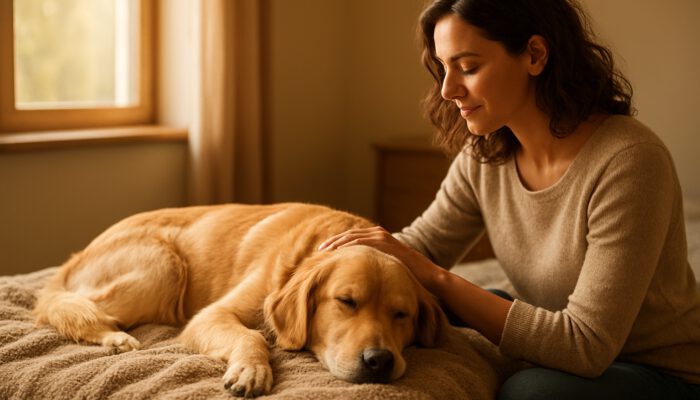
Before embarking on any massage routine, it is crucial to evaluate your pet's physical condition. This assessment will help prevent strain and ensure your pet's comfort during the massage. Observe their movements and behaviors closely, taking note of any signs of discomfort or stiffness. This initial evaluation creates a solid foundation for a personalized massage experience.
Establishing a tranquil environment is vital. Ensure that your pet feels safe and relaxed, as stress can significantly diminish the effectiveness of the massage. Take into account noise levels, room temperature, and the presence of other animals. A cozy setting enhances the overall experience, making your pet more open to the massage techniques you will employ.
Proper hand positioning is essential for effectively targeting specific areas during massage. Start with gentle strokes to help your pet adjust to your touch. Use your palms and fingers to apply varying degrees of pressure, focusing particularly on the joints and adjacent muscles. This method encourages relaxation and fosters your pet's enjoyment of the massage.
It is equally important to maintain relaxation throughout each session. Position your hands in a manner that feels natural for both you and your pet. Avoid awkward angles that may cause discomfort. A relaxed handler contributes to a calming atmosphere, making it easier for your pet to reap the benefits of the massage.
Assessing your pet's daily activity levels allows you to tailor massage sessions accordingly. Take into account your pet's age, breed, and any existing health issues. For instance, older pets or those suffering from arthritis may need gentler techniques, while younger, more active pets may thrive with a more vigorous approach.
Consistency is essential for promoting improved mobility over time. Schedule regular massage sessions while adjusting techniques based on your pet's feedback. This ongoing assessment ensures that you meet their changing needs and effectively support their joint health.

Learning from seasoned professionals provides valuable insights into adapting massage methods to meet individual pet needs. For example, a veterinarian specializing in animal rehabilitation may share success stories about how specific techniques have assisted pets in recovering from injuries or surgeries. These real-world cases emphasize the importance of customization in each massage session.
Observing how pets respond during these sessions can also inform your future techniques. Some pets may favor lighter strokes, while others might react positively to deeper pressure. By being attentive to these preferences, owners can fine-tune their approach to better suit their pets.
Vigilant observation of your pet's body language is crucial for ensuring positive outcomes during massage. Signs of relaxation, such as leaning into your touch or closing their eyes, indicate that your pet is comfortable. Conversely, if your pet tenses up or tries to move away, it may signal discomfort, warranting an immediate adjustment in technique or pressure.
Adjusting your approach based on these indicators helps maintain a positive experience. Regularly check in with your pet's reactions, noting any changes in behavior or comfort levels. This proactive monitoring builds trust, allowing for more effective and enjoyable massage sessions.
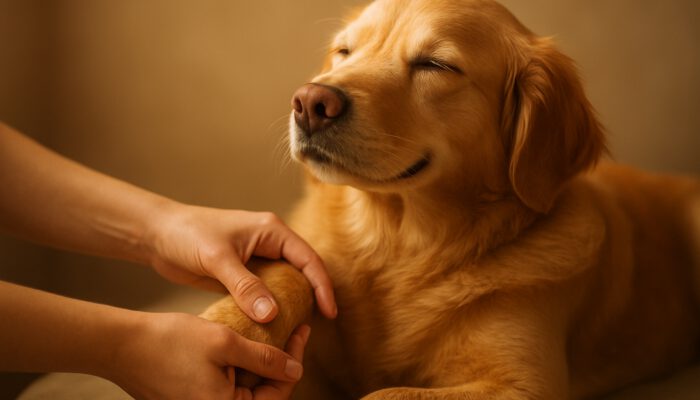
Adjusting the intensity of your strokes based on feedback leads to enhanced joint flexibility and overall well-being. Experts suggest starting with gentle pressure and gradually increasing it as your pet becomes more comfortable. Each pet has unique sensitivity levels, making it essential to tailor the pressure to their individual needs for effective treatment.
Finding the right balance between therapeutic pressure and comfort is crucial. Excessive force can cause discomfort or injury, while inadequate pressure may not yield the desired benefits. Maintaining regular communication with your pet during the massage allows you to gauge the appropriate pressure level for optimal results.
Consistent joint massages can improve mobility and alleviate pain in pets affected by arthritis or injuries. Experts highlight that regular application of massage techniques promotes better circulation and muscle relaxation. This not only aids in recovery but also contributes to an enhanced quality of life for your pet.
The cumulative benefits of ongoing sessions extend beyond immediate relief. Over time, pets may experience improved joint function, increased flexibility, and a greater willingness to engage in physical activities. These positive outcomes emphasize the importance of integrating massage into your pet care routine.
Many pet owners harbor misunderstandings about massage techniques, often applying excessive force or neglecting specific areas. Professional insights clarify the proper methods to avoid harm and maximize therapeutic effects. For instance, focusing on major joints while being gentle around sensitive areas can help prevent discomfort.
Education is crucial in dispelling these misconceptions. By learning about their pets' anatomy and understanding appropriate techniques, owners can create a safe and effective massage environment. This knowledge empowers them to provide better care and support for their pets' joint health.
Regular joint massage stimulates blood circulation, promoting nutrient delivery to tissues. This improved blood flow helps reduce stiffness after activity, allowing pets to move more freely. Enhanced circulation also aids in flushing out toxins, contributing to overall joint health.
Increased blood flow can further promote healing in injured or sore areas. As circulation improves, oxygen and vital nutrients reach affected tissues more efficiently. This process can lead to quicker recovery times and enhanced mobility, making massage an integral part of a pet's wellness routine.
Gentle movements during massage help release tension built up from daily activities. This relaxation process results in greater ease of motion and comfort for your pet. By concentrating on specific muscle groups, you can alleviate tightness and foster a sense of calm.
Encouraging muscle relaxation not only benefits joint health but also enhances overall well-being. Pets that receive regular massages often exhibit lower stress levels and improved moods. This holistic approach to pet care underscores the interconnection between physical and emotional health.
Targeted massage techniques can significantly alleviate signs of discomfort, allowing pets to engage more freely in their daily routines. By addressing specific areas of tension or pain, massage can enhance your pet's quality of life. This reduction in discomfort can lead to increased activity levels and a more vibrant lifestyle.
Pets that enjoy regular massages frequently exhibit improved behavior and engagement with their surroundings. The relief from discomfort encourages them to participate in play and exercise, which are crucial for maintaining a healthy weight and overall well-being. A happier, more active pet is a fulfilling outcome of consistent massage therapy.
Different life stages necessitate varied approaches to support joint health without causing unnecessary stress. Young, active pets may benefit from more vigorous techniques that promote flexibility and strength. Conversely, older pets often require gentler methods to prevent exacerbation of existing conditions.
Recognizing the unique needs of your pet at various ages is essential for effective massage. Customizing your techniques according to their developmental stage ensures that you provide the right support for their joint health. This thoughtful approach can significantly enhance their comfort and mobility.
Determining the complexity of your pet's needs can help you decide when to seek guidance from specialists for enhanced safety and effectiveness. For pets with pre-existing conditions or those recovering from surgery, consulting a certified animal massage therapist can offer invaluable insights and tailored techniques.
Professional guidance can also reassure pet owners. Knowing that you have expert support can boost your confidence in performing massage at home. This collaboration ensures that your pet receives optimal care while allowing you to actively participate in their recovery and well-being.
Understanding the advantages of massage techniques builds confidence in performing sessions that align with your pet's physical needs. Key benefits include:
Recognizing these benefits can motivate pet owners to incorporate massage into their routines, leading to healthier and happier pets.
Understanding the unique personality and stress responses of each animal allows for the selection of techniques that foster relaxation and cooperation. Some pets may be more sensitive to touch or require extra time to acclimate to massage. Adapting your approach based on their temperament enhances the effectiveness of each session.
Observing your pet's behavior during massage is critical for achieving successful outcomes. For instance, a more anxious pet may benefit from slower, gentler movements, while a more relaxed animal might respond well to firmer pressure. Tailoring your techniques to fit their personality can create a positive experience and encourage their willingness to engage in future sessions.
This method involves making small circular movements around joints to encourage flexibility and ease movement patterns gradually. Circular motions stimulate the surrounding muscles and joints, promoting increased blood flow and range of motion. This technique is particularly beneficial for pets recovering from injuries or those with arthritis.
Incorporating circular motions into your massage routine can also help create a rhythm that pets find comforting. The repetitive nature of these movements can have a soothing effect, helping your pet to relax more fully during the session. This contributes to a more effective massage experience overall.
Prioritizing major joints such as elbows and knees maximizes the impact of your massage while avoiding sensitive zones that may provoke negative reactions. Concentrating on these critical areas allows for targeted relief and improved mobility. paying attention to the hips and shoulders can enhance overall joint function, especially in active or aging pets.
Avoiding sensitive areas, such as the spine or belly, is crucial to prevent discomfort. Each pet has unique sensitivities; therefore, it is essential to observe their reactions during the massage. This mindful approach ensures effective treatment while prioritizing your pet's comfort and well-being.
Long, flowing strokes along your pet's limbs promote relaxation and prepare the body for more focused work on problem areas. This technique helps establish a calming atmosphere, encouraging your pet to settle into the massage. Beginning with gentle strokes allows pets to acclimate to your touch before transitioning to more targeted techniques.
Incorporating varied stroke techniques can elevate the overall effectiveness of your massage. Combining long strokes with targeted pressure on specific joints creates a balanced approach that addresses both relaxation and therapeutic benefits. This versatility helps ensure that each session meets your pet’s unique needs.
Research supports the inclusion of short massage sessions into your routine to achieve measurable improvements in mobility and comfort. Aim for 5-15 minute sessions several times a week, gradually increasing the duration as your pet becomes more accustomed to the process. Consistency is imperative for long-term benefits.
Establishing a routine can help reinforce positive associations with massage. Consider incorporating it into your pet's daily activities, such as after walks or play sessions. This integration not only enhances their physical well-being but also strengthens the bond between you and your pet.
Studies indicate that sustained massage practice contributes to improved joint function and slows the progression of age-related issues. Regular massage can help maintain joint health, delaying the onset of conditions like arthritis. This proactive approach can significantly improve your pet's quality of life as they age.
Tracking your pet's progress over time can provide valuable insights into the effectiveness of your massage routine. Observing improvements in mobility, flexibility, and overall comfort can motivate you to continue these practices. This long-term commitment to joint health is vital for ensuring your pet remains active and vibrant.
Data from observational studies demonstrates how consistent massage techniques result in noticeable enhancements in pet activity levels. For example, research involving dogs with arthritis showed that regular massage sessions led to improved mobility and decreased pain levels. These findings highlight the practical benefits of incorporating massage into pet care.
Real-world success stories serve as powerful motivators for pet owners. Hearing accounts from others who have witnessed significant improvements in their pets can inspire confidence in the effectiveness of massage techniques. This shared knowledge fosters a supportive community and encourages more pet owners to consider massage as a valuable option for joint health.
Multiple clinical studies indicate that regular joint massage in pets leads to decreased indicators of pain. Participants in these studies exhibited lower cortisol responses and increased activity following treatment sessions compared to control groups without intervention. This evidence underscores the physiological benefits of massage for pain management in pets.
Understanding the impact of massage on pain reduction empowers pet owners to seek these therapies proactively. By recognizing signs of discomfort in their pets, owners can take steps to incorporate massage into their care routines, ultimately improving their pets' quality of life.
Veterinary research shows that consistent application of massage techniques enhances blood flow to affected areas while strengthening surrounding muscles. This increased circulation supports overall joint stability and helps prevent further degenerative changes in companion animals.
Improved muscle tone is crucial for maintaining joint health. Stronger muscles provide better support for joints, reducing the risk of injury and promoting overall mobility. Regular massage can play a significant role in achieving these outcomes, making it an essential practice for pet owners committed to their pets' well-being.
Recognizing when to stop is critical for preventing potential issues and ensuring a positive experience for both pet and handler. Signs such as sudden movements, vocalizations, or attempts to escape indicate that your pet may be uncomfortable. Being aware of these signals is vital for a safe and effective massage experience.
Adjusting your techniques in response to these warning signals is essential. If your pet appears distressed, take a step back and reassess your approach. This responsiveness fosters trust and encourages your pet to relax, ultimately leading to a more beneficial massage session.
Creating a quiet space with non-slip surfaces increases stability and minimizes distractions during the massage. A calm environment helps your pet feel secure and allows them to focus on the massage experience. Consider using soft bedding or blankets to create a comfortable area for your pet.
Minimizing external distractions is equally important. Turn off loud noises, such as televisions or radios, and choose a time when your pet is less likely to be disturbed. This thoughtful setup enhances the overall experience, making it easier for your pet to relax and enjoy the benefits of the massage.
Adhering to these guidelines reduces risks associated with improper handling or overexertion:
Implementing these safety precautions helps create a positive and effective massage experience for both you and your pet.
Creating a routine facilitates the seamless integration of massage techniques into daily life, providing ongoing support for joint function. Consistency is crucial for maximizing the benefits of massage therapy. Consider dedicating specific times each week for massage sessions, ensuring that it becomes a regular aspect of your pet care routine.
Flexibility is also essential; life can be unpredictable, so be ready to adjust your schedule as necessary. The goal is to maintain a regular practice that fits into your lifestyle while prioritizing your pet's joint health. This commitment can lead to long-lasting improvements in their mobility and overall comfort.
Documenting changes in your pet allows for adjustments that keep the approach effective and engaging. Keeping a journal to record your pet's responses to massage can provide valuable insights into their progress. Note details such as activity levels, mobility improvements, and any changes in behavior.
Regularly reviewing this information helps identify patterns and make necessary adjustments to your techniques. This proactive approach ensures that your massage sessions continue to meet your pet's evolving needs, enhancing their overall well-being and joint health.
Periodically reviewing results ensures that your techniques remain effective without unnecessary modifications. Consider scheduling regular check-ins with your veterinarian to discuss your pet's progress and any concerns. This collaboration can provide additional insights and recommendations tailored to your pet's specific situation.
Engaging with a community of pet owners can also be beneficial. Sharing experiences and learning from others can provide fresh ideas and techniques to incorporate into your massage routine. This ongoing exchange of knowledge fosters a supportive environment for both you and your pet.
Joint massage can enhance mobility, alleviate pain, improve circulation, and promote muscle relaxation. Regular sessions significantly improve the quality of life for pets experiencing joint issues or injuries.
It is advisable to massage your pet 2-3 times a week for optimal benefits. Each session can last between 5 to 15 minutes, depending on your pet's comfort and needs.
Most pets can benefit from joint massage, but it is particularly helpful for older animals or those recovering from injuries. Always consult with a veterinarian before starting a massage routine for pets with specific health concerns.
Dogs often respond well to circular motions around joints, long flowing strokes along limbs, and gentle kneading. It is essential to tailor the techniques to the dog's specific needs and comfort level.
Yes, massage can be safe and beneficial for pets with arthritis. it is crucial to use gentle techniques and consult a veterinarian to ensure the approach is suitable for your pet's condition.
Signs that your pet is enjoying the massage include relaxed body language, leaning into your touch, and closing their eyes. If they seem tense or try to move away, adjust your technique or pressure accordingly.
While basic massage techniques can be learned at home, specialized training can enhance your skills and ensure safety. Consider attending workshops or consulting professionals for guidance.
Yes, massage can help reduce anxiety in pets. The soothing touch and focused attention can promote relaxation, making it an effective tool for managing stress and anxiety.
Avoid applying excessive pressure, massaging sensitive areas, or forcing your pet to remain still. Always pay attention to your pet's comfort and body language throughout the session.
Prepare your pet by creating a calm environment, ensuring they are comfortable, and using gentle, reassuring touches. Start slowly to help them acclimate to the process, making it a positive experience for both of you.
Tags
Essential Steps for Assembling Your Puppy’s Crate Accurate Measurements for Your Puppy’s Size To guarantee that your puppy’s crate is both comfortable and secure, precise

Understanding the Features of Temperature-Controlled Pet Beds Key Components of Temperature-Controlled Beds The essential elements that enable temperature-controlled beds for pets to maintain comfortable temperatures
Navigate Seasonal Flea Challenges for Your Pets How to Spot the Early Signs of Flea Infestation Early detection of flea activity is essential for pet
By subscribing to our newsletter you agree to our Terms and Conditions and Privacy Policy
What a fascinating breakdown of tail wagging! I’ve always been intrigued by how much communication dogs can convey through such simple gestures. I’ve noticed that my own dog has a unique “wag” for different situations. For instance, when we play fetch, his tail wags in a wide arc, showing pure joy, but there’s a distinct difference in his stance when he’s meeting a new dog—his tail is lower and more hesitant.
This is such an intriguing exploration of the nuances behind dog tail wags. I’ve found that understanding the way our dogs communicate can significantly enhance the bond we share with them. For example, I’ve noticed that my dog, Oliver, has a unique way of wagging his tail when he meets new people compared to when he greets family members. With strangers, the wag tends to be lower and more cautious, which seems to echo some of the sentiments you’ve shared about stress or fear. However, when it’s family, his tail is high and the wag is super energetic, truly reflecting his joy.