


Crate Setup for Puppy Comfort: Tips for a Cozy Space
Essential Steps for Assembling Your Puppy’s Crate Accurate Measurements for Your Puppy’s Size To guarantee that your puppy’s crate is both comfortable and secure, precise

Table of Contents
Toggle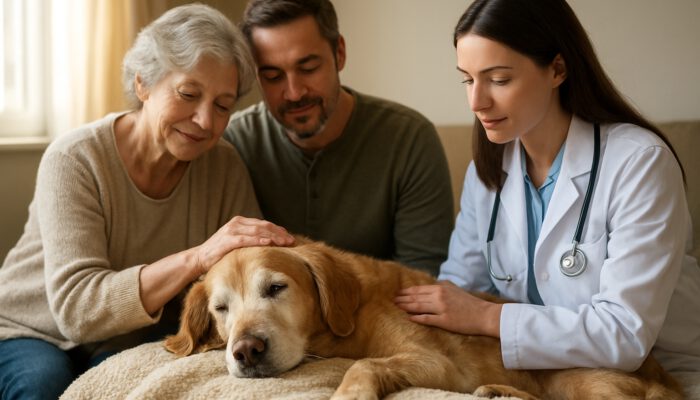
Hospice care for pets facing terminal illnesses aims to improve their quality of life through customized medical support. This compassionate approach prioritizes pain relief and maintains the pet's dignity, ensuring minimal discomfort during their final days. Families receive guidance through both emotional and physical challenges, creating a supportive atmosphere for the pet and caregivers alike.
The core of hospice care lies in establishing an environment that acknowledges and respects the pet's needs and preferences. By developing tailored care plans, caregivers can address specific symptoms and desires, maximizing comfort in each day. This comprehensive approach encompasses not only medical treatment but also the emotional bonds that families share with their cherished pets.
Caregivers play a pivotal role in noticing subtle changes in their pet's behavior, appetite, and mobility. By recognizing these indicators, they can promptly adapt care plans to ensure maximum comfort. Regular monitoring enables quick interventions, which can greatly improve the quality of life for pets during their hospice journey.
Incorporating daily evaluations and check-ins into the routine helps caregivers detect when a pet is in distress or uncomfortable. This proactive method ensures that modifications to pain management or comfort measures are implemented swiftly, allowing pets to make the most of their remaining time with minimal stress.
Family participation is crucial in daily hospice routines, fostering strong connections and informed decision-making. Involving all household members in the care process encourages shared responsibility and emotional support, benefitting both the pet and caregivers. This collaborative approach can greatly improve the overall experience during this difficult time.
Engaging children and other family members in simple tasks, such as feeding or gentle interactions, fosters meaningful moments and aids in emotional processing. Open conversations about the pet's condition and care strategies empower families to make informed choices that honor their pet's dignity and comfort.
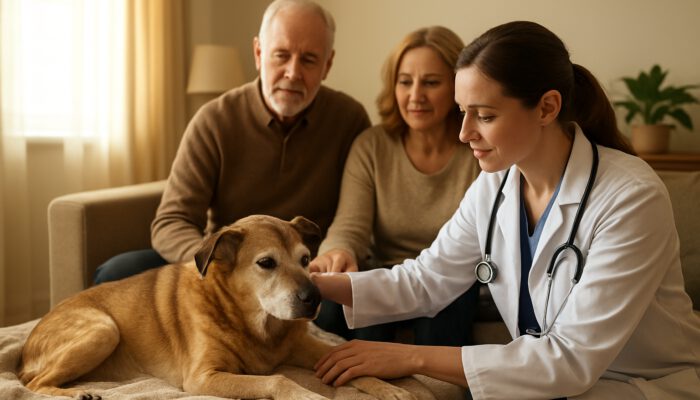
Conducting regular quality of life assessments is vital for gauging a pet's well-being. Utilizing standardized scales, caregivers and veterinarians can evaluate various health aspects, including pain levels, mobility, and emotional state. These assessments inform necessary adjustments to care plans, ensuring that comfort and happiness remain a priority.
Veterinary professionals often recommend specific tools or scales for accurately tracking changes. By consistently evaluating the pet's quality of life, families can make timely decisions that align with their values and the pet's needs, ultimately enriching the hospice experience.
Maintaining adequate nutrition and hydration is essential during hospice care to prevent unnecessary suffering and support essential bodily functions. Caregivers should explore various feeding methods, such as offering enticing flavors or softer textures, to stimulate appetite and ensure pets receive sufficient nutrients.
Providing hydration through different methods, like ice chips or flavored broths, can help keep pets adequately hydrated. This focus on nutrition and hydration not only supports physical health but also contributes to a more peaceful transition, allowing pets to feel more cared for and comfortable in their final days.
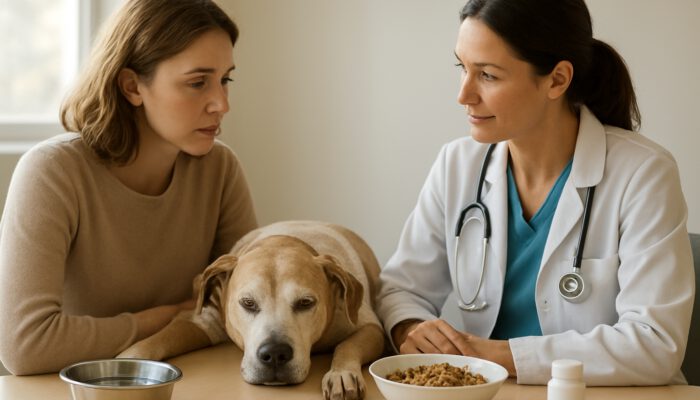
Veterinary specialists stress the importance of combining nutrition, hydration, and medication tailored to each pet's unique requirements. For example, a dog undergoing cancer treatment may thrive on a high-protein diet to maintain strength. Regular evaluations enable adjustments based on the pet's response, ensuring ongoing comfort and contentment.
Effective symptom control also hinges on open communication with veterinary teams. By sharing observations and concerns, caregivers can collaborate efficiently with professionals to refine care plans. This partnership enhances the pet's quality of life and provides families with peace of mind during this challenging journey.
Safely adjusting medication dosages is a crucial aspect of hospice care. Veterinary experts advise closely monitoring pets for side effects and modifying medications to optimize comfort levels. For instance, pain relief medications may need dosage changes based on the pet's evolving condition, requiring caregivers to remain observant of any shifts in behavior or comfort.
Practical steps include keeping a detailed log of medication administration and any observed effects. This documentation assists veterinarians in making informed decisions about adjustments, ensuring that pets receive the best possible care while avoiding complications during their hospice journey.
Incorporating holistic therapies can substantially improve the overall well-being of terminally ill pets. Techniques such as massage, acupuncture, and aromatherapy have shown effectiveness in alleviating discomfort and promoting relaxation. These complementary approaches can be customized to individual pets, allowing caregivers to explore options that cater to their preferences and needs.
Veterinary professionals recommend that caregivers consult with trained experts in holistic therapies to ensure safe and effective integration into the care plan. This collaboration provides additional support for pets, enhancing their quality of life and fostering a more peaceful environment during their final days.
Veterinary experts advocate for various methods to regularly evaluate a pet's quality of life. Tools like the HHHHHMM scale, which assesses pain, hunger, hydration, and mobility, can provide a comprehensive overview of a pet's well-being. These assessments facilitate timely decisions that respect the pet's dignity and align with family values throughout the hospice journey.
Consistent discussions with veterinary professionals about observations and assessments can lead to proactive adjustments in care plans. This ongoing communication ensures that families remain informed and empowered to make decisions that prioritize their pet's comfort and happiness during this sensitive time.
Accurate pain assessment is vital in hospice care for pets. Regular evaluations using behavioral indicators, such as changes in activity levels or vocalizations, help caregivers identify sources of discomfort. Monitoring vital signs, such as heart rate and breathing patterns, also provides valuable insights into a pet's pain levels.
Effective pain management strategies depend on this continuous assessment. By detecting subtle changes, caregivers can implement targeted interventions quickly, ensuring pets receive the relief they need. This proactive approach maintains a higher quality of life during the hospice journey, allowing pets to feel more comfortable and secure.
Selecting the appropriate medication delivery method is crucial for ensuring consistent pain relief. Options include oral, topical, and injectable forms, each offering distinct advantages based on the pet's condition. For example, oral medications may be suitable for pets that can easily swallow, while injections can provide rapid relief for acute pain episodes.
Caregivers should collaborate with veterinarians to determine the most effective delivery method. Regularly reviewing the pet's response to treatment allows for adjustments in administration routes, ensuring that pain management remains effective throughout the day and night cycles.
Ongoing evaluations of treatment efficacy are essential in hospice care. Caregivers should continually assess whether the current pain management protocols are appropriate or if modifications are necessary. This process involves observing the pet's behavior and comfort levels, as well as discussing any concerns with veterinary professionals.
Maintaining open communication allows caregivers to ensure that pain management strategies are tailored to the pet's changing needs. This proactive approach helps prevent breakthrough pain episodes and supports an overall higher quality of life during the hospice journey.
Providing nutritional and hydration support is critical during hospice care. Ensuring that pets maintain caloric intake through appetizing options helps sustain their strength and immune function. This emphasis on nutrition can significantly affect their overall well-being during this challenging time.
Offering a variety of food textures and flavors can stimulate appetite and encourage pets to eat. ensuring water is readily available and providing attractive alternatives, such as broths, can help maintain hydration levels, further contributing to a more peaceful transition.
Creating a comfortable environment is essential for pets facing terminal conditions. Adjustments, such as quiet, restful spaces with easy access to necessities, can significantly reduce stress and encourage relaxation. Providing a cozy bed and soft blankets enhances their comfort during this sensitive time.
Minimizing loud noises and disruptions fosters a calming atmosphere. Focusing on environmental modifications allows pets to feel more secure and at ease, ultimately enhancing their overall quality of life throughout the hospice journey.
Timely adjustments to care plans are essential to align with a pet's evolving physical and emotional needs. Indicators that may suggest the need for revisions include increased discomfort, appetite changes, or shifts in behavior. Caregivers should remain observant and responsive to these changes to guarantee appropriate care.
Regular communication with veterinary professionals can assist in recognizing when adjustments are necessary. By adopting a proactive approach, caregivers can ensure that the hospice experience remains focused on the pet's comfort and dignity, even as their needs change.
Professional counseling resources can offer invaluable support for pet owners throughout the hospice process. These services assist families in processing their grief and navigating the emotional complexities of end-of-life decisions. By concentrating on positive shared memories, counseling can promote healing and acceptance.
Connecting with a counselor experienced in pet loss can facilitate open discussions about feelings and concerns. This support offers families a safe environment to explore their emotions, ultimately helping them find peace during this challenging time.
Creating comforting routines can significantly benefit both pets and their caregivers. Gentle interactions, such as petting or quiet time together, provide reassurance to the pet while alleviating anxiety for everyone involved. Familiar schedules contribute to a sense of stability during this uncertain period.
Incorporating regular activities, such as short walks or playtime, can also strengthen the bond between pets and caregivers. These shared moments cultivate a positive atmosphere, allowing both the pet and the family to feel more at ease throughout the hospice journey.
Connecting with others experiencing similar situations can provide practical advice and emotional support. Support networks, whether in-person or online, create spaces for sharing experiences and coping strategies. Engaging with others who understand the challenges of hospice care can enhance resilience and foster a sense of community.
These networks can also offer emotional support, assisting families in navigating their feelings and finding comfort in shared experiences. By forming connections, caregivers can feel less isolated and more empowered throughout their journey.
Mindfulness and meditation techniques can be beneficial for pet owners during sensitive end-of-life stages. These practices enable caregivers to remain present and manage overwhelming emotions effectively, fostering a sense of calm and acceptance. Engaging in mindfulness can also deepen the bond between the caregiver and the pet.
Incorporating short mindfulness sessions into daily routines can help caregivers process their feelings while providing solace to their pets. This emphasis on presence can create a more peaceful environment, benefiting both the caregiver and the animal during this challenging time.
Thoughtful ceremonies allow families to honor their pet's life in meaningful and memorable ways. Personalized farewell ideas, such as writing letters, creating memory books, or organizing small gatherings, can provide closure and celebrate the bond shared over the years.
These ceremonies enable families to express their love and gratitude for the joy their pets brought into their lives. Such tributes can serve as cherished memories, helping families find comfort in their shared experiences and love for their beloved companions.
Developing keepsakes can serve as enduring reminders of the love and care provided throughout the hospice period. Families might choose to document their pet's journey through photographs, paw prints, or written tributes. These tangible mementos help preserve treasured memories and honor the special bond shared with their pet.
Incorporating these keepsakes into a memorial service can enhance the emotional significance of the farewell. By celebrating the pet's life through documentation, families can find solace in their memories and the love they shared.
Planning aftercare arrangements is a critical aspect of preparing for a pet's passing. Families can explore various options, including eco-friendly disposition choices, that reflect their values while offering respectful closure. These arrangements can provide families with peace of mind during this difficult time.
Considering memorial services can honor the pet's life in a meaningful manner. By thoughtfully planning these services, families can create lasting memories that celebrate the love and joy their pets brought into their lives.
Hospice care for pets centers on providing comfort and enhancing the quality of life for terminally ill animals. It emphasizes pain relief, emotional support, and customized medical care to ensure pets experience minimal discomfort in their final days.
Signs of pain in pets may include changes in behavior, reduced appetite, or hesitance to move. Observing vocalizations, grooming habits, and overall demeanor can assist caregivers in recognizing discomfort and responding appropriately.
A comprehensive care plan should cover pain management strategies, nutritional support, hydration methods, and regular quality of life assessments. Collaborating with a veterinarian ensures the plan addresses the pet's specific needs effectively.
Daily monitoring is advisable to observe any changes in behavior, appetite, or mobility. Regular check-ins enable caregivers to adjust care plans promptly, ensuring pets remain as comfortable as possible.
Family involvement is essential in hospice care, fostering stronger bonds and informed decision-making. Engaging all household members in care routines creates a supportive environment for both the pet and caregivers.
Yes, holistic therapies like massage, acupuncture, and aromatherapy can complement traditional treatments. These methods help alleviate discomfort and promote relaxation, enhancing the overall well-being of terminally ill pets.
Establishing comforting routines, engaging in gentle interactions, and maintaining a familiar environment can offer emotional support to pets. These practices help reduce anxiety and foster a sense of security during this sensitive period.
When organizing a memorial service, think about personalized farewell ideas, documentation, and keepsakes that celebrate your pet's life. Thoughtful ceremonies can provide closure and honor the bond shared with your beloved companion.
Professional counseling can assist pet owners in processing grief and navigating the emotional complexities of end-of-life decisions. It provides a supportive environment for discussing feelings and finding peace during a challenging time.
To prioritize your pet's comfort, concentrate on pain management, nutritional support, and creating a calming environment. Regularly assess their condition and adjust care plans as necessary to enhance their well-being.
Tags
Essential Steps for Assembling Your Puppy’s Crate Accurate Measurements for Your Puppy’s Size To guarantee that your puppy’s crate is both comfortable and secure, precise

Understanding the Features of Temperature-Controlled Pet Beds Key Components of Temperature-Controlled Beds The essential elements that enable temperature-controlled beds for pets to maintain comfortable temperatures

Navigate Seasonal Flea Challenges for Your Pets How to Spot the Early Signs of Flea Infestation Early detection of flea activity is essential for pet
By subscribing to our newsletter you agree to our Terms and Conditions and Privacy Policy
What a fascinating breakdown of tail wagging! I’ve always been intrigued by how much communication dogs can convey through such simple gestures. I’ve noticed that my own dog has a unique “wag” for different situations. For instance, when we play fetch, his tail wags in a wide arc, showing pure joy, but there’s a distinct difference in his stance when he’s meeting a new dog—his tail is lower and more hesitant.
This is such an intriguing exploration of the nuances behind dog tail wags. I’ve found that understanding the way our dogs communicate can significantly enhance the bond we share with them. For example, I’ve noticed that my dog, Oliver, has a unique way of wagging his tail when he meets new people compared to when he greets family members. With strangers, the wag tends to be lower and more cautious, which seems to echo some of the sentiments you’ve shared about stress or fear. However, when it’s family, his tail is high and the wag is super energetic, truly reflecting his joy.