


Crate Setup for Puppy Comfort: Tips for a Cozy Space
Essential Steps for Assembling Your Puppy’s Crate Accurate Measurements for Your Puppy’s Size To guarantee that your puppy’s crate is both comfortable and secure, precise

Table of Contents
ToggleRegular inspections are essential for identifying fleas before they can reproduce. Pet owners should routinely check their pets' fur and bedding for indicators of fleas, including flea dirt and bite marks. Early detection is crucial for maintaining a clean living environment and preventing a significant infestation, ensuring comfort for both pets and humans alike.
Establishing a consistent inspection schedule can simplify this task. Assign specific days for examining your pets and their resting spots, encouraging all family members to take part. This proactive strategy not only protects your pets but also cultivates a shared sense of responsibility in the household, enhancing overall cleanliness and safety.
Fleas typically infiltrate homes by riding along on clothing, shoes, or other pets. This indicates that any visitor to your home could unknowingly introduce fleas. Recognizing these entry points is essential for developing effective preventive measures and reducing the risk of infestation.
To counteract this, implement several preventive steps. For example, request that guests remove their shoes upon entering your home and regularly groom your pets before they come inside. These straightforward actions can dramatically decrease the likelihood of fleas entering your living space.
Fleas can remain active throughout the year in climate-controlled indoor environments, making regular monitoring crucial. Unlike outdoor settings where fleas are influenced by seasonal changes, indoor spaces offer a stable habitat that allows fleas to thrive regardless of outside weather.
This reality means that pet owners must stay vigilant even during colder months. It’s vital to maintain preventive measures throughout the year, as fleas can quickly take hold if left unchecked. Consistent vigilance is key to ensuring a flea-free indoor environment at all times.
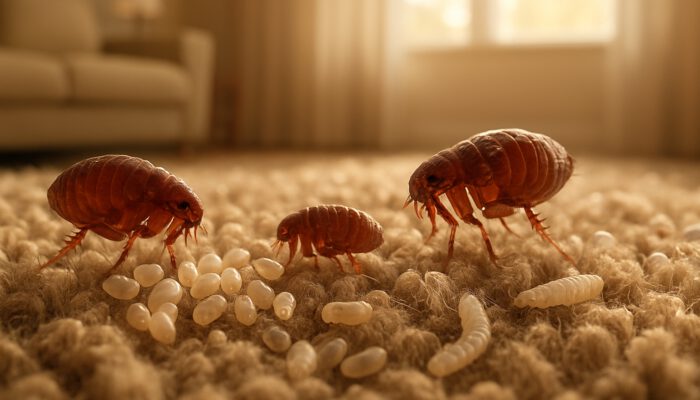
Fleas reproduce quickly in indoor conditions where temperatures and humidity levels are stable. A female flea can lay hundreds of eggs during her lifetime, which can lead to a severe infestation if not addressed promptly. These eggs typically develop into larvae that hide within carpets, upholstery, and other materials throughout the home.
To effectively manage flea populations, homeowners must recognize these reproductive cycles. Regular cleaning and treatment routines are essential for disrupting the flea life cycle and preventing them from maturing. Understanding this process enables pet owners to take proactive steps against infestations.
Fleas are extraordinary jumpers, capable of leaping up to 150 times their body length. This impressive ability allows them to navigate quickly across floors, carpets, and furniture in search of hosts. Their agility contributes to their widespread presence indoors, making it essential to implement comprehensive strategies for managing their numbers.
To mitigate this behavior, pet owners should concentrate on creating barriers and maintaining cleanliness. Regular vacuuming and employing flea prevention products can help control flea movement and lower their chances of finding a host. A multifaceted approach is crucial for keeping your home flea-free.
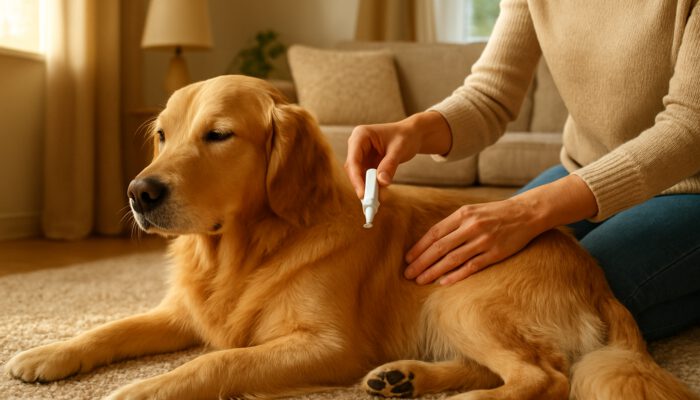
Selecting the appropriate flea treatment for indoor pets is vital for successful prevention. A variety of products are available, ranging from topical solutions to oral medications. It’s important to research and evaluate these options to determine which ones are most effective for your specific circumstances and environment.
For example, some pet owners achieve success with monthly topical treatments, while others prefer oral medications that offer systemic protection. Regardless of the method you choose, ensure that you adhere closely to application guidelines for maximum effectiveness and safety for your pets.
Combining various flea prevention techniques creates a stronger defense against infestations. Relying solely on one approach may create gaps in protection, allowing fleas to establish themselves. A comprehensive strategy could include topical treatments, oral medications, and environmental controls to ensure thorough coverage.
Incorporating regular cleaning routines into your prevention plan is also beneficial. Vacuuming carpets and washing pet bedding frequently can significantly lower flea populations and disrupt their life cycles. By integrating multiple layers of prevention, you can support long-term success in keeping your home flea-free.
Monitoring the success of flea treatments is essential for refining your approach over time. Regularly check your pets for signs of fleas and keep an eye on your home environment for flea dirt or bites. This ongoing assessment allows you to make informed decisions regarding which treatments are effective and which may require adjustments.
Documenting your findings can help identify patterns and trends in flea activity. This information can guide you in fine-tuning your prevention strategies, ensuring that you maintain a flea-free environment for your pets and family.
Experts suggest modifying your flea prevention strategies based on seasonal shifts and your pets' activity levels indoors. For instance, during warmer months, you may need to increase the frequency of treatments and inspections due to heightened flea activity. Conversely, in colder seasons, you might scale back slightly while remaining vigilant.
Monitoring your pets' behaviors and environmental conditions is crucial for maintaining consistent protection throughout the year. Regular evaluations enable you to stay ahead of potential infestations and ensure that your indoor space remains safe and comfortable for your pets.
Frequent vacuuming is one of the most effective methods to reduce flea populations in your home. By consistently vacuuming carpets, rugs, and furniture, you can eliminate flea eggs and larvae, significantly decreasing their chances of maturing into adult fleas. Aim to vacuum at least once a week, concentrating on areas where your pets spend the most time.
Remember to dispose of the vacuum bag or empty the canister after each use to prevent any collected fleas from re-entering your home. This straightforward yet effective strategy is vital for breaking the flea life cycle and protecting your indoor environment.
Washing your pets' bedding in hot water is crucial for maintaining a hygienic sleeping area. Hot water effectively kills fleas at all life stages, ensuring that your pets have a clean and safe space to rest. Aim to wash bedding every week or two, particularly during peak flea seasons.
To washing bedding, consider using a pet-safe detergent that can help eliminate any lingering flea dirt or allergens. Keeping your pets' sleeping areas clean not only protects them from fleas but also contributes to their overall health and comfort.
Decluttering your home is an effective way to reduce hiding spots for fleas. By removing unnecessary items and organizing your space, you decrease the number of potential shelters where fleas can thrive. This simplification makes routine cleaning tasks more manageable and efficient.
Make it a habit to regularly go through your belongings and donate or discard items you no longer need. This practice not only aids in managing flea populations but also creates a more pleasant living environment for both you and your pets. A tidy home is less attractive to pests.
When selecting topical flea treatments, safety and effectiveness should be your top priorities. Look for products specifically formulated for indoor pets and thoroughly tested for safety. Apply these treatments according to the manufacturer's instructions to ensure proper absorption and minimize the risk of skin reactions.
Monitoring your pets after application is essential. Watch for any signs of irritation, such as excessive scratching or redness. If you observe any adverse reactions, consult your veterinarian about alternative treatments that may be more suitable for your pets.
Preventive medications are fundamental to flea management for indoor pets. These products work by disrupting the flea life cycle, providing continuous protection throughout the year. Consistent use is crucial for ensuring your pets remain safeguarded against infestations.
Discuss with your veterinarian to identify the best preventive medication for your pets. Factors such as age, weight, and overall health can influence your choice. Regularly administering these medications as directed can help maintain a flea-free environment for your beloved companions.
Following the recommended schedules for flea treatments is vital for maximizing protection. Most topical treatments are intended for monthly application, while oral medications may vary in frequency. Adhering to these guidelines helps prevent risks of overexposure and ensures that your pets remain safe from fleas.
It’s also important to note that environmental treatments, such as sprays or foggers, may have different application intervals. Be sure to read product labels carefully and adjust your routine accordingly to maintain optimal flea control in your home.
Regular vacuuming of carpets and furniture, along with frequent washing of pet bedding in hot water, is essential for eliminating flea eggs and larvae from your indoor environment. This proactive approach significantly reduces the risk of reinfestation and ensures long-term protection for your pets.
Consider using flea traps in high-traffic areas to monitor flea activity. These traps can help confirm the effectiveness of your cleaning efforts and provide valuable insights into any emerging flea issues. A comprehensive environmental control strategy is crucial for maintaining a flea-free home.
Routine inspections of your pets' fur and skin are essential for the early detection of flea infestations. Look for signs such as flea dirt, bites, or excessive scratching. keep an eye on your home environment for any indications of fleas, such as flea dirt on surfaces or unusual behavior from your pets.
Taking prompt action at the first sign of an infestation can prevent widespread outbreaks. If you notice any concerning symptoms, consult your veterinarian for guidance on effective treatment options. Early detection is critical for keeping your indoor environment safe and comfortable for your pets.
When considering flea sprays, various formulas target different stages of the flea life cycle. Some sprays are designed to eliminate adult fleas, while others focus on eggs and larvae. Selecting the appropriate spray depends on your specific needs and the current flea situation in your home.
Conducting research on product reviews and seeking recommendations from fellow pet owners can guide you toward an informed decision. Look for sprays that are safe for indoor use and demonstrate proven effectiveness. A well-chosen spray can be a valuable asset in your flea prevention arsenal.
Foggers can effectively treat larger areas for fleas, but safety precautions are essential to protect both pets and humans during treatment. Here are some key guidelines to follow when using foggers:
By adhering to these guidelines, you can ensure that foggers are used safely and effectively in your home.
Oral flea medications provide systemic protection against fleas, making them a convenient choice for many pet owners. These medications work by entering your pet's bloodstream, killing fleas upon contact. This approach reduces the need for frequent environmental treatments, streamlining your flea management routine.
Consult your veterinarian to determine the most suitable oral medication for your pets. Regular administration according to directions will help maintain consistent protection and keep your indoor environment flea-free. This method can be especially beneficial for busy households.
Implementing reliable flea prevention can lead to fewer allergy incidents in pets. Research has demonstrated that households with effective flea management practices report lower occurrences of allergic reactions among pets. This is particularly significant for animals sensitive to flea bites, as these reactions can cause discomfort and health problems.
By adopting a comprehensive flea prevention strategy, pet owners can greatly enhance their pets' quality of life. Reducing exposure to fleas alleviates allergy symptoms and promotes overall well-being for indoor pets.
Effective flea management reduces exposure to flea-borne pathogens, lowering disease transmission risks for all household members. Fleas can carry various diseases that can affect both pets and humans, making it essential to manage their populations effectively.
By prioritizing flea prevention, pet owners protect their pets and families from potential health threats. This proactive approach contributes to a safer indoor environment and fosters peace of mind for everyone in the home.
Pets free from fleas experience less irritation and discomfort, leading to improved behavior. Effective flea management allows pets to enjoy their indoor environments without the constant nuisance of bites or itching. This creates a happier and healthier atmosphere for both pets and their owners.
By committing to effective flea prevention strategies, pet owners can elevate their pets' comfort levels and create a more enjoyable living space for everyone. A flea-free home is a happier home for both pets and their families.
Certain essential oils, when diffused safely, can effectively repel fleas. Oils such as lavender, peppermint, and cedarwood are recognized for their flea-repelling qualities. it’s vital to dilute these oils properly to prevent sensitivities in pets, ensuring their safety when using natural remedies.
When employing an essential oil diffuser, observe your pets for any adverse reactions. Should you notice any signs of discomfort, discontinue use immediately. Combining natural remedies with traditional flea prevention methods can create a holistic approach to managing indoor flea populations.
Diatomaceous earth is a natural powder that can effectively dehydrate fleas upon contact. When applied correctly in dry indoor areas, it can assist in controlling flea populations without harsh chemicals. This makes it a popular choice for pet owners seeking a more natural alternative.
To use diatomaceous earth, sprinkle it in areas where fleas are likely to hide, such as carpets and floor cracks. Allow it to sit for a few hours before vacuuming it up. Regular application can help manage flea populations while keeping your indoor environment safe for pets.
Herbal collars can serve as a natural alternative to traditional flea collars, offering a gentler option for flea prevention. When choosing herbal collars, opt for those containing ingredients known for their flea-repelling properties. Common ingredients include:
These natural ingredients can assist in deterring fleas while being safer for your pets. monitor your pets for any adverse reactions and consult your veterinarian if you have concerns about specific products.
Mixing equal parts of apple cider vinegar and water creates an effective natural spray that can repel fleas from pets, furniture, and floors. This solution is safe for most animals when used in moderation and allowed to dry properly. Regular application can help keep fleas at bay without the use of harsh chemicals.
To utilize this spray, apply it to your pet's fur and common areas in your home. Exercise caution around sensitive areas like the eyes and nose. This natural remedy can serve as a valuable addition to your flea prevention routine, promoting a safer environment for your indoor pets.
Sticky traps can be a useful tool for confirming the absence of fleas after treatment efforts. Strategically placing these traps in areas where fleas are likely to be present can help monitor flea activity and ensure that your prevention measures are functioning effectively.
Regularly check the traps to evaluate their effectiveness. If you observe a significant number of fleas captured, it may indicate that additional treatment is required. This proactive approach enables you to stay ahead of potential infestations and maintain a flea-free environment.
Periodic checks by pest control professionals can verify that your flea prevention strategies remain effective over time. Experts can identify any potential problem areas and recommend additional treatments if necessary. This extra layer of oversight is invaluable for maintaining a flea-free home.
Consider scheduling these inspections at least once or twice a year, especially if you reside in an area with a high risk of flea infestations. Professional insights can assist you in fine-tuning your prevention strategies and ensuring your home remains safe for your pets.
Regular assessments of your flea prevention routines allow for adjustments to your strategies to address emerging challenges promptly. If you notice an increase in flea activity or signs of infestations, consider altering your treatment frequency or exploring new products.
Keep a record of your observations to identify patterns and trends in flea activity. This information can guide you in effectively modifying your prevention plans. By being adaptable and responsive, you can sustain a flea-free environment for your indoor pets.
Signs of a flea infestation include excessive scratching, flea dirt (small black specks), and hair loss. You may also observe changes in your pet’s behavior, such as restlessness or irritability.
Prevent fleas by vacuuming regularly, grooming pets before they enter the house, and asking guests to remove their shoes. These actions significantly reduce the chances of fleas hitching a ride indoors.
Some pets may experience skin irritation or allergic reactions to certain treatments. Always monitor your pets after applying any flea prevention product and consult a veterinarian if you notice any adverse effects.
Most topical treatments should be applied monthly, while oral medications may vary in frequency. Follow the manufacturer's instructions for each product to ensure effective protection.
Yes, fleas can survive indoors year-round, especially in heated environments. Consistent monitoring and preventive measures are essential to keep them at bay, regardless of the season.
Natural remedies include essential oil diffusers, diatomaceous earth, herbal collars, and apple cider vinegar sprays. Each of these options can help repel fleas without the use of harsh chemicals.
Monitor your pets for signs of fleas, such as scratching or flea dirt. setting up sticky traps can help confirm the absence of fleas in your home.
Many flea treatments are not suitable for very young pets. Always consult your veterinarian for appropriate options and timing for flea prevention in puppies and kittens.
Yes, fleas can carry various diseases, including tapeworms and Bartonella. Effective flea control is crucial for protecting your pets from potential health risks.
If you suspect a flea infestation, take immediate action by treating your pets and thoroughly cleaning your home. Consider consulting a pest control professional for comprehensive treatment options.
Tags
Essential Steps for Assembling Your Puppy’s Crate Accurate Measurements for Your Puppy’s Size To guarantee that your puppy’s crate is both comfortable and secure, precise

Understanding the Features of Temperature-Controlled Pet Beds Key Components of Temperature-Controlled Beds The essential elements that enable temperature-controlled beds for pets to maintain comfortable temperatures

Navigate Seasonal Flea Challenges for Your Pets How to Spot the Early Signs of Flea Infestation Early detection of flea activity is essential for pet
By subscribing to our newsletter you agree to our Terms and Conditions and Privacy Policy