Discover the Benefits of Elevated Feeders for Large Dogs
Why Elevated Feeders Are Perfect for Large Dog Breeds
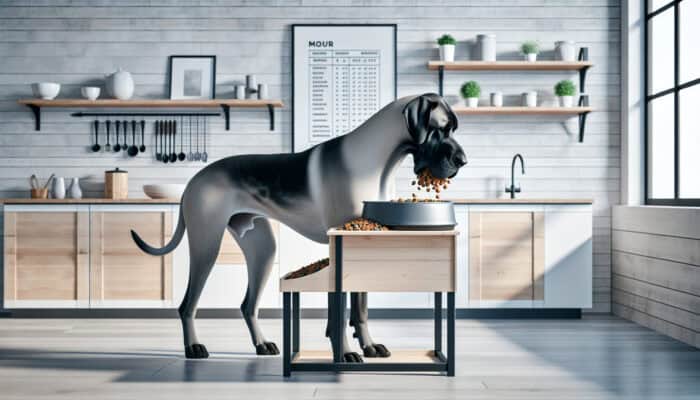
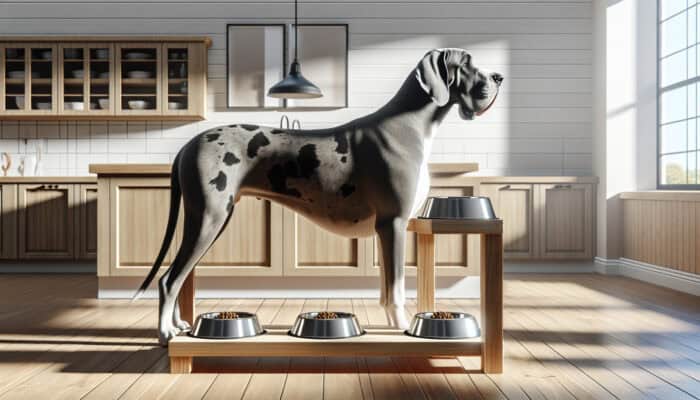
Elevated Feeders for Large Dogs: Elevated feeders are expertly crafted to meet the unique physical needs of large dogs, enhancing their mealtime experience by improving posture. This ergonomic design alleviates stress on their joints and neck, which is crucial for breeds more prone to musculoskeletal problems. By keeping food at an ideal height—generally 12 to 24 inches, depending on the dog's size—these feeders provide easier access to food and water, thereby minimizing discomfort and encouraging a healthier eating posture. Such a setup not only contributes to better digestion but can lead to overall improvements in their health and well-being.
Essential features that optimize the use of elevated feeders include:
- Adjustable height: This allows for customization as your dog grows.
- Stable base: Designed to prevent tipping and spills during meals.
- Hygienic materials: Easy-to-clean surfaces that help maintain cleanliness and reduce odors.
- Non-slip feet: Keep the feeder securely in place for enhanced stability.
- Durable construction: Designed to endure the daily wear and tear associated with large dogs.
- Ergonomic design: Supports natural feeding positions, reducing neck strain over time.
- Dual bowls: PProvideseparate compartments for food and water, promoting organization.
By addressing the specific physical needs of large dogs, elevated feeders make mealtimes healthier and more enjoyable.
Essential Elements of a High-Quality Elevated Feeder
Choosing the right elevated feeder for your large dog hinges on understanding its fundamental components, which are critical for ensuring stability and ease of access. Quality feeders generally consist of a robust stand and bowls that can safely accommodate both food and water. The stand should be made from sturdy materials such as stainless steel or high-grade plastic that can support the bowls' weight and resist wear over time.
The bowls themselves are frequently crafted from stainless steel or ceramic, both of which are resistant to bacteria, easy to clean, and less likely to tip over. Additionally, the bowls should possess sufficient depth to hold larger servings, and their design should ensure a snug fit within the feeder to minimize spills and waste, contributing to a cleaner eating environment.
When selecting an elevated feeder, also consider:
- Height adjustability: To accommodate your dog as they grow.
- Removable bowls: For easy cleaning and refilling.
- Feeder weight: A heavier feeder is less likely to tip over during use.
- Corrosion-resistant materials: To enhance durability and safety.
- Eco-friendly options: Promote sustainability in pet care.
Choosing a feeder with these essential components ensures a functional and practical mealtime routine for your large dog.
How to Tell If Your Large Dog Needs an Elevated Feeder
Recognizing when your large dog needs an elevated feeder is vital for their comfort and health. Various signs can indicate the necessity for this specialized setup. For instance, if your dog often seems uncomfortable while eating—straining to reach their food or adopting awkward positions—it may be time to consider implementing an elevated feeder.
Furthermore, if you notice your dog frequently experiencing back pain or stiffness, an elevated feeder can assist by promoting a more natural eating posture. Messy eating habits, such as food spilling around the house or excessive drooling, are also indicators that a more ergonomic feeding solution is essential. Left unaddressed, these issues can escalate into more serious health concerns.
Additional signs to monitor include:
- Difficulty standing post-meal: Suggesting strain from bending down.
- Seeking food in elevated places: An instinct to eat comfortably.
- Increased gas or bloating: Linked to improper eating posture.
- Joint stiffness: Indicating potential underlying issues exacerbated by eating position.
- Food aggression: May arise from competition for limited space.
Acting on these signs by introducing an elevated feeder can significantly enhance your dog's quality of life.

What Health Benefits Do Elevated Feeders Provide for Large Dogs?
Essential Advantages of Using Elevated Feeders
Elevated feeders present a myriad of advantages specifically designed to enhance the health and well-being of large dogs. One of the most notable benefits is the reduction of bloating, a condition characterized by excess gas accumulation in the stomach. By allowing dogs to eat in a more comfortable position, elevated feeders can significantly reduce the risk of gastric dilatation-volvulus (GDV), a serious health issue particularly prevalent in deep-chested breeds.
In addition, these feeders improve feeding posture, which fosters better digestion and lessens strain on a dog's neck and joints. With food positioned at an ergonomic height, dogs are less likely to experience discomfort during meals, leading to a more enjoyable eating experience. This method can contribute to overall better health, including increased energy levels and a more active lifestyle.
Other significant advantages include:
- Encouraged hydration: Elevated water bowls stimulate increased drinking.
- Reduced mess: Minimized spillage of food and water.
- Ease of access: Allows older dogs or those with mobility challenges to eat comfortably.
- Customizable feeding heights: Feeders can be adjusted as your dog matures.
- Decreased neck strain: Supports natural feeding positions.
The combination of these advantages underscores the positive influence elevated feeders have on the daily lives of large dogs.
What Are Some Possible Drawbacks to Using Elevated Feeders?
While elevated feeders are generally recognized for their benefits, there are some potential drawbacks to consider before making a purchase. A primary concern is the feeder's weight capacity. Some models may lack the sturdiness required to support heavier dogs, leading to instability during mealtime. It is critical to select a feeder that can withstand your dog's weight and behavior, especially if they tend to push their bowls around.
Material durability is another aspect worth investigating. Plastic feeders, while lightweight, may not provide the longevity necessary for active or larger dogs. Over time, plastic can become scratched or degraded, posing health risks by harboring bacteria. Conversely, metal or wooden feeders may offer more durability but can also be heavier and less portable.
Additional drawbacks to keep in mind include:
- Cost: Elevated feeders can be pricier than traditional options.
- Space requirements: They may require more room than standard feeders.
- Adjustment period: Some dogs might struggle to adapt to the new height initially.
- Cleaning challenges: Depending on the design, some feeders may be more difficult to clean.
- Stability issues: Less sturdy designs might tip over easily.
By carefully considering these potential drawbacks, pet owners can make informed decisions that align with their dog’s specific needs.
How Adjustable Heights Enhance Elevated Feeders
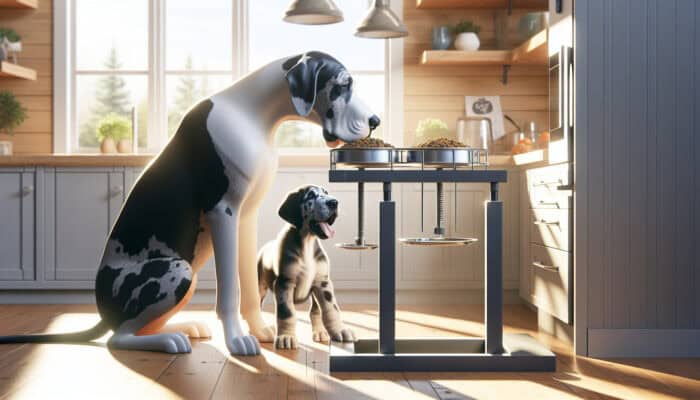
The ability to adjust heights in elevated feeders is especially beneficial for large dogs, as it allows for customization tailored to their size and growth stages. This adaptability promotes healthier eating habits by ensuring that the feeder is set to the most comfortable height for the dog, significantly reducing the risk of developing musculoskeletal problems over time.
As dogs mature from puppies to fully grown adults, their dietary needs and physical capabilities evolve. An adjustable feeder accommodates these changes, allowing you to maintain optimal feeding positions without investing in a new feeder every few years. This feature not only contributes to the dog's physical health but also fosters a consistent feeding routine that can enhance overall well-being.
Key reasons to choose adjustable height feeders include:
- Long-term use: These feeders grow alongside your dog.
- Enhanced posture: Supports healthy eating positions at any age.
- Smooth transition: Encourages a seamless adjustment as puppies grow.
- Customizable feeding patterns: AlAlignith changing energy levels and nutritional needs.
- Reduced injury risk: Decreases strain on joints and muscles.
Choosing an adjustable-height feeder ultimately leads to improved health outcomes and greater ease of use for both dogs and their owners.
Expert Recommendations for Selecting Elevated Feeders for Large Dogs
Effective Steps for Choosing the Right Feeder
When selecting an elevated feeder for your large dog, several actionable steps can guide your decision-making. Start by assessing your dog's size and breed-specific needs. It is important to consider the height at which they feel most comfortable eating; this typically involves measuring from the floor to their shoulders while standing. This measurement should serve as a guide to the appropriate height settings.
Next, opt for a feeder constructed from durable materials. Stainless steel feeders are often preferred due to their rust and wear resistance, while high-quality plastics or wood can also be suitable options, provided they offer sufficient support. Look for features such as a wide base for stability, adjustable heights to accommodate growth, and removable bowls for easy cleaning.
For instance, a large Labrador Retriever might require a feeder height of 18 inches, while a Great Dane may need a feeder as high as 24 inches. It is advisable to read reviews from other dog owners to gain insights into how specific feeders have performed over time, providing valuable information regarding long-term satisfaction and durability.
To summarize effective steps:
- Measure your dog: Get their shoulder height to set the feeder height accurately.
- Research materials: Opt for durable, easy-to-clean options.
- Read user reviews: Gain insights into product performance and longevity.
- Consider adjustability: Choose feeders that can adapt as your dog grows.
- Prioritize stability: Ensure the base is wide enough to prevent tipping.
By following these practical steps, you can confidently select an elevated feeder that supports your large dog's health and comfort.
Expert Insights on the Benefits of Elevated Feeders
Veterinarians and canine nutrition specialists consistently emphasize the many benefits of elevated feeders for large dogs. One significant advantage lies in the support these feeders provide for muscle development and joint health. When dogs eat in a natural, upright position, they effectively engage their core muscles, promoting healthy muscle tone while reducing the risk of degenerative joint diseases.
Additionally, veterinary specialists highlight that improved digestion is a key benefit associated with elevated feeders. By minimizing the angle at which dogs consume their food, these feeders help prevent common issues such as regurgitation and gas buildup. This can lead to more consistent energy levels and overall better health, particularly in larger breeds that are predisposed to digestive disorders.
Another important factor noted by professionals is the positive behavioral changes that may result from the use of elevated feeders. As dogs enjoy a more comfortable eating experience, their anxiety levels may decrease, leading to calmer behavior during mealtimes. This improved demeanor can strengthen the bond between the dog and its owner, as fewer messes occur and feeding becomes a more pleasant experience for everyone involved.
Key benefits highlighted by specialists include:
- Enhanced digestion: Reduces issues such as bloat and regurgitation.
- Support for muscle development: Encourages healthy posture during meals.
- Better hydration: Elevated water bowls encourage increased drinking.
- Calmer behavior: Less anxiety during feeding times.
- Convenience for owners: Less cleanup required due to reduced mess.
These insights from specialists reinforce the importance of elevated feeders in fostering healthier and happier lives for large dogs.
Debunking Common Misconceptions About Elevated Feeders
Various misconceptions regarding elevated feeders for large dogs can prevent pet owners from making well-informed decisions. One prevalent myth is that elevated feeders are necessary for all large dogs, but in reality, not every dog requires one. Dogs with specific health conditions may benefit more from an elevated setup, while others without such issues may do perfectly fine with traditional bowls.
Another misconception is that elevated feeders will automatically enhance a dog’s eating habits without proper training. It is essential to understand that while the feeder provides better posture, it does not replace the need for training or behavioral adjustments. Gradually introducing the feeder and ensuring your dog feels comfortable with the change is vital for successful adaptation.
Finally, some owners may mistakenly believe that elevated feeders are only for older dogs or those with health problems. However, young, growing dogs can also benefit significantly from ergonomic feeding positions. Encouraging healthy eating habits from an early age can prevent future health issues.
To address these misconceptions, consider the following actionable steps:
- Assess your dog's needs: Determine if an elevated feeder is necessary for their health.
- Train your dog: Introduce the feeder gradually to encourage comfortable use.
- Consult professionals: Seek veterinary advice based on your dog’s health history.
- Monitor your dog: Observe their behavior and comfort level with the new setup.
- Adapt as needed: Be willing to switch back to traditional bowls if the elevated feeder is not suitable.
Clearing up these misconceptions empowers pet owners to make choices that genuinely enhance their dogs' health and well-being.
Best Practices for Maintenance and Cleaning of Elevated Feeders
Maintaining and cleaning elevated feeders for large dogs is crucial to ensure their longevity and hygiene. Regular cleaning routines help prevent bacterial buildup, which poses health risks to your pet. Experts recommend washing the bowls daily with warm, soapy water to eliminate any food residue and contaminants. For deeper cleaning, a weekly soak in a vinegar-and-water solution can help eliminate odors and stains.
Additionally, the feeder itself should be wiped down regularly to keep it free from dirt and grime. Depending on the feeder's material, you may use disinfectant wipes or sprays. However, ensure that any cleaning agents used are pet-safe and won’t leave harmful residues.
Storage of the elevated feeder is another important consideration. When not in use, especially during inclement weather, it’s best to store the feeder indoors to protect it from damage. If your feeder is adjustable, maintaining it in a compact position can prevent unnecessary wear.
For effective maintenance, consider these tips:
- Daily bowl cleaning: Use warm, soapy water to prevent bacterial growth.
- Weekly deep clean: Soak bowls in a vinegar-and-water solution to eliminate odors.
- Regular disinfecting: Wipe down the feeder with pet-safe disinfectants.
- Store indoors: Protect the feeder from the elements when not in use.
- Inspect for wear: Regularly check for any signs of damage or deterioration.
By adhering to these maintenance guidelines, pet owners can ensure that elevated feeders remain safe and functional for their large dogs over the long term.
Comparing Elevated Feeders with Traditional Feeding Solutions
A comparative analysis of elevated feeders versus traditional ground-level options reveals numerous advantages that significantly impact a large dog’s health and well-being. Elevated feeders often promote better posture during mealtime, alleviating strain on the neck and joints. This consideration is especially important for large breeds vulnerable to musculoskeletal issues, as proper feeding height can reduce the risk of joint degeneration over time.
Moreover, elevated feeders have been shown to enhance digestion. By allowing dogs to eat in a more natural position, these feeders minimize the risk of regurgitation and bloating, which are common concerns for larger dogs. In contrast, traditional feeders often force dogs to bend down awkwardly, potentially leading to digestive distress.
Additionally, elevated feeders lead to cleaner eating environments. With raised bowls, there is typically less mess on the floor, simplifying the upkeep for owners. This added convenience is particularly valuable for pet owners seeking to minimize cleanup while still providing their dogs with a comfortable eating experience.
Key differences to note when comparing elevated feeders to traditional options include:
- Posture support: Elevated feeders promote improved feeding posture.
- Digestion aid: Reduced risk of bloating and regurgitation in elevated designs.
- Less mess: Elevated bowls minimize food spillage.
- Convenience for owners: Easier to clean with less debris around the feeding area.
- Increased comfort: Supports older or mobility-impaired dogs.
Understanding these differences can guide pet owners in making informed choices that enhance their dog’s overall care.
What Are the Best Materials for Elevated Feeders?
How to Assess Material Options for Your Feeder
Evaluating material options for elevated feeders is crucial for ensuring durability and hygiene. When selecting a feeder, consider both the stand and the bowls. Common materials used for stands include stainless steel, heavy-duty plastic, and wood, each offering distinct benefits and drawbacks.
Stainless steel is often favored for its resilience and resistance to rust, making it ideal for outdoor or high-use situations. Heavy-duty plastic can be lightweight and easy to maneuver, but careful selection is required to ensure it's durable enough for large breeds. Wooden feeders, although aesthetically pleasing, may not be as easy to clean and may wear over time.
For bowls, stainless steel again emerges as a popular choice because it is non-porous and easy to clean, helping prevent bacterial growth. Ceramic bowls can also be an excellent option, providing a heavier base that helps prevent tipping, but they require careful handling to avoid breakage.
To effectively evaluate the best materials for your elevated feeder, consider:
- Durability: Assess how well the materials withstand regular use.
- Cleaning ease: Select materials that are easy to maintain.
- Weight considerations: Ensure the feeder remains stable during meals.
- Wear resistance: Choose materials that won’t degrade over time.
- Aesthetic appeal: Consider how the feeder integrates with your home decor.
By carefully evaluating these material options, pet owners can select elevated feeders that meet their dogs' needs while ensuring longevity and ease of maintenance.
Factors That Influence Material Selection for Feeders
When selecting materials for elevated feeders, several factors significantly influence their performance and suitability for large dogs. One crucial aspect is weight: heavier materials tend to provide better stability, helping prevent tipping during feeding. For instance, stainless steel stands are often preferred for their heavy-duty nature, ensuring that the feeder remains anchored even when a large dog is eating.
Another essential factor is stability. Materials that can withstand the push and pull of an excited dog are vital for avoiding spills and messes. A well-constructed feeder should feature a wide base and be made of sturdy materials to prevent it from shifting during meals.
Resistance to wear is also a significant consideration. Elevated feeders should resist scratches, rust, and other forms of degradation to maintain hygiene and longevity. For example, a feeder made from corrosion-resistant stainless steel can outperform plastic options over time, which may become brittle or cracked with frequent use.
Preferred considerations for selecting feeder materials include:
- Weight: Heavier materials are often more stable.
- Stability: Choose designs that can accommodate a large dog's eating habits.
- Wear resistance: Materials should withstand regular use without degrading.
- Temperature resistance: Ensure materials can endure various environmental conditions.
- Safety: Select non-toxic materials that won’t harm your dog.
By weighing these factors, pet owners can make informed decisions that enhance both the functionality and safety of elevated feeders for their large dogs.
Why Non-Toxic Materials Are Crucial for Dog Feeders
The use of non-toxic materials in elevated feeders is essential for safeguarding your dog's health. With increasing awareness surrounding pet safety, selecting a feeder made from safe materials is a priority for conscientious pet owners. Non-toxic materials prevent health hazards that may arise from exposure, ensuring your dog is not at risk while eating.
Certain plastics can contain harmful chemicals like BPA, which can leach into food and water. Choosing feeders made from BPA-free plastic, stainless steel, or ceramic can help mitigate this risk, offering peace of mind during mealtime. Furthermore, using non-toxic finishes or coatings on wooden feeders can prevent chemicals from seeping into your dog’s food.
Selecting non-toxic materials enhances mealtime safety and supports overall pet care by reducing the risk of long-term health issues. Moreover, these materials often facilitate easier cleaning and maintenance, as they do not retain odors or bacteria as readily as some lower-quality options.
Key reasons to prioritize non-toxic materials include:
- Health safety: Prevents chemical exposure during meals.
- Better hygiene: Non-toxic materials are easier to clean and maintain.
- Environmental consciousness: Supports sustainable pet care practices.
- Longer lifespan: Non-toxic materials are often more durable and resistant to wear and tear.
- Peace of mind: Enhances overall pet wellness and safety during feeding.
By focusing on non-toxic materials, pet owners can ensure a safer and healthier feeding experience for their large dogs.
Research-Backed Advantages of Elevated Feeders for Large Dogs
Real-World Cases of Improved Health Outcomes
Numerous studies and anecdotal evidence highlight the benefits of elevated feeders for large dogs, particularly concerning improved health outcomes. One notable example involves the positive impact observed in breeds prone to bloat, such as Great Danes and German Shepherds. Owners have reported a significant reduction in instances of gastric distress after switching to elevated feeders, as these feeders encourage a more natural eating posture, thereby reducing strain on the digestive system.
Moreover, dogs with joint issues, like arthritis, have shown improved mobility and comfort when using elevated feeders. Testimonials from pet owners indicate that their dogs are less reluctant to eat and drink when using a feeder that aligns with their natural posture. This enhancement in comfort can lead to more consistent hydration and nutrition—a critical aspect of maintaining overall health.
Real-world examples emphasize the practicality of incorporating elevated feeders into daily routines. For instance, a dog owner transitioning their Labrador Retriever to an elevated feeder reported noticeable improvements in their dog’s energy levels and playfulness. Consequently, their dog displayed a happier demeanor, further reinforcing the benefits of this feeding setup.
Key real-world examples include:
- Reduced gastric issues: Observed in breeds prone to bloat after transitioning to elevated feeders.
- Improved mobility: Notable comfort reported by dogs with joint problems.
- Increased hydration: Dogs showing enhanced drinking behavior with elevated water bowls.
- Better energy levels: Owners noticed improved activity from dogs using elevated feeders.
- Enhanced overall well-being: Pets exhibiting happier behavior and engagement.
These real-world examples underscore the transformative impact elevated feeders can have on the health and happiness of large dogs.
Long-Term Benefits of Elevated Feeders in Daily Use
Incorporating elevated feeders into the daily routines of large dogs offers several long-term advantages that contribute to sustained health and well-being. One of the most significant benefits is the prevention of chronic issues associated with poor posture during mealtime. By consistently using feeders that support proper feeding angles, dog owners can reduce the risk of developing conditions such as osteoarthritis and other musculoskeletal disorders.
Furthermore, elevated feeders promote better digestion, which can lead to long-lasting improvements in overall health. Dogs experiencing fewer digestive troubles are more likely to maintain optimal weight and energy levels, which plays a critical role in preventing obesity-related complications. This aspect is particularly crucial for large breeds, which are more susceptible to weight gain.
Another long-term advantage is the enhancement of the relationship between dog and owner. As mealtime becomes more enjoyable, dogs may display improved behavior, reducing stress during feeding. This fostered positive environment encourages bonding and reinforces desirable behaviors.
Key long-term advantages to consider include:
- Prevention of chronic ailments: Reduces the risk of joint and posture-related issues.
- Improved digestion: Fewer instances of digestive distress promote overall health.
- Weight management: Helps maintain a healthy weight and energy levels.
- Positive behavior reinforcement: Enhances the feeding experience for both dog and owner.
- Strengthened bond: A pleasant mealtime environment fosters connections.
Emphasizing these long-term advantages illustrates the profound effects that elevated feeders can have on the lives of large dogs.
Challenges in Adopting Elevated Feeders
While the benefits of elevated feeders are clear, challenges may arise in adopting this feeding method for large dogs. One initial hurdle is the adjustment period some dogs may experience when transitioning from traditional feeders to elevated setups. Dogs used to eating from ground-level bowls might show reluctance or confusion when faced with a new height.
To ease this transition, pet owners should gradually introduce the elevated feeder into their dog's routine. Placing the new feeder nearby and allowing the dog to explore it at their own pace can foster comfort and curiosity. Offering treats or encouraging the dog to eat from the elevated feeder can also help create positive associations.
Another potential obstacle is the upfront cost of purchasing a high-quality elevated feeder. While the investment is often worthwhile, some pet owners may hesitate to pay a premium for a product perceived as a luxury rather than a necessity. It is essential to communicate the health benefits and long-term value of elevated feeders to prioritize the well-being of large dogs.
Key challenges to be aware of include:
- Adjustment period: Dogs may take time to adapt to elevated feeders.
- Initial costs: Quality feeders can be pricier than traditional options.
- Space requirements: Elevated feeders may require more room in your home.
- Potential resistance: Some dogs may initially refuse to use the new setup.
- Monitoring behavior: Owners need to observe their pets to ensure comfort and safety.
By addressing these challenges proactively, pet owners can facilitate a smoother adoption process for elevated feeders.
Comparative Insights Between Elevated Feeders and Traditional Solutions
A comprehensive comparative analysis of elevated feeders versus traditional ground-level options underscores the significant advantages that elevated designs offer for large dogs. Studies and empirical evidence demonstrate that elevated feeders promote better posture during mealtime, which can lead to improvements in joint health and overall comfort. Dogs using elevated feeders are less likely to experience the strain associated with bending down to eat, reducing their risk of developing chronic issues over time.
Moreover, elevated feeders have been shown to encourage better digestion. Research indicates a strong correlation between feeding posture and the occurrence of gastric problems such as bloating and regurgitation. By allowing dogs to eat at a more natural height, these feeders minimize digestive distress, promote healthier eating habits, and lessen the likelihood of gastrointestinal complications.
Another key advantage of elevated feeders is the enhanced cleanliness they provide. With bowls positioned off the ground, there tends to be less spillage and mess, making it easier for pet owners to maintain a tidy living space. This convenience is particularly appealing for busy owners aiming to simplify their pet care routine.
Significant points of comparison include:
- Health benefits: Elevated feeders support better posture and digestion.
- Reduced mess: Less spillage associated with elevated designs.
- Convenience: Easier cleaning and maintenance for owners.
- Long-term health: Elevated feeders contribute to improved joint health.
- Behavioral advantages: Enhanced comfort leads to better eating experiences.
This comparative analysis underscores the importance of choosing elevated feeders as a proactive step toward promoting the health and well-being of large dogs.
How to Maintain Elevated Feeders for Optimal Use
Cleaning Frequency for Elevated Feeders
Regular maintenance and cleaning of elevated feeders for large dogs are essential to ensure their hygiene and functionality. Ideally, bowls should be cleaned daily to prevent bacterial buildup and maintain a sanitary feeding environment. Using warm, soapy water is effective because it helps remove food residue and odors that can accumulate over time.
In addition to daily cleaning, it is advisable to perform a deeper clean weekly. This may involve soaking the bowls in a mixture of water and vinegar, which not only disinfects but also helps remove stubborn stains. The feeder itself should be wiped down regularly, particularly if it is exposed to outdoor conditions or if spills occur during mealtime.
To further enhance hygiene, consider design features that facilitate easy cleaning. For instance, feeders with removable bowls are much easier to maintain than those with fixed bowls, as they allow for convenient access for thorough washing.
Key cleaning considerations include:
- Daily bowl washing: Essential to prevent bacterial growth.
- Weekly deep cleaning: Soak bowls to disinfect thoroughly.
- Wipe down feeder: Maintain cleanliness to prevent odor buildup.
- Observe for wear: Regularly check for signs of damage or degradation.
- Use pet-safe cleaners: Ensure no harmful residues are left behind.
By adhering to these cleaning schedules, pet owners can maintain elevated feeders in optimal condition for their large dogs.
Effective Storage Strategies for Elevated Feeders
Proper storage of elevated feeders is essential for extending their lifespan and ensuring they remain ready for use. When not in use, especially during inclement weather, storing the feeder indoors protects it from potential damage from rain, snow, and extreme temperatures.
If the feeder is adjustable, consider folding or collapsing it to minimize its footprint, making it easier to store in a closet or designated pet area. It is also advisable to keep the feeder off the ground to avoid moisture exposure and potential mold growth.
For those with limited storage space, utilizing stackable or modular feeding systems can be a viable solution. These systems allow for easy assembly and disassembly, making them convenient to store when not in use.
Key storage solutions to enhance longevity include:
- Store indoors to protect the feeder from weather-related damage.
- Fold or collapse: Minimize space when not in use.
- Keep off the ground: Prevent moisture exposure and mold.
- Use stackable systems: Optimize limited storage space.
- Avoid clutter: Designate a specific area for feeder storage.
Implementing these storage solutions helps maintain the quality of elevated feeders over the long term.
Enhancements for Your Elevated Feeder Setup
Enhancing your elevated feeder setup can significantly improve your large dog’s mealtime experience. One effective upgrade is adding non-slip bases or mats to prevent the feeder from sliding around during meals. This additional stability ensures that your dog can focus on eating without the distraction of a moving feeder, promoting a more comfortable eating environment.
Another potential enhancement is incorporating food and water bowls with features such as weighted bottoms, which further reduce the risk of tipping. Some owners opt for bowls with built-in spill guards or raised edges to contain spills, helping maintain cleanliness in the feeding area.
For those who frequently travel, consider investing in portable elevated feeders. These designs can be easily assembled and disassembled, providing a convenient feeding solution for dogs on the go. Additionally, ensuring the feeder is adjustable allows you to customize it to your dog’s size and comfort as they grow.
Key upgrades to consider include:
- Non-slip mats: Enhance stability during mealtime.
- Weighted bowls: Prevent tipping and spills.
- Spill guards: Help contain messes during feeding.
- Portable feeders: Convenient for travel and outdoor use.
- Adjustable features: Tailor height settings to your dog’s size.
These upgrades not only enhance functionality but also improve the overall feeding experience for large dogs.
Frequently Asked Questions About Elevated Feeders
What exactly are elevated feeders for large dogs?
Elevated feeders are specially designed feeding stations that place food and water bowls at a height that promotes better posture and comfort for large dogs, reducing strain on joints and aiding digestion.
How can I tell if my dog needs an elevated feeder?
Signs that your dog may benefit from an elevated feeder include frequent discomfort when eating, back pain, messy eating habits, or difficulty standing after meals.
What is the ideal height for an elevated feeder?
The ideal height for an elevated feeder should typically be around 12 to 24 inches, depending on the dog’s breed and shoulder height when standing.
Are there any drawbacks to elevated feeders?
Potential drawbacks include the cost, weight capacity, and the fact that some dogs may require an adjustment period to get used to the new feeding height.
How frequently should I clean my dog's elevated feeder?
Bowls should be cleaned daily, while a deep clean should be performed weekly to prevent bacteria buildup and maintain hygiene.
Can elevated feeders assist with my dog's digestion?
Yes, elevated feeders promote better digestion by allowing dogs to eat at a natural height, reducing the risk of bloating and regurgitation.
What materials are recommended for elevated feeders?
Durable materials like stainless steel, heavy-duty plastic, or ceramic are recommended for elevated feeders due to their resistance to wear and ease of cleaning.
Do elevated feeders come with adjustable heights?
Many elevated feeders feature adjustable heights, allowing you to customize as your dog grows to ensure optimal comfort and support.
Can large dogs utilize elevated feeders at any age?
Yes, elevated feeders can benefit dogs of all ages, including puppies, by encouraging a healthy eating posture from a young age.
What factors should I consider when selecting an elevated feeder?
Consider your dog's size and breed, the materials used in the feeder, weight capacity, stability, and whether it has adjustable height settings for long-term use.
This guide is incredibly relevant for anyone thinking about traveling with their cats. I remember the last time I took my cat, Luna, on a trip. I was taken aback by how strict the regulations were—especially regarding health certificates and vaccination records. It really highlighted the importance of planning ahead.
It’s fascinating how travel can unveil unexpected challenges, isn’t it? Your experience with Luna highlights something that many pet owners might overlook until they find themselves in the thick of it. Those regulations regarding health certificates and vaccination records are indeed crucial, and it’s great that you recognized the importance of planning ahead.
I’m glad you found the guide helpful! Planning ahead truly makes a world of difference. If you’re looking for more tips and resources to ensure a smooth trip with Luna, check out this link for everything you need to know before you hit the road!
https://elgatoencasa.com/vet
It sounds like you had quite the experience traveling with Luna. Cats can be such great travel companions, but those regulations can really catch you off guard. I remember when I first took my cat on a trip; I was surprised at just how much paperwork there was to gather. Health certificates and vaccination records might feel like a hassle, but they really do help ensure both your pet’s safety and the welfare of other animals you might come into contact with.
Traveling with Luna was certainly an adventure, and I totally get what you mean about the paperwork. It’s like preparing for a small-scale expedition instead of just a trip to the local pet store. Health certificates and vaccination records could rival the weight of my suitcase—no kidding! It’s almost like they think your cat is auditioning for a role in a spy movie with all the secret agent-level documentation required.
“I’m so glad to hear you had a similar experience! If you’re planning another adventure with your furry friend, check out this helpful guide on pet travel regulations to make your journey smoother.”
https://elgatoencasa.com/vet
It sounds like you had quite the experience with Luna! Those regulations can really catch you off guard, can’t they? I’ve heard from so many cat parents how important it is to double-check everything before traveling. It might feel like extra work, but having the right health certificates and vaccination records really helps you avoid a stressful situation at the last minute.
I’m glad you found the guide so useful! Traveling with pets can certainly be an eye-opener when it comes to the regulations—Luna must have added an interesting twist to your trip. Every state and country has its own set of rules, and it can really catch you off guard if you’re not prepared.
It’s great to hear about your experience traveling with Luna. It sounds like you encountered some of the challenges that many pet owners face when planning trips. Those regulations can certainly catch us off guard, can’t they? It’s a lot to juggle, especially when you just want to enjoy your time together.
I’m glad to hear that you found the guide helpful! If you’re planning another adventure with Luna, check out these resources for the latest travel regulations and tips to make your journey even smoother!
https://elgatoencasa.com/vet
Ah, the joys of jet-setting with our feline overlords! It’s like being a personal assistant to a small, furry dictator. I found your list of essential documents spot-on. The health certificate and vaccination records are absolute must-haves. I once made the rookie mistake of forgetting Fluffy’s rabies vaccination record before heading to the airport. Let’s just say the ticket agent gave me a look that could curdle milk.
It sounds like you had quite the adventure with Fluffy and the ticket agent. Those moments can really make us appreciate the fine print in traveling with our pets. Forgetting a critical document like the rabies vaccination record can definitely lead to some unexpected stress.
I really appreciate your perspective on that. It’s so true—those little details in the fine print can turn into big lessons. When I was preparing for our trip, I thought I had everything covered, but it’s crazy how one piece of paper can create such a ripple effect. Since Fluffy is part of the family, it makes it all the more stressful when it feels like you’re not fully prepared for travel.
It’s so true how those seemingly minor details can really shape our experiences, especially when there’s a beloved pet like Fluffy in the mix. Traveling with pets does bring its unique set of challenges; one wrong piece of paper like vaccination records or travel carriers can add a surprising amount of stress.
Thank you for sharing your experience! It really highlights how important it is to stay prepared. If you’re looking for tips on traveling with pets to avoid those last-minute surprises, check out this helpful resource.
http://elgatoencasa.com/vet
It’s so relatable to feel that sense of pressure when preparing to travel, especially when pets are involved. You can plan every little detail, but it’s often those unexpected requirements that trip us up. Fluffy is more than just a pet; he’s a member of the family, and the thought of anything going wrong can really ramp up the stress.
It’s interesting how those seemingly small details can really shape our experiences, especially when we’re traveling with pets. Fluffy’s not just a pet; they’re family, and suddenly all those little worries about paperwork, vet records, or travel restrictions come to the forefront.
“I’m glad you found my perspective helpful! If you’re interested, I’ve come across some great resources that might help ease the travel prep stress—especially when it comes to traveling with furry family members. Check them out!”
https://elgatoencasa.com/vet
I completely relate to your thoughts on how those small details can really magnify when traveling with our furry companions. It’s fascinating how something like vet records or specific airline policies can create this extra layer of preparation. It makes sense, though—our pets are such integral parts of our lives, and ensuring their comfort and safety on a journey can be just as crucial as our own.
I can relate to how important it is to keep our furry family members healthy, especially as they age; I recently found some helpful tips on monitoring hydration in elderly cats that could really make a difference.
‘Hydration Monitoring for Elderly Cats: Essential Tips’
https://elgatoencasa.com/hydration-monitoring-for-elderly-cats-essential-tips/.
It’s wild, right? One little piece of paper can set off a chain reaction that feels like you’re dealing with a game of Jenga—with a really cute but unpredictable cat on the side. I’ve had my fair share of travel mishaps too, and let me tell you, having to scramble for pet documents while you’re also trying to remember where you put your socks is a special kind of chaos.
It’s a whole different ball game when you’re traveling with a pet, right? Fluffy is not just a pet; they’re family, and the last thing you want is to deal with a hiccup that throws a wrench in your plans. When it comes to travel, those little details in the fine print can really make or break the experience. I totally get how that one piece of paper can change everything. It’s almost like trying to assemble furniture from one of those IKEA kits—you think you’ve got it all, but that one missing screw changes everything.
It sounds like you had quite an adventure with Fluffy! That moment at the airport must have been stressful. Paperwork can really sneak up on you during travel, especially when it comes to our pets. A health certificate and vaccination records are indeed the non-negotiables, but some destinations may have additional requirements, like specific parasite treatments or documentation of microchip information. I’ve also found that having a vet’s contact info handy can be a lifesaver if questions arise. Do you have any other tips from your travels with Fluffy?
Your observations about traveling with pets really resonate with me. The airport experience was indeed quite a challenge. It’s surprising how much time and preparation can hinge on the right paperwork. Though I was somewhat prepared with the health certificate and vaccination records, I learned very quickly that each destination has its nuances. There were those added requirements—like the flash of micrcochips and parasite treatments—you might not think about until you’re at the last minute trying to get everything squared away.
Absolutely, it can be quite the challenge! If you’re looking for more tips and resources for traveling with pets, check out this helpful guide I found—it really streamlined the process for us!
https://elgatoencasa.com/vet
That moment at the airport really was a whirlwind, and I definitely learned the hard way how crucial all that paperwork can be. It makes you appreciate the amount of planning that goes into traveling with pets. The specific requirements can be a maze; I once encountered a situation where the destination had a mandated treatment for ticks that I didn’t know about until right before boarding. It felt like I was running around like a headless chicken trying to sort everything out.
I completely understand the challenges of traveling with pets and how critical it is to ensure their well-being; speaking of that, I recently came across some insightful tips on keeping elderly cats hydrated, which might help in managing their health during travel too.
‘Hydration Monitoring for Elderly Cats: Essential Tips’
https://elgatoencasa.com/hydration-monitoring-for-elderly-cats-essential-tips/.
Traveling with pets really can feel like navigating a complex maze, can’t it? I totally relate to the chaos that can come from unexpected requirements. It’s such a lesson in being prepared and having all your ducks in a row. I remember a similar experience when my friend was trying to take her dog abroad and realized at the last minute that vaccinations had to be done a certain way, and it turned into a scramble too.
You hit the nail on the head with that whole maze analogy. It’s like trying to solve a Rubik’s Cube blindfolded while juggling a couple of cats. The unexpected requirements pop up when you least expect them. I remember a trip where I thought I had everything lined up for our dog, only to discover there was a specific microchip standard I hadn’t checked. Let’s just say, that conversation with the vet wasn’t my proudest moment.
Absolutely, it’s all about staying one step ahead! If you’re looking for tips to simplify your pet travel planning and stay organized, check out this helpful guide here!
https://elgatoencasa.com/vet
Traveling with Fluffy was definitely a mix of excitement and chaos! That airport moment really had my heart racing, especially when I realized I had overlooked a couple of specific requirements. You’re spot on about the paperwork—the health certificate and vaccination records are like your golden ticket, but each destination does seem to have its own quirks that can catch you off-guard. I learned that the hard way when I overlooked the microchip documentation for our trip to Europe. What a learning experience that was!
“Absolutely! I’ve learned quite a bit along the way, and if you’re interested, I’ve compiled some of my top tips for traveling with pets—check it out here!”
https://elgatoencasa.com/vet
It sounds like you had quite the adventure with Fluffy navigating those travel hurdles. I can totally relate to the chaos that can come with taking pets along—there’s so much to consider beyond just packing a bag. Your experience with the microchip documentation brings to light how crucial it is to prepare not just the basics, but also the lesser-known requirements for different destinations. It really is like a puzzle sometimes.
You’re so right about the paperwork sneaking up on you during travel. I remember feeling a mix of excitement and anxiety while going through Fluffy’s health certificate and the vaccination records. It was one of those moments where I wished I had started preparing a bit earlier. The extra requirements definitely caught me off guard; I had to scramble for the microchip info last minute, which was stressful but a good reminder that thorough research is key.
Traveling with Fluffy was definitely a rollercoaster ride, especially at the airport. Who knew a 10-pound furball could bring so much chaos? I felt like a detective trying to piece together all the paperwork. You’d think I was plotting a heist with the number of forms required.
Traveling with pets can really feel like an adventure in itself, can’t it? I can relate to the chaos Fluffy brought to your trip. It’s funny how such a small creature can create such big waves, especially with all the airport regulations these days. I remember my own experience trying to travel with my cat. I had to juggle all the health certificates and carrier specifications, feeling like I was preparing for a top-secret mission.
Oh, I can totally relate to that experience! Traveling with cats does feel a lot like navigating the whims of a tiny, furry dictator. They certainly have their own ideas about what constitutes an ideal travel experience. It’s impressive how quickly they can assert that authority, right?
I completely understand where you’re coming from. Traveling with cats really does feel like you’re at the mercy of their whims. Each trip seems to come with a new set of challenges, often dictated by what mood they’re in that day. I’ve noticed that the minute we settle into a new place, they immediately scout the area for the perfect sunbeam or the coziest nook, as if they’re the ones in charge of the itinerary.
It’s so true; traveling with cats can be quite the adventure in itself. They definitely have their own ideas about what makes a getaway enjoyable. It’s intriguing how their mood can shape the entire experience. One moment you’re trying to navigate a new city and the next, you’re following them around as they seek out the perfect spot to bask in the sunlight.
“I totally agree! It’s amazing how their personalities shape our travels. If you’re looking for tips and resources to make those journeys easier, check out this [helpful guide].”
https://elgatoencasa.com/vet
I can relate to that so much. Cats really do have an uncanny ability to dictate the pace of a trip, don’t they? My cat, Luna, has a habit of finding the sunniest spot in any room or outdoor space we go to. There’s something almost meditative about watching her soak in the rays, while I’m busy trying to figure out where we want to go next. It really drives home the idea that sometimes it’s about enjoying the moment rather than rushing through a checklist of sights.
It’s interesting how our pets can effortlessly remind us to slow down and be present. Luna sounds like a little philosopher, finding those sunny spots to bask in. It’s one of the reasons I admire cats; their ability to just exist in the moment is something many of us could learn from.
Speaking of enjoying the moment, I recently came across some insightful tips on keeping our feline friends hydrated as they bask in those sunny spots—it’s a great reminder of how to care for our older companions while they take life at their own pace.
‘Hydration Monitoring for Elderly Cats: Essential Tips’
https://elgatoencasa.com/hydration-monitoring-for-elderly-cats-essential-tips/.
It’s interesting how our pets can effortlessly remind us to slow down and be present. Luna sounds like a little philosopher, finding those sunny spots to bask in. It’s one of the reasons I admire cats; their ability to just exist in the moment is something many of us could learn from.
Speaking of enjoying the moment, I recently came across some insightful tips on keeping our feline friends hydrated as they bask in those sunny spots—it’s a great reminder of how to care for our older companions while they take life at their own pace.
‘Hydration Monitoring for Elderly Cats: Essential Tips’
https://elgatoencasa.com/hydration-monitoring-for-elderly-cats-essential-tips/.
I completely get what you’re saying about Luna. There’s something truly captivating about the way cats choose their spots, especially the sunniest ones. It’s as if they have this innate understanding of where comfort truly lies, and their ability to slow things down is such a valuable lesson for us.
“Absolutely! It’s a beautiful reminder to embrace the present. If you’re looking to create more moments like that with Luna, check out this guide to cat-friendly travel spots that will let you both bask in the sunshine together!”
https://elgatoencasa.com/vet
I can totally relate to that experience with Fluffy’s vaccination record. It’s like the universe has a way of making us realize just how crucial those documents are. The sigh of relief I felt when I had all my cat’s paperwork in order for our last trip was something else. It’s almost like a rite of passage for pet owners to go through that moment of panic at the airport.
You hit the nail on the head with that description of our feline friends as small, furry dictators—there’s definitely a royal flair to their personalities. I get it, a health certificate and vaccination records are the unsung heroes of pet travel. That moment at the airport when you realize you’ve forgotten something crucial is like facing a pop quiz you totally didn’t study for. I can picture the ticket agent’s expression; it sounds like you were on the receiving end of one of those “you gotta be kidding me” looks.
It’s interesting to see how airline regulations for traveling with pets, particularly cats, have evolved. I remember when I took my cat on a trip a couple of years ago; I was surprised by how stringent the requirements were, especially regarding vaccination records and health certificates. It almost felt like preparing for a small child’s travel!
It’s fascinating how much goes into traveling with our furry companions. The comparison to preparing for a child’s travel really resonates. The requirements can feel overwhelming, but they do reflect a growing awareness of pet welfare and public health. Health certificates and vaccination records ensure that our pets are safe and healthy, but it can become quite a task to gather all those documents.
“Absolutely! It’s definitely a process that requires careful planning. If you’re looking for detailed tips on traveling with your pet, check out this helpful guide [insert link].”
https://elgatoencasa.com/vet
You’re spot on about the complexities of traveling with pets. It’s interesting how what was once a straightforward task has turned into a mini-ordeal. You’re right; the requirements can feel overwhelming, almost like prepping for an entire family.
“I’m glad you found the evolving regulations intriguing! If you’re planning another trip with your furry friend, check out this helpful guide to simplify the process.”
https://elgatoencasa.com/vet
You hit the nail on the head there. It’s like planning a wedding, but instead of catering and a DJ, you’ve got pet passports and a list of approved carriers. I mean, who knew it takes a PhD in bureaucratic jargon just to bring Mr. Whiskers along for the ride?
“Absolutely, it can be quite the adventure! If you’re looking for tips to make pet travel easier, this guide is a fantastic resource.”
https://elgatoencasa.com/vet
You’re right about the complexities of traveling with pets feeling like a mini-ordeal these days. It can really catch you off guard if you’re used to more straightforward trips. Regulations vary so much from one place to another, and it’s easy to get lost in the paperwork. I remember a recent trip where just understanding the different health certificate requirements felt like studying for an exam.
Traveling with pets has definitely morphed into a more intricate affair. It’s a balancing act with so many laws and regulations to navigate. I completely get how it can feel like we’re prepping for a family vacation instead of just grabbing a bag for our furry companions.
“Absolutely! For an easier journey next time, I highly recommend this guide that breaks down everything you need to know.”
https://elgatoencasa.com/vet
I know exactly what you mean about the complexities of traveling with pets. It really does feel like packing for an entire family sometimes. Between finding pet-friendly accommodations, deciphering the various regulations, and ensuring our furry friends are comfortable during the journey, it can become overwhelming.
It’s funny you mention that because I felt the same way when I traveled with my cat last summer. The list of requirements definitely caught me off guard; it seemed more complicated than packing my own bags! I had to get a health certificate, update vaccination records, and even research regulations for each state I planned to travel through.
“Absolutely! Preparing for pet travel can be quite the task. If you’re looking for more tips and insights on traveling with your furry friends, check out this helpful resource!”
https://elgatoencasa.com/vet
It sounds like you had quite the experience traveling with your cat. The paperwork and regulations can definitely feel overwhelming, can’t they? It’s interesting how we often underestimate the level of preparation required for our pets compared to our own travel needs.
It sounds like you had quite the adventure with your cat! Traveling with pets can really turn into a whole project, can’t it? All the hoops you have to jump through, especially with health certificates and vaccination records, can feel overwhelming. It’s like planning for a small human sometimes.
You bring up a great point about the similarities between traveling with pets and children. The paperwork can feel a bit overwhelming, but it’s reassuring that these regulations are in place to keep our furry friends safe and healthy. It’s interesting how different airlines have different requirements too; it often feels like a treasure hunt trying to figure out the specific rules.
You’ve really nailed a crucial aspect of traveling with pets. It can feel like deciphering a code sometimes, right? Each airline has its own set of rules, which can definitely keep you on your toes. I think it’s part of the adventurous spirit, though!
You’re spot on about it feeling like deciphering a code. I remember planning a trip last year with my dog, and I spent hours trying to sort through the different requirements for each airline. It was definitely a test of patience, but I have to admit there’s something rewarding about figuring it all out in the end. It’s kind of like a puzzle that leads to that shared adventure.
You really hit the nail on the head with that point about paperwork. It can be such a tedious process, but knowing it’s all for the safety and well-being of our pets definitely makes it a bit more bearable. I remember when I was booking a flight with my dog, the rules kept changing, and it felt like I was trying to decode a secret language.
It’s fascinating to think about how much has changed in the realm of traveling with pets, especially cats. Your feeling about the stringent requirements resonates with many pet owners. It can seem overwhelming at times, especially when you’re trying to get all the paperwork sorted out alongside your own travel plans.
It really is fascinating how much the landscape of traveling with pets has evolved. I remember a time when taking a cat on a trip felt like an adventure in itself, just figuring out all the requirements. It’s interesting how the regulations vary so widely from one destination to another, too. Sometimes I wonder if the rules reflect a deeper societal shift toward recognizing pets as family members, warranting more rigorous protocols for their safety and health.
It’s true that traveling with pets has become quite a process! Many people don’t realize just how thorough the regulations can be. Those vaccination records and health certificates are essential, not just for the airlines but also for the safety of all the animals onboard. Each airline has its own set of rules, which can add to the complexity.
“I’m glad you found the evolution of pet travel regulations intriguing! If you’re planning another trip with your furry friend, check out this helpful guide for the latest requirements and tips to make the journey smoother.”
https://elgatoencasa.com/vet
Traveling with pets has definitely turned into a whole process, hasn’t it? It’s good to see that more pet owners are becoming aware of how important those vaccination records and health certificates are. Not only are these documents crucial for compliance, but they also play a big role in keeping all pets safe during travel.
“Absolutely! For anyone thinking about traveling with their pets, I highly recommend checking out this comprehensive guide for the latest requirements and helpful tips to ensure a smooth journey.”
https://elgatoencasa.com/vet
You’re spot on about the complexities of traveling with pets. It can feel like a mini obstacle course, with all the different rules and regulations to navigate. Those health certificates and vaccination records really are crucial—not just for flying, but also for keeping all pets safe throughout the trip.
“Absolutely! If you and your pet are gearing up for a new adventure, be sure to explore this fantastic guide for the most up-to-date travel requirements and tips to ensure a seamless journey together!”
https://elgatoencasa.com/vet
Traveling with pets can be such a mixed bag of excitement and stress! Having all the necessary documents is crucial, and I learned that the hard way on my last trip with my cat. It’s so important to have that health certificate in hand! My vet also recommended keeping a copy of my cat’s vaccination records handy just in case there are any last-minute questions.
You’ve hit the nail on the head with the mixed feelings that come with traveling with pets. It’s exciting to have them by our side, but there’s definitely a lot to juggle. A health certificate is such an important piece of the puzzle. I’ve heard similar stories where having those documents ready made all the difference in smooth travels.
Absolutely, having all the right documents makes a huge difference in ensuring a smooth trip! If you’re looking for tips on how to prepare for your next adventure with your furry friend, check out this helpful guide.
https://elgatoencasa.com/vet
It’s really interesting to hear about your experience. Traveling with pets can definitely be a balancing act. The thrill of new adventures is often accompanied by the extra responsibility of making sure our furry friends are safe and well-prepared. Your mention of the health certificate is spot on. It’s one of those behind-the-scenes elements that can easily be overlooked until it’s too late.
I completely relate to that balancing act when traveling with pets. It’s a challenge, but the joy they bring to our adventures makes it worthwhile. I’ve found that planning out the logistics, like the health certificate, really helps ease the stress. It’s one of those things you don’t think about until you’re in a tight spot.
You’ve really captured the essentials for traveling with our feline friends. I’ve often thought about how much preparation goes into ensuring our pets travel safely and with limited stress. Just recently, I took my cat on a cross-country move, and I can attest to the importance of a health certificate and up-to-date vaccinations. It’s reassuring to see these guidelines outlined clearly, as they help address the potential chaos of airline travel.
It sounds like you really went through a thorough process with your cat during your cross-country move! Traveling with our fur babies can definitely bring its own set of challenges, and it’s great to hear you’re using those health certificates and keeping vaccinations up-to-date. Having that peace of mind really makes a difference, doesn’t it?
“I’m glad you found the guidelines helpful! If you’re looking for more tips and resources to make pet travel even smoother, check out this helpful guide.”
https://elgatoencasa.com/vet
You really hit the nail on the head about the challenges of traveling with pets. It’s so much more than just packing their food and toys; it’s about creating a safe and comfortable environment for them in such a big transition. I remember when we moved, I spent a lot of time researching the best ways to keep my cat calm during the journey. It turned out to be all about routine and familiarity—like bringing along her favorite blanket.
Your exploration of the essential documents required for traveling with cats underlines a crucial aspect of pet travel that often gets overlooked by pet owners. I can personally attest to the importance of being meticulously prepared when flying with our furry companions after my own experience navigating these regulations. When I was planning a cross-country move with my cat, I found myself buried in paperwork, which I thought was excessive at first. However, I quickly learned that each piece held significant weight in facilitating a smooth experience.
It sounds like you really went through the wringer with that move. It’s interesting how something as simple as traveling with our pets can become so complex. I think a lot of pet owners don’t realize how nuanced it can be until they’re in the thick of it.