


Crate Setup for Puppy Comfort: Tips for a Cozy Space
Essential Steps for Assembling Your Puppy’s Crate Accurate Measurements for Your Puppy’s Size To guarantee that your puppy’s crate is both comfortable and secure, precise
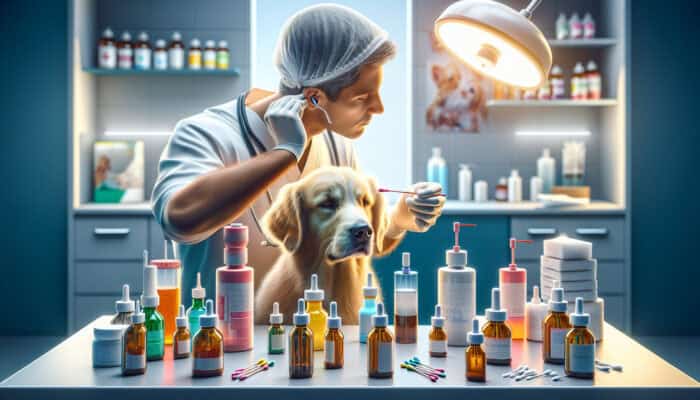
Table of Contents
Toggle
Ear Cleaning Solutions for Pets: Using ear-cleaning solutions is crucial for maintaining optimal hygiene and health in your pets’ ears. These products are specifically formulated to remove wax, debris, and dirt that can accumulate in the ear canal, helping prevent infections and enhancing your pet's comfort. For instance, many pet owners find that using these solutions can significantly relieve discomfort in dogs prone to ear infections, thereby improving their quality of life and overall health.
These ear cleaning solutions often contain gentle, non-irritating ingredients that are safe for various types of pets, making regular ear cleaning an essential part of their health care routines. By keeping your pet's ears clean, you not only support their auditory function but also help prevent serious complications later, such as chronic infections or irritation, which could lead to more severe health challenges.
The realm of pet ear care encompasses a variety of specialized formulations, each designed to address different needs and conditions. For example, certain solutions focus on moisture control, which is particularly beneficial for pets residing in humid environments. Others are infused with antibacterial properties, making them ideal for pets that frequently experience ear infections.
When choosing an ear cleaning solution, consulting with a veterinarian is vital, as they can advise on the best option tailored to your pet’s health history and specific ear condition. High-quality ear cleaning products typically feature natural ingredients, ensuring effective cleaning while minimizing irritation or discomfort during use.
Consistent ear cleaning contributes significantly to your pet's overall health and well-being. By preventing the accumulation of wax and debris, pet owners can help prevent hearing problems and promote greater comfort for their pets. For example, many guardians of cats and dogs have observed noticeable improvements in their pets’ behavior after establishing a routine for ear cleaning.
This simple yet highly effective practice not only enhances your pet's quality of life but also plays a crucial role in their long-term health. Regular ear cleaning helps reduce the likelihood of common issues such as infections or inflammation, thus leading to fewer visits to the veterinarian and a happier, healthier pet overall.

Choosing the right ear cleaning solution necessitates careful evaluation of several important factors. Begin by assessing your pet's sensitivity to various ingredients, as some animals may have allergies or adverse reactions to specific components. Understanding your pet's individual needs is imperative to ensure both safety and effectiveness.
Furthermore, consider the specific type of ear condition your pet may be facing. For instance, pets with a history of ear infections might benefit from antibacterial solutions. At the same time, those prone to moisture-related problems may require drying agents to maintain ear health. Always prioritize your pet's safety by seeking a veterinarian's guidance when determining the most suitable product.
The formulation of an ear-cleaning solution is critical to determining its cleaning efficacy and soothing properties within the ear canal. Various formulations address specific ear health concerns, whether for moisture control, infection prevention, or general cleaning. Selecting the right formulation can significantly enhance the treatment's overall effectiveness.
For example, solutions that maintain a balanced pH level are often more successful in preventing discomfort and irritation. A well-balanced product can help preserve healthy ear flora, reducing the likelihood of infections developing. Therefore, understanding the specifics of the formulation can prevent complications and improve your pet's overall health outcomes.

Identifying the essential ingredients in ear-cleaning solutions is vital for effective ear care. Look for gentle cleansers that efficiently eliminate dirt and debris without irritating. Natural oils, such as aloe vera or tea tree oil, provide soothing benefits while effectively cleaning the ear canal.
Additionally, ingredients such as witch hazel and chamomile can help reduce inflammation and promote healing in irritated ears. Recognizing these critical components empowers pet owners to make informed decisions regarding their pet’s ear care routine, ensuring that the chosen solution is both safe and effective.
Veterinary experts advocate establishing a regular ear-cleaning schedule to promote optimal ear health in pets. This routine should include regular checks for dirt, debris, or signs of infection, ideally during grooming sessions. Professionals typically recommend cleaning your pet’s ears every 1-2 weeks, depending on factors such as breed and ear type.
Moreover, utilizing an approved cleaning solution will help maintain hygiene without causing discomfort. It is advisable to gently massage the base of the ear during application to ensure the cleaning solution is evenly distributed, thus enhancing its effectiveness while keeping your pet calm and relaxed throughout the process.
Veterinary professionals evaluate ear-cleaning solutions based on clinical trials and observable responses in pets. They examine factors such as pH balance and the effectiveness of debris removal, both of which are crucial for achieving optimal results. A solution that maintains an appropriate pH level is essential in preventing irritation and promoting ear health.
Additionally, experts often rely on pet owners' feedback about their pets' reactions to a specific product. This firsthand evaluation aids in refining recommendations, ensuring that pet owners can select solutions that are both effective and well-tolerated by their pets.
Overuse of ear-cleaning solutions can pose risks, including irritation or damage to the ear canal. Experts stress the importance of closely monitoring your pet’s ear condition and adjusting the cleaning frequency as needed. For example, if a pet exhibits signs of excessive wax buildup, more frequent cleaning may be warranted, whereas signs of irritation could indicate that the cleaning process is being overdone.
In practical terms, pet owners should remain vigilant in observing their pets for any adverse reactions after the application of cleaning solutions. Should irritation arise, it is critical to stop using the product and consult a veterinarian to find an appropriate alternative. This proactive approach ensures the safety and well-being of your beloved pet.
Studies have shown that ear-cleaning solutions significantly reduce infection rates in pets. By effectively clearing debris and maintaining a clean ear canal, these solutions enhance auditory function and reduce the need for veterinary visits. Key benefits associated with routine application include:
These findings emphasize the importance of incorporating ear cleaning solutions into pet care routines, highlighting their role in preventing more serious health issues down the line.
Longitudinal studies indicate that consistent use of ear cleaning solutions reduces the likelihood of chronic ear issues in pets. This preventive approach underscores the importance of routine ear cleaning, demonstrating how it contributes to overall health and vitality in animals.
Essentially, the data reinforces the need for pet owners to adopt regular ear cleaning as an integral part of their pet care, ensuring early detection and intervention for potential issues.
Studies suggest that gentle application techniques are optimal for effectiveness. When applying a cleaning solution, pet owners should use a generous amount in the ear canal while avoiding deep insertion of the applicator. Massaging the base of the ear can help distribute the solution, ensuring it reaches all areas requiring cleaning.
This method, as recommended by experts, ensures that the solutions perform as intended, providing both cleaning and soothing benefits. Adhering to these guidelines will enable pet owners to achieve the desired results while minimizing the risk of irritation or injury to their pets.
Research comparing ear cleaning solutions with alternative treatments indicates that these solutions offer superior debris removal, lower infection rates, and greater pet comfort. Unlike home remedies, which may lack effectiveness or pose risks, veterinary-approved cleaning solutions are specifically formulated to address ear health efficiently and safely.
This evidence highlights the preference for ear-cleaning solutions in veterinary practices, as they have proven effective and safe for ongoing ear health maintenance. Therefore, pet owners should prioritize these solutions as a primary method for managing their pets' ear hygiene.
Utilizing improper techniques during ear cleaning can result in irritation or insufficient cleaning, ultimately undermining the purpose of employing a cleaning solution. For example, applying excessive force while administering the solution can cause discomfort, leading to a negative association with the cleaning process for the pet.
It is essential to adhere to recommended practices to ensure your pet's comfort and health. Ensuring the solution reaches all necessary areas without irritating is vital for achieving the desired results while keeping the pet calm and relaxed throughout the process.
Being able to recognize application errors early is crucial topreventingt the escalation of ear-related problems. Common indicators of improper application include signs of discomfort during cleaning or visible buildup that remains after use. By paying close attention to these signs, pet owners can adjust their techniques or seek professional advice from a veterinarian.
Employing effective methods ensures that solutions function as intended without causing harm. Promptly correcting any mistakes will help maintain ear health and prevent long-term issues, making it essential for pet owners to be attentive to their pets' reactions during cleaning sessions.
Overcleaning can indeed strip the ear canal of its natural defenses, leading to dryness and irritation. Finding the appropriate balance for cleaning frequency is key to safe practices. For instance, while some pets may benefit from weekly cleaning, others may only require monthly maintenance.
Understanding your pet’s unique ear care needs is vital in establishing an effective cleaning schedule that promotes health without causing harm. Monitoring your pet's reactions to cleaning will help you make necessary adjustments to this routine, ensuring their well-being.
Neglecting to seek professional advice can result in misdiagnosis or improper treatment of ear conditions. Consulting with a veterinarian ensures you receive customized solutions tailored to your pet's individual conditions, preventing the worsening of ear problems and promoting their overall health.
Veterinarians can provide valuable insights into the most suitable cleaning products and techniques for each pet, helping to avoid unnecessary complications and ensuring that your pet receives the highest standard of care for their ear health.
Developing a regular cleaning schedule is essential for maintaining ear health in pets. Regular cleaning enables early detection of issues, allowing prompt intervention if concerns arise. Integrating this routine into your pet care practices is straightforward and can be aligned with grooming sessions.
By establishing a consistent schedule, pet owners can ensure that their pets' ears remain healthy and free from infections, ultimately contributing to their overall well-being. Consistency is crucial, enabling pet owners to become familiar with their pets’ ear conditions and identify any changes that may require attention.
Combining ear cleaning solutions with regular grooming practices elevates overall pet hygiene. Incorporating grooming not only addresses ear health but also improves the pet's appearance and comfort. For example, regular brushing combined with ear cleaning can help minimize the risk of matting and associated ear issues.
Integrating complementary practices, such as routine veterinary check-ups, ensures a holistic approach to ear maintenance. This multi-faceted strategy results in better outcomes and long-term health for pets, creating a more enjoyable experience for both pets and their owners.
Keeping track of your pet's reactions to ear cleaning solutions is essential for ongoing success. By observing changes in your pet’s behavior, comfort level, and overall ear health, you can adjust your cleaning strategy as needed. Monitoring allows pet owners to assess the effectiveness of the solution and make informed decisions regarding future care.
This proactive approach ensures sustained ear health and well-being, ultimately contributing to a higher quality of life for pets. Being attentive and responsive to your pet’s needs fosters a trustworthy environment where they can thrive.
Routine ear cleaning every 1-2 weeks is generally recommended, but the frequency may vary based on your pet’s unique needs and ear conditions. Consulting your veterinarian for personalized advice is advisable.
No, human ear cleaning products may contain harmful ingredients for pets. Always opt for veterinarian-approved solutions specifically formulated for animals to ensure safety and effectiveness.
Signs that your pet may require ear cleaning include excessive scratching, head shaking, unpleasant odors, or visible dirt and wax buildup in the ear canal. If you observe these signs, consider cleaning their ears or consulting your veterinarian for guidance.
Certain natural alternatives, such as diluted apple cider vinegar or coconut oil, may be used. Still, it is essential to consult your veterinarian before trying any home remedies to ensure they are safe and effective for your pet.
If your pet shows resistance to ear cleaning, consider gradually acclimating them to the process with positive reinforcement. Introduce the cleaning gradually and reward them with treats to make the experience more enjoyable.
Yes, overcleaning can remove the ear canal's natural protective barriers, leading to dryness and irritation. Striking a balance in cleaning frequency is crucial, and closely monitoring your pet’s response is important for safe practices.
Look for signs such as decreased wax buildup, reduced odor, and improved comfort in your pet. If you observe positive changes in these areas, the solution is likely effective.
Yes, seeking a veterinarian's advice is vital to obtain tailored recommendations and ensure you’re using the correct products for your pet’s specific ear health requirements.
If you suspect your pet has an ear infection, it is crucial to refrain from cleaning and to consult your veterinarian immediately for proper diagnosis and treatment.
Yes, breeds with floppy ears, such as Cocker Spaniels and Basset Hounds, tend to be more prone to ear issues due to reduced airflow. Regular cleaning is particularly important for these breeds to maintain ear health.
Tags
Essential Steps for Assembling Your Puppy’s Crate Accurate Measurements for Your Puppy’s Size To guarantee that your puppy’s crate is both comfortable and secure, precise
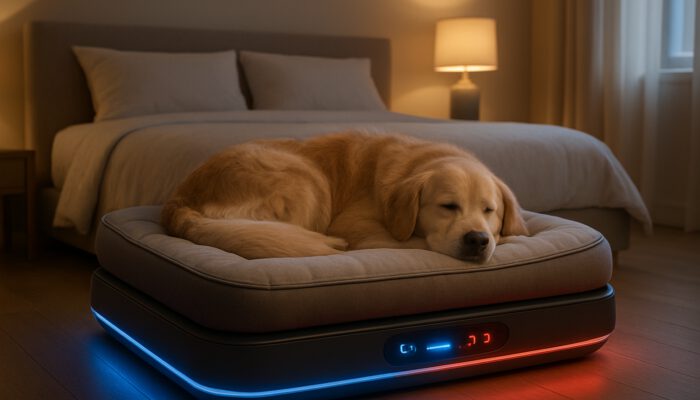
Understanding the Features of Temperature-Controlled Pet Beds Key Components of Temperature-Controlled Beds The essential elements that enable temperature-controlled beds for pets to maintain comfortable temperatures
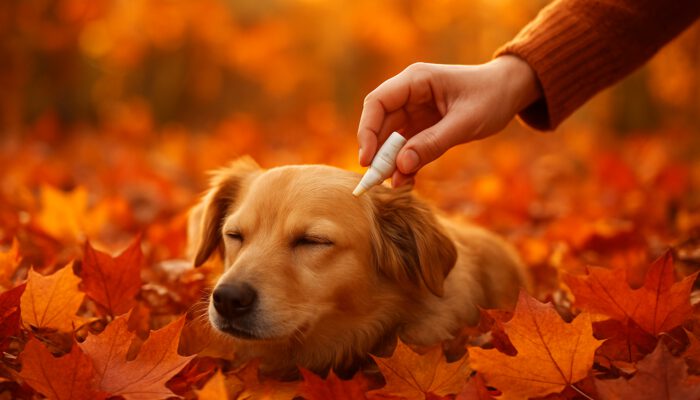
Navigate Seasonal Flea Challenges for Your Pets How to Spot the Early Signs of Flea Infestation Early detection of flea activity is essential for pet
By subscribing to our newsletter you agree to our Terms and Conditions and Privacy Policy
What a fascinating breakdown of tail wagging! I’ve always been intrigued by how much communication dogs can convey through such simple gestures. I’ve noticed that my own dog has a unique “wag” for different situations. For instance, when we play fetch, his tail wags in a wide arc, showing pure joy, but there’s a distinct difference in his stance when he’s meeting a new dog—his tail is lower and more hesitant.
This is such an intriguing exploration of the nuances behind dog tail wags. I’ve found that understanding the way our dogs communicate can significantly enhance the bond we share with them. For example, I’ve noticed that my dog, Oliver, has a unique way of wagging his tail when he meets new people compared to when he greets family members. With strangers, the wag tends to be lower and more cautious, which seems to echo some of the sentiments you’ve shared about stress or fear. However, when it’s family, his tail is high and the wag is super energetic, truly reflecting his joy.