


Crate Setup for Puppy Comfort: Tips for a Cozy Space
Essential Steps for Assembling Your Puppy’s Crate Accurate Measurements for Your Puppy’s Size To guarantee that your puppy’s crate is both comfortable and secure, precise
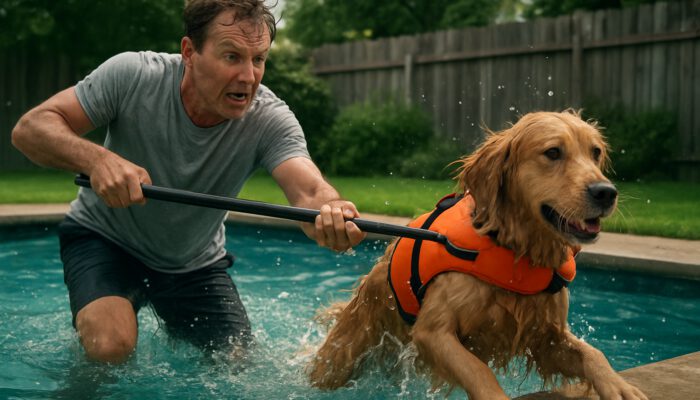
Table of Contents
Toggle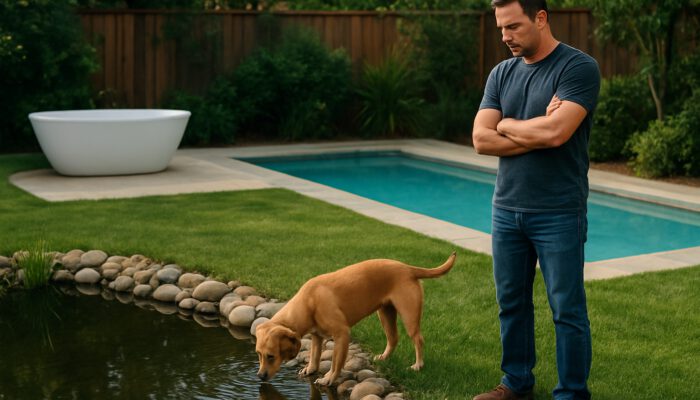
As a pet owner, it's crucial to understand that everyday water sources such as pools, bathtubs, and ponds can present significant dangers to pets of all sizes and breeds. These environments can quickly turn hazardous if pets are left unattended, highlighting the importance of constant vigilance at home. Even a few inches of water can lead to accidental drownings, making it vital to monitor how and where pets interact with these risks.
Many pet owners may not fully grasp the dangers associated with seemingly innocuous water sources. For example, an adventurous dog might leap into a pool without realizing the risks involved. Similarly, cats can find themselves in precarious situations near water, especially when they are curious about its movement. Awareness of these risks is the first step toward preventing tragic incidents.
To reduce these dangers, pet owners should actively supervise their pets near any water sources and implement safety measures. This includes teaching pets to respect boundaries and establishing safe areas away from hazardous locations. By remaining attentive and proactive, owners can significantly decrease the likelihood of drowning incidents in their homes.
Careful observation of pets can help identify distress signals, such as unusual splashing or signs of panic in water environments. These behaviors may indicate that a pet is struggling or in danger, allowing for swift intervention before situations escalate into emergencies. Understanding these warning signs is essential for any pet owner who allows their animals access to water.
Common indicators of distress include frantic paddling, excessive barking, or attempts to escape the water. Pets may also show signs of fatigue or distress, such as sinking or having difficulty staying afloat. Being able to recognize these signals can be lifesaving, making it essential for owners to stay alert during water activities.
Apart from recognizing distress signals, owners should also familiarize themselves with their pets' swimming abilities. Not all animals are natural swimmers, and some may panic when in water. By understanding their pet's strengths and limitations, owners can take preventive measures to ensure their safety.
Changes in weather affect water safety, with warmer months leading to increased outdoor activity and a higher likelihood of incidents. Year-round preparation is essential for all households. Each season presents unique challenges for pet safety around water, making it critical for owners to stay informed and proactive.
During spring and summer, pets are more likely to be near pools, lakes, and beaches. Owners should ensure their pets are supervised and that safety measures like fencing and flotation devices are in place. In the fall and winter, colder temperatures can introduce additional risks, such as icy surfaces or unexpected water hazards.
To raise awareness, consider the following key benefits of awareness campaigns:
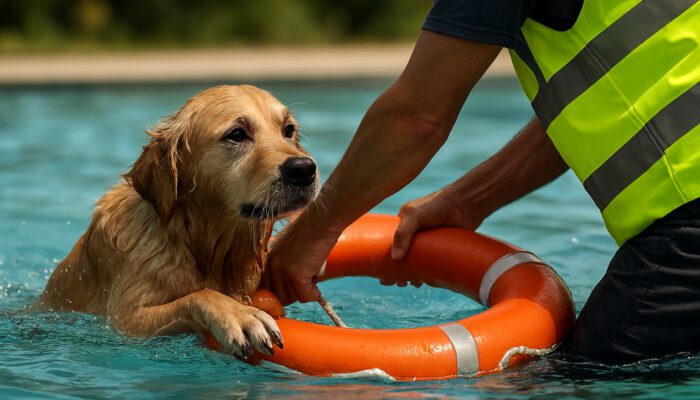
Installing appropriate fencing and covers around any water features provides reliable protection that minimizes access risks for curious pets exploring their environment. Such barriers can greatly reduce the chances of accidental drownings, offering peace of mind to pet owners.
When selecting fencing, ensure it is tall enough to prevent pets from jumping over and strong enough to withstand attempts to breach it. Pool covers must be designed for safety, preventing pets from falling in while unsupervised. Regular maintenance of these barriers is also vital to ensure they remain effective.
Beyond physical barriers, consider incorporating alarms or sensors that alert owners when a pet approaches a water hazard. These technological solutions can provide an additional layer of safety, allowing for prompt intervention if a pet gets too close to a dangerous area.
Ensuring direct oversight during bath time or play near water allows for immediate responses, reducing potential harm through proactive monitoring techniques. Supervision is a fundamental aspect of pet safety, particularly in environments where water is present.
Establishing clear supervision protocols can help owners stay vigilant. This includes designating specific zones for water play, ensuring that pets are only allowed in these areas when an adult is present. Setting time limits for water activities can also help prevent fatigue and decrease the risk of accidents.
Consider using leashes or harnesses when introducing pets to new water environments. This approach allows for better control and helps prevent sudden escapes or jumps into dangerous areas. A well-structured supervision plan can ultimately improve safety and enjoyment for both pets and their owners.

Establishing quick access to veterinary services supports faster responses when incidents occur, necessitating organized planning in advance. Knowing the locations and contact information of local veterinary clinics, emergency animal hospitals, and poison control centers is essential for all pet owners.
Create a list of emergency contacts and keep it in a visible spot, such as on the refrigerator or saved on your phone. This list should include names and numbers of nearby veterinarians, emergency services, and any relevant hotlines. In times of crisis, having this information readily available can save valuable minutes.
Regularly review and update your emergency contact list to ensure all information is current. Familiarize yourself with the protocols of local veterinary services, as some may have specific instructions for managing water-related emergencies. Being prepared can significantly impact the outcome of a water incident involving pets.
Acquiring essential resuscitation techniques equips individuals to act decisively in urgent situations, preserving life until professional help arrives promptly. Basic first aid knowledge is invaluable for pet owners, especially in scenarios involving drowning or near-drowning incidents.
Begin by familiarizing yourself with the signs of distress and understanding how to perform CPR on pets. For dogs and cats, this generally involves checking for breathing and pulse, clearing the airway, and administering rescue breaths or chest compressions as necessary. Online courses and local workshops can provide hands-on training in these critical skills.
Keep a first aid kit specifically designed for pets, stocked with essential items such as gauze, antiseptic wipes, and muzzles. This kit should be easily accessible and checked regularly to ensure that all items are in good condition. Having the right tools and knowledge can significantly improve the chances of a positive outcome in emergencies.
Regularly simulating emergency scenarios builds confidence and muscle memory, enabling calm and effective responses when real events unfold unexpectedly. Practicing potential drowning scenarios with your pet can help both owner and animal react more effectively in times of crisis.
Start with simple drills that mimic potential drowning situations. For instance, practice guiding your pet towards a safe exit from a pool or pond. Use positive reinforcement to encourage your pet to follow commands and respond appropriately. This training can help ease panic during actual emergencies.
Involve the entire family in these practice drills to ensure everyone understands their roles during a water emergency. This collective preparedness fosters teamwork and increases the likelihood of a successful rescue. Regularly revisiting these drills reinforces skills and builds confidence in handling water-related incidents.
Engaging all household members in planning fosters collective readiness, enhancing overall safety outcomes through shared knowledge. Family involvement is vital for developing a comprehensive drowning prevention plan that everyone understands and can execute.
Start by discussing the risks associated with water and the importance of supervision. Assign specific responsibilities to each family member, such as monitoring pets during water activities or maintaining emergency contact lists. This delegation of tasks ensures that everyone is aware of their role in keeping pets safe.
Consider organizing family meetings to review safety protocols and practice emergency drills together. These gatherings can also serve as opportunities to share experiences and learn from one another. By fostering a culture of safety and preparedness within the household, families can significantly reduce the risks associated with drowning incidents.
Creating specialized emergency supply kits stocked with essential items allows owners to sustain themselves and signal for help effectively when water-related disasters strike unexpectedly. These kits should be tailored to address the specific needs of pets and their owners during emergencies.
Essential items to include in your emergency supply kit are non-perishable food, clean water, medical supplies, and signaling tools. Non-perishable food should cater to your pet's dietary needs, while clean water is vital for hydration during prolonged emergencies. Medical supplies may include bandages, antiseptic, and any medications your pet may require.
Consider including items that aid communication, such as whistles or flares, to signal for help if necessary. Regularly check and replenish your emergency supply kit to ensure that all items remain current and functional. Being prepared with the right supplies can significantly enhance your ability to respond effectively in a crisis.
Experts employ various assessment methods to thoroughly evaluate home water risks and recommend tailored adjustments. Engaging professionals can provide valuable insights into specific hazards present in your environment and how to effectively mitigate them.
Common assessment tools include risk evaluation checklists, home inspections, and safety audits. These assessments can reveal potential dangers, such as inadequate fencing around pools or unmonitored access to ponds. Professionals may also suggest modifications that enhance safety, such as installing alarms or creating designated pet-safe areas.
After the assessment, it is crucial to implement the recommended changes promptly. Regular follow-ups with professionals can help maintain safety standards and adapt to any new risks that may arise. By proactively addressing water safety concerns, owners can create a safer environment for their pets.
Mastering specialized rescue techniques minimizes injury during the extraction of pets from water bodies. Training in advanced rescue methods can empower pet owners to act confidently and effectively in emergency situations, ensuring the safety of both the pet and the rescuer.
Start by learning the correct techniques for approaching a distressed pet in water. This includes understanding how to use flotation devices or reaching aids to minimize personal risk. Training sessions with professionals can provide hands-on experience, allowing owners to practice these techniques in controlled environments.
To physical techniques, owners should also be trained in calming methods to help soothe distressed pets. Knowing how to approach a frightened animal can prevent further panic and facilitate a successful rescue. Continuous practice and training can enhance these skills, making pet owners more prepared for emergencies.
Expert analysis of common pitfalls observed in past incidents highlights preventive adjustments for better outcomes. By reviewing real-life case studies, pet owners can learn from others’ experiences and implement strategies to avoid similar situations.
Frequent pitfalls include lack of supervision, inadequate barriers, and insufficient emergency preparedness. Analyzing these cases can reveal patterns and trends that may not be immediately apparent. For example, many incidents occur when pets are left unattended near water, underscoring the importance of constant supervision.
Incorporating lessons from case studies into safety plans can lead to more effective prevention strategies. By understanding what went wrong in previous incidents, owners can take proactive measures to protect their pets and create a safer environment. Regularly reviewing these case studies can also keep safety practices fresh and relevant.
Selecting appropriate life vests designed specifically for animals provides essential buoyancy support during water activities, promoting safer experiences overall. Flotation devices are critical for pets, especially those that may not be strong swimmers or are unfamiliar with water.
When choosing a flotation device, look for one designed specifically for your pet’s size and weight. Ensure that it fits snugly but comfortably, allowing for freedom of movement while providing adequate support. Many vests come equipped with handles, making it easier to lift pets from the water if necessary.
Introduce your pet to the flotation device gradually, allowing them to acclimate to wearing it before engaging in water activities. Positive reinforcement can help make this experience enjoyable, ensuring that your pet is comfortable and cooperative when it matters most. Proper flotation devices can greatly enhance safety during water-related activities.
Employing poles or ropes allows for distance assistance without directly entering hazardous zones, effectively protecting both pet and rescuer. Reaching aids can be invaluable in emergencies, enabling owners to assist their pets while minimizing personal risk.
When selecting reaching aids, consider options such as long poles with hooks, rescue ropes, or even extendable nets. These tools can help retrieve pets from water without putting the rescuer in danger. Training in their use is essential, as improper handling can lead to accidents or injury.
To physical tools, ensure you have a plan for using reaching aids during emergencies. Practicing scenarios with your pet can help ensure a smooth response if a rescue becomes necessary. Being prepared with the right equipment and knowledge can significantly improve outcomes during water emergencies.
Portable alerts facilitate rapid coordination with nearby support networks, expediting critical interventions. Communication devices play a vital role in ensuring that help can be summoned quickly during a water emergency.
Consider using modern gadgets such as smartphones, two-way radios, or emergency alert systems to stay in touch with others during water-related activities. Ensure that everyone involved knows how to use these devices effectively, allowing for quick communication when needed.
Familiarize yourself with local emergency services and their contact information. In a crisis, knowing who to call and having their information readily available can save valuable time. Keeping communication lines open can enhance safety and facilitate swift action in emergencies.
Utilizing specialized heat-resistant gloves along with durable protective clothing enables handlers to manage frightened or injured pets safely during emergency situations. Protective gear is essential for ensuring the safety of both the rescuer and the pet during water-related incidents.
When selecting protective gear, look for items that provide adequate coverage and are designed for the specific risks associated with pet rescues. Heat-resistant gloves can protect against bites or scratches, while durable clothing can shield against water exposure and debris.
Training in the proper use of protective gear is also crucial. Familiarize yourself with how to approach and handle a frightened or injured pet safely. This knowledge can help reduce the likelihood of injury and ensure a successful rescue. Being equipped with the right gear can make a significant difference in emergency situations.
Studies show that consistently following preventive measures results in lower injury rates, contributing to improved long-term wellbeing for animals. Implementing drowning prevention strategies can significantly enhance the overall health and safety of pets.
Research indicates that pets involved in water safety training and supervision experience fewer incidents of drowning and related injuries. This emphasizes the importance of education and proactive measures in safeguarding pets from water hazards. Consistent application of safety protocols can yield lasting benefits for both pets and their owners.
Pets regularly exposed to safe water environments tend to develop better swimming skills and confidence. This can lead to more enjoyable experiences during water activities, further promoting their physical and mental health. Investing in drowning prevention measures can result in significant long-term advantages for pets.
Preventive actions lower veterinary expenses associated with water-related traumas, providing economic benefits alongside safety improvements. By investing in drowning prevention strategies, pet owners can save on potential medical costs that may arise from accidents.
Consider the financial implications of water-related injuries, which can include emergency veterinary visits, treatments, and ongoing care. By implementing preventive measures, such as proper supervision and training, owners can significantly decrease the likelihood of these costly incidents.
Many insurance policies may offer discounts for pet owners who demonstrate responsible practices, such as completing safety training courses. This can provide additional financial incentives for implementing drowning prevention strategies. Overall, the economic benefits of prevention can be substantial.
Trained responses can alleviate anxiety levels in pets around water, fostering more relaxed interactions in various settings. Implementing drowning prevention strategies can lead to positive behavioral changes in pets, enhancing their overall wellbeing.
Pets that receive training in water safety often display less fear and anxiety when exposed to water environments. This can lead to more enjoyable experiences for both pets and their owners, allowing for greater bonding during activities like swimming or playing at the beach.
A confident pet is less likely to panic in emergencies, which can be crucial during a drowning incident. By fostering a positive relationship with water through training, owners can help their pets develop a healthy attitude toward aquatic environments. This proactive approach can lead to increased safety and enjoyment during water-related activities.
Enrolling in organized sessions teaches essential swimming and exit skills, building competence gradually over multiple lessons. Training programs specifically designed for pets can provide valuable skills that enhance safety around water.
These classes often cover vital topics such as swimming techniques, safe exits, and emergency responses. Professional trainers can guide owners and pets through structured lessons, ensuring that both understand the necessary skills to navigate water safely.
Regular attendance at these classes helps build a solid foundation for water safety. As pets progress, trainers can introduce more advanced techniques, reinforcing confidence and competence in aquatic environments. Investing in structured training programs can significantly improve a pet's safety and enjoyment around water.
Adapting exercises to domestic spaces allows for flexible practice opportunities tailored to individual pet needs and paces. Home-based training can complement formal classes, providing pets with additional exposure to water safety techniques in a familiar environment.
Begin by gradually introducing pets to water using shallow areas like kiddie pools or bathtubs. Encourage positive interactions with water through play and rewards, reinforcing their comfort and confidence. Gradually increase the complexity of exercises, such as teaching pets to exit the water safely.
Involving family members in home-based training can enhance the experience for pets. This collaborative approach fosters teamwork and ensures that all household members are equipped with the skills needed to keep pets safe. By practicing in a familiar setting, pets can build confidence and learn to respond effectively in various water situations.
Monitoring development through simple assessments reveals readiness levels, guiding further instructional focus areas. Tracking progress in pet training can help owners identify strengths and areas that require additional attention, ensuring a comprehensive approach to water safety.
Consider establishing benchmarks to evaluate your pet's skills. This may include assessing their swimming ability, comfort level in water, and responsiveness to commands. Regularly reviewing these metrics can help owners tailor their training efforts to meet their pet's specific needs.
Documenting progress can provide motivation for both pets and owners. Celebrating achievements, no matter how small, can enhance the training experience and encourage continued practice. By staying engaged and proactive in tracking progress, owners can foster a strong foundation for water safety.
Combining barrier and monitoring approaches has proven reliable across diverse households, creating a comprehensive safety strategy. A layered defense system enhances drowning prevention efforts by addressing multiple aspects of water safety.
Begin by implementing physical barriers, such as fencing or covers, to restrict access to hazardous areas. Complement these measures with supervision protocols and emergency preparedness plans. This multifaceted approach ensures that pets are protected from various risks associated with water.
Regularly evaluate the effectiveness of your layered defense system. This may involve assessing the condition of barriers, reviewing supervision practices, and updating emergency plans as necessary. By maintaining a proactive stance, owners can adapt to changing circumstances and continue prioritizing their pets' safety.
Providing actionable steps for maintaining current knowledge on evolving safety practices through regular updates is essential for pet owners. Staying informed about the latest developments in drowning prevention and rescue techniques can significantly enhance safety efforts.
Consider subscribing to newsletters, attending workshops, or joining online communities focused on pet safety. These resources can offer valuable insights into new training methods, equipment, and best practices for keeping pets safe around water.
Encourage family members to participate in ongoing education efforts, fostering a culture of safety within the household. By prioritizing continuous learning, owners can ensure they are well-equipped to handle water-related emergencies and keep their pets safe.
Periodic reviews that identify weaknesses and refine approaches for sustained effectiveness are crucial for drowning prevention strategies. Regular evaluations help owners assess the success of their safety measures and make necessary adjustments to enhance protection.
Start by conducting routine assessments of your home environment, focusing on potential water hazards and the effectiveness of existing safety measures. Engage family members in this process, encouraging them to share observations and suggestions for improvement.
Consider seeking feedback from professionals, such as trainers or veterinarians, who can provide expert insights into your current practices. By maintaining an open dialogue and regularly evaluating your strategies, you can ensure that your drowning prevention efforts remain effective and relevant.
Distributing resources widely builds collective understanding, empowering more individuals to implement protective measures successfully. Community awareness plays a vital role in drowning prevention, as shared knowledge can create safer environments for pets.
Consider organizing community events or workshops focused on pet safety around water. These gatherings can provide valuable resources, such as brochures, training demonstrations, and expert talks, fostering a culture of safety within the community.
Utilize social media platforms and local networks to share information and resources widely. By engaging with fellow pet owners and community members, you can create a supportive network that prioritizes drowning prevention and promotes best practices for pet safety.
Hosting workshops creates hands-on learning environments that reinforce key concepts through interactive demonstrations. Organizing community events focused on drowning prevention can significantly enhance awareness and safety practices among pet owners.
When planning an event, consider including practical demonstrations, expert speakers, and interactive activities that engage participants. Encourage attendees to bring their pets along for training sessions or safety drills, fostering a collaborative learning atmosphere.
Promote the event through local channels, such as community centers, veterinary clinics, and social media. Highlight the benefits of participation, such as increased knowledge, improved safety practices, and the opportunity to connect with other pet owners. By creating an engaging and informative event, you can inspire greater community involvement in drowning prevention efforts.
Ensuring easy access to guides supports widespread adoption of best practices, enhancing safety standards broadly. Making resources available to pet owners is crucial for promoting drowning prevention and rescue strategies.
Consider creating online platforms or local resource hubs where pet owners can access safety guides, training materials, and emergency contacts. Providing these resources in multiple languages can also ensure inclusivity and reach a broader audience.
Collaborate with local veterinary clinics, pet stores, and community organizations to distribute materials and promote awareness. By making information readily available, you can empower pet owners to take proactive steps in preventing drowning incidents and ensuring the safety of their animals.
Common signs of distress include splashing, frantic paddling, barking, or struggling to stay afloat. Observing these behaviors allows for quick intervention, which can prevent serious emergencies.
Install secure fencing around the pool, utilize safety covers, and supervise pets closely when they are near the water. Consider adding alarms to notify you if a pet enters the pool area.
Your pet emergency supply kit should contain non-perishable food, clean water, medical supplies, a leash, and signaling tools like whistles or flares for emergencies.
Enroll your pet in structured swimming classes or practice at home in shallow water. Use positive reinforcement to encourage comfort and confidence in the water.
Designate specific areas for water play, maintain direct oversight, and establish clear protocols for supervision. Use leashes or harnesses to maintain control when introducing pets to new water environments.
Regularly assess your pet's water safety plan, ideally every few months or after any significant changes in your environment or pet's behavior, to ensure it remains effective.
Yes, many organizations offer structured classes that concentrate on pet swimming and water safety. These programs help pets develop essential skills and confidence around water.
Quickly assess the situation and attempt to reach your pet using a flotation device or reaching aid. If they are in distress, call for help and perform CPR if needed while waiting for professional assistance.
Community awareness fosters a culture of safety, encouraging pet owners to share knowledge and resources. Hosting events and distributing information can empower more individuals to implement protective measures.
Teaching your pet water safety can lower the risk of drowning, enhance their confidence around water, and improve the overall enjoyment of water-related activities for both pet and owner.
Tags
Essential Steps for Assembling Your Puppy’s Crate Accurate Measurements for Your Puppy’s Size To guarantee that your puppy’s crate is both comfortable and secure, precise

Understanding the Features of Temperature-Controlled Pet Beds Key Components of Temperature-Controlled Beds The essential elements that enable temperature-controlled beds for pets to maintain comfortable temperatures

Navigate Seasonal Flea Challenges for Your Pets How to Spot the Early Signs of Flea Infestation Early detection of flea activity is essential for pet
By subscribing to our newsletter you agree to our Terms and Conditions and Privacy Policy