

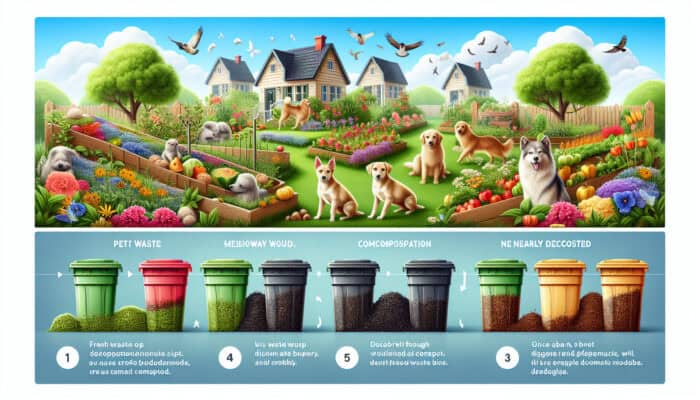
Comprehensive Guide to Compostable Pet Waste Management
Understanding Compostable Pet Waste: What Is It?

Compostable Waste Solutions for Pets: Compostable pet waste encompasses biodegradable materials generated by pets that can be transformed into nutrient-rich compost suitable for enriching soil. This category includes not only the feces of various animals but also specific types of litter crafted from organic, natural substances. The composting process facilitates the natural breakdown of these materials, enhancing soil fertility and reducing the environmental footprint linked to conventional waste disposal methods. By embracing compostable pet waste solutions, pet owners can actively engage in sustainable practices that foster ecological balance while responsibly managing their pets' waste.
This practice is gaining momentum globally among environmentally conscious pet owners who recognize the urgency of reducing landfill contributions. In communities worldwide, innovative recycling initiatives are taking root, promoting composting of pet waste alongside organic materials. This trend is emblematic of a broader movement toward sustainable living, emphasizing waste reduction and enhanced soil health.
What Types of Pet Waste Are Compostable?
A variety of pet waste types can be composted, including dog feces, cat litter made from natural materials like wood or paper, and bedding from small animals such as rabbits or guinea pigs. Each of these waste types comes with specific requirements for effective composting, ensuring safe and efficient processing.
For example, dog feces tend to harbor higher pathogen levels compared to other pet waste, which necessitates careful handling and specific composting conditions for safety. Biodegradable cat litter, often made from materials like corn or wheat, breaks down easily and adds value to compost when combined with other organic waste. Additionally, small animal bedding, typically made from paper or wood shavings, is compostable, providing essential carbon that balances the nitrogen in pet feces.
This diverse range of compostable materials empowers pet owners to craft a holistic waste management strategy, leveraging available resources while significantly reducing their ecological footprint.
Discovering the Advantages of Composting Pet Waste
Composting pet waste brings numerous advantages that extend well beyond basic waste management. One of the most compelling benefits is the substantial decrease in landfill waste. Conventional disposal methods contribute to the overwhelming amounts of trash filling landfills, while composting converts these materials into a precious resource. This transformative process not only diverts waste from landfills but also mitigates the harmful methane emissions that occur during anaerobic decomposition in landfill settings.
Moreover, composting pet waste enriches soil by providing vital nutrients that foster plant growth. The resulting compost enhances soil structure, improving moisture retention and leading to healthier gardens and landscapes. This positive transformation aligns with a more sustainable approach to pet ownership, enabling owners to enhance their environments significantly.
Additionally, actively engaging in composting practices helps diminish the carbon footprint associated with pet ownership. By adopting these eco-friendly methods, pet owners can showcase their dedication to sustainability, motivating others in their communities to consider similar practices.
How Can You Start Composting Pet Waste Effectively?

To embark on your composting journey, selecting the right compost bin tailored to your needs is essential. Various options exist, ranging from tumblers and bins to in-ground systems. An ideal composter should possess specific attributes, including:
- Durability to endure outdoor conditions
- Effective ventilation to promote aeration
- A sealed design to deter pests
- A size that accommodates your pet's waste output
Choosing an appropriate location for your composter is equally critical; it should be easily accessible for waste collection while positioned in an area that receives adequate sunlight and airflow.
Once you have selected a composter, the next steps involve consistently collecting waste and adding it to your composting system, along with carbon-rich materials like dried leaves or shredded paper. Maintaining appropriate moisture levels is vital for the decomposition process, so regularly monitoring the compost and adding water as needed is crucial. Turning the compost periodically ensures proper aeration, accelerates decomposition, and minimizes odors.
Starting this journey requires a commitment to learning and adapting your methods to ensure successful composting of pet waste.
What Safety and Health Considerations Should You Keep in Mind?
When composting pet waste, prioritizing safety and proper handling is crucial to avoid potential health risks. The presence of pathogens in pet feces demands a cautious approach. Always wear gloves when handling waste and wash your hands thoroughly afterward to prevent contamination and protect your health.
It is essential to avoid using composted pet waste on edible plants, as the pathogens it may contain pose serious health risks if ingested. Instead, consider utilizing compost derived from pet waste for ornamental plants or landscaping, where the risk of exposure is considerably lower.
Additionally, ensure your composter is secured against pets and wildlife to prevent unwanted access that could pose health hazards. By adhering to these safety protocols, you can achieve a successful composting experience while prioritizing hygiene and health.
Choosing the Right Composter for Pet Waste
Selecting the appropriate composter for pet waste involves evaluating several factors that will enhance your composting experience. The size should accommodate the volume of waste produced by your pets, offering sufficient space for proper aeration and breakdown. The construction materials are also vital; options like durable plastic, wood, or metal can serve as composters, provided they maintain their structural integrity against outdoor elements.
When assessing potential composters, look for features such as:
- Ventilation: Proper airflow is critical for promoting aerobic decomposition.
- Accessibility: Easy access for adding material and turning the compost is essential.
- Security: Ensure the design prevents pest and wildlife entry.
- Portability: If you intend to relocate your composter, opt for a lightweight design.
A tumbler composter can be particularly advantageous for pet waste, as it facilitates easy mixing of materials, promoting faster decomposition. Alternatively, in-ground composting systems can offer a more efficient, low-maintenance solution, especially if you have a larger yard and want to integrate composting into your landscape.
Understanding these factors will empower you to choose the most suitable composter for your unique situation.
What Steps Should You Follow to Compost Pet Waste Successfully?

To compost pet waste effectively, a series of methodical steps must be followed. Start by collecting your pet's waste daily to keep it fresh and limit odors. Ideally, utilize biodegradable bags for collection and transfer the waste directly to the composter.
The next step is to incorporate the collected waste into the composter, along with carbon-rich materials such as dried leaves, shredded cardboard, or sawdust. Maintaining a balance between nitrogen-rich (pet waste) and carbon-rich materials is vital for a successful composting process.
Aeration plays a critical role in decomposition; therefore, ensure you regularly turn the compost to promote airflow and enhance breakdown. Monitoring moisture levels is equally important; the compost should feel like a damp sponge, not overly wet. If it becomes too dry, adding water or additional green materials will help create the optimal environment for decomposition.
Regularly checking the compost's temperature can provide insights into the breakdown progress, allowing you to make necessary adjustments to optimize the composting process.
What Safety Measures Are Essential for Composting Pet Waste?
Implementing safety measures when composting pet waste is vital to protecting your health and ensuring the composting process is effective. Always wear gloves while handling pet waste, and consider using a mask if you are sensitive to odors or dust. Make sure to secure the composter to prevent pets and wildlife from introducing contaminants and disrupting the composting process.
Following established guidelines for composting pet waste is crucial. For instance, ensuring the compost reaches at least 140°F (60°C) will help eliminate harmful pathogens. Achieving this high temperature typically requires a combination of proper aeration, moisture balance, and the right materials.
It is also vital to avoid mixing pet waste with compost intended for edible plants, as the potential for pathogen transfer poses health risks. Instead, designate the compost derived from pet waste for landscaping or ornamental plants. By adhering to these safety measures, you can create an effective and sustainable solution for pet waste management while prioritizing health.
Avoiding Common Mistakes When Composting Pet Waste
Avoiding common pitfalls in composting pet waste is crucial to ensuring a successful, effective process. One of the most frequent errors is overfilling the composter. Excess material can lead to inadequate airflow, hindering proper decomposition and potentially causing unpleasant odors.
Neglecting aeration is another mistake that can significantly impede the composting process. Regularly turning the compost is essential for maintaining oxygen levels and accelerating the breakdown of materials.
Mixing pet waste with conventional compost can pose health risks and yield ineffective compost. Instead, keep pet waste separate and ensure it is processed appropriately to eliminate pathogens before using it.
Monitoring moisture levels is vital; both excessive dryness and wetness can disrupt the composting process. Aim for a balanced moisture level to ensure efficient decomposition. By understanding and avoiding these common mistakes, pet owners can create a successful composting system that benefits their gardens and the environment.
Insights from Experts on Compostable Waste Solutions for Pets
Real-World Examples of Successful Composting Initiatives
The successful composting of pet waste is evident in the various innovative practices adopted by pet owners worldwide. Numerous communities have initiated composting programs that effectively integrate pet waste management into broader environmental initiatives. For instance, in urban centers like San Francisco, pet owners have embraced community composting projects in which pet waste is collected and composted collectively. This model not only alleviates individual waste management burdens but also enriches local soil, exemplifying the communal benefits of composting.
Another noteworthy example is the implementation of specialized pet waste composting systems in parks and recreational areas. In cities such as Toronto, dedicated compost bins for pet waste encourage responsible disposal and transform pet waste into valuable compost for public green spaces. The successful implementation of these systems underscores the importance of public awareness and accessibility in promoting sustainable practices.
Pet owners who have incorporated pet waste composting into their routines often report positive outcomes, including enhanced garden health and improved soil quality. Key case studies include:
- A family in Australia is utilizing a worm composting system specifically designed for pet waste, resulting in rich soil for their vegetable garden.
- A community garden in the UK that incorporates composted pet waste to improve soil fertility, leading to thriving plants and a reduction in chemical fertilizers.
- Various programs in Germany that collect pet waste separately and compost it at municipal facilities demonstrate effective waste management on a larger scale.
- A small-scale composting initiative in a New Zealand town that converts pet waste into compost for local parks, fostering community involvement and environmental stewardship.
These examples illustrate how thoughtful composting practices can lead to significant environmental benefits while enhancing community engagement and promoting sustainability in pet ownership.
Actionable Steps for Beginners in Pet Waste Composting
For individuals new to composting pet waste, taking actionable steps can simplify the process and set you up for success. Start by selecting a suitable composter that meets your needs and aligns with the available space. Once you’ve made your choice, familiarize yourself with the composting process by researching best practices and guidelines specific to pet waste.
Begin collecting pet waste daily, using biodegradable bags for convenient handling. Don’t forget to incorporate carbon-rich materials, such as dried leaves or shredded paper, to create a balanced compost mix. Regularly turning the compost to maintain airflow and prevent odors, while also monitoring moisture levels for optimal decomposition conditions, is essential.
Understanding safety protocols is also crucial. Always wear gloves when handling waste and wash your hands afterward to prevent contamination. Please educate yourself about what materials can and cannot be composted, especially when it comes to pet waste.
By following these actionable steps, beginners can effectively navigate the composting process, turning pet waste into a valuable resource that benefits both the environment and personal gardens.
Expert Analysis of Composting Challenges and Solutions
Experts in composting often highlight common challenges in managing pet waste. One significant issue is odor control. Unpleasant smells can arise from poorly maintained compost, so it’s vital to ensure good aeration and a balanced mix of green and brown materials. Adding odor-reducing additives such as wood chips or shredded paper can help mitigate this issue.
Pathogen management poses another challenge, as pet waste can harbor harmful bacteria and parasites. High-temperature composting methods are crucial for effectively eliminating these pathogens; maintaining temperatures above 140°F (60°C) ensures safe compost production.
Time efficiency is also a concern for many pet owners. Composting pet waste can require longer than traditional waste disposal methods, so patience and regular monitoring are essential. Utilizing a well-structured system, such as a tumbler composter or in-ground system, can enhance the overall efficiency of the composting process.
By addressing these challenges with informed solutions and strategies, pet owners can successfully navigate the complexities of composting pet waste, achieving sustainable outcomes that benefit their gardens and the environment.
Exploring the Benefits of Composting Pet Waste
Environmental Impact of Composting Pet Waste
The environmental impact of composting pet waste is profound and multifaceted. One of the most notable benefits is the significant waste reduction sent to landfills. Traditional methods of disposing of pet waste contribute significantly to landfill overflows, where materials decompose anaerobically, producing harmful methane emissions. By composting pet waste, pet owners can actively help reduce this environmental burden, divert waste from landfills, and transform it into a beneficial resource.
Moreover, composting pet waste reduces greenhouse gas emissions, which is crucial in the fight against climate change. When composted correctly, organic matter in pet waste breaks down into nutrient-rich compost rather than producing harmful gases associated with landfill decomposition. This not only promotes healthier ecosystems but also supports sustainable practices that resonate with environmentally-conscious pet owners worldwide.
The practice of composting pet waste promotes sustainable pet care practices, encouraging pet owners to adopt a holistic approach to their responsibilities. This proactive engagement in waste management contributes to a more sustainable future, fostering a culture of environmental stewardship that benefits communities and ecosystems alike.
How Composting Enhances Soil Health
Composting pet waste plays a vital role in improving soil health, enriching it with essential nutrients and organic matter that enhance plant growth. The compost produced from pet waste is rich in nitrogen, phosphorus, and potassium—key elements that contribute to robust plant development. When applied to gardens or landscapes, this nutrient-rich compost not only nourishes plants but also improves soil structure, enhancing aeration, drainage, and moisture retention.
The organic matter in compost acts like a sponge, holding moisture and nutrients in the soil, making them more available to plants. This quality is particularly beneficial in drought-prone regions where water conservation is critical. By enhancing water retention, composting pet waste can lead to healthier plants with reduced need for irrigation.
Furthermore, compost helps foster beneficial microbial activity in the soil, promoting a balanced ecosystem that supports plant health. These microorganisms break down organic matter, slowly releasing nutrients that contribute to long-term soil fertility. This holistic improvement in soil health is vital for sustainable gardening practices, allowing pet owners to nurture their plants while minimizing their ecological footprint.
Economic Benefits of Composting Pet Waste
Composting pet waste offers notable economic benefits to pet owners, primarily through cost savings on waste disposal and gardening expenses. By composting their pet waste, owners can significantly reduce the volume of waste sent to landfills, resulting in lower disposal fees. Many municipalities charge fees based on waste volume, so minimizing trash can translate into substantial savings over time.
Additionally, composting pet waste can decrease reliance on commercial fertilizers. The nutrient-rich compost produced serves as a natural amendment for gardens and landscapes, lessening the need for chemical inputs. This not only saves money but also contributes to healthier soil and plant health.
By integrating composting practices into their routines, pet owners can experience these economic advantages while also contributing to a sustainable environment. The combination of reduced costs and improved soil health makes composting pet waste an economically sound choice for responsible pet ownership.
Composting Various Types of Pet Waste
Strategies for Composting Dog Waste
Composting dog waste presents unique challenges due to the higher pathogen levels present in feces. However, with the right approach, it can be safely composted using specialized composters designed to manage these pathogens effectively. These composters typically maintain higher temperatures, which are crucial for breaking down pathogens and ensuring safe compost production.
To compost dog waste, start by selecting a compost system that allows for adequate aeration and heat retention. Add dog waste along with carbon-rich materials like dried leaves, sawdust, or shredded paper to create a balanced compost mix. Regularly turning the compost promotes airflow, enabling efficient decomposition.
It's essential to monitor the compost's temperature to ensure it remains above 140°F (60°C) for a sustained period. This high temperature is critical for pathogen reduction, making the compost safer for use in non-edible garden areas. Once fully composted, this material can enrich landscaping or ornamental gardens, effectively closing the loop on pet waste management while providing beneficial nutrients to the soil.
Composting Cat Litter: What You Need to Know
Composting cat litter can be a feasible option, but it requires careful selection of the right type of litter. Only natural, biodegradable litter such as that made from corn, wheat, or paper is suitable for composting. Conventional clay or clumping litters often contain harmful additives that render them unsuitable for composting.
When composting cat litter, it is essential to separate the waste from the litter after your cat uses the box. Collect the soiled litter and waste, and add them to your compost bin, ensuring you maintain a balanced mix of carbon-rich materials to facilitate effective decomposition.
Monitoring the composting conditions, such as moisture and aeration, is crucial for successful composting. Once the compost is fully processed, it can be utilized to enrich soil for ornamental plants, enhancing garden health while promoting sustainability in pet waste disposal.
How to Compost Small Animal Waste?
Small-animal waste, such as that from rabbits or guinea pigs, can also be composted effectively and often requires less stringent composting conditions than dog or cat waste. This is primarily due to the lower pathogen risks associated with these animals. Like other types of pet waste, it should be mixed with carbon-rich materials like straw, shredded paper, or dried leaves to create a balanced compost blend.
The composting process for small-animal waste typically involves collecting bedding and waste regularly. When added to the composter, the waste will break down alongside other organic materials, enriching the compost pile. It’s important to maintain adequate moisture levels and regularly aerate to promote efficient decomposition.
Once fully composted, this material can be safely used in gardens, providing valuable nutrients and enhancing soil structure. This sustainable practice exemplifies how pet owners can contribute positively to both their environment and the overall health of their gardens.
Tools and Accessories for Effective Pet Waste Composting
Essential Tools for Composting Success
To achieve successful composting of pet waste, having the right tools is essential. Key tools for composting pet waste include shovels for turning and aerating the compost, gloves for hygiene during handling, and aerators to promote airflow within the compost pile. These tools not only streamline the composting process but also enhance efficiency, enabling faster breakdown of materials.
Other useful tools include compost bins or tumblers, which provide a contained environment for composting while allowing for easy mixing. Additionally, having a moisture meter can help you monitor moisture levels, ensuring the compost maintains the right balance for decomposition.
Investing in a good compost thermometer is also recommended, as these devices provide insights into the compost's internal temperature, allowing you to verify that it is reaching optimal levels for pathogen destruction.
By equipping yourself with these essential tools, you can create a more effective, manageable composting process for pet waste, improving soil health and sustainability.
What Accessories Can Enhance Your Composting Process?
Incorporating specific accessories into your composting routine can significantly enhance the overall process and address common challenges. For instance, a compost thermometer is a valuable accessory that helps monitor the compost’s internal temperature, ensuring it reaches the necessary levels for pathogen elimination. By regularly checking the temperature, you can make necessary adjustments to improve decomposition efficiency.
Moisture meters can provide additional insights into compost moisture content, enabling better control of the composting environment. Maintaining optimal moisture levels is crucial for effective decomposition, and a moisture meter can help you achieve this balance.
Odor-control products, such as natural enzymes or additives, can also help manage smells associated with pet waste composting. By incorporating these products into your composting routine, you can mitigate odors while promoting a healthier composting environment.
Ultimately, these accessories enhance the composting process, making it not only more efficient but also more manageable for pet owners committed to sustainable waste solutions.
Where Can You Find Reliable Composting Equipment?
Composting equipment can be found in a variety of locations to meet the growing demand for sustainable gardening and waste management solutions. Local garden centers often carry a range of compost bins and tumblers specifically designed for composting, and they offer helpful advice on the best options for pet waste composting.
Online retailers offer a wide selection of composting equipment, often with user reviews to guide your purchase decisions. Specialty stores focused on sustainable living and eco-friendly products are also excellent resources for finding composting equipment designed for environmentally conscious consumers.
Additionally, community workshops or local environmental organizations may offer classes or resources on composting, providing opportunities to acquire equipment and further your understanding of the composting process. By exploring these avenues, you can find the right composting equipment to support your pet waste management efforts effectively.
Research-Backed Benefits of Compostable Waste Solutions for Pets
Studies Show Soil Enrichment from Pet Waste Composting
Research has indicated that composting pet waste can significantly enhance soil quality. Various studies demonstrate that composted pet waste-derived organic matter adds essential nutrients and microbial life to the soil, improving its fertility and overall health. This transformation is especially important in gardens where soil quality directly influences plant growth and productivity.
Compost produced from pet waste contains macronutrients such as nitrogen, phosphorus, and potassium, which are vital for robust plant growth. When applied correctly, this compost gradually enriches the soil, providing long-term benefits to gardens and landscapes.
Furthermore, studies have shown that composting pet waste can improve soil structure, enhancing aeration and water retention. This is particularly advantageous in regions prone to drought, where water conservation is critical for sustaining plant health. By understanding these research-backed benefits, pet owners can recognize the value of composting pet waste to enhance soil quality and support sustainable gardening practices.
How Does Composting Reduce Environmental Impact?
Composting pet waste plays a pivotal role in reducing environmental impact by diverting waste from landfills and mitigating greenhouse gas emissions. Traditional disposal methods, such as bagging waste and sending it to landfills, contribute to the growing waste management problem and environmental degradation. Composting transforms this waste into a beneficial resource, significantly decreasing the volume of materials sent to landfills.
Research indicates that composting pet waste can reduce methane emissions, a potent greenhouse gas that contributes to climate change. By improving composting practices, pet owners can actively help reduce their carbon footprint and promote a healthier planet.
Additionally, composting encourages sustainable practices among pet owners by fostering greater awareness of waste management and environmental stewardship. By composting pet waste, individuals are not only making a responsible choice for their pets but also contributing to broader ecological benefits that resonate globally.
Expert Analysis on Long-Term Benefits of Composting
Experts emphasize the long-term benefits of composting pet waste, highlighting its role in sustainable waste management and improved soil health. By adopting composting practices, pet owners can contribute to a circular economy in which waste is transformed into a valuable resource rather than discarded. This shift toward sustainability reflects a growing awareness of environmental responsibility that is essential in today’s world.
Over time, the continuous practice of composting pet waste can lead to healthier gardens, reduced reliance on chemical fertilizers, and improved soil fertility. This not only benefits individual gardeners but also contributes to regional ecosystems, promoting biodiversity and healthier landscapes.
Moreover, the long-term adoption of composting practices fosters a culture of sustainability within communities. As more pet owners engage in composting, they pave the way for collective efforts to reduce waste and protect the environment. This cultural shift is crucial for addressing the pressing challenges posed by waste management and climate change, ensuring a healthier planet for future generations.
Common Challenges and Solutions in Pet Waste Composting
How to Tackle Odor Issues in Composting
Odor issues in pet waste composting can be a significant concern for pet owners, but they are manageable with the right strategies. The primary cause of unpleasant smells often stems from anaerobic decomposition, which occurs when airflow is insufficient in the compost. To combat this, ensure your compost is well aerated by turning it regularly, which promotes aerobic decomposition and helps mitigate odor.
Incorporating carbon-rich materials, such as dried leaves, straw, or sawdust, can also help absorb odors and balance the nitrogen content of the pet waste. Additionally, using odor-reducing additives or natural enzymes specifically designed for composting can further reduce odors, creating a more pleasant composting environment.
It's essential to monitor moisture levels as well; overly wet compost can contribute to foul odors. Aim to maintain moisture similar to that of a damp sponge, adjusting with additional dry materials as needed. By addressing these factors, pet owners can successfully manage odor issues and create a healthy composting system.
What Are the Pathogen Risks and How Can You Mitigate Them?
Pathogen risks associated with pet waste composting are a legitimate concern, particularly the potential presence of harmful bacteria and parasites in feces. However, these risks can be effectively mitigated through proper composting techniques. The key to reducing pathogen risks lies in achieving and maintaining high composting temperatures. Ensuring that the compost reaches temperatures of at least 140°F (60°C) for a prolonged period is crucial for killing pathogens.
Additionally, utilizing specialized composters designed for pet waste can enhance pathogen management by providing optimal conditions for high-temperature composting. Regularly monitoring and turning the compost will help maintain these temperatures and promote effective decomposition.
Always adhere to safety guidelines and avoid using composted pet waste on edible plants, as this can pose health risks. Instead, designate the compost for ornamental gardening or landscaping purposes. By understanding and implementing these practices, pet owners can effectively manage pathogen risks while reaping the benefits of composting.
Efficiently Managing Composting Time and Efficiency
Managing composting time and efficiency is essential for successful pet waste composting. Regularly turning the compost is crucial for promoting aeration, which accelerates decomposition. The more frequently you mix the materials, the faster the compost will break down, ultimately leading to a finished product that can be used in your garden.
Monitoring compost temperature can provide valuable insights into the efficiency of the composting process. Keeping the compost pile at optimal temperatures encourages faster decomposition, making a compost thermometer a valuable tool.
Another important factor is the balance of materials. A well-composed mix of nitrogen-rich pet waste and carbon-rich materials will facilitate quicker breakdown. Adjusting the ratios and ensuring appropriate moisture levels can improve composting efficiency.
By applying these management techniques, pet owners can optimize their composting efforts, turning pet waste into a valuable resource for their gardens promptly.
Future Trends in Compostable Pet Waste Management
Innovations Driving Composting Technology Forward
The future of compostable pet waste management is promising, with numerous innovations in composting technology emerging. Automated composters are gaining popularity, allowing pet owners to manage their composting systems with minimal manual intervention. These devices often incorporate advanced monitoring systems that regulate temperature, moisture, and aeration, ensuring optimal conditions for decomposition.
Biodegradable bags specifically designed for pet waste collection are also becoming more prevalent, contributing to overall sustainability efforts. These bags break down alongside the waste, minimizing plastic pollution and further promoting eco-friendly waste management solutions.
In addition, advancements in pathogen control methods are enhancing the safety and efficiency of composting pet waste. Technologies that utilize high-temperature processing or specialized enzymes can significantly reduce pathogen levels, making the resulting compost safer for use in gardens.
These innovations reflect a growing commitment to sustainable waste management practices, paving the way for more pet owners to compost and contribute to a healthier environment.
How Will Consumer Behavior Influence Composting Practices?
Consumer behavior towards sustainability is expected to significantly impact the adoption and development of compostable pet waste solutions. As awareness of environmental issues continues to rise, pet owners are increasingly seeking eco-friendly alternatives to traditional waste disposal methods. This shift is driving demand for composting products and services, influencing market trends and encouraging companies to innovate in this area.
The rising popularity of sustainable living practices is fostering a culture of responsibility among pet owners. More individuals are willing to invest in composting equipment, biodegradable waste bags, and educational resources that facilitate composting practices. This consumer behavior not only contributes to waste reduction but also promotes broader environmental sustainability initiatives.
Furthermore, as more communities embrace composting programs and educate residents about the benefits of composting pet waste, the potential for widespread adoption increases, this collective movement towards sustainability is vital for addressing the challenges posed by waste management and climate change.
The Crucial Role of Education in Promoting Composting
Education plays a vital role in promoting composting behaviors among pet owners. Raising awareness about the benefits of composting pet waste fosters a sense of responsibility and encourages individuals to adopt sustainable practices. Communities can implement educational programs that provide resources and hands-on training, empowering pet owners to compost effectively.
By offering workshops, informational materials, and online resources, communities can demystify the composting process and address common concerns. This education can include guidance on selecting the right composting systems, managing composting conditions, and ensuring safety protocols are followed.
Moreover, educational initiatives can highlight the environmental benefits of composting pet waste, emphasizing its role in reducing landfill waste and supporting soil health. By equipping pet owners with knowledge and resources, communities can create a culture of sustainability that extends beyond individual practices, promoting a collective commitment to environmental stewardship.
- Local workshops on composting techniques
- Online guides and resources for pet waste management
- Community composting projects and initiatives
- Social media campaigns promoting sustainable practices
By actively engaging in educational efforts, communities can facilitate the widespread adoption of composting practices, leading to a more sustainable future for pet waste management.
Regulatory Changes Impacting Composting Practices
Regulatory changes can significantly influence composting practices and the overall approach to waste management. As governments and municipalities become increasingly aware of the environmental challenges posed by waste, they are implementing regulations that encourage or mandate the use of compostable materials across various waste streams, including pet waste.
These regulations may include incentives for composting programs, requirements for biodegradable waste bags, or guidelines for community composting initiatives. As a result, pet owners are likely to see a greater emphasis on composting practices within their communities, leading to increased participation and support for sustainable waste management solutions.
Furthermore, regulatory changes can also help standardize composting practices, ensuring that pet owners adhere to safety and environmental guidelines when composting pet waste. This framework not only promotes effective waste management but also fosters a culture of responsibility among pet owners, supporting broader sustainability efforts.
By understanding these regulatory trends, pet owners can better align their practices with evolving standards, contributing positively to waste management initiatives.
Integrating Composting into Urban Planning Initiatives
The integration of composting facilities into urban planning is becoming a critical component of modern waste management strategies, especially in densely populated areas. Establishing community composting programs can make composting more accessible to pet owners and residents, thereby reducing reliance on traditional waste-disposal methods.
Urban planners are increasingly recognizing the importance of incorporating composting infrastructure into city designs, including designated composting sites in parks and residential areas. These facilities not only provide convenient options for pet waste disposal but also encourage community engagement and environmental education.
Moreover, integrating composting into urban planning can contribute to greener cities by supporting local ecosystems and improving soil health in public spaces. This approach promotes a holistic view of waste management, positioning composting as a viable solution for urban areas facing challenges related to waste disposal and environmental sustainability.
As cities continue to grow and face pressing environmental challenges, the incorporation of composting facilities will be essential to fostering sustainable urban environments that prioritize responsible waste management.
Frequently Asked Questions About Composting Pet Waste
What types of pet waste can be composted?
Compostable pet waste includes dog feces, biodegradable cat litter made from natural materials, and bedding from small animals like rabbits and guinea pigs. It's important to avoid conventional litters that contain harmful additives.
How do I start composting my pet's waste?
To start composting pet waste, select an appropriate composter, collect waste regularly, and mix it with carbon-rich materials. Ensure proper moisture levels and aerate the compost regularly for effective decomposition.
Is composting pet waste safe?
Yes, composting pet waste can be safe if proper guidelines are followed, such as maintaining high compost temperatures to eliminate pathogens and avoiding use on edible plants.
Can I use composted pet waste in my garden?
Composted pet waste can be used in ornamental gardens, but should not be applied to edible plants due to potential pathogen risks. Ensure the compost is fully processed and safe for non-food use.
How long does it take to compost pet waste?
The time it takes to compost pet waste varies depending on conditions like temperature and aeration, but typically ranges from several weeks to a few months for complete breakdown.
What should I avoid putting in my pet waste compost?
Avoid mixing pet waste with conventional compost used for edible plants, and refrain from adding non-biodegradable materials or conventional cat litter that contains harmful chemicals.
How can I manage odors while composting pet waste?
Managing odors can be achieved by ensuring proper aeration, incorporating carbon-rich materials, and using odor-reducing additives specifically designed for composting pet waste.
What are the environmental benefits of composting pet waste?
Composting pet waste reduces landfill waste, lowers greenhouse gas emissions, and transforms waste into a beneficial resource that enriches soil and supports sustainable gardening practices.
Are there any tools I need for composting pet waste?
Essential tools for composting pet waste include shovels for mixing, gloves for hygiene, aerators to promote airflow, and compost thermometers to monitor temperature.
What innovations are emerging in composting technology?
Innovations in composting technology include automated composters, biodegradable waste bags, and improved pathogen control methods, enhancing the efficiency and accessibility of pet waste composting solutions.
Connect with us on Facebook!
Puzzle Toys for Bored Pets: Fun Ways to Stimulate and Engage Pets
Understanding Puzzle Toys: Essential Tools for Engaging Bored Pets What are the different types of engaging puzzle toys available? Puzzle

Pets Don’t Grieve Losses: Myths and Realities
Exploring the Emotional Landscape of Pets What Influences the Behavior of Your Pet? Pets Don’t Grieve Losses: Understanding pet emotions

Grain-Free Diets for Allergic Dogs: Essential Guide for Health
Exploring the Benefits and Features of Grain-Free Diets for Dogs What constitutes a grain-free diet? Grain-Free Diets for Allergic Dogs:
This topic really hits home for me! I’ve noticed how my mood instantly lifts whenever I spend time with my dog during breaks. Just a quick play session or cuddle can make even the toughest workdays feel more manageable. It’s amazing how something as simple as pet presence can shift the entire atmosphere in an office.
It’s so refreshing to hear how much your dog means to you during those busy workdays! It’s interesting how even just a few minutes of play or cuddling can create such a shift in our mood. Pets have this incredible ability to ground us and turn a stressful moment into a more bearable one.
I can really relate to what you’re saying about how a dog can transform the mood of a workday. I’ve found the same kind of lift when I take a moment to step outside and feel my own dog’s energy. It’s interesting how something so simple can have such a powerful effect.
It’s refreshing to hear how you connect with your dog’s energy during your workday. That simple act of stepping outside can offer a unique perspective, almost like hitting a refresh button. It’s fascinating how our surroundings can shift our mindset. Dogs, with their instinctive joy and playfulness, seem to have a knack for reminding us of the present moment.
The profound benefits of integrating pets into the workplace resonate deeply with me, as I have experienced firsthand the positive impact that animals can have on our mental well-being. Recently, I was part of a workplace initiative that allowed employees to bring their pets to the office every Friday. The palpable shift in the office atmosphere was remarkable. The usual hum of productivity was punctuated by laughter and light-hearted interactions, largely sparked by the playful antics of our furry companions.
It’s great to hear about your experience with bringing pets into the office! That shift in atmosphere you described is something many people notice when animals are part of the work environment. The laughter and light-hearted interactions not only create a sense of community but also bring a refreshing break from the usual grind.
“It’s fantastic to hear how your workplace initiative has transformed the atmosphere! If you’re inspired to explore more ways to enhance well-being at work with pets, check out this insightful resource.”
https://elgatoencasa.com/vet
It’s great to hear about your experience with the pet-friendly initiative. It’s amazing how something as simple as allowing pets can change the vibe in an office. Those moments of laughter and connection often feel like a breath of fresh air in a busy workweek.
I’m so glad to hear about your positive experience! If you’re interested in exploring more about the benefits of pets in the workplace, check out this insightful resource that dives deeper into this topic.
https://elgatoencasa.com/vet
I truly appreciate your insights on the benefits of integrating pets into the workplace. It’s fascinating to think about how our furry friends can transform the office environment into a more welcoming and supportive space. The points you raised about reduced stress and enhanced mood resonate deeply with me.
Totally get what you’re saying! Integrating pets into the workplace is like having a cheer squad that doesn’t bark at your ideas—well, unless they’re particularly terrible. The stress-busting mojo of a wagging tail is real. Plus, nothing says “let’s collaborate” like a cat casually lounging on your keyboard during a morning meeting.
I love that analogy—having pets around really can feel like having a supportive little team. They definitely seem to know how to diffuse tension in the room with their antics. I’ve read about some companies that actively encourage a pet-friendly environment, and they report not just less stress but also increased creativity and teamwork. It’s fascinating how something as simple as a furry friend can shift the dynamics of a workspace.
It’s fascinating to see how the presence of pets in the workplace is gaining recognition for its positive impact on employee well-being. I can personally relate to the benefits mentioned in your article. In my previous job, we had a “Pet Day” once a month, where employees could bring their furry companions into the office. The atmosphere transformed entirely on those days. We found that even the most stressful projects became more manageable, and the palpable energy shift fostered more collaboration and creative problem-solving. When my colleagues took short breaks to play with their dogs or share pictures of their pets, these moments became a collective bonding experience that strengthened our team dynamics.
It’s great to hear about your experience with “Pet Day” at your previous job. It sounds like those moments really did foster a unique sense of community and relaxation. I can see how having pets around not only breaks the monotony but also creates informal opportunities for connection among colleagues. It’s interesting how something as simple as a dog’s playful antics can lighten the mood and even lead to better teamwork.
It sounds like your “Pet Day” was such a unique initiative. It’s interesting how something as simple as having pets around can really change the atmosphere in an office. I’ve read studies that suggest pets in the workplace can reduce stress and even increase productivity, but experiencing it firsthand like you did must have been incredibly rewarding.