

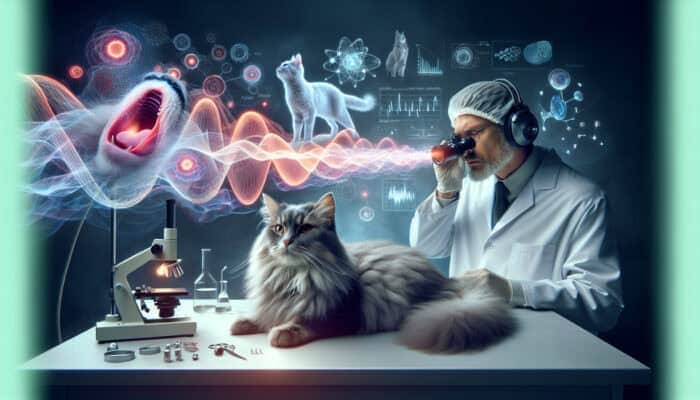
Understanding the Science Behind Cat Purring
What Triggers the Purring Sound in Cats?

Cats Purr Only When Happy: The fascinating phenomenon of cat purring is rooted in a natural vibration produced by a cat's vocal cords, primarily associated with states of contentment and happiness. However, it’s crucial to recognize that cats may also purr when feeling stressed or in pain, as the specific frequencies of their purring, typically ranging from 25 to 150 Hertz, have been shown to promote tissue repair and strengthen social bonds.
For example, you might notice your cat softly purring while curled up in your lap, signaling relaxation and joy. On the other hand, if a cat is injured yet still produces a purr, it could indicate an instinctual mechanism to soothe itself during distress. Understanding these diverse contexts helps cat owners develop a deeper connection with their feline friends.
What Behaviors Accompany Cat Purring?
Observing the behaviors that accompany purring offers valuable insights into a cat's emotional state. Relaxed body language, such as a comfortably curled posture or a slow, deliberate blink, can indicate that a cat is at ease. Additionally, actions like kneading with their paws are often observed during positive interactions, signaling contentment. To effectively recognize these signs in everyday life, pay attention to the specific contexts in which your cat purrs. For instance, during petting sessions or play, look for clear signs of relaxation and engagement, which indicate that your cat is genuinely happy and comfortable.
What Are the Key Triggers for a Cat to Purrr?
Various factors can trigger a cat’s purring, illustrating the behavior's multifaceted nature. Cats frequently purr during moments of affection, such as being petted or enjoying their favorite meal, or in response to pain as a self-soothing mechanism. The main triggers include:
- Gentle petting or caressing
- Receiving food or treats
- Engaging in playtime
- Experiencing stress or discomfort
Understanding these triggers enhances our ability to support our cats' well-being, ensuring they are happy and healthy in their environments.
How Do Cats Demonstrate Their Happiness?

What Body Language Cues Indicate a Happy Cat?
Cats convey their joy through subtle yet significant body language cues that often accompany purring. Tail movements, for instance, can serve as indicators of happiness; a tail held high usually signifies confidence and contentment. Similarly, relaxed ear positions—facing forward rather than pinned back—suggest that a cat feels secure in its environment. To interpret these cues accurately, observe your cat’s overall posture, especially during interactions. If your cat approaches you with a relaxed demeanor and an upright tail, it’s a clear indication of their happiness and willingness to engage with you.
What Other Vocalizations Do Cats Use to Express Happiness?
Beyond the soothing sound of purring, cats incorporate a variety of vocalizations to express their emotions. Soft meows, trills, or chirps often accompany moments of play or bonding, showcasing their excitement. Understanding these sounds is crucial for grasping the overall communication patterns of your feline companion. For example, a cat may use a trill when greeting you at the door, indicating joy at your return. By recognizing these diverse vocalizations, owners can enhance their interactions with their cats, leading to a more harmonious relationship.
How Do Cats Engage in Social Interactions When Happy?

Cats engage with their companions—both human and feline—through purring, fostering strong emotional bonds. Mutual grooming, or allogrooming, is a common behavior that signifies affection and trust. When cats groom each other, they often purr, reinforcing their social connection. Additionally, during play, you may notice your cat purring as it chases a toy or interacts with you. These behaviors reflect their emotional states and indicate both happiness and comfort within their social environments.
What Do Experts Say About the Relationship Between Cats and Purring?
What Scientific Insights Challenge Purring Myths?
A prevalent myth suggests that purring exclusively signifies happiness in cats. However, expert examination reveals that while many cats purr when content, it also provides physiological benefits, such as pain relief and stress reduction. For instance, veterinarians have observed that cats often purr during examinations, which might indicate a coping mechanism rather than outright joy. By understanding the science behind purring, owners can better appreciate the nuances of their cat’s emotional well-being.
How to Debunk Oversimplified Views on Purring?
Research has shown that purring occurs in various contexts, including scenarios that do not involve happiness, such as illness or distress. This underscores the importance of not oversimplifying the emotions behind purring. As a responsible cat owner, observing your cat's overall behavior and health can provide actionable insights. If your cat purrs while displaying signs of discomfort, it may be beneficial to consult a veterinarian to assess their health and well-being.
What Are the Implications of Purring for Cat Care?
Expert knowledge challenges the notion that cats purr solely out of happiness, emphasizing the need for comprehensive health monitoring. By integrating regular veterinary check-ups and observing behavioral changes, cat owners can gain a deeper understanding of their pets’ needs. Creating a routine that includes play, interaction, and health monitoring can significantly enhance your cat's quality of life, ensuring that their emotional and physical needs are met effectively.
What Are the Key Signs of a Happy Cat?
How to Identify Physical Indicators of Joy in Cats?
Physical indicators of a happy cat extend beyond the simple act of purring. Features such as bright, alert eyes and smooth, well-groomed fur often accompany purring, signaling overall well-being in daily life. Recognizing these traits can help cat owners assess their pet's happiness. Key observable physical traits include:
- Bright and alert eyes
- Soft, smooth fur
- Relaxed facial expressions
- A tail held high or gently swaying
These physical signs, when combined with vocalizations and behavior, create a clearer picture of your cat's emotional state and overall happiness.
What Behavioral Patterns Should You Watch For?
Behavioral patterns can significantly aid in assessing a cat’s mood beyond just purring. Activities such as active play or comfortable rest are strong indicators of contentment. For instance, if your cat enjoys engaging with toys and then settles down peacefully, it indicates a well-rounded emotional state. To enhance your ability to read these patterns, observe how your cat interacts during different times of the day. This understanding encourages a more responsive and nurturing environment for your feline friend.
How to Recognize Emotional Cues in Daily Life?
Emotional cues are essential for recognizing when your cat is happy. Cats often seek affection, and purring can occur during these moments. For instance, when your cat approaches you for petting or cuddling, its purring is a direct indication of comfort and joy. By paying attention to these subtle expressions, you can strengthen the bond between you and your cat. Recognizing when your cat seeks interaction allows for deeper emotional connections and a greater understanding of their needs.
What Vocal Expressions Indicate Happiness in Cats?
Beyond purring, cats express happiness through soft meows or trills, indicating they feel safe and content. These vocalizations typically occur in contexts such as feeding or playtime. For example, when you toss a toy for your cat, a joyful trill may accompany their excitement. Observing these sounds in context enhances your understanding of their emotional state and reinforces a stronger bond between you and your feline companion. By responding to these vocal cues, you create a responsive and loving environment for your cat.
What Are the Research-Backed Benefits of Cat Purring?
How Does Purring Benefit Cats' Health?
Research indicates that a cat's purring holds numerous health advantages. Studies show that purring can aid in wound healing and reduce stress levels, even during moments that are not necessarily happy. Observations from animal behavior research have highlighted cases where cats purring during recovery from surgery helped speed up their healing process. By recognizing these benefits, cat owners can appreciate the holistic role that purring plays in their pets’ health and overall well-being.
What Are the Positive Effects of Purring on Human Companions?
Listening to a cat's purr can also lower anxiety levels in its human companions, according to psychological findings. The calming sound of purring creates a soothing environment, fostering relaxation and connection. Cat owners often report feeling a sense of peace while spending time with their purring cats. This mutual benefit reinforces the important bond between cats and humans, where both parties experience emotional uplift through this shared interaction.
What Are the Long-Term Wellness Outcomes Associated with Purring?
Evidence suggests that consistent purring correlates with overall feline health and wellness. Regular purring indicates a cat's comfort and contentment, which directly impacts their physical and mental health. To promote long-term wellness, cat owners can implement strategies such as ensuring a safe environment, engaging in regular play, and maintaining an attentive routine. These actions help foster an atmosphere where purring is frequent and beneficial for your cat’s overall well-being.
Why Do Cats Purr in Different Situations?
How Do Cats Purr During Stressful Events?
Contrary to the belief that purring signifies only happiness, cats may purr during stressful events as a coping mechanism. Situations like visiting the vet or encountering loud noises can trigger this response. Understanding that purring is an adaptive behavior helps cat owners provide better support for their pets. By recognizing these moments, you can comfort your cat during stressful times, creating a more reassuring environment for them.
When Do Cats Seek Comfort Through Purring?
Instances where cats purr to self-regulate, such as after play or during quiet moments, illustrate their unique needs. Each cat is individual, and their reasons for purring can vary based on their personality and experiences. For instance, after an energetic play session, a cat may purr while curling up with you for comfort. Observing these behaviors helps owners understand their cat's emotional landscape, fostering a deeper connection and enhancing the bond.
How Do Environmental Factors Influence Cat Purring?
External factors significantly influence a cat's purring, illustrating that it isn't solely a joy-based behavior. Elements such as changes in temperature, the presence of other animals, or unfamiliar settings can trigger purring. Key environmental influences include:
- Noise levels in the household
- Temperature changes
- Presence of other pets
- New or unfamiliar environments
By recognizing these influences, cat owners can create a more harmonious environment that caters to their pets’ emotional needs, ultimately enhancing their quality of life.
What Are the Common Misconceptions About Cat Purring?
How to Address the Happiness-Only Belief?
The widespread belief that cats purr only when happy persists despite evidence showcasing its complexity. This misconception can lead to misinterpretations of a cat’s emotional state. For example, if a cat is purring while also showing signs of distress, it’s crucial to consider the broader context. Being mindful of these complexities helps in forming accurate observations of your cat’s emotional health, allowing for better care and support.
What Other Frequent Errors Exist in Understanding Cat Purring?
Misinterpretations of purring can lead to the assumption that all purrs indicate good health. However, purring can also signal discomfort or pain. Understanding these nuances is essential for responsible cat ownership. By observing body language and overall behavior, you can better assess whether your cat’s purring is a sign of happiness or a call for attention regarding their health. This vigilance can prevent serious health issues from going unnoticed.
How Can You Avoid These Myths Surrounding Cat Purring?
Practical steps can educate cat owners about accurate purring knowledge. Engaging with reliable sources, such as cat behaviorists or veterinarians, can enhance understanding. Additionally, joining workshops or online forums dedicated to feline care fosters a community of informed cat owners who can share experiences and insights. By prioritizing education, you can become a more attentive and knowledgeable cat owner, better equipped to care for your feline companion.
What Is the Myth of Purring as a Sign of Illness?
A common misconception is that cats purr only when sick, which overlooks the multifaceted reasons for this behavior. While purring can indicate healing or stress, it’s essential to observe the cat's overall behavior to make an accurate assessment. Contextual factors, such as changes in the environment or social interactions, also influence the meanings of purring. By maintaining vigilance with your cat's health and behavior, you can better understand their emotional and physical needs, ensuring they receive the care they require.
How to Understand Purring Variations Across Different Cat Breeds?
It is often assumed that all cats purr identically, but variations exist across breeds due to genetics and environmental factors. For instance, some breeds may have distinct purring patterns that affect interpretations. Understanding these differences is essential in avoiding errors in assessing a cat's emotional state. By learning about specific breed traits, you can enhance your knowledge and responsiveness as a cat owner, ultimately improving your relationship with your pet.
What Are the Best Tips for Encouraging Your Cat to Purr?
How to Create a Comfortable Environment for Your Cat?
Strategies for creating a comfortable environment include providing soft resting spots and establishing routines that promote relaxation. Cats thrive in stable environments where they feel secure, leading to more frequent purring. For example, creating cozy napping areas with soft blankets or encouraging quiet time can enhance your cat’s sense of safety and well-being. By focusing on their comfort, you’re likely to see more purring as they relax and enjoy their surroundings.
What Interactive Play Techniques Can Stimulate Purring?
Engaging in interactive play techniques, such as using feather wands or laser pointers, can stimulate your cat’s engagement and may trigger purring. Cats instinctively respond to play, which promotes their physical and mental well-being. Understanding what types of toys your cat enjoys can enhance these interactions. By incorporating play into daily routines, you create joyful moments that encourage your cat to purr, reinforcing a positive bond between you and your feline friend.
How to Build Trust with Your Cat Through Routine?
Daily interactions that foster security play a key role in encouraging purring. Establishing a routine where your cat knows when to expect feeding, playtime, and affection builds trust and predictability. Cats feel more secure when they have a consistent routine. By maintaining this predictability in your cat’s daily life, you create an environment in which they are more likely to express happiness through purring, thereby strengthening your bond.
Frequently Asked Questions About Cat Purring
Do cats always purr when they are happy?
Cats do not always purr solely out of happiness. While purring often indicates contentment, it can also occur during stress, pain, or as a self-soothing mechanism.
What other sounds do cats make when they're happy?
Cats may make various sounds when happy, such as soft meows, trills, and chirps, which convey excitement and affection during interactions with their owners.
Can purring heal cats?
Research suggests that the frequency of a cat's purring can promote tissue healing and reduce stress, contributing to overall health and well-being.
Should I be concerned if my cat purrs when it seems distressed?
Yes, if your cat is purring while displaying signs of distress, it’s crucial to assess their overall behavior and health, as this may indicate a need for veterinary attention.
Do different cat breeds purr differently?
Yes, different cat breeds may have variations in their purring patterns due to genetic and environmental factors, which can affect how they express emotions.
What can I do to encourage my cat to purr?
Creating a comfortable home environment, engaging in interactive play, and establishing consistent routines can help encourage your cat to purr more frequently.
Is purring a sign of illness in cats?
Purring can indicate illness, but it’s not exclusively a sign of health issues. Context is key; observe your cat's behavior and consult a veterinarian if concerned.
How can I tell if my cat is happy?
Signs of a happy cat include relaxed body language, bright eyes, gentle vocalizations, and seeking affection or engagement during playtime.
Can I train my cat to purr on command?
While you can encourage purring through positive interactions, training a cat to purr on command is unlikely, as purring is an instinctual behavior rather than a learned response.
How does purring affect my mental health?
Listening to a cat's purr can reduce anxiety and promote a sense of calm in human companions, reinforcing the emotional bond between cats and their owners.
Join our community on Facebook!

Hiking Gear for Adventurous Pets: Top Essentials
Key Gear Essentials for Memorable Pet Hiking Adventures What are the Best Backpacks for Your Pet’s Hiking Needs? Hiking Gear

Senior Cat Nutritional Needs: Vital Diet Tips
Comprehensive Guide to Senior Cat Nutritional Needs What Dietary Adjustments Should Be Made for Aging Cats? Senior Cat Nutritional Needs:

Neutering Makes Dogs Lazy: Debunking the Common Myth
Comprehensive Overview of Neutering for Dog Owners What is Neutering and How Does It Impact Dogs’ Behavior? Neutering Makes Dogs