


Crate Setup for Puppy Comfort: Tips for a Cozy Space
Essential Steps for Assembling Your Puppy’s Crate Accurate Measurements for Your Puppy’s Size To guarantee that your puppy’s crate is both comfortable and secure, precise
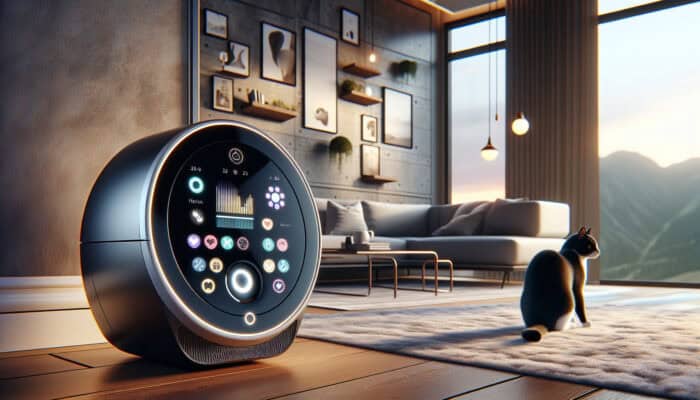
Table of Contents
Toggle
Automated Litter Robots for Cats: These cutting-edge, self-cleaning devices transform how pet owners manage cat waste. Crafted for exceptional efficiency and hygiene, these innovative robots provide a hands-free solution that keeps litter boxes clean without requiring constant manual intervention. Typically, an automated litter robot employs sophisticated technology that detects when a cat uses the box, initiating a cleaning cycle soon after. Below are some standout features that make these devices a must-have for cat owners:
These features work together to enhance the litter box experience for both cats and their owners, making automated litter robots an invaluable addition to any pet-friendly home.
The benefits of incorporating automated litter robots into your routine are extensive, revolutionizing the daily lives of cat owners. A primary advantage is the substantial reduction in unpleasant odors, as these devices often feature sophisticated filtering and sealing systems that effectively trap and eliminate odors. This improvement means fewer unpleasant surprises for homeowners and a healthier living atmosphere for pets. Another significant benefit is the notable reduction in manual cleaning frequency. Traditional litter boxes typically require daily scooping, while automated litter robots save busy pet owners time, allowing them to enjoy more quality moments with their furry companions.
Moreover, automated litter robots foster better hygiene. By continuously sifting through the litter, these machines help maintain a cleaner environment, thereby reducing the risk of bacterial growth and infections that could jeopardize feline health. In summary, the primary advantages of using an automated litter robot include:
Choosing the perfect automated litter robot is essential for maximizing its effectiveness and ensuring it integrates seamlessly into your home. Begin by considering your cat's size; larger breeds may require a more spacious litter robot. Noise level is another critical factor to consider, as some models operate quietly, making them suitable for households with easily startled pets. Additionally, ease of maintenance is vital; seek out models with accessible waste compartments and self-cleaning features that reduce the need for frequent intervention.
Furthermore, it is important to assess compatibility with various types of litter. Some automated litter robots perform optimally with specific litter types, while others provide greater flexibility. Other features worth considering include a smart app for monitoring usage, customizable cleaning schedules, and safety sensors that prevent accidents. Ultimately, when selecting an automated litter robot, focus on aspects such as:

Automated litter robots function through a blend of advanced technology and mechanical engineering to effectively manage cat waste. At their core, these devices utilize sensors that detect when a cat exits the litter box. Upon detection, a timer triggers the cleaning cycle. The robot gently sifts through the litter, separating waste from clean litter, and deposits the waste into a sealed compartment designed to minimize odors and mess.
These sensors are vital for the robot’s functionality, as they prevent accidental activation during a cat's use of the box, ensuring a stress-free experience for your pet. The device’s rotating mechanism allows for thorough sifting, ensuring a clean litter surface for subsequent uses. Understanding this operational framework can help pet owners appreciate the efficiency of automated litter robots and their role in creating a hygienic environment for cats.
The intricate workings of automated litter robots are both fascinating and meticulously engineered to guarantee optimal performance. These devices primarily rely on advanced sensor technology and rotating mechanisms, which are crucial to their functionality. The sensors detect the cat's presence, initiating the cleaning cycle only after the cat has exited, thereby preventing any disruption during use. This feature is essential for ensuring a peaceful, stress-free experience for your feline companion.
Once the cleaning cycle begins, the rotating mechanism engages, sifting through the litter. As the rake traverses the litter, it separates clumps of waste from clean litter, leaving only fresh litter for the cat's use. The collected waste is then pushed into a sealed compartment designed to contain odors effectively. This mechanism not only keeps the litter box clean but also reduces the need for regular manual intervention, promoting a more hygienic environment for both cats and their owners.

The operation of an automated litter robot can be broken down into several key steps that highlight its efficiency. Initially, the device waits for the cat's presence, using its sensors to detect when the cat enters and exits the box. After the cat leaves, the robot initiates its cleaning cycle, typically after a brief delay to ensure the cat is safely away.
Next, the robot activates its rotating rake or sifting mechanism, meticulously moving through the litter. It collects clumps of waste, separates them from the clean litter, and deposits them into a designated waste compartment. This compartment is usually lined with a plastic bag for easy removal and disposal. After completing the cleaning process, the rake returns to its resting position, leaving a pristine litter surface ready for the next use.
Regular maintenance is crucial for the longevity and efficiency of automated litter robots. Users may encounter common issues, such as the robot failing to detect waste or experiencing clogs in the sifting mechanism, so understanding these steps can be invaluable for troubleshooting and ensuring optimal performance.
Ensuring the smooth operation of automated litter robots necessitates regular maintenance and a proactive approach to troubleshooting common issues. One crucial aspect of maintenance is cleaning the sensors, as dirt or debris can impair their functionality. Additionally, frequently emptying the waste compartment prevents overflow and reduces odors, enhancing the experience for both cats and their owners.
Common issues pet owners may encounter include the robot not cleaning as efficiently or becoming stuck during operation. In such cases, it is important to check for clogs in the sifting mechanism and ensure that the sensors are clean. Proper placement of the robot is also critical; it should be situated on a flat surface in a quiet area to prevent unnecessary noise that might scare the cat away. If problems persist, consulting the user manual or contacting customer support can provide further assistance in resolving these challenges.
Experts in feline care and technology recommend several key considerations when selecting an automated litter robot. One primary factor is the size and number of cats in your household. Larger or multiple cats may necessitate more robust models that can handle higher usage without frequent maintenance. Some models come equipped with features tailored for multi-cat households, such as larger waste compartments and enhanced odor control systems.
Real-world experiences with automated litter robots demonstrate their effectiveness. For instance, households with multiple cats have noted a significant reduction in litter box disputes, as the robots provide a consistently clean environment. Additionally, many experts stress the importance of reading user reviews and considering brands known for reliability. Ensuring that the robot has a robust customer support network can be invaluable for troubleshooting and maintenance.
The field of automated litter robots is continually evolving, with recent advancements aimed at enhancing the user experience and operational efficiency. One notable innovation is the development of quieter models that are suitable for homes where noise can be disruptive. Improved waste management systems have also been introduced, featuring superior odor control and more effective waste disposal mechanisms.
Integration of smart technology is another exciting trend, allowing users to monitor and control their litter robots via smartphone applications. These apps can provide usage data, alert owners when the waste compartment is full, and even offer troubleshooting advice. As technology progresses, we can expect even more sophisticated features that enhance the convenience and reliability of automated litter robots for cat owners globally.
To fully leverage the advantages of automated litter robots, pet owners can adopt several expert-recommended strategies. First and foremost, the proper placement of the robot is crucial. It should be situated in a quiet, low-traffic area where your cat feels secure. This not only encourages usage but also minimizes anxiety around the device.
Regular maintenance is another vital step. Cleaning the sensors and waste compartment should be integrated into a routine to ensure the robot operates optimally. Additionally, experimenting with different litter types can help identify the best fit for both your robot and your cat. Some models perform better with clumping litters, while others may require non-clumping options. By following these actionable steps, pet owners can significantly enhance the functionality and user experience of automated litter robots, making them a worthwhile investment for cat owners.
Automated litter robots dramatically enhance cat waste management, providing a more efficient solution for pet owners. By automating cleaning, these devices encourage timely waste disposal, helping mitigate the risk of bacterial growth and unpleasant odors. Traditional litter boxes often require frequent cleaning, generating more waste and increasing the risk of environmental contamination. In contrast, automated litter robots promote prompt waste disposal, contributing to better overall waste management.
Furthermore, the design of these devices often includes sealed compartments for waste, which not only trap odors but also reduce the risk of contaminating the surrounding environment. This means less litter is wasted, and less waste is exposed to the open air, ultimately leading to a healthier living space for both cats and their owners.
Understanding the energy consumption of automated litter robots is essential for evaluating their environmental footprint. Most models are crafted to be energy-efficient, drawing minimal power during operation. On average, an automated litter robot may consume around 5 to 10 watts during its cleaning cycle, which is relatively low compared to other household appliances.
This energy efficiency not only helps reduce electricity bills but also decreases the overall environmental impact associated with using such devices. For eco-conscious pet owners, selecting an energy-efficient model can align with their sustainability goals while still providing an effective solution for managing cat waste.
Amid growing concerns about environmental sustainability, many manufacturers are integrating eco-friendly features into automated litter robots. Some models now offer biodegradable waste bags that help reduce plastic waste associated with traditional disposal methods. Additionally, certain designs focus on minimizing waste by enabling the reuse of clean litter, thereby contributing to a more sustainable approach.
Moreover, some brands are exploring the use of sustainable materials in their construction, ensuring that the robots are both durable and environmentally friendly. When shopping for an automated litter robot, look for these eco-conscious features, as they not only support a cleaner environment but also align with responsible pet ownership practices.
Conducting a lifecycle analysis of automated litter robots is essential to understanding their complete ecological footprint, from production to disposal. This analysis typically evaluates the energy consumption during manufacturing, the materials used, and the overall waste generated throughout the product's lifespan. High-quality automated litter robots may have a longer lifespan, which can offset their initial environmental impact.
Furthermore, considering the disposal phase is crucial; many automated litter robots are constructed from recyclable materials, which can help mitigate their environmental impact once they reach the end of their lifespan. This holistic approach to analyzing the lifecycle of automated litter robots reveals not only their potential benefits but also the need for responsible manufacturing and consumer choices to promote sustainability in pet ownership.
Automated litter robots play a crucial role in maintaining a hygienic living environment for cats, significantly reducing the risk of infections and other health complications. By consistently cleaning and sifting through litter, these devices prevent the accumulation of waste that can harbor harmful bacteria. A clean litter box is vital for a cat's overall well-being, as unsanitary conditions can lead to urinary tract infections, stress, and behavioral issues.
Moreover, the sealed waste compartments of automated litter robots further enhance hygiene by containing odors and waste, ensuring that the cat's environment remains clean and pleasant. This not only benefits the cat but also creates a more enjoyable living area for pet owners. Improved hygiene through automated litter robots directly correlates with better cat health, making them a sound investment for nurturing a happy feline.
Stress and anxiety are prevalent issues among cats, often exacerbated by dirty or uncomfortable litter box conditions. Automated litter robots can significantly reduce stress for cats by providing a consistently clean, quiet environment. Cats are naturally clean animals, and they prefer using a litter box that is free of waste clumps. By keeping the litter box clean, these robots help create a more relaxed experience for felines.
Additionally, the quiet operation of many automated litter robots further contributes to a stress-free atmosphere. Loud noises can startle cats, leading them to avoid the litter box altogether. Thus, a whisper-quiet machine allows cats to feel secure and comfortable while using the litter box, positively impacting their mental and emotional health.
Some modern automated litter robots come equipped with advanced monitoring capabilities that can help track a cat's health. These devices can record usage patterns, such as how often a cat uses the box and how much waste is produced. Such data can be invaluable for pet owners and veterinarians alike, offering insights into potential health issues before they escalate.
For example, significant changes in litter box usage can signal underlying health problems, such as urinary tract infections or behavioral changes due to stress. By leveraging these monitoring features, owners can take proactive measures in consulting with their veterinarians, leading to improved health outcomes. Automated litter robots, therefore, not only simplify waste management but also serve as a tool for monitoring and promoting feline health.
Research indicates that automated litter robots are remarkably effective in maintaining cleanliness compared to traditional litter boxes. Studies have shown that these devices significantly reduce odor frequency and waste accumulation, creating a healthier environment for cats. The efficiency of these robots stems from their automated sifting, which ensures waste is removed promptly after use.
Expert analysis also highlights the positive feedback from pet owners who have transitioned from traditional litter boxes to automated systems. Many report a substantial decrease in time spent on cleaning and a noticeable improvement in their cats' overall behavior and health. As more studies emerge, the evidence continues to support the view that automated litter robots are a worthwhile investment for cat owners seeking convenience and enhanced hygiene.
The integration of automated litter robots into daily life has a transformative effect on pet owners' lifestyles. One of the most significant changes is the time saved on litter box maintenance, allowing owners to focus on bonding with their pets rather than cleaning. This newfound freedom leads to less stress and a more enjoyable pet ownership experience.
Moreover, the convenience of automated litter robots allows pet owners to travel or be away from home for extended periods without worrying about their cats' litter situation. Many models include smart features that alert owners when maintenance is required, ensuring that cats remain in a clean environment even when their owners are unavailable. By streamlining the litter box process, automated litter robots enhance the overall quality of life for pet owners worldwide.
Long-term use of automated litter robots can lead to healthier, happier cats, thereby positively impacting their well-being. A consistently clean litter box minimizes the risk of urinary tract infections and other health issues associated with unclean environments. Furthermore, the ease of use and cleanliness can help reduce stress and anxiety in cats, fostering a more relaxed demeanor.
Over time, these benefits contribute to a more stable and harmonious home environment, as both cats and owners experience less stress related to litter management. Additionally, the monitoring features of some advanced models facilitate early detection of health issues, enabling quicker intervention and care. Thus, the long-term health benefits of automated litter robots for cats are evident, promoting both physical health and emotional well-being.
The initial investment for an automated litter robot can vary significantly based on features, brand, and technology. Basic models may start at a more affordable price point, while advanced versions equipped with smart technology and additional features can command higher prices. Factors influencing pricing include the robot's size, the complexity of its cleaning mechanism, and included technologies such as app connectivity and health monitoring.
When evaluating costs, it’s essential to consider the long-term value these devices provide. While the initial purchase may seem substantial, the time saved on cleaning and the health benefits for cats can justify the investment. Many pet owners discover that the convenience and overall improvement in their pet's well-being outweigh the initial costs associated with these automated solutions.
It is crucial to understand the ongoing costs of automated litter robots to support effective budgeting. Operating costs primarily include electricity consumption and the need for replacement parts or consumables, such as waste bags and litter bags. Most automated litter robots are designed to be energy-efficient, so electricity costs are generally minimal—often comparable to running a small light bulb.
Maintenance costs can also vary, but typically remain low. Regular cleaning of the robot and occasional replacement of parts will ensure longevity and efficiency. Overall, the operating and maintenance costs of automated litter robots are manageable, especially when compared to the expenses associated with traditional litter management, which often involves frequent purchases of litter and cleaning supplies.
Performing a cost-benefit analysis is an effective way to determine whether an automated litter robot is a worthwhile investment for your household. Key considerations include the initial purchase price, ongoing operating costs, and the time saved on litter box maintenance. When comparing these factors, consider how much you value your time and the enhanced health benefits for your cats.
By weighing these factors, pet owners can make an informed decision about whether to invest in an automated litter robot, considering both short-term costs and long-term benefits.
Evaluating the potential long-term savings and environmental benefits of using automated litter robots highlights their value compared to traditional litter boxes. Over time, these devices can reduce litter use by optimizing the amount of clean litter needed by effectively separating waste from clean material. This results in lower recurring costs for litter purchases.
Additionally, the energy-efficient design of many automated litter robots helps minimize electricity consumption, promoting a more sustainable approach to pet ownership. The use of biodegradable waste bags and recyclable materials further enhances their environmental impact, making them a responsible choice for eco-conscious pet owners. Ultimately, the long-term savings and positive environmental contributions of automated litter robots make them a smart investment for those pursuing both convenience and sustainability.
Numerous users of automated litter robots report high levels of satisfaction, particularly regarding cleanliness and convenience. A common theme among positive feedback is the significant reduction in time spent on litter box maintenance. Owners appreciate not having to scoop daily, allowing them to spend more time enjoying their cats' company.
Furthermore, pet owners often note improvements in their cats' behavior and health. With a consistently clean litter box, many cats appear more relaxed and content, leading to fewer litter box-related issues. The ability to monitor litter usage through smart technology also adds a layer of reassurance for owners, fostering confidence in their pet’s health and well-being.
Despite the many advantages of automated litter robots, some users encounter challenges that can affect their overall experience. One common issue is noise: while many models are designed to operate quietly, some users report their devices remain audible, potentially startling their cats. Initial setup can also pose a hurdle, as some models may require a learning curve for both the cat and the owner to adjust to the new system.
Another limitation is the initial cost, which can deter some pet owners from investing. While the long-term benefits often outweigh this drawback, potential buyers need to weigh their options and consider their specific needs and lifestyle before purchasing an automated litter robot.
To optimize the user experience with automated litter robots, pet owners can implement several best practices. Proper placement of the robot is crucial; it should be positioned in a quiet, accessible area where the cat feels comfortable. Additionally, ensuring that the robot is regularly maintained, including cleaning the sensors and waste compartment, will enhance its performance.
By following these tips, users can enhance their experience and maximize the benefits of their automated litter robots, ensuring a positive impact on both their lives and their cats’ health.
The future of automated litter robots appears promising, with anticipated technological advancements set to offer even greater convenience and efficiency. As innovation continues to propel the pet tech industry, we can expect to see the development of more innovative sensors capable of more precise waste detection and improved connectivity features. This may include integration with smart home systems, allowing for seamless operation alongside other home automation devices.
Moreover, advancements in AI could lead to more personalized cleaning schedules tailored to individual cat behaviors and preferences. These innovations will not only enhance the functionality of automated litter robots but also improve the overall user experience, providing pet owners with even more peace of mind.
Design trends in automated litter robots are shifting towards more visually appealing models that can seamlessly blend into home décor. Manufacturers are increasingly focusing on creating stylish, space-saving designs that cater to modern pet owners. This shift acknowledges that many consumers desire practical pet solutions that also complement their home’s visual aesthetic.
As the market evolves, we may witness a variety of colors, materials, and styles being offered, catering to diverse consumer preferences. These design innovations will make automated litter robots not only functional but also an attractive addition to any home, further encouraging their adoption among pet owners.
The market for automated litter robots is expected to grow significantly as more pet owners seek convenient solutions for managing cat waste. Factors driving this growth include increased awareness of the health benefits associated with cleaner litter boxes and a rising demand for smart home technologies. As automated litter robots become more mainstream, we can anticipate an expansion of product options that cater to different budgets and preferences.
Furthermore, the global trend of pet ownership, especially in urban environments where space may be limited, underscores the need for innovative solutions such as automated litter robots. As technology continues to advance and consumer awareness increases, the adoption of these devices will likely become more prevalent among cat owners worldwide.
Automated litter robots offer numerous advantages, including reduced odors, less time spent on manual cleaning, improved hygiene, and time savings for pet owners, resulting in a healthier living environment for both cats and their owners.
Consider factors such as your cat's size, noise levels, maintenance requirements, and compatibility with various litter types when selecting the most suitable automated litter robot for your household.
Automated litter robots use sensors to detect when a cat has exited the box, triggering a cleaning cycle that separates waste from clean litter and deposits it into a sealed compartment for easy, hygienic disposal.
Absolutely, some models are designed to track litter box usage, providing insights into changes in your cat's habits that can indicate potential health issues and enabling proactive veterinary care.
Most automated litter robots are engineered to be energy-efficient, consuming minimal power during operation, which helps reduce electricity bills and decreases environmental impact.
Some challenges include initial setup difficulties, noise during operation, and the need to discover the right litter type for optimal performance, which may require some trial and error.
Regular maintenance involves cleaning the sensors and waste compartment, frequently emptying the waste bag, and ensuring that the device is free from clogs to maintain optimal performance.
Seek out features such as biodegradable waste bags, recyclable materials, and designs that minimize waste during operation to support environmentally sustainable pet ownership practices.
The lifespan of automated litter robots varies by model, but many are constructed to last several years with proper maintenance, making them a worthwhile investment for pet owners.
Yes, many automated litter robots are designed with features that accommodate multi-cat households, such as larger waste compartments and enhanced odor control systems, making them an ideal choice for owners with several pets.
Tags
Essential Steps for Assembling Your Puppy’s Crate Accurate Measurements for Your Puppy’s Size To guarantee that your puppy’s crate is both comfortable and secure, precise
Understanding the Features of Temperature-Controlled Pet Beds Key Components of Temperature-Controlled Beds The essential elements that enable temperature-controlled beds for pets to maintain comfortable temperatures

Navigate Seasonal Flea Challenges for Your Pets How to Spot the Early Signs of Flea Infestation Early detection of flea activity is essential for pet
By subscribing to our newsletter you agree to our Terms and Conditions and Privacy Policy
I really appreciate how you’ve highlighted the importance of having a thorough preparation kit for transporting animals. It’s so easy to overlook the little things when you’re focused on the bigger picture, like saving a life or ensuring the animal’s safety. I’ve had some experience with this when volunteering with a local rescue group. One rainy afternoon, we had to transport a few small dogs to a new foster home. We packed all the usual supplies – leashes, water bowls, and some treats for the trip – but I realized we had neglected to bring extra towels or blankets. Those little details became essential when one of the dogs got nervous and had an accident during the transport. It served as a valuable reminder that being over-prepared is almost always better than being unprepared.
This post really highlights the critical aspects of animal transport that often get overlooked! I’ve had a few experiences helping with local animal rescues, and it’s fascinating to see firsthand how a well-prepared transport kit can make all the difference.
It’s great to hear about your experiences with local animal rescues. Your hands-on perspective adds so much to the conversation around animal transport. When you’ve seen the difference a well-prepared transport kit can make, it’s easier to appreciate the details that can sometimes get lost in the shuffle.
I’m glad you found it insightful! If you’re interested in assembling your own transport kit, check out this great resource that covers everything you need to know.
https://elgatoencasa.com/vet