
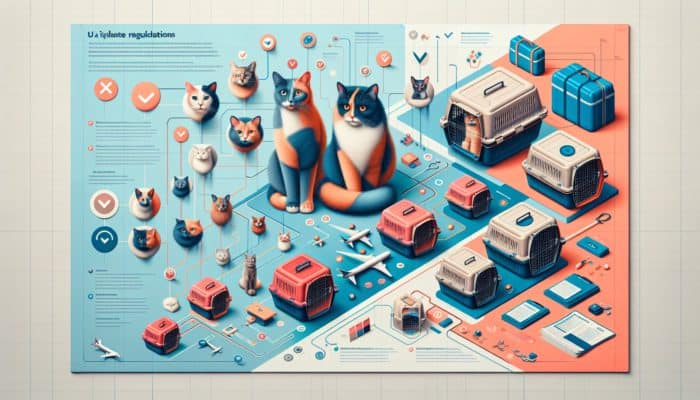
Comprehensive Guide to Airline Regulations for Traveling with Cats
What Essential Documents Are Needed for Cat Travel?

Airline Policies for Cats: Traveling with your cherished feline companion necessitates a thorough understanding of various airline regulations for cats. Each airline stipulates specific requirements concerning health certificates, vaccination records, and carrier specifications. Before setting off on your journey, make sure you have prepared the following essential documentation:
- Health certificate issued by a licensed veterinarian
- Proof of vaccinations (most importantly, rabies)
- Pet passport for international journeys
- Identification tag with your contact details
- Specifications for airline-approved carriers
- Travel insurance that includes pet coverage (if applicable)
These documents are vital for ensuring a hassle-free travel experience. Airlines may refuse boarding if these prerequisites are not fulfilled. Moreover, it's essential to familiarize yourself with the specific guidelines of the airline regarding carrier sizes and types, as these can differ widely between carriers.

This playlist brings together essential advice on cat behavior, grooming, nutrition, travel, and daily care. Whether you're a first-time cat parent or a seasoned feline companion, these videos offer grounded insights to improve your cat’s quality of life—and yours.
How Are Cats Classified by Airlines for Travel Purposes?
Airlines generally categorize cats into three primary groups: emotional support animals, service animals, and standard pets. Understanding these classifications can profoundly influence your travel experience. Emotional support animals are recognized for their therapeutic benefits, allowing them to travel in the cabin without a carrier under specific conditions, although this is becoming increasingly rare. Service animals, trained to assist individuals with disabilities, are typically permitted in the cabin without restrictions, provided the required documentation accompanies them. Conversely, standard pets must be transported in an airline-approved carrier, either in the cargo hold or the cabin, depending on the airline’s policies and the animal's size. Each classification affects factors such as fees, documentation requirements, and cabin accessibility, making it crucial to determine where your cat fits.
What Common Restrictions Should You Be Aware of When Traveling with Cats?
When planning your trip with your cat, it is essential to be informed about the common restrictions imposed by airlines. These restrictions can vary significantly, but some of the most prevalent limitations include:
- Breed-specific regulations (certain breeds might be banned)
- Size limitations for in-cabin travel
- Quarantine mandates for international travel
- Seasonal travel bans during extreme weather conditions
- Validity periods for health certificates
- Limits on the number of pets per passenger
Being aware of these restrictions can help you avoid unexpected challenges at the airport. Conducting thorough research on your selected airline's policies ahead of time ensures compliance and contributes to a less stressful travel experience.
Essential Preparations for Air Travel with Your Cat

How Can You Help Your Cat Become Comfortable with Travel?
Acclimating your cat to travel is imperative for ensuring a pleasant flight experience. Start by taking short trips to familiar places, enabling your cat to associate travel with positive experiences. Gradually increase the duration of these outings to simulate the actual travel time. Getting your cat accustomed to their carrier is another crucial step. Keep the carrier accessible in your home, allowing your cat to explore it at their own pace. You can also entice your cat to enter the carrier voluntarily by placing treats inside. Consider taking your cat on car rides to help them get used to motion without the anxiety of air travel. Establishing a routine that introduces them to the carrier, car rides, and travel-related sounds can be beneficial. Effective acclimatization techniques include:
- Short trips in the carrier
- Creating a positive association with the carrier
- Gradual exposure to car travel
- Using calming pheromones or sprays
These strategies can help diminish anxiety and foster a sense of security during the actual flight.
What Packing Essentials Should You Consider for Your Cat?
Packing for your cat involves much more than just bringing their favorite toys; it necessitates thoughtful consideration of their needs throughout the journey. Important items include high-quality food, fresh water, a collapsible bowl, and a familiar blanket to provide comfort and reassurance. It’s also advisable to bring along a few of your cat’s favorite toys to keep them entertained and distracted during the flight. Don’t forget to include grooming tools and any necessary medications. This thorough preparation guarantees that you have everything required to keep your cat comfortable and healthy. Here are some essential packing items to consider:
- Quality dry or wet food for the duration of the trip
- Fresh water and a travel bowl
- Comfort items like a blanket or toy
- Grooming tools
- Medications or supplements
Having these supplies at hand will facilitate in-flight care and reduce stress for both you and your cat.
What Preparations Should You Make the Day Before Your Flight?

The day preceding your flight is crucial for ensuring a seamless travel experience for your cat. Begin by confirming that all requisite documents are organized, including health certificates and vaccination records. Additionally, establish a feeding schedule that aligns with your travel itinerary to prevent any complications during the journey. Ensure your cat has access to fresh water right up until it’s time to leave. It is advisable to introduce your cat to their carrier one last time, allowing them to feel secure and familiar with the environment. Complete the following pre-flight tasks:
- Review all travel documents.
- Feed your cat according to your travel schedule
- Ensure the carrier is clean and comfortable
- Double-check that you have packed all essentials
Taking these steps will help your cat feel prepared and at ease as you embark on your journey.
Expert Advice on Airline Policies for Cats
How Do Professionals Recommend Managing Cat Anxiety During Flights?
Experts propose various strategies to help alleviate cat anxiety during flights. One effective approach involves utilizing calming aids such as pheromone sprays or natural supplements specifically formulated for anxiety relief. Many pet owners report success with these products, which can significantly help your cat relax during travel. Additionally, ensuring that your cat is familiar with their carrier can greatly diminish anxiety; it should be a safe space associated with comfort and security. Real-life examples suggest that cats accustomed to travel tend to handle air journeys far better than those who are not.
Furthermore, creating a calming environment in the carrier can be beneficial. Incorporating soft bedding, familiar scents, and even a comforting blanket can help create a more soothing atmosphere for your cat. Experts recommend these stress-management techniques:
- Using calming pheromone sprays before travel
- Providing a familiar blanket or toy
- Gradual acclimatization to the carrier
- Practicing relaxation techniques at home
Implementing these strategies can significantly improve your cat’s travel experience and reduce stress levels.
What Tips Do Experts Have for Selecting the Ideal Carrier?
Choosing the appropriate carrier is essential for your cat's comfort and safety during air travel. Experts recommend selecting carriers that are adequately ventilated and spacious enough for your cat to stand, turn around, and lie down comfortably. Ensure the carrier complies with your airline's specifications, as each airline has its own unique guidelines regarding size and design. Additionally, a carrier featuring secure locks and robust construction can prevent escapes and guarantee your cat’s safety throughout the trip. It’s essential to consider features like removable pads for easy cleaning and storage pockets for essential items. Actionable steps for choosing a carrier include:
- Measure your cat to ensure a proper fit
- Select a carrier that meets airline requirements
- Check for optimal ventilation
- Look for a secure locking mechanism
- Choose a carrier with easy-to-clean materials
By adhering to these guidelines, you can ensure that your cat’s journey is as comfortable and stress-free as possible.
How Can You Ensure a Hassle-Free Check-In Process with Your Cat?
A smooth check-in process is crucial for ensuring a positive travel experience for both you and your cat. Timing is of the essence; arrive early to allow ample time for check-in procedures, which can sometimes take longer than anticipated. When approaching the check-in counter, ensure you have all necessary paperwork readily available. Clearly communicating with airline staff about your cat’s needs is vital; do not hesitate to inquire about specific procedures or requirements. Since airlines can vary in their processes, being informed and prepared will help mitigate potential issues. Expert insights suggest the following strategies:
- Arrive at the airport early to avoid last-minute stress
- Have all documents organized and easily accessible
- Clearly communicate your cat’s needs to airline staff
- Be polite and patient with airline representatives
These steps can help facilitate a more efficient check-in experience and establish a positive tone for a successful journey.
What Recommendations Do Experts Have for In-Flight Cat Care?
In-flight care is crucial for maintaining your cat's comfort during air travel. Experts advise ensuring that your cat has access to water throughout the flight. Consider bringing a spill-proof travel bowl to prevent messes and guarantee hydration. Feeding your cat before the flight, rather than during, can help minimize the risk of motion sickness. Your own calm demeanor can also significantly influence your cat’s stress levels; pets often pick up on their owner’s emotions. Providing comfort items, such as a favorite blanket or toy, can help your cat feel secure. Expert tips for in-flight cat care include:
- Offer water frequently using a spill-proof bowl
- Feed before the flight to prevent motion sickness
- Use calming items to reduce stress
- Remain calm to help reassure your cat
These practices will enhance your cat’s well-being during the flight, ensuring a more enjoyable travel experience.
Comprehensive In-Flight Care for Cats
What Strategies Can You Use to Keep Your Cat Comfortable During the Flight?
Ensuring your cat’s comfort throughout the flight is vital for a successful journey. One of the primary considerations is hydration; allowing your cat to sip water periodically can prevent dehydration. Experts recommend utilizing a spill-proof water bowl, making it easier to manage fluids during turbulence. Temperature control is another essential factor; keep your carrier covered with a light blanket to provide shade and maintain a comfortable environment. Regularly checking in on your cat can help you detect any signs of distress early. Adding soft bedding and familiar scents can further enhance your cat's comfort and security. Strategies for in-flight comfort include:
- Use a spill-proof bowl for hydration.
- Monitor the temperature in your carrier.
- Provide soft bedding for comfort
- Keep familiar scents close
By implementing these methods, you can help ensure a comfortable and stress-free experience for your cat during the flight.
How Can You Address Your Cat's Needs During the Flight?
Managing your cat's needs during the flight necessitates careful planning and observation. Pay attention to your cat’s behavior, as anxiety or restlessness may indicate the need for a bathroom break or reassurance. If your flight is lengthy, consider planning for a small meal before departure, as offering food during the flight might lead to motion sickness. Bringing a portable litter box is crucial for longer trips. It’s also important to communicate with flight attendants if you require assistance. Keeping your cat’s environment calm through soothing words and gentle petting can be immensely helpful. Successful in-flight management strategies include:
- Recognizing signs of distress and responding appropriately
- Planning meals before travel to avoid sickness
- Bringing a portable litter box for bathroom needs
- Communicating with flight attendants for assistance
Utilizing these strategies will ensure that your cat’s needs are met effectively during the flight.
What Steps Should You Take if Your Cat Becomes Distressed Mid-Flight?
If your cat becomes distressed during the flight, it’s essential to act quickly and calmly to alleviate their anxiety. Start by assessing the situation; often, simply reassuring your cat with a soothing voice can help ease their distress. If the situation worsens, discreetly contact a flight attendant for assistance. They can provide helpful advice or resources, such as calming sprays or techniques to help soothe your cat. Utilizing pheromone products in the carrier before the flight can also be advantageous, as they can act as a calming agent. Having a contingency plan in place can make all the difference. Follow these emergency actions if your cat becomes distressed:
- Remain calm and speak softly to your cat
- Contact a flight attendant for assistance
- Use calming aids if previously applied
- Monitor your cat’s behavior closely
These steps can significantly mitigate stress for both you and your cat during challenging moments.
Post-Flight Care and Considerations for Your Cat
How Can You Help Your Cat Adjust After a Flight?
Post-flight care is just as critical as pre-travel preparation. Once you arrive at your destination, provide your cat with water immediately to help them rehydrate after the journey. Allow your cat to gradually explore their new surroundings, giving them ample time to acclimate without feeling overwhelmed. Establish a quiet area where they can feel safe and comfortable. It’s also wise to monitor your cat’s behavior closely during the initial days, as travel-related stress can sometimes manifest in various ways. Actions you can take to help your cat adjust include:
- Providing immediate access to fresh water
- Creating a safe, quiet space for exploration
- Monitoring for stress-related behaviors
- Reintroducing familiar items such as blankets or toys
These measures will help ease your cat into its new environment, facilitating a smoother and less stressful transition.
What Health Concerns Should You Monitor After Flying with Cats?
After flying, it’s essential to monitor your cat for potential health issues. Common concerns include dehydration, which can occur due to stress and limited access to water during travel. Additionally, cats may experience stress-related conditions, such as gastrointestinal upset or lethargy. Providing a calm environment for recovery and monitoring for any unusual behaviors, such as excessive grooming or hiding, is crucial. If you notice signs of distress or health problems, consult a veterinarian immediately. Recognizing potential post-flight health concerns can help prevent serious complications. Common health checks to perform include:
- Ensuring proper hydration levels
- Monitoring for signs of stress or anxiety
- Checking for changes in appetite
- Observing for unusual behaviors
Being proactive about health checks ensures that your cat recovers quickly from travel and maintains its well-being.
What Documentation Is Important to Retain After Your Trip?
Maintaining proper documentation following your trip is essential for ongoing health management and future travel planning with your cat. Keep all health certificates, vaccination records, and travel logs neatly organized and accessible. These documents are not only necessary for future travels but can also provide valuable insights into your cat's health history and needs. Furthermore, retaining any airline-specific documentation can prove beneficial for reference if you intend to fly again. Keeping these records can facilitate smoother travel experiences in the future, ensuring adherence to airline policies. Essential documentation to maintain includes:
- Health certificates from your veterinarian
- Vaccination records
- Travel logs detailing your journey
- Airline receipts or correspondence
Efficient documentation management contributes to a seamless travel experience and ensures that your cat’s health and well-being are prioritized.
Research-Backed Insights on Airline Policies for Cats
How Do Airline Policies Benefit Cat Owners and Their Pets?
Clear airline policies regarding cat transportation regulations provide significant benefits for cat owners. These advantages include reduced travel stress since owners can plan more effectively with detailed guidelines. Structured policies allow owners to prepare necessary documentation well in advance, ensuring compliance with all requirements. Research indicates that cat owners who are well-informed about airline policies report higher satisfaction levels, often feeling more confident when traveling with their pets. Additionally, clear policies facilitate better communication between airline staff and pet owners, further enhancing the travel experience. Benefits of clear airline policies encompass:
- Improved preparation and planning
- Enhanced confidence in travel
- Reduced travel-related stress
- Better communication with airline staff
These advantages collectively contribute to a more enjoyable travel experience for both cats and their owners.
What Advantages Do Airlines Gain from Implementing Cat Travel Policies?
Establishing structured cat travel policies offers airlines numerous benefits, ultimately leading to improved customer satisfaction and enhanced safety. Airlines that adopt clear guidelines for pet travel often experience fewer last-minute complications, as both staff and passengers are more informed about requirements. Consistent policies can also help mitigate conflicts related to pet travel, thereby reducing inconvenience for all parties involved. Moreover, airlines that prioritize pet-friendly policies may attract a wider customer base, appealing to pet owners seeking comfortable travel options. Actionable steps for airlines to enhance their cat policies include:
- Regularly reviewing and updating pet travel guidelines
- Providing training for staff on pet-related inquiries
- Enhancing communication about pet policies in marketing materials
- Encouraging feedback from pet owners
These strategies will foster a more pet-friendly environment, benefiting both the airline and traveling pet owners.
How Do These Policies Enhance the Travel Experience for Cats?
Airline policies specifically designed for cats play a crucial role in enhancing their overall travel experience. Policies that prioritize safety and comfort contribute to reduced stress for felines during flights. Regulations surrounding carrier specifications and in-flight care ensure that cats are transported in a manner that minimizes anxiety and discomfort. By establishing clear guidelines, airlines can create an environment where pet owners feel secure and well-informed about their cat’s needs. Expert analysis indicates that these policies not only impact the travel experience but can also improve the welfare of the cats being transported. Effective policies lead to:
- Safer travel conditions for pets
- Improved comfort during flights
- Enhanced owner confidence
- Positive associations with air travel
Ultimately, these measures foster a more pleasant travel experience for both cats and their owners.
What Role Do These Policies Play in Safeguarding Cat Welfare During Travel?
Airline policies play a crucial role in ensuring the welfare of cats during travel by addressing key elements such as stress reduction and health safety. Comprehensive guidelines regarding carrier size, in-flight care, and documentation requirements help mitigate the risks associated with air travel. Well-structured policies help minimize stress-related health issues and promote a smoother experience for traveling cats. Veterinary experts emphasize that adherence to these policies can significantly improve overall cat welfare during flights by ensuring their comfort and safety. Key contributions of these policies include:
- Reduction of travel-related stress
- Ensuring proper care during transit
- Promoting health safety measures
- Enhancing the emotional well-being of pets
Such comprehensive policies advocate for cat welfare and elevate the travel experience for both pets and their owners.
Navigating Airline Customer Service for Cat Travel
How Can You Effectively Communicate with Airline Staff Regarding Your Cat?
Effective communication with airline staff is crucial for a smooth travel experience when flying with your cat. Clearly articulate your needs and provide the necessary documentation upfront. Be prepared to discuss any specific accommodations your cat may require, such as in-flight care or health-related considerations. Establishing a positive rapport with airline staff often leads to better service and support. Exercise patience and politeness, as these traits will facilitate communication and enable staff to assist you more effectively. Successful communication strategies include:
- Presenting all relevant documents at check-in
- Clearly stating your cat's needs
- Being polite and patient with the staff
- Asking questions to clarify policies
By utilizing these strategies, you can enhance your cat's experience and ensure that it receives the necessary accommodations during travel.
What Common Issues Might Arise and How Can You Resolve Them?
Traveling with cats can present various challenges. Common issues include lost documents, carrier complications, or unexpected fees. If you encounter lost documents, promptly contact the airline's customer service for assistance. Many airlines have established procedures to help retrieve necessary paperwork. If a carrier is deemed non-compliant with airline regulations, be prepared to explore alternative options, such as purchasing a new carrier at the airport. By understanding these potential issues and having contingency plans in place, you can navigate them more effectively. Common issues and their solutions include:
- Lost documents – contact customer service for assistance
- Non-compliant carrier – seek alternatives at the airport
- Unexpected fees – inquire about fee structures
- Delays in check-in – remain calm and communicate
These proactive measures can help alleviate stress and improve the travel experience for both you and your cat.
What Best Practices Should You Follow for Handling Flight Delays with Your Cat?
Flight delays can be stressful; however, with effective strategies, you can manage the situation while ensuring your cat remains comfortable and calm. Stay updated on the delay status by monitoring announcements and checking your airline’s app. Engage with airline staff; they can provide updates and assistance. During the wait, ensure your cat remains calm and secure within their carrier. If the delay is prolonged, consider allowing your cat out for brief periods to stretch their legs, provided it’s safe to do so. Keep them hydrated and provide gentle reassurances to alleviate anxiety. Best practices for handling delays include:
- Stay informed about delay announcements.
- Communicate with airline staff for information.
- Keep your cat calm and secure in their carrier
- Provide hydration and comfort during the wait
These measures can help alleviate stress during unexpected delays, ensuring a more enjoyable experience for both you and your feline companion.
Understanding the Financial Aspects of Flying with Cats
What Are the Typical Fees Related to Traveling with Cats?
When planning to fly with your cat, it’s crucial to be aware of the various fees associated with air travel. Most airlines impose a pet fee, which can vary depending on whether the cat is traveling in the cabin or cargo. Additionally, some airlines may charge extra for oversized carriers or specific services related to pet travel. It’s important to review your airline’s policy for precise pricing and requirements, as these fees can accumulate quickly. Typical fees associated with flying with cats may include:
- Cabin pet fee
- Cargo transport fee
- Extra charges for oversized carriers
- Fees for pet services or amenities
By preparing for these expenses, you can budget accordingly and avoid unpleasant surprises.
How Can You Economize When Traveling with Your Cat?
Traveling with your cat doesn’t have to be financially burdensome. One effective approach is to compare the pet policies and fees of different airlines, as they can vary significantly. Booking flights during off-peak travel periods can also result in lower fares and improved pet-friendly options. Additionally, consider utilizing rewards points or travel vouchers if available, as these can offset some of the travel costs. Careful planning and research can help you make informed decisions that lead to significant savings. Consider the following cost-saving strategies:
- Compare airlines for the best pet policies
- Travel during off-peak times for better deals
- Use reward points to lessen costs
- Look for bundled travel packages
These strategies can make traveling with your cat more affordable while ensuring a smooth experience.
What Hidden Costs Should You Be Aware Of When Traveling with Cats?
While planning a trip with your cat, it’s essential to account for potential hidden costs that may arise during travel. These can include emergency veterinary visits if your cat becomes ill or stressed during transit. Additional travel insurance is also a potential expense, particularly for international journeys, which may cover unexpected health issues or travel disruptions. Be cautious of costs associated with pet supplies, such as litter or food, which may be more expensive at airports. Hidden costs to consider include:
- Emergency veterinary visits during travel
- Travel insurance for pets
- Increased prices of pet supplies at airports
- Possible boarding fees at your destination
Awareness of these potential expenses can help you prepare and budget more effectively for your trip.
Are There Additional Costs for International Travel with Cats?
International travel with cats often incurs extra costs that require careful consideration. Many countries require specific health certificates and vaccinations upon entry, which may involve veterinary visits and associated fees. Quarantine costs can also be a significant financial burden if the destination mandates pets to be quarantined upon arrival. Additionally, ensure you are aware of airline-specific fees for international pet travel, as these can significantly differ from domestic flights. Potential international travel expenses include:
- Health certificates and vaccinations
- Quarantine fees upon arrival
- International pet transport fees
- Additional insurance for international travel
Being informed about these possible costs can help you avoid unexpected financial burdens and ensure a smooth travel experience.
Effective Strategies for Airline Policies Regarding Cats
How Can You Stay Informed About Changes in Airline Policies?
Staying updated on airline policy changes related to cat travel regulations is essential for a smooth travel experience. Regularly checking airline websites, subscribing to newsletters, and following social media accounts can keep you informed about any changes affecting pet travel. Engaging with pet travel forums can also provide insights and experiences shared by other travelers. Additionally, direct communication with airline customer service can clarify any uncertainties or questions about current policies. Expert analysis suggests that proactive engagement with these resources can keep you well-informed. Strategies for staying updated include:
- Regularly check airline websites for updates.
- Sign up for newsletters and email alerts
- Follow airlines on social media
- Engage with pet travel forums for community insights
By adopting these practices, you can ensure that you stay informed about the latest policies for cat travel.
What Are the Most Reliable Resources for Learning About Airline Policies?
Identifying trustworthy resources for learning about airline policies is crucial for pet owners. Official airline documents and guidelines are the most authoritative sources for accurate information on pet travel policies. Moreover, reputable pet travel websites provide comprehensive insights into various airlines’ policies, helping you make well-informed decisions. Engaging with pet owners’ forums can provide firsthand experiences and tips related to specific airlines. Dedicating time to gathering information from these sources can ensure that you are well-prepared for your travel experience. Recommended resources include:
- Official airline websites and documents
- Pet travel advocacy organizations
- Reputable pet travel blogs
- Pet owner forums
Utilizing these resources ensures that you remain informed about airline policies and can navigate pet travel more effectively.
How Can You Advocate for Improved Airline Policies for Cats?
Advocating for better airline policies necessitates proactive engagement from pet owners. Consider reaching out to airlines directly via email or social media to provide feedback on existing policies and suggest improvements based on your experiences. Collaborating with pet advocacy groups and participating in their campaigns can amplify your voice, as collective feedback can lead to significant changes. Additionally, sharing your travel experiences on public platforms can raise awareness and encourage airlines to consider pet-friendly policies. Real-world examples of successful advocacy efforts highlight the impact that informed pet owners can have on shaping policies. Effective advocacy strategies include:
- Contacting airlines with constructive feedback
- Joining pet advocacy organizations
- Participating in public forums or discussions
- Sharing personal experiences on social media
By employing these strategies, you can contribute to improvements in airline policies, benefiting both cats and their owners.
Frequently Asked Questions
What health documents do I need to travel with my cat?
Typically, you will need a health certificate from a veterinarian, proof of vaccinations, and possibly a pet passport for international travel.
Can emotional support cats fly for free?
Policies vary by airline; many no longer permit emotional support animals to fly for free, requiring adherence to standard pet travel policies.
Are there breed restrictions for flying with cats?
Yes, some airlines impose breed-specific restrictions, particularly for breeds deemed “dangerous” or those with health issues that may be exacerbated by travel.
What is the best way to calm my cat during a flight?
Utilizing calming aids, familiar scents, and maintaining a calm demeanor yourself can significantly help reduce your cat's anxiety during a flight.
How can I ensure my cat stays hydrated during the flight?
Utilize a spill-proof travel bowl and offer water before and during the flight when possible to keep your cat hydrated.
What should I do if my cat gets sick during the flight?
Contact a flight attendant immediately for assistance; they can help you manage the situation and provide necessary support.
How do I choose the right carrier for my cat?
Select a carrier that meets airline size requirements, offers proper ventilation, and provides enough space for your cat to stand, turn around, and lie down comfortably.
Can I take my cat out of the carrier during the flight?
Generally, it’s not permitted to take your cat out of the carrier during the flight, as this can pose safety and security risks.
What are common post-flight health issues for cats?
Post-flight health concerns can include dehydration, stress-related conditions, or gastrointestinal upset; monitor your cat closely after travel to ensure its well-being.
How can I prepare my cat for international travel?
Research the destination’s entry requirements, including health certificates and vaccinations, and prepare your cat for travel by gradually acclimating it.
Connect with us on Facebook!

Grooming During Pet Sitting Periods: Essential Care Strategies
Mastering the Essentials of Pet Grooming Crucial Components of Effective Pet Grooming Grooming During Pet Sitting Periods: Grooming during pet

Puzzle Toys for Bored Pets: Fun Ways to Stimulate and Engage Pets
Understanding Puzzle Toys: Essential Tools for Engaging Bored Pets What are the different types of engaging puzzle toys available? Puzzle

Pets Don’t Grieve Losses: Myths and Realities
Exploring the Emotional Landscape of Pets What Influences the Behavior of Your Pet? Pets Don’t Grieve Losses: Understanding pet emotions
It’s really interesting to dive into the history and evolution of pet costume contests, especially considering how they reflect broader cultural trends. I’ve always been fascinated by the idea of storytelling through fashion, and pet costumes certainly offer a unique lens into this concept. If you think about it, dressing pets has become a way for owners to express not just their pet’s personalities, but also their own creativity and cultural identities.