


Hemp Leashes Durability for Dogs: Longevity and Strength
Exploring the Exceptional Properties of Hemp Material Essential Features of Hemp Fibers Hemp fibers are celebrated for their remarkable strength and durability, making them an
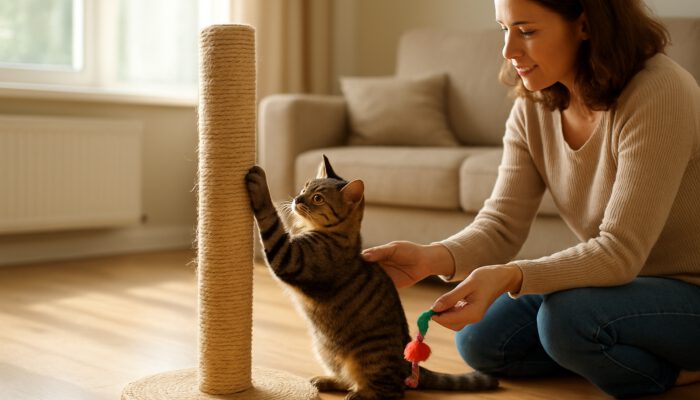
Table of Contents
Toggle
Cats exhibit scratching as a fundamental behavioral instinct that meets several vital needs. Scratching is crucial for maintaining their claws, allowing them to shed old layers and keep their claws sharp and healthy. Furthermore, cats use scratching to establish territorial markers, as this behavior releases pheromones from scent glands located in their paws. This action not only signals their presence to other animals but also reinforces their claim over their personal space. Lastly, scratching acts as a muscle-stretching exercise, which promotes physical fitness and agility. Addressing these inherent needs during training is essential, enabling owners to promote positive scratching behavior while reducing damage to furniture and belongings.
To better understand the reasons behind scratching, consider these common motivations:
These motivations highlight the complex nature of scratching, emphasizing the significance of providing suitable alternatives that address these instincts, ultimately aiding in effective training.
Selecting the appropriate scratching post is essential to motivate your cat to use it consistently. Cats have distinct preferences for textures and materials, which can greatly influence their willingness to scratch designated surfaces. Durable materials such as sisal, cardboard, and wood are popular options that mimic the natural surfaces cats encounter in their environments. For instance, sisal provides a tough texture that satisfies scratching needs, while cardboard offers a softer alternative that many cats find enjoyable.
When choosing scratching posts, consider these crucial factors to ensure long-term use:
By aligning your choices with your cat's natural preferences, you create an environment that encourages them to favor their scratching post over furniture or carpeting.
Training cats to utilize scratching posts can present various challenges, often rooted in their independent nature and initial unfamiliarity with new objects. Resistance to using scratching posts is quite common, as cats may initially overlook them entirely. This indifference can often arise from their lack of association between the post and positive experiences. Therefore, fostering acceptance of the post requires patience and keen observation from the owner.
To encourage consistent behavior, consider implementing positive reinforcement techniques that foster exploration and engagement. For example, placing enticing treats or favorite toys near the post can spark curiosity and invite interaction. If your cat displays resistance, avoid forceful methods or punishment, as these can lead to negative associations. Instead, provide gentle encouragement and create an inviting environment that encourages exploration. By understanding the common challenges in training, you position yourself to navigate them effectively and guide your cat towards developing a healthy scratching habit.

Initiating the training process requires creating an engaging and enjoyable environment that captivates your cat's interest in the scratching post. Short, interactive sessions are effective for grabbing attention and fostering a positive association with the new object. Start by placing the scratching post in a central location where your cat frequently spends time, ensuring convenience and accessibility.
Use treats or toys to entice your cat closer to the post, encouraging them to investigate it. For instance, you can dangle a favorite toy or sprinkle a few treats near the post to prompt exploration. Celebrate any interaction, no matter how small—whether it’s a sniff, a pawing motion, or a full scratch. This foundational approach not only promotes initial engagement but also aids in establishing a routine quickly. Celebrate these minor victories, focusing on creating a stress-free learning environment that emphasizes enjoyment and rewards.
Recognizing signs of interest in scratching posts is critical for tailoring your training approach effectively. Cats communicate their curiosity through body language, and observing these cues allows you to respond appropriately. Look for behaviors such as pawing at the post, sniffing around it, or exhibiting playful antics nearby. When your cat displays these signs, it indicates that they are beginning to explore the post as a potential scratching option, presenting an excellent opportunity to reinforce positive behavior.
Once you observe these indicators, it's essential to respond with immediate praise or rewards. Such reinforcement solidifies the idea that the scratching post is a desirable object. If your cat actively engages, reward them promptly with treats or affectionate petting. Recognizing these signs of interest and acting on them ensures timely reinforcement, fostering a positive relationship between your cat and their scratching post, ultimately increasing the likelihood of habitual use.

To promote regular use of scratching posts, it is essential to integrate them into your cat's daily routines. Place the posts in high-traffic areas where your cat spends a considerable amount of time, such as near their favorite resting spots or play areas. This strategic placement not only increases visibility but also encourages spontaneous interactions throughout the day.
Making the scratching post a habitual part of their environment can significantly enhance engagement. During playtime, for instance, incorporate the post into activities by encouraging your cat to jump or climb on it as part of the game. This creates a natural association between play and scratching, reinforcing the idea that the post is an entertaining and rewarding object. By seamlessly blending scratching with everyday activities, you support ongoing engagement and nurture a consistent habit, ensuring that your cat views the scratching post as an integral part of their environment.
Incorporating rewards into your training strategy is essential for fostering positive behaviors around the scratching post. When your cat uses the post, immediate rewards, such as treats or verbal praise, significantly enhance their motivation to repeat the action. By recognizing successful scratching with positive reinforcement, you help solidify the behavior, making it more likely that your cat will continue to use the post in the future.
Timing is crucial when rewarding your cat. Offer treats or praise immediately after they scratch the post, ensuring that they connect the positive outcome directly with the action. This connection is key to reinforcing the desired behavior. Consistency in rewards is also important; aim to reward every successful interaction, particularly in the early stages of training. As your cat becomes more accustomed to using the post, you can gradually reduce the frequency of rewards while still providing praise to maintain motivation. This structured approach to reinforcement not only encourages repeated use of the scratching post but also strengthens the bond between you and your feline companion.
As your cat becomes more comfortable with the scratching post, the next step is to gradually increase the time they spend using it. Start with brief sessions that allow your cat to explore without feeling overwhelmed. This method is particularly effective in building their confidence and ensuring they associate the post with positive experiences.
As your cat becomes more engaged, slowly extend the duration of each session. For example, begin with just a few minutes of scratching and gradually increase to ten or fifteen minutes as they adjust. This progressive approach allows your cat to become familiar with the post at their own pace, making it less likely to cause anxiety or stress. Additionally, observe your cat's reactions to the increased time; if they seem hesitant or lose interest, scale back and allow them to dictate the pace. By ensuring that each session remains positive and stress-free, you'll foster a lasting habit that promotes regular scratching.
To enhance the effectiveness of your training, consider incorporating advanced methods for reinforcement that appeal to your cat's natural instincts. One effective technique is the use of pheromone sprays, which can be applied to the scratching post to attract cats and encourage usage. These sprays mimic the natural scents that cats find appealing, creating a welcoming environment that invites exploration and interaction.
In addition to pheromone sprays, you might explore various enrichment techniques that stimulate engagement. For example, consider placing catnip near the post or using automated toys that encourage movement and play. Real-world examples from behavioral studies have shown that these techniques can significantly increase the likelihood of successful scratching. By utilizing these advanced methods, you create an environment that not only promotes scratching but also enriches your cat's overall experience, making training more effective and enjoyable.
Each cat possesses a unique personality that can significantly influence their training experience. Tailoring your approach to suit their individual traits can lead to better outcomes. For instance, playful cats often respond well to interactive toys and engaging activities that incorporate the scratching post. In contrast, shy or cautious cats may require a gentler approach, focusing on creating a calm environment where they feel safe to explore.
When adjusting your training techniques, pay attention to your cat's responses and preferences. If your cat is playful, enhance the experience by introducing toys that encourage them to engage with the post, effectively merging playtime with scratching. On the other hand, for shyer cats, consider using soft voices and gentle encouragement while allowing them to approach the post at their own pace. This personalized strategy demonstrates a deep understanding of your cat's characteristics and increases the likelihood of successful training by addressing their specific needs.
Tracking your cat's progress throughout the training process is vital for ensuring ongoing success. Simple logs can help you monitor improvements and identify patterns in behavior. For instance, keep notes on how often your cat uses the scratching post and any changes in their engagement levels. This information allows you to evaluate the effectiveness of your methods and make informed adjustments if needed.
As you monitor progress, consider employing expert phrasing to interpret behaviors. For example, note if your cat exhibits increased confidence or enthusiasm towards the post over time. Analyzing these behaviors can provide valuable insights into adjusting methods for sustained results. If you find that your cat is still hesitant or displays signs of regression, reassess your training approach and consider introducing new techniques or rewards. Regularly evaluating progress not only helps maintain training momentum but also reinforces the bond between you and your cat, fostering a positive scratching habit.
Integrating play into your training routines can significantly enhance your cat's engagement and strengthen the learning experience. By incorporating interactive toys and games into training sessions, you create a dynamic environment that makes the scratching post more appealing. Choose toys that encourage movement and mimic natural hunting behaviors, such as feather wands or laser pointers, to capture your cat's attention and entice them to explore the post.
Real-world studies have shown that playful methods lead to faster learning and stronger cat-trainer bonds. For example, during playtime, you can guide your cat towards the scratching post by using a wand toy that directs their movement in that direction. As they engage with the post, offer praise and rewards to reinforce the connection between play and scratching. This integrated approach not only makes training enjoyable for both you and your cat but also ensures that the scratching post becomes a central feature in their play routine, encouraging consistent use.
Throughout the training process, you may encounter challenges such as fear or distraction that can hinder progress. Handling these obstacles requires expert strategies tailored to your cat's specific needs. For instance, if your cat displays fear of the scratching post, create a low-pressure environment by placing the post in a quiet area and allowing your cat to approach it at their own pace. Gradually introducing the post during calm moments can help build their confidence.
If distraction is an issue, consider implementing focused training sessions free from external disturbances. Close curtains, turn off loud music, or remove other pets for a short period so your cat can concentrate on exploring the scratching post. Additionally, employing patience-building techniques, such as offering treats for proximity to the post, can encourage your cat to engage without feeling overwhelmed. By employing these tailored interventions, you can effectively navigate training challenges and restore progress towards achieving the desired outcomes.
Scratching posts serve as an effective means to protect household items from damage. By providing a designated surface for scratching, these posts redirect cats away from furniture, carpets, and other valuables. This redirection not only minimizes the risk of destruction but also fosters a harmonious living space that benefits both cats and their owners. When cats have a suitable outlet for their natural scratching instincts, they are less likely to resort to inappropriate surfaces, thus preserving the integrity of your home environment.
Moreover, the presence of scratching posts can alleviate stress for owners who might otherwise worry about the condition of their furniture or belongings. By fulfilling a cat's natural need to scratch, owners can enjoy peace of mind knowing that their pet is engaging in healthy behavior. This positive reinforcement creates a mutually beneficial situation where cats feel fulfilled and secure, and owners experience less frustration over potential damage.
Scratching posts play a crucial role in supporting overall cat health and well-being. Regular use of these posts helps maintain claw health by preventing overgrown nails, which can lead to discomfort or injury. Healthy claws are essential for a cat's ability to climb, scratch, and engage in natural behaviors. Moreover, scratching provides much-needed physical exercise, promoting agility and strength in your feline companion.
Understanding the significance of scratching posts encourages owners to prioritize them as an essential component of feline care. By providing cats with opportunities to scratch, exercise, and maintain their claws, owners contribute to their overall health and happiness. Investing in scratching posts becomes a proactive measure in ensuring that cats remain healthy, active, and content, ultimately enriching their quality of life.
Scratching posts are essential tools in managing cat behavior, particularly concerning anxiety-related scratching. By providing an outlet for scratching, these posts can help alleviate stress and frustration that may lead to undesirable behaviors. When cats have appropriate surfaces to scratch, they are less likely to engage in destructive activities, fostering a calmer environment for both cats and their owners.
In addition, scratching posts can serve as positive reinforcement tools, encouraging desired behaviors while helping to redirect negative tendencies. For example, if a cat is prone to scratching furniture out of boredom or anxiety, introducing a scratching post can provide a healthy distraction. This aspect of behavior management supports the development of positive habits, thus maintaining a peaceful household and contributing to the overall well-being of both cats and their human companions.
To train cats effectively, it’s essential to apply principles derived from animal behavior studies that emphasize reward-based learning. This approach focuses on reinforcing positive behaviors rather than punishment, fostering a more trusting relationship between the cat and owner. Implementing strategies that highlight consistency and positive reinforcement can yield reliable results, ensuring that cats associate scratching posts with rewarding experiences.
For example, when introducing a scratching post, establish a routine that incorporates regular rewards for successful interactions. This can include treats, praise, or playtime. By consistently rewarding your cat for using the post, you create a strong association between the behavior and positive outcomes. As your cat becomes accustomed to this routine, they will be more inclined to seek out the scratching post autonomously, leading to lasting positive behaviors. Following these key principles from animal behavior studies promotes effective training strategies that enhance overall success.
Integrating interactive play with scratching posts can significantly boost training effectiveness. By incorporating engaging toys and activities that stimulate your cat's natural instincts, you make the scratching post a more enticing option. For instance, using feather wands or laser pointers can draw your cat's attention towards the scratching post, encouraging them to explore and interact with it while having fun.
Research indicates that combining scratching with play enhances overall engagement and makes the training process enjoyable. When your cat associates the post with excitement and play, they are more likely to use it regularly. Consider incorporating short, playful sessions where you alternate between play and encouragement to use the post. This technique not only reinforces the desired behavior but also fosters a stronger bond between you and your cat, creating a positive training experience that yields lasting results.
To ensure continued engagement with scratching posts, it’s essential to implement evidence-based maintenance tips that keep the posts appealing over time. One effective strategy is to rotate the location of the posts periodically, which can reignite your cat's interest and encourage exploration. Cats can become accustomed to their environment, so introducing the scratching post in a new setting can stimulate curiosity and promote interaction.
In addition to relocations, consider refreshing the posts with new materials or adding additional features, such as toys or resting areas. Real-world examples demonstrate that periodically upgrading scratching posts can maintain your cat’s interest and encourage continued use. This proactive approach not only reinforces the habit but also enhances your cat's overall environment, ensuring they remain engaged and satisfied with their scratching options.
Recognizing ineffective training is essential for ensuring a successful approach to teaching your cat to use scratching posts. Signs such as persistent scratching of furniture or a lack of interest in the post are clear indicators that adjustments may be necessary. If your cat consistently avoids the scratching post or appears disinterested, it's crucial to reevaluate your techniques and environment to identify potential barriers to success.
Moreover, observe your cat's body language and behavior. If they display signs of stress or reluctance when near the post, it may indicate that the environment is not conducive to positive exploration. Paying close attention to these signals allows you to make timely corrections, ensuring that the training process remains enjoyable for your cat and fosters better outcomes.
Several factors can influence the speed of progress in training your cat to use scratching posts. One significant factor is age; younger cats are often more inquisitive and adaptable, making them generally easier to train than older cats, who may exhibit established behaviors. Additionally, environmental variables, such as the presence of other pets or distractions, can impact how quickly a cat adapts to a new scratching post.
The individual personality of your cat also plays a vital role. Some cats are naturally more curious and willing to explore new objects, while others may be more cautious or shy. Evaluating these factors enables you to tailor your training approach and set realistic expectations for progress. By understanding your cat's unique circumstances, you can create an effective training environment that fosters quicker adaptation and encourages successful scratching habits.
Evaluating the overall effectiveness of your training efforts is crucial for maintaining ongoing success. To determine if your cat is using the scratching post regularly, monitor their interactions and behaviors over time. If your observations indicate that the post is being used consistently, it suggests that your training methods are effective. Conversely, if scratching behavior remains directed towards furniture or other inappropriate surfaces, it may signal the need for adjustments.
Regularly assessing your cat's engagement with the scratching post allows you to determine whether to continue implementing current methods or explore new techniques. Being proactive in evaluating effectiveness promotes better outcomes and helps maintain positive behaviors, ultimately resulting in a satisfied and well-adjusted feline companion.
If standard training techniques fail to yield results, it may be time to consult experts for guidance. Situations requiring professional advice can include persistent avoidance of the scratching post or concerning changes in your cat's behavior. Seeking input from a veterinarian or cat behavior specialist can provide valuable insights into potential underlying health issues or environmental stresses that may be impacting your cat's willingness to engage.
Experts can also offer tailored strategies specific to your cat's unique personality and circumstances. By leveraging their knowledge and experience, you can make informed adjustments to your approach, ultimately fostering a successful training experience for you and your cat. Engaging with professionals can enhance your understanding of feline behavior and provide the tools necessary for achieving desired outcomes.
When adjustments are identified, implementing them effectively is crucial for maintaining progress and fostering positive behaviors. Start by applying changes gradually, testing new methods one at a time to gauge your cat's response. This allows you to observe how your cat adapts without overwhelming them with numerous shifts at once.
Monitor your cat closely during this process, paying attention to their reactions and preferences. If a particular adjustment seems to resonate, continue incorporating it into your routine. Conversely, if a change does not yield the desired results, reassess and try alternative techniques. By employing a step-by-step approach to implementation, you ensure that your training process remains supportive and positive, ultimately leading to lasting improvements in your cat's scratching habits.
Establishing a consistent reward system is fundamental for reinforcing the use of scratching posts and building lasting habits. By creating routines with treats, you encourage your cat to associate the scratching post with positive experiences. This approach solidifies behavior through regular positive reinforcement.
Consider implementing the following reward strategies:
By consistently rewarding your cat for using the scratching post, you strengthen the habit over time, ensuring that they view it as a preferred option for satisfying their natural instincts.
Encouraging independent use of scratching posts fosters self-reliance in your cat and strengthens their habit. Gradually reduce your direct involvement in the process, allowing your cat to explore and scratch on their own. This method promotes autonomy and reinforces their ability to make positive choices regarding their behavior.
To support this independence, start by allowing your cat to approach the post without prompting. If they engage with it, reward them with treats or praise, reinforcing the positive behavior. Over time, create opportunities for your cat to explore the post without your presence, promoting their confidence in using it. By fostering self-reliance, you establish a strong foundation for consistent scratching behavior that continues even in your absence.
Utilizing environmental cues can significantly enhance the effectiveness of your training efforts. By integrating subtle signals that guide your cat towards the scratching post, you reinforce the habit and make it a natural choice. For instance, consider using scents that appeal to your cat, such as catnip or pheromone sprays, to create an inviting atmosphere around the post.
Additionally, strategically placing the scratching post near areas where your cat frequently relaxes or plays can reinforce its presence in their environment. By associating the post with positive elements in their daily routine, you create a seamless connection that encourages consistent use. This technique enhances the training experience by making the scratching post a natural and appealing option, further solidifying the habit over time.
Observe for signs of interest, such as pawing, sniffing, or playfully engaging with the post. Positive interactions indicate enjoyment, while avoidance may suggest a need for adjustments.
If your cat ignores the post, try placing treats or favorite toys nearby to encourage exploration. Gradually introduce it during playtime to create positive associations.
In the beginning, reward your cat every time they use the post. As they become more accustomed to it, you can gradually reduce rewards while continuing to offer praise.
Absolutely! Providing multiple scratching posts in different locations can cater to your cat’s preferences and encourage consistent use. Variety keeps their environment engaging.
Durable materials like sisal, cardboard, and wood are ideal for scratching posts. Each offers different textures that cater to various scratching preferences.
Rotate the location of the scratching post, refresh it with new materials, or incorporate play into training to keep the experience engaging and appealing.
Signs of stress may include avoidance, hissing, or aggression towards the post. If your cat displays these behaviors, reassess the environment and approach.
Training duration varies by cat. Some may adapt in a few days, while others might take weeks. Patience and consistent positive reinforcement are essential.
Yes, alternatives include scratching pads, mats, or furniture with built-in scratching surfaces. These options can cater to different preferences and encourage scratching behavior.
If your cat persistently avoids the scratching post or displays concerning behaviors, consider consulting a veterinarian or behavior specialist for tailored advice and support.
Tags
Exploring the Exceptional Properties of Hemp Material Essential Features of Hemp Fibers Hemp fibers are celebrated for their remarkable strength and durability, making them an

Creating Nutritious Raw Meals for Your Pet’s Health Safely Choosing Fresh Ingredients for Raw Pet Meals Selecting high-quality proteins and fresh produce is crucial for
Creating a Safe and Comfortable Environment for Gentle Grooming Evaluating Your Home Setup for Pet Safety Establishing a tranquil environment is vital for fragile pets
By subscribing to our newsletter you agree to our Terms and Conditions and Privacy Policy
Ah, the fascinating world of feline politics! I once had two cats who turned our living room into a battleground over the prime sunbathing spot by the window. It got so intense that I half expected them to start negotiating treaties! It’s wild how something as simple as a cozy patch of sunlight can trigger their inner lions.
Your experience with the sunbathing turf war perfectly captures the subtle dynamics that play out in our feline companions’ lives. The way they claim their territory can seem almost strategic, like seasoned diplomats negotiating over valuable resources. What’s intriguing is how they exhibit behaviors reminiscent of their wild ancestors, even in such a mundane setting.
It sounds like you had quite the dynamic duo! Cats can really make life interesting with their little turf wars. It’s funny how they take their sunbathing spots so seriously, like it’s a matter of life and death. I’ve seen that same competitive spirit in my own cats; you’d think the sun would be big enough for two!
You nailed it! The way cats claim their spots is something else. It’s as if they’re negotiating territory like it’s a high-stakes board game. My cats would stare each other down, ready to throw down for that perfect sunbeam, and honestly, it’s hard not to laugh at the seriousness of it all.
It’s so true! It’s almost like they’ve got that little instinct kicking in, turning sunbathing into an Olympic event. I’ve seen my cats try to claim the same spot with the same passion you’d see in a sports match. Sometimes, I wonder if they think, “If I don’t get this patch of sunlight, I might never find another.” Cats can be so territorial over little things that we wouldn’t think twice about.
It’s really fascinating how these furry little creatures can turn the simplest things into epic dramas, isn’t it? The sunbathing competition really does seem like a life-or-death scenario for them. I mean, you’d think with all that space and light, they’d just share the warmth! But there’s something about that perfect sunbeam hitting the floor that turns them into instant rivals.
It’s true, isn’t it? The intensity with which cats lay claim to their sunbathing spots can be quite astonishing. Each one seems to believe they’re entitled to the sunniest patch, as if it’s some kind of royal decree. I often wonder about the psychology behind it—maybe it’s a blend of instinct and habit. Given how much they thrive on warmth, those sunny spots represent more than just comfort; they’re about survival and territory. It’s a bizarre little power struggle that can feel almost comical.
Absolutely! It’s amazing how such a simple thing like a sunbeam can spark so much drama. If you ever want to explore more about the quirky antics of our furry friends, check out this fun guide on cat behavior!
https://elgatoencasa.com/vet
I found your exploration of feline territorial behavior to be really insightful, especially since I have a multi-cat household myself. It’s fascinating how these instincts can shape their interactions and overall dynamics within the home. I’ve noticed that food seems to be a huge point of contention among my cats. Whenever I introduce a new type of food or even a different bowl, there’s an immediate competition that erupts. It’s like they see it as a challenge to their territory, rather than just a new offering.