


Crate Setup for Puppy Comfort: Tips for a Cozy Space
Essential Steps for Assembling Your Puppy’s Crate Accurate Measurements for Your Puppy’s Size To guarantee that your puppy’s crate is both comfortable and secure, precise
Table of Contents
Toggle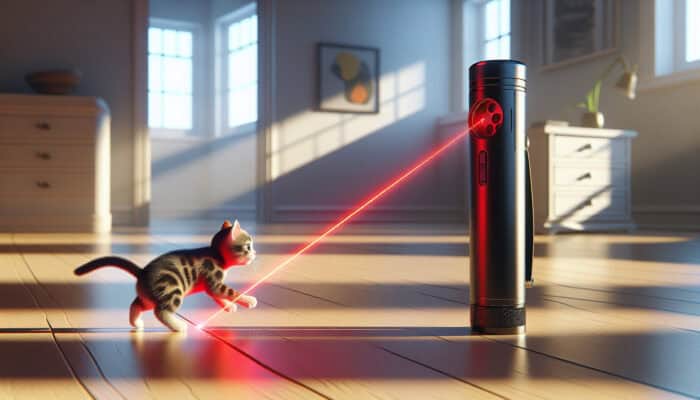
Laser Pointer Safety For Cats: Laser pointers are compact, handheld devices that emit a focused beam of light, often used in presentations or as engaging toys for pets. Cats are particularly attracted to these devices due to their instinct to pursue moving lights. However, it is critical to understand that improper use of laser pointers can pose serious risks to a cat's health and emotional well-being. Here are some essential characteristics of laser pointers that every responsible pet owner should take into account:
Understanding these features is essential for pet owners who want to engage their cats safely and responsibly. While laser pointers can certainly provide moments of joy and amusement, the risks associated with their use necessitate a cautious approach.
Cats are naturally equipped with a strong prey drive, which makes them curious and instinctually inclined to chase after small, moving objects. When a laser pointer beam zips across the floor or wall, it activates their hunting instincts, leading to playful pouncing and darting. While this behavior can be entertaining for owners to observe, it is important to recognize that the experience may not be entirely beneficial for the cat.
Initially, cats may seem thrilled by the chase, displaying energetic and playful behavior. However, the lack of a tangible reward, such as a toy they can catch, can lead to growing frustration and anxiety over time. This is particularly true for indoor cats, who may already face limited opportunities for stimulation and exercise. Recognizing these behavioral responses is critical for any cat owner who incorporates laser pointers into their pet's play routine.
While laser pointers can stimulate playful behavior, there are several significant risks that pet owners must be aware of. One of the primary concerns is the potential for frustration and obsessive behavior. Cats may become fixated on the light, leading to a repetitive cycle of chasing that fails to provide fulfillment. This can result in stress or anxiety, especially if they become accustomed to pursuing an uncatchable light.
In addition to the psychological impacts, there are physical risks associated with improper use. Direct exposure to a laser beam can cause eye damage, leading to serious vision problems. Extended play sessions can also lead to overstimulation, resulting in hyperactivity or aggressive behavior. Being aware of these risks is essential for any responsible cat owner, as the goal should always be to foster a healthy, engaging, and safe environment for their feline companions.
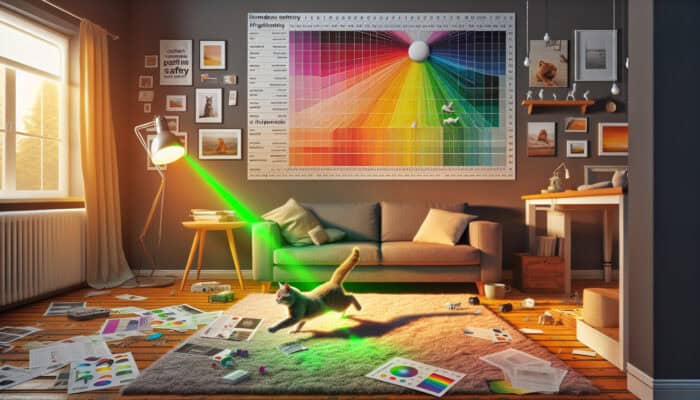
Veterinarians frequently advise caution when using laser pointers during play. They highlight the potential for stress and anxiety in cats as a significant concern. Many professionals recommend avoiding laser pointers altogether due to the frustrations they can create for pets, instead advocating for alternative toys that encourage more fulfilling interactions. For those who still wish to incorporate laser pointers, veterinarians recommend specific strategies to reduce risks.
One effective strategy is to ensure that play sessions conclude with the cat successfully catching a physical object, such as a toy mouse or a ball. This approach not only satisfies their predatory instincts but also provides a gratifying conclusion to the chase. Additionally, limiting the duration of laser pointer sessions can help prevent overstimulation and frustration. Regularly engaging with alternative toys can further lessen dependence on laser pointers, creating a more balanced play environment for the cat.
For cat owners who choose to include laser pointers in their playtime, prioritizing safety is essential. One effective method is to limit play sessions to 5 to 10 minutes each to prevent overstimulation. It is also important that owners aim the laser pointers at surfaces that facilitate physical play; when the session ends, allowing the cat to capture a tangible object becomes crucial for providing closure.
Real-world examples of safe laser pointer use include alternating laser play with physical toys. For instance, after a brief laser session, owners can throw a toy for their cat to catch, resulting in a more rewarding and fulfilling experience. This practice not only minimizes frustration but also encourages physical activity, contributing positively to the cat's overall health. Observing the cat's reactions throughout the play session is critical, enabling owners to adjust their approach based on their pet's responses.
Extensive use of laser pointers can lead to notable behavioral issues in cats. One of the most concerning effects is the development of obsessive-compulsive behaviors. Cats may become overly fixated on the chase, experiencing increased anxiety when they are unable to catch the elusive light. This fixation can manifest in various ways, including excessive vocalization, pacing, or other compulsive behaviors that disrupt their daily lives.
To effectively manage these long-term effects, owners must recognize the signs of distress and take proactive measures. Integrating a variety of engaging activities and toys into a cat's routine can help alleviate anxiety and provide consistent stimulation. Regular consultations with a veterinarian or animal behaviorist can also be advantageous, especially if concerning behaviors continue. Addressing these issues proactively is vital to ensuring a cat remains happy and healthy, with an appropriate balance of play and stimulation.
Experts suggest a myriad of alternative toys and activities that engage cats without the risks associated with laser pointers. Interactive toys, such as feather wands and puzzle feeders, not only stimulate a cat’s natural hunting instincts but also promote both physical and mental engagement. These alternatives are formulated to satisfy the cat's need for play while ensuring they experience a sense of achievement.
Specific recommendations for alternatives include:
Utilizing these alternatives not only decreases the risks of anxiety and frustration but also enhances the overall quality of life for cats. By engaging their minds and bodies through safe play options, owners can foster happier, more balanced pets.
Identifying signs of distress in cats is crucial for ensuring their well-being during playtime. Common indicators include excessive meowing, pacing, or hiding, which may suggest that the cat is feeling stressed or overwhelmed. Closely observing these signs provides insight into the cat's emotional state, enabling owners to adjust their play practices accordingly.
If a cat shows signs of distress during or after a laser pointer session, immediate action is necessary. Owners should pause the game and allow the cat time to calm down in a quiet environment. Engaging the cat in a different form of play or providing a safe space can help alleviate stress. Regular check-ins during playtime, along with monitoring behavior after sessions, ensure the cat's emotional needs are met, fostering a healthy, safe play environment.
When it comes to playtime for cats, selecting safe toys is critical to avoid the potential risks associated with laser pointers. Safe toys can provide cats with the essential mental and physical stimulation they desire. Options like interactive puzzles, feather wands, and catnip-filled toys stand out as excellent choices, engaging a cat's instincts while ensuring their safety.
Interactive toys that require problem-solving allow cats to use their brains and paws to earn treats or rewards. Feather wands encourage active play and strengthen the bond between pet and owner, while catnip toys can evoke excitement and engagement without the stress of an unending chase. The key is to choose toys that enable cats to feel accomplished and satisfied during play, thereby enhancing their overall well-being.
Engaging a cat in play involves more than merely tossing a toy across the room. Owners can enhance their cat's playtime experience through strategies that stimulate both the body and mind. Regular play sessions that incorporate different types of toys can keep a cat entertained and active.
Some effective engagement strategies include:
By implementing these strategies, owners can create a stimulating and rewarding environment that enables their cats to thrive both mentally and physically. This not only promotes happiness but also strengthens the bond between pet and owner, enriching the feline's overall life experience.
The advantages of utilizing alternative toys over laser pointers are substantial and varied. Engaging toys contribute to a cat's physical health, mental well-being, and emotional stability. By providing a diverse range of interactive experiences, cat owners can significantly reduce the risks associated with frustrating play sessions that typically arise from laser pointer use.
Moreover, toys that require physical interaction promote physical activity, helping combat obesity and associated health problems. Mentally stimulating toys encourage cognitive development, preventing boredom that can lead to destructive behaviors. Ultimately, the benefits of alternative toys extend beyond mere entertainment; they enrich a cat's life, fostering happiness and satisfaction while ensuring a healthier lifestyle.
Transitioning a cat from using laser pointers to engaging with alternative toys requires a thoughtful and gradual approach. The process should be slow, allowing the cat to adapt to new types of play without causing additional stress. Start by introducing one or two alternative toys during playtime while gradually phasing out laser pointer sessions.
Positive reinforcement plays a crucial role in this transition. Rewarding the cat with treats or affection when they engage with the new toys can encourage continued interaction. Observing their preferences and gradually introducing a variety of choices ensures that the cat remains engaged and interested. By creating a supportive and enriching environment, owners can effectively shift their cat’s play habits while promoting overall well-being.
Overstimulation in cats can manifest in various forms, often leading to behavioral issues that require attention and intervention. Symptoms such as excessive meowing, aggression, and hyperactivity may appear, signaling that a cat has reached its limit during playtime. Understanding these symptoms is crucial for any cat owner aiming to maintain their feline's well-being and happiness.
For instance, excessive vocalization can indicate that a cat is feeling overwhelmed or frustrated, while aggressive behaviors (such as swatting or biting) may signal anxiety. Hyperactivity might present itself as frantic running or excessive jumping, indicating that the cat is struggling to regulate its excitement. Recognizing these signs early enables owners to intervene and provide the calm, safe environment their cat needs to feel secure.
Preventing overstimulation requires a proactive approach to playtime and environmental management. Owners should limit play sessions to specific durations, generally not exceeding 10 to 15 minutes, to prevent overwhelming the cat. Incorporating calming aids, such as pheromone diffusers, can help create a soothing atmosphere during playtime.
Additionally, providing a quiet space for the cat to retreat to when feeling overstimulated is vital. This could be a comfortable bed or a designated room where the cat can relax undisturbed. Establishing a routine around playtime helps cats become accustomed to their activities, reducing anxiety and the chance of overstimulation. By fostering a calm and enriching environment, owners can significantly mitigate the risk of overstimulation and its associated behaviors.
If a cat exhibits persistent signs of overstimulation or stress, owners must seek professional guidance. Consulting a veterinarian or a certified animal behaviorist can provide valuable insights and tailored strategies to address the individual cat's needs. Ongoing anxiety may not only disrupt playtime but can also lead to serious health issues if left unaddressed.
Professional guidance can help develop a customized plan to manage the cat's behavior, ensuring the animal’s emotional and physical well-being is prioritized. Early intervention is key; the sooner concerns are addressed, the greater the chances for a successful outcome. By providing a safe and healthy environment for cats, owners can promote a fulfilling quality of life and foster a strong bond between pet and owner.
Implementing effective safety measures is crucial for cat owners who choose to use laser pointers during playtime. One of the most critical strategies is to use laser pointers sparingly, ensuring they do not become the primary source of stimulation. This approach helps prevent the onset of obsessive behaviors and anxiety in cats, promoting a healthier play experience overall.
Another significant safety measure is to conclude laser play sessions with a tangible object, such as a toy or treat. This practice allows the cat to enjoy a sense of accomplishment, which is vital for their emotional health. Closely monitoring the cat’s behavior during and after playtime can also help identify any signs of distress or frustration, enabling owners to make timely adjustments as needed. Adhering to these expert-backed strategies not only enhances safety but also enriches cats' overall play experience.
Effective monitoring of a cat's behavior during playtime is paramount for ensuring its well-being. Owners should closely observe their cat’s reactions, looking for signs of frustration, anxiety, or overstimulation. This involves not only watching for changes during play but also assessing the cat’s overall demeanor after playtime.
If owners notice that their cat becomes increasingly agitated or aggressive, it may be necessary to pause the play session. Keeping a detailed record of the cat’s behavior can help identify patterns, allowing owners to tailor their playtime strategies accordingly. By being attentive and responsive, owners can create a positive play environment and address potential issues before they escalate.
Adopting best practices for laser pointer use can significantly reduce the associated risks while enhancing playtime for cats. One key practice is to reserve laser pointers for occasional use, ensuring they are not the sole source of entertainment. This helps mitigate the potential for frustration linked to chasing an uncatchable light.
Moreover, it is crucial never to aim the laser directly into a cat's eyes, as this can cause serious eye damage. Instead, directing the laser at surfaces like the floor or walls encourages safe play while still engaging the cat's instincts. An effective practice is to combine laser pointer play with physical toys, allowing the cat to transition between the two forms of play seamlessly. By implementing these best practices, owners can create a safe, enjoyable, and enriching play experience for their feline friends.
Overuse of laser pointers can lead to a range of negative effects on a cat's behavior and emotional state. One of the main risks is the development of obsessive behavior, in which the cat becomes fixated on the light and struggles to disengage. This obsession can result in heightened anxiety, leading to destructive behaviors or excessive vocalization.
Additionally, overuse can cause eye damage if the laser is pointed directly into the cat’s eyes. Owners should remain vigilant for signs of overuse, such as constant meowing, pacing, or aggressive behavior. Establishing clear boundaries around laser pointer playtime and ensuring a balanced mix of alternative toys can help prevent these negative outcomes, promoting a healthier play environment for cats.
Educating family members about the risks posed by laser pointers is vital to a cat's safety and well-being. Owners can initiate discussions to explain the potential dangers, such as frustration and overstimulation, while emphasizing the importance of responsible play practices. Demonstrating safe alternatives, like interactive toys, can also provide insight into effective ways to engage with the cat without the risks associated with laser pointers.
Creating a family plan for playtime that incorporates everyone’s understanding can foster a collective approach to pet care. This ensures that all household members prioritize the cat's well-being and engage in safe play practices. By fostering open communication and shared knowledge, families can create a nurturing environment for their feline friends.
A plethora of resources is available to help educate pet owners about laser pointer safety. Veterinary advice, online articles, and educational videos are excellent starting points for understanding the risks and best practices associated with laser pointer use. Many veterinary clinics offer brochures or workshops on pet safety that discuss proper toy use and the importance of mental stimulation.
Online platforms and pet care organizations also provide valuable information, including expert opinions and real-world case studies. Engaging with these resources empowers cat owners to make informed decisions regarding their pets' play and overall well-being. The more educated an owner is, the better equipped they will be to ensure a safe and fulfilling environment for their cats.
Raising awareness of laser pointer safety is essential to preventing harm to cats worldwide. By sharing knowledge of the risks and advocating for responsible pet ownership, communities can cultivate environments that prioritize animal welfare. Informed pet owners are more likely to choose safer alternatives, significantly reducing the chances of psychological and physical health issues in cats.
Moreover, awareness initiatives can foster a sense of community among pet owners, encouraging them to share their experiences and solutions. Group discussions, workshops, or social media campaigns can amplify the message, reach a broader audience, and enhance the dialogue around responsible pet care. This collective effort can lead to a more informed public, ultimately benefiting the health and happiness of pets everywhere.
Schools and community centers play a vital role in educating the public about laser pointer safety and animal welfare. By hosting workshops and informational sessions, these organizations can engage local communities in discussions about responsible pet ownership. Topics may include the risks associated with laser pointer use, alternative toys, and behavioral signs to watch for in pets.
Additionally, incorporating animal welfare education into school curricula can instill a sense of responsibility in future generations. Engaging students through interactive activities, such as inviting local veterinarians to speak or organizing pet care projects, can enhance understanding and appreciation for animal safety. This proactive approach helps cultivate a culture of empathy and responsibility toward pets within communities.
Social media platforms serve as powerful tools for disseminating educational content related to laser pointer safety and animal welfare. By sharing informative articles, infographics, and videos, pet owners can reach a wider audience and foster discussions on safe play practices. Engaging with communities on platforms like Facebook, Instagram, and Twitter can amplify the message and raise awareness about responsible pet care.
Moreover, social media enables pet owners to share their experiences, seek advice, and discuss best practices with one another. This collaborative information-sharing can create a supportive network of pet owners dedicated to improving their animals' well-being. The potential for viral content significantly enhances the reach of crucial safety messages, making social media an essential ally in spreading awareness and education.
Laser pointers can be safe when used responsibly and sparingly. However, they can lead to frustration and obsessive behaviors if misused. Ensuring your cat can catch a physical object at the end of a session can help alleviate some risks.
Signs of overstimulation in cats include excessive vocalization, aggression, pacing, and hiding. Monitoring your cat during play will help you recognize these signs early.
Alternatives to laser pointers include interactive toys, feather wands, puzzle feeders, and catnip toys. These provide safe, engaging play options that fulfill a cat's instincts.
Laser pointer sessions should generally last no longer than 5 to 10 minutes to prevent overstimulation and frustration. Always conclude with a tangible toy so your cat has a chance to catch something.
If your cat shows signs of distress, such as aggression or excessive meowing, stop the play session immediately. Provide a calm and quiet space for your cat to relax before engaging in further play.
Regular play sessions—ideally daily—are essential for a cat's physical and mental health. Aim for several short sessions throughout the day, incorporating a variety of toys.
Yes, shining a laser pointer directly into a cat’s eyes can cause significant damage. Always avoid aiming the laser at your cat’s face or eyes during play.
Signs of a happy cat during play include purring, relaxed body language, playful behavior, and engagement with toys. A contented cat will often appear curious and enthusiastic about play.
Yes! Toys that encourage problem-solving, such as puzzle feeders, interactive wands, and treat-dispensing toys, are excellent for mental stimulation. Rotate these toys regularly to keep your cat engaged.
If your cat develops obsessive behaviors, consult a veterinarian or animal behaviorist. They can help create a tailored plan to address the behavior and suggest safe alternative activities.
Tags
Essential Steps for Assembling Your Puppy’s Crate Accurate Measurements for Your Puppy’s Size To guarantee that your puppy’s crate is both comfortable and secure, precise

Understanding the Features of Temperature-Controlled Pet Beds Key Components of Temperature-Controlled Beds The essential elements that enable temperature-controlled beds for pets to maintain comfortable temperatures

Navigate Seasonal Flea Challenges for Your Pets How to Spot the Early Signs of Flea Infestation Early detection of flea activity is essential for pet
By subscribing to our newsletter you agree to our Terms and Conditions and Privacy Policy