Rabies Shot Reactions in Pets: Common Symptoms and Care

Table of Contents

Comprehensive Overview of Rabies Vaccinations for Pets

What is the Essential Role of Rabies Vaccinations for Pets?

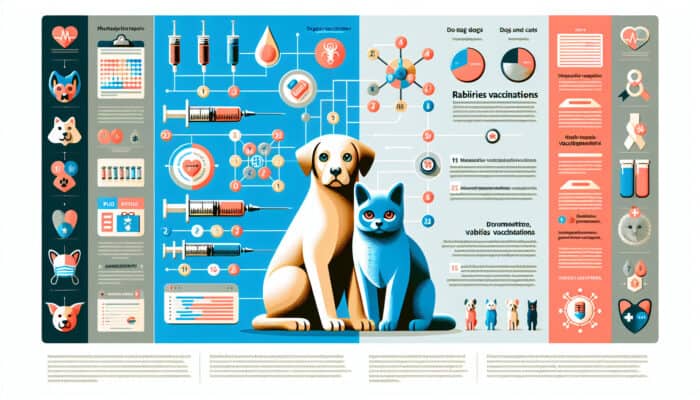
Rabies Shot Reactions in Pets: Veterinarian vaccinating a dog against rabies, with shadowy figures of bats, raccoons, and foxes in the background.

Rabies Shot Reactions in Pets: Rabies vaccinations play a vital role in protecting pets against the lethal rabies virus, a serious zoonotic disease primarily transmitted through bites from infected animals such as bats, raccoons, and foxes. The vaccine effectively stimulates the immune system, prompting it to produce antibodies that neutralize the virus, thereby significantly reducing the risk of infection. The advantages of rabies vaccinations are numerous and can be summarized as follows:

  • Protection against a fatal disease: Once symptoms of rabies manifest, the disease is almost always fatal, making vaccination an absolute necessity.
  • Legal compliance: Many regions require rabies vaccination, so keeping pets up to date ensures compliance with local laws and regulations.
  • Community health: By vaccinating pets, owners help prevent the transmission of rabies to other animals and humans, promoting overall public health.
  • Peace of mind: Knowing your pet is vaccinated lets owners enjoy outdoor activities without unnecessary worry.

Robust vaccination protocols also support broader public health initiatives by reducing rabies reservoirs in animal populations. Given that rabies is a global concern, vaccination programs can drastically reduce incidence rates, leading to safer environments for both pets and humans.

What Types of Rabies Vaccines Are Available for Pets?

Various types of rabies vaccines are available for pets, each engineered to deliver effective immunity against the virus. The two primary categories are killed-virus vaccines and recombinant vaccines. Each type has a unique administration protocol and varying durations of immunity, which might differ based on the pet’s age, health, and local regulations. The different types of rabies vaccines can be summarized as follows:

  • Killed virus vaccines: These vaccines contain inactivated rabies virus and are widely used, providing effective immunity.
  • Recombinant vaccines: These advanced vaccines utilize harmless viruses to introduce rabies genes, triggering a strong immune response.
  • Combination vaccines: Some vaccines integrate rabies protection with other core vaccinations, streamlining the vaccination process for pet owners.
  • Extended-duration vaccines: These vaccines offer immunity for longer periods, reducing the frequency of booster shots.

Understanding these different types empowers pet owners to make informed decisions about their pets' health, ensuring their vaccination choices align with the latest veterinary guidelines and regulations.

How Often Should Pets Receive Rabies Vaccinations?

Multiple factors, including the type of vaccine used and local regulations, influence the frequency at which pets should receive rabies vaccinations. Generally, pets will receive an initial vaccination followed by booster shots at designated intervals. Recommended vaccination schedules typically adhere to these general guidelines:

  • Initial vaccination: Puppies and kittens usually receive their first rabies vaccine at approximately 12 to 16 weeks of age.
  • First booster: A booster is commonly administered one year after the initial vaccination.
  • Subsequent boosters: Depending on the vaccine type, boosters are generally given every one to three years.
  • Local regulations: Certain regions may require specific vaccinations, which must be adhered to.

These schedules may vary depending on local laws and the specific vaccines used, underscoring the importance of consulting with a veterinarian to ensure compliance and optimal health for your furry family members. Regular vaccinations not only protect individual pets but also contribute to the community's overall health.

Recognizing Common Reactions to Rabies Vaccinations

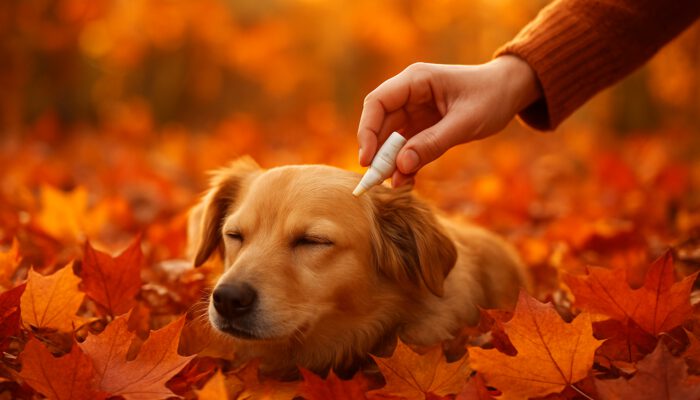
A dog receiving a rabies vaccination, showing slight flinching and mild discomfort.

What Immediate Reactions Can Pets Experience After Rabies Shots?

Immediate reactions to rabies shots may encompass mild fever, lethargy, and soreness at the injection site. While these symptoms could cause alarm, they are typically mild and resolve within a few days. Common indicators of immediate reactions to rabies vaccinations may include:

  • Mild fever: Pets may show a slight increase in body temperature as their immune system reacts to the vaccine.
  • Lethargy: A temporary dip in energy levels is common as the body initiates an immune response.
  • Soreness at the injection site: Pets may flinch or show sensitivity when the injection site is touched.
  • Reduced appetite: Some pets may eat less than usual for a day or two after vaccination.

Although these immediate reactions might be worrisome to pet owners, they generally pose no threat and resolve on their own. Monitoring your pet closely during this recovery period allows you to address any concerns promptly and consult your veterinarian if symptoms persist beyond a few days.

What Are the Potential Long-Term Side Effects of Rabies Vaccinations?

Though rabies vaccinations are widely regarded as safe, some pets may experience long-term side effects, albeit infrequently. These can include allergic reactions or autoimmune disorders that may develop days or weeks after vaccination. Potential long-term side effects of rabies vaccinations can encompass:

  • Allergic reactions: Some pets can develop an allergic reaction, which may manifest as hives, swelling, or even difficulty breathing.
  • Autoimmune disorders: Rarely, vaccinations may trigger autoimmune conditions wherein the immune system mistakenly attacks healthy tissues.
  • Local inflammation: Persistent swelling or discomfort at the injection site can occur in some pets.
  • Behavioral changes: While infrequent, some owners report noticeable behavioral changes following vaccination.

Awareness of these potential side effects is crucial, as it enables pet owners to monitor their pets for these signs and seek veterinary support if necessary. Maintaining regular communication with your veterinarian can help you effectively manage any adverse reactions that may arise.

How to Effectively Manage Side Effects from Rabies Vaccinations?

Managing side effects from rabies vaccinations requires careful observation and support for your pet during their recovery. After vaccination, it is vital to monitor your pet's behavior and health closely. Should you notice any concerning symptoms, here are several tips for effectively managing side effects:

  • Comfort measures: Provide a quiet, comfortable resting space for your pet to recover after their vaccination.
  • Hydration: Ensure your pet has easy access to fresh water to stay hydrated, especially if they are experiencing a mild fever.
  • Consult your veterinarian: If symptoms persist or worsen, do not hesitate to contact your veterinarian for guidance and possible interventions.
  • Record observations: Keep a detailed log of any changes in behavior, appetite, or physical condition for your vet's review.

Proactively monitoring and managing side effects can help ensure your pet's well-being during the recovery phase following vaccination. Keeping an open line of communication with your veterinarian can provide reassurance and guidance whenever necessary.

Insights from Experts on Reactions to Rabies Shots in Pets

What Do Veterinarians Recommend Regarding Rabies Shot Reactions?

Veterinarians frequently encounter a variety of reactions to rabies shots, and their insights can be invaluable for pet owners. Many veterinarians stress that while mild reactions are common, severe reactions are exceedingly rare. Real-world examples from veterinary experiences underscore the importance of understanding what to expect. For instance, one veterinarian noted that they often observe mild lethargy and discomfort in pets, which typically resolve within 24 to 48 hours. However, they also emphasize the necessity for pet owners to remain vigilant and proactive in monitoring their pets following vaccination.

Numerous professionals recommend that pet owners familiarize themselves with the signs of both mild and severe reactions to ensure prompt action when necessary. Engaging in open discussions with veterinarians before vaccination can also alleviate concerns, making owners feel better prepared. It is a common sentiment among veterinary professionals that the benefits of vaccination overwhelmingly outweigh potential risks, reinforcing the importance of keeping pets vaccinated against rabies.

How Can Pet Owners Prepare for Rabies Vaccinations?

Preparing for rabies vaccinations involves several practical steps to ensure a smooth experience for both pets and owners. First and foremost, confirming your pet's good health is essential; a wellness check before vaccination can identify any underlying issues. When addressing concerns with your veterinarian, pet owners should consider the following steps:

  • Health evaluation: Ensure your pet is free from illness or significant stressors before the vaccine appointment.
  • Discuss the history: Inform your vet of any prior reactions to vaccinations to tailor the vaccination approach.
  • Comfort provisions: Bring familiar items, such as a favorite blanket or toy, to comfort your pet during the visit.
  • Post-vaccination plan: Have a plan in place to monitor your pet at home after vaccination, including a designated recovery space.

Understanding what to expect and how to prepare can greatly reduce anxiety for both pets and their owners. Being proactive and informed helps ensure that the vaccination process is as stress-free and effective as possible.

What Research Supports the Safety and Efficacy of Rabies Vaccines?

Numerous studies have evaluated the safety and efficacy of rabies vaccines, providing a robust foundation for their use in pets. Research consistently shows that rabies vaccines are both effective and generally safe, with adverse reactions being quite rare. Expert analysis indicates that regulatory bodies, including the World Health Organization (WHO) and the Centers for Disease Control and Prevention (CDC), endorse rabies vaccinations as a critical public health measure.

Studies have demonstrated that the long-term health risks associated with rabies vaccination are minimal compared to those posed by the disease itself. The effectiveness of vaccines in preventing rabies in pets is thoroughly documented, with vaccination programs showcasing significant reductions in rabies incidence among both domestic animals and wildlife. This body of research reinforces the importance of vaccination not only for individual pets but also for community health.

What Common Symptoms Indicate Rabies Shot Reactions in Pets?

Common symptoms of rabies shot reactions in pets typically encompass mild fever, lethargy, and swelling at the injection site. Pet owners should familiarize themselves with these signs and closely monitor their pets after vaccination. A detailed list of symptoms that may occur includes:

  • Mild fever: A slight rise in body temperature as the immune system responds to the vaccine.
  • Lethargy: Pets may appear tired or less active than usual following vaccination.
  • Injection site swelling: Some pets may exhibit noticeable swelling at the injection site.
  • Reduced appetite: A temporary loss of interest in food may occur for a day or two after vaccination.

Being vigilant about these symptoms allows pet owners to seek veterinary advice when necessary. Understanding what constitutes a normal reaction versus a cause for concern is essential for ensuring the well-being of pets during their recovery from vaccination.

How Should Pet Owners React to Severe Rabies Shot Reactions?

In the event of severe reactions such as anaphylaxis, immediate veterinary care is crucial. Pet owners should be acquainted with the signs of severe reactions, which may include difficulty breathing, swelling around the face, and extreme lethargy. It is vital to have an emergency response plan in place. Steps for emergency response include:

  • Recognizing symptoms: Be vigilant for signs of severe reactions, such as excessive swelling or difficulty breathing.
  • Contacting a veterinarian: If severe symptoms are observed, contact your veterinarian or an emergency clinic right away.
  • Safe transportation: If necessary, transport your pet to a veterinary hospital while monitoring their condition closely.
  • Document reactions: Record the symptoms and any other pertinent information for the veterinarian's reference.

Understanding how to respond in emergencies enables pet owners to act swiftly, minimize risks, and achieve the best possible outcomes for their pets. Being prepared and informed can significantly help manage severe reactions effectively.

When to Seek Veterinary Care for Your Pet

What Signs Indicate a Severe Reaction to Rabies Shots?

Severe reactions to rabies shots can manifest in various ways and require immediate veterinary attention. Key indicators of a severe reaction include:

  • Difficulty breathing: Pets may exhibit labored breathing or wheezing, indicating respiratory distress.
  • Facial swelling: Noticeable swelling around the face, eyes, or muzzle may signify an allergic reaction.
  • Severe lethargy: An extreme lack of energy or responsiveness may suggest a serious health issue.
  • Vomiting or diarrhea: Gastrointestinal upset can sometimes accompany an allergic reaction.

Recognizing these signs is crucial for prompt action, as severe reactions can escalate rapidly. Pet owners should remain vigilant and seek immediate veterinary assistance if any of these symptoms are observed. Understanding the urgency of these reactions can save lives and protect pets' health.

How to Effectively Monitor Your Pet After a Rabies Vaccination?

Monitoring your pet after a rabies vaccination is essential for their well-being and helps detect any adverse reactions early. This involves observing for changes in behavior, appetite, or physical condition following vaccination. A helpful checklist for monitoring pets after rabies vaccinations includes:

  • Check for fever: Use a thermometer to monitor your pet's temperature for any significant changes.
  • Observe energy levels: Note any fluctuations in activity; lethargy should be temporary.
  • Assess appetite: Monitor food and water intake to ensure your pet is eating and drinking normally.
  • Inspect the injection site: Look for any swelling, redness, or discharge at the injection site.

Proactive monitoring can help identify issues early, enabling timely veterinary intervention if needed. Keeping a close watch on your pet in the hours and days following vaccination is a crucial aspect of responsible pet ownership.

Why Regular Vet Check-ups Post-Vaccination Are Important?

Regular check-ups after a rabies vaccination are vital for identifying any side effects early and managing them effectively. These visits serve multiple essential purposes:

  • Monitoring health: Routine evaluations help assess your pet’s overall health and well-being following vaccination.
  • Addressing concerns: Regular visits provide opportunities to discuss any behavioral changes or reactions with your veterinarian.
  • Updating records: Keeping vaccination records up to date is crucial for compliance with local laws and regulations.
  • Preventing future issues: Early detection of side effects enables prompt management, reducing the risk of more severe complications.

Regular veterinary check-ups reinforce the importance of preventative care in maintaining pet health. They also strengthen the bond between pet owners and veterinary professionals through open communication and trust.

Proactive Measures for Preventing Rabies in Pets

How Can You Guard Your Pet Against Rabies?

Protecting pets from rabies involves implementing several proactive measures that pet owners must take seriously. Ensuring vaccinations are current is just the beginning; comprehensive preventive measures can further enhance their safety. Best practices for protecting pets from rabies include:

  • Regular vaccinations: Keep vaccinations up to date as recommended by your veterinarian.
  • Avoiding contact with wildlife: Prevent pets from interacting with wild animals, as they may be rabies carriers.
  • Supervised outdoor time: Always supervise pets when they are outside, particularly in wildlife-prone areas.
  • Securing trash: Properly dispose of waste to deter wildlife that may be rabies carriers.

Implementing these strategies can significantly reduce the risk of rabies exposure for pets, contributing to their overall health and safety. Awareness of local wildlife and potential transmission risks is crucial in effectively tailoring protective measures.

What Role Do Vaccinations Play in Rabies Prevention?

Vaccinations are pivotal in preventing rabies by enhancing the pet's immune response to the virus. When a pet receives a rabies vaccine, their body produces antibodies that offer protection against future infections. The importance of vaccinations in rabies prevention can be highlighted through the following points:

  • Immediate immunity: Vaccines stimulate a rapid immune response, equipping pets to combat potential infections.
  • Herd immunity: Widespread vaccination diminishes the overall prevalence of rabies in animal populations, protecting even unvaccinated pets.
  • Public health benefit: Vaccinating pets helps prevent rabies transmission to humans, contributing to community health.
  • Long-term protection: Regular booster shots ensure persistent immunity, reducing the likelihood of rabies exposure over time.

Understanding the critical role that vaccinations play in rabies prevention empowers pet owners to prioritize their pets' health and well-being. Engaging veterinarians in discussions about vaccination schedules and best practices enhances preventive healthcare strategies.

What Additional Measures Help Prevent Rabies Exposure?

In addition to vaccinations, pet owners can adopt other essential measures to prevent rabies exposure. These precautions are particularly critical in areas where rabies is more prevalent. Additional preventive strategies include:

  • Securing trash: Keep garbage cans closed and secured to avoid attracting wildlife.
  • Keeping pets indoors: Limit outdoor access, especially during twilight hours when wildlife is most active.
  • Supervision during outdoor activities: Always supervise pets when they are outside, particularly in unfamiliar areas.
  • Educating children: Teach children about the dangers of approaching wild animals and the importance of reporting any unusual animal behavior.

Proactive measures like these can significantly minimize the risk of rabies exposure for pets. Awareness, education, and responsible pet ownership are key components of creating a safer environment for all members of the community.

How to Recognize Signs of Rabies in Pets?

Early detection of rabies symptoms in pets is crucial for timely treatment and preventing the potential spread of the virus. Recognizing the signs of rabies can significantly impact outcomes. Common signs of rabies in pets may include:

  • Behavioral changes: Pets may display sudden aggression, fearfulness, or unusual friendliness.
  • Difficulty swallowing: Rabid pets may struggle to eat or drink due to paralysis in the throat.
  • Excessive drooling: Rabies can cause swallowing difficulties, leading to drooling.
  • Loss of coordination: As the disease progresses, pets may exhibit unsteady gait, staggering, or paralysis.

Understanding these symptoms is vital for pet owners, as timely action can help prevent further spread and protect other animals and humans from potential exposure. If rabies is suspected, immediate veterinary attention is necessary to minimize risks and ensure appropriate care.

What Are the Legal Requirements for Rabies Prevention?

Many regions enforce laws requiring pet rabies vaccinations and reporting potential exposures to control the disease effectively. Rabies prevention, the measures can vary considerably by location and may include:

  • Mandatory vaccinations: In numerous areas, pets must be vaccinated against rabies by a specific age, typically between 12 and 16 weeks.
  • Vaccination records: Owners must maintain accurate vaccination records, which local authorities may require.
  • Reporting exposure: Pet owners are often legally obliged to report any potential rabies exposure incidents to local health departments.
  • Quarantine regulations: There may be laws governing the quarantine of animals suspected of rabies, especially if they have been in contact with a potentially rabid animal.

Understanding these legal requirements is vital for pet owners to ensure compliance and protect both their pets and the wider community. Engaging with local veterinary services can provide clarity on specific laws and reinforce responsible pet ownership practices.

Addressing Myths and Misconceptions About Rabies Vaccinations

Are Rabies Vaccinations Necessary for Indoor Pets?

Even indoor pets can be at risk of rabies if they come into contact with infected wildlife. Many pet owners mistakenly believe that keeping their pets indoors eliminates the risk of rabies, but that is not the case. Potential risks include:

  • Wild animals entering homes: Bats and other wildlife can inadvertently enter residences.
  • Exposure during outdoor activities: Indoor pets may occasionally go outside, increasing their risk of exposure.
  • Contact with visiting pets: Pets that interact with vaccinated outdoor animals could still be exposed to rabies.
  • Community transmission: If rabies is present in the local wildlife population, even indoor pets remain at risk.

Vaccinating indoor pets is essential to protect them from potential exposure and ensure their health and the health of those around them.

Can Rabies Vaccinations Lead to Behavioral Changes in Pets?

While some pets may experience temporary behavioral changes due to mild reactions, rabies vaccinations do not cause long-term behavioral issues. Minor behavioral changes may manifest as pets react to the vaccine, but these are typically transient. Pet owners may observe:

  • Transient lethargy: Pets may appear more tired or less playful for a brief period.
  • Temporary irritability: Some pets may exhibit mild irritability or withdrawal immediately after vaccination.
  • Adjustment period: Pets may require a few days to readjust to their normal behavior.
  • No lasting effects: Once the immune response stabilizes, normal behavior typically resumes.

Being aware of these potential temporary changes helps pet owners distinguish them from more serious health concerns, underscoring the importance of regular monitoring after vaccination.

Do Rabies Vaccinations Carry Long-Term Health Risks?

The long-term health risks associated with rabies vaccinations are minimal and typically involve rare allergic reactions or autoimmune conditions. While concerns about vaccine safety are common, extensive research supports the view that the benefits of vaccination outweigh any potential risks. Understanding widespread misconceptions about long-term health risks can help alleviate concerns:

  • Rare allergic reactions: Although possible, severe allergic reactions to rabies vaccines are exceedingly uncommon.
  • Autoimmune issues: Instances of autoimmune disorders linked to rabies vaccines are rare and often associated with pre-existing conditions.
  • Regulatory oversight: Rabies vaccines undergo rigorous testing for safety and efficacy before approval.
  • Evidence-based safety: Studies consistently indicate that the risk of rabies is significantly greater than the minor risks associated with vaccination.

Understanding these facts is crucial for pet owners, as this knowledge promotes informed decision-making regarding their pets’ health and vaccination needs.

Key Strategies for Managing Rabies Shot Reactions in Pets

How to Select the Appropriate Rabies Vaccine for Your Pet?

Choosing the right rabies vaccine for your pet involves considering several factors, including your pet's health, age, and any previous reactions to vaccinations. Real-world examples illustrate the importance of personalized vaccine selection. Recommendations for selecting the appropriate rabies vaccine include:

  • Consulting your veterinarian: Discuss your pet's specific health needs and vaccination history to receive tailored advice.
  • Understanding vaccine types: Familiarize yourself with the various types of vaccines available and their respective protocols.
  • Assessing health status: Ensure your pet is healthy before vaccination, as underlying health issues may affect vaccine response.
  • Reviewing local regulations: Stay informed about any local mandates regarding rabies vaccinations to ensure compliance.

Making informed choices helps optimize vaccine efficacy while minimizing the risk of adverse reactions, underscoring the importance of professional veterinary guidance.

What Steps to Take If Your Pet Experiences a Reaction to a Rabies Shot?

If your pet reacts to a rabies shot, it is essential to closely monitor their symptoms and contact your veterinarian for guidance on the next steps. Immediate action can greatly influence outcomes. Recommended steps for addressing a pet's reaction include:

  • Monitor symptoms: Keep a detailed log of any changes in behavior, appetite, or physical condition.
  • Contact your veterinarian: If symptoms persist or worsen, reach out to your vet for advice on managing the situation.
  • Stay calm: Maintaining a calm demeanor can help soothe your pet during this time.
  • Follow veterinary guidance: Adhere to any recommendations or treatments suggested by your vet based on your pet’s specific symptoms.

Being prepared and informed enables pet owners to respond effectively to unexpected reactions, ensuring the best possible care for their pets.

How to Educate Yourself on Rabies Vaccinations and Their Importance?

Educating yourself about rabies vaccinations involves consulting reliable sources, discussing it with your veterinarian, and staying up to date on the latest research. Knowledge is crucial for making informed decisions about your pet's health. Strategies for self-education include:

  • Consulting your veterinarian: Engage in open conversations about vaccination schedules, types, and potential risks.
  • Utilizing credible resources: Explore reputable websites, veterinary journals, and public health organizations for accurate information.
  • Joining pet owner forums: Participate in online communities to share experiences and gather insights from fellow pet owners.
  • Staying informed: Regularly check for updates on rabies vaccine research and recommendations from veterinary associations.

Commitment to ongoing education empowers pet owners to make responsible choices regarding their pets’ health and well-being, ultimately contributing to a safer environment for all.

The Significance of Rabies Vaccinations for Pet Health

How Do Rabies Vaccinations Enhance Overall Pet Health?

Rabies vaccinations not only protect pets against the virus but also contribute to their overall health and well-being by preventing a potentially lethal disease. The significance of rabies vaccinations in promoting overall pet health can be understood through several key points:

  • Prevention of a fatal disease: Vaccination eliminates the risk of rabies, which can be deadly once symptoms appear.
  • Enhanced immune function: Vaccinations stimulate the immune system, fostering overall health and resilience.
  • Increased lifespan: By preventing rabies, vaccinated pets often enjoy longer, healthier lives.
  • Peace of mind: Knowing that pets are protected allows owners to enjoy a more relaxed and fulfilling companionship.

Recognizing the integral role vaccinations play in pet health empowers owners to prioritize their pets’ well-being through responsible vaccination practices.

What Role Do Rabies Vaccinations Play in Community Health?

Rabies vaccinations in pets extend beyond individual health; they play a vital role in preventing the virus from spreading to other animals and humans. The community health benefits of rabies vaccinations are substantial and can be summarized as follows:

  • Herd immunity: Widespread vaccination among pets helps create herd immunity, decreasing the risk for unvaccinated animals and people.
  • Reduction in rabies cases: High vaccination rates contribute to a decline in rabies incidence within both domestic and wildlife populations.
  • Public safety: By limiting rabies transmission, communities become safer environments for residents and pets alike.
  • Cost savings: Preventing rabies through vaccination can alleviate the financial burden on healthcare systems associated with treating rabies cases.

Understanding the interconnectedness between pet and community health underscores the importance of rabies vaccination as a fundamental public health strategy.

How to Ensure Compliance with Rabies Vaccination Laws?

Ensuring compliance with rabies vaccination laws is crucial for legal and health reasons, protecting both pets and the community. Legal implications for pet owners regarding rabies vaccinations can encompass:

  • Fines: Failing to vaccinate pets according to schedule may result in legal penalties, including fines.
  • Liability in exposure cases: Pet owners may be liable if their unvaccinated pets expose others to rabies.
  • Pet registration: Many jurisdictions require proof of rabies vaccination for pet registration and licensing.
  • Public health measures: Compliance helps ensure the broader success of community health initiatives aimed at controlling rabies.

Being aware of these legal obligations underscores the importance of maintaining vaccination schedules and practicing responsible pet ownership. Compliance not only protects individual pets but also contributes to community safety and health.

Frequently Asked Questions About Rabies Vaccinations

What Are the Signs of Rabies in Pets?

Signs of rabies in pets include behavioral changes, difficulty swallowing, excessive drooling, and loss of coordination. Early detection is crucial for preventing further spread and obtaining timely veterinary care.

Are Rabies Vaccinations Safe for Pets?

Yes, rabies vaccinations are considered safe for pets. While some may experience mild side effects, severe reactions are rare, and the benefits of vaccination far outweigh potential risks.

How Often Should My Pet Receive Rabies Vaccinations?

Pets typically receive their first rabies vaccination at 12 to 16 weeks of age, followed by a booster one year later, then every 1 to 3 years, depending on the vaccine type and local regulations.

Can Indoor Pets Get Rabies?

Yes, even indoor pets can be at risk for rabies. They can encounter infected wildlife or be exposed during outdoor activities, making vaccinations essential for their protection.

What Should I Do if My Pet Has a Reaction to a Rabies Shot?

Monitor your pet closely for any symptoms and contact your veterinarian if symptoms persist or worsen. Prompt communication can help ensure appropriate care.

Do Rabies Vaccinations Cause Behavioral Changes in Pets?

Some pets may experience temporary behavioral changes after vaccination, but these are usually mild and resolve quickly. Rabies vaccinations do not cause long-term behavioral issues.

How Can I Find a Reputable Source for Rabies Vaccination Information?

Consult your veterinarian for personalized advice and refer to credible sources such as veterinary associations and public health organizations for accurate information on rabies vaccinations.

What Are the Legal Requirements for Rabies Vaccinations?

Legal requirements vary by region but often include mandatory vaccinations, record-keeping, reporting of exposure incidents, and compliance with local public health regulations.

How Can I Best Prepare My Pet for a Rabies Vaccination?

Ensure your pet is in good health, discuss any concerns with your veterinarian, and bring comfort items to the appointment to reduce stress during the vaccination process.

Why Is Rabies Vaccination Important for Community Health?

Rabies vaccination is vital for community health because it prevents virus transmission, reduces incidence rates, and promotes herd immunity among pet and wildlife populations, ensuring a safer environment for all.

Connect with us on Facebook!

Tags

What do you think?

19 Comments:
September 18, 2025

I find the idea of pet meditation to be genuinely fascinating. It’s amazing how many ways we can cultivate a deeper connection with our pets, and meditation seems like such a natural extension of that bond. Just thinking about the calming techniques you mentioned and how they can benefit both the pet and owner opens up a whole new realm of shared experiences.

October 23, 2025

I get what you’re saying about pet meditation; it’s such a cool concept! A lot of people don’t realize how much our pets pick up on our energy and emotions, so taking time to meditate together can really deepen that connection.

December 11, 2025

You’ve hit the nail on the head with the idea of pet meditation being a fantastic way to deepen that bond we have with our furry (or scaly) friends. It’s almost like finding a missing piece of a puzzle we didn’t even know was incomplete. Picture this: you’re sitting on the floor in a calm, zen-like state, legs crossed, and there’s your dog or cat, casually joining in with their own brand of “I’m totally chill right now—pass me the treats.”

“I’m glad you find the concept intriguing! If you’re curious to explore these calming techniques further, check out this resource that delves deeper into pet meditation practices for you and your furry friend.”
http://elgatoencasa.com/vet

January 7, 2026

It’s great to hear you’re interested in pet meditation! It really does open up some amazing ways to connect with our furry friends. When you think about it, pets are incredibly intuitive and often mirror our emotions. Using calming techniques not only soothes us but can help settle them too. It’s fascinating to consider how those shared moments of stillness can strengthen that bond.

October 26, 2025

I love the idea of pet meditation—it’s like yoga class, but with more fur and the occasional snack break! Seriously though, I’ve always believed that our pets can help us chill out, but I had no idea we could take it to this level. I’ve got a cat named Whiskers who’s basically a professional napper. He always looks so zen when he’s snoozing, maybe I should start meditating with him to see if I can channel some of that energy.

December 27, 2025

Pet meditation does sound like such a cute concept, right? Whiskers seems like the perfect meditation partner—there’s something incredibly calming about watching a cat sleep. They really embody that whole idea of living in the moment. I’ve tried meditating with my dog, and it’s interesting how our pets seem to have this innate ability to chill us out.

January 4, 2026

Pet meditation really is a game changer, isn’t it? Whiskers sounds like the perfect meditation partner—there’s something about a sleeping cat that brings instant calm. You might be onto something by channeling his energy; animals have this natural ability to stay present in the moment. While you’re meditating, you could even try setting an intention around relaxation or gratitude, inspired by Whiskers’ easygoing vibe. Plus, those snack breaks could definitely add a fun twist! It’s amazing how just spending quiet time with our pets can help us feel more centered. Have you thought about how to create the right space for it? A cozy corner with some soft pillows could be the perfect spot for both of you to unwind.

Absolutely! Just imagine the tranquility you and Whiskers could experience together. If you’re curious to explore pet meditation further, check out this guide to get started on your journey to zen with your furry friend!
https://elgatoencasa.com/vet

January 25, 2026

I completely agree—there’s something incredibly soothing about having a cat like Whiskers by your side during meditation. It’s true what you said about animals having that innate ability to be present; they remind us to slow down and appreciate the moment. I love the idea of setting intentions inspired by their calm nature. Gratitude is particularly special, especially when I think about how much joy and comfort pets bring into our lives.

October 28, 2025

I found your exploration of pet meditation really intriguing! It’s fascinating how this practice not only supports our own mental well-being but also enhances the emotional connection we share with our furry companions. I’ve always believed that animals can pick up on our emotions, so it makes sense that meditating together could lead to a more profound bond.

December 1, 2025

Your thoughts on pet meditation really resonate with me. It’s interesting to think about how our pups and kittens are tuned into our feelings. I’ve noticed that when I take a moment to breathe and center myself, my dog seems to pick up on that energy and relax alongside me. It’s almost like we create our own little calm space together, away from the noise of the day.

I’m so glad you found the article intriguing! If you’re interested in deepening that bond even further, check out this resource on pet meditation techniques that you and your furry friend can try together.
http://elgatoencasa.com/vet

January 6, 2026

It’s really fascinating how attuned our pets are to our emotions. When I take a moment to ground myself, I’ve noticed my cat will come over, purring quietly beside me, as if she’s soaking up that calm energy. There’s something really special about that shared experience, isn’t there?

December 8, 2025

It’s interesting to hear your thoughts on pet meditation, and I appreciate the perspective you bring regarding emotional connections. The idea that animals can intuitively sense our feelings is a conversation worth having. It’s not just a simple concept; it’s rooted in the way animals experience their environments and their deep-seated social instincts.

January 8, 2026

I appreciate your thoughts on pet meditation. It really shines a light on how intertwined our emotions are with those of our pets. You’re correct that animals often pick up on what we’re feeling—there’s a certain kind of intuition in them, isn’t there?

February 28, 2026

Your point about the emotional connection between us and our pets is spot on. Many people overlook just how deeply animals can resonate with our moods. It goes beyond just intuition; there’s a whole layer of communication happening that might not involve words at all.

I’m glad you resonated with the concept! If you’re curious to explore how to deepen that emotional bond through practices like pet meditation, check out this link for some great resources.
https://elgatoencasa.com/vet

January 19, 2026

You’ve hit the nail on the head! Animals are little sponges for our emotional vibes. Picture this: you’re having a busy day, and you flop down on the couch to meditate with your dog. Suddenly, you both sink into a calm that feels like you’ve found the magical “chill” button for life. It’s like a spa day for the soul, where your pup is just as down to unwind as you are.

January 28, 2026

It’s great to hear that you found the exploration of pet meditation intriguing. The connection we have with our pets is incredibly special, and it’s fascinating how simple practices like meditation can deepen that bond. You’re absolutely right about animals being sensitive to our emotions. They have this innate ability to read our feelings in ways we often overlook. So when we take the time to meditate together, it can create a shared space where both our energies align, fostering trust and understanding.

Thank you for your thoughtful comment! If you’re interested in exploring this practice further, check out some resources that can guide you and your pet on this meditative journey together.
https://elgatoencasa.com/vet

February 10, 2026

I completely agree with you about the connection between pet meditation and our emotional states. It really is remarkable how attuned animals are to our feelings. I’ve noticed that when I meditate with my dog, she seems to settle more deeply into relaxation herself. It’s almost as if she can sense the shift in energy.

November 13, 2025

This concept of pet meditation is quite intriguing and certainly brings to mind the broader idea of mindfulness practices in our everyday lives. I often think about how much our pets can mirror our emotions; when we feel stressed, they seem to pick up on that energy. Engaging in meditative practices together could be a wonderful way to promote mutual calmness.

January 12, 2026

You bring up such a valuable point about how our pets seem to tune into our emotional states. It’s fascinating how attuned they are to our vibes, almost like they’re little emotional mirrors reflecting what we feel. When we’re stressed, they often become more anxious or clingy, and it really highlights the connection we share with them.

Leave a Reply

Your email address will not be published. Required fields are marked *

Related Articles